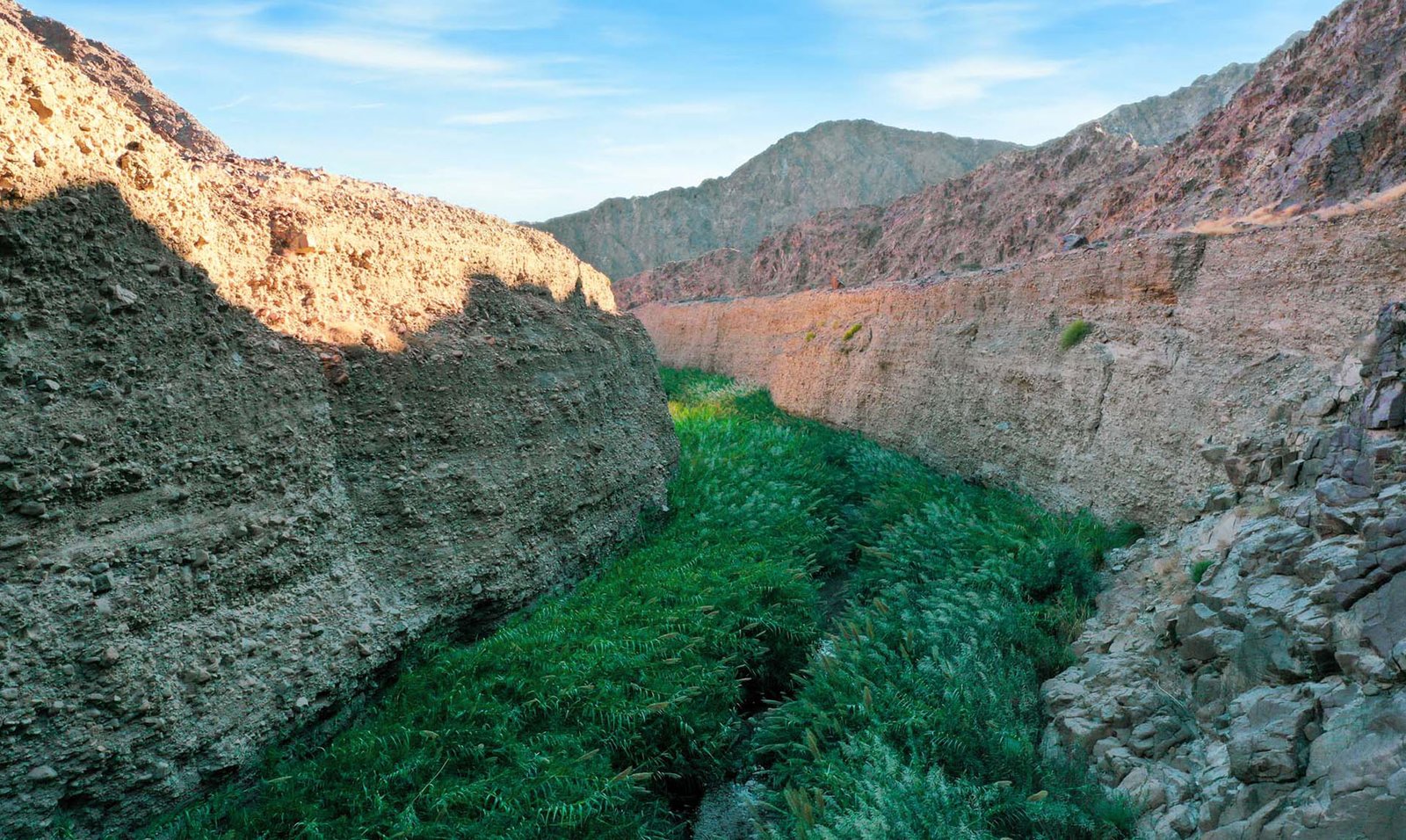
Six sites across the Middle East and North Africa have been inscribed on UNESCO’s World Heritage List during the organisation’s 2026 committee session in Busan, South Korea: Wadi Wurayah in Fujairah, Jordan’s Aqaba Marine Reserve, Iran’s Alamut Castle and Related Fortifications, the Tunisian village of Sidi Bou Said, Mount Amel Castles in Lebanon, and Sebastia in Palestine.
The addition brings six of the region’s most significant cultural and natural sites under the highest level of international heritage protection, a recognition that carries both symbolic and legal weight, committing local and national authorities to long-term conservation standards.
The Standout Additions
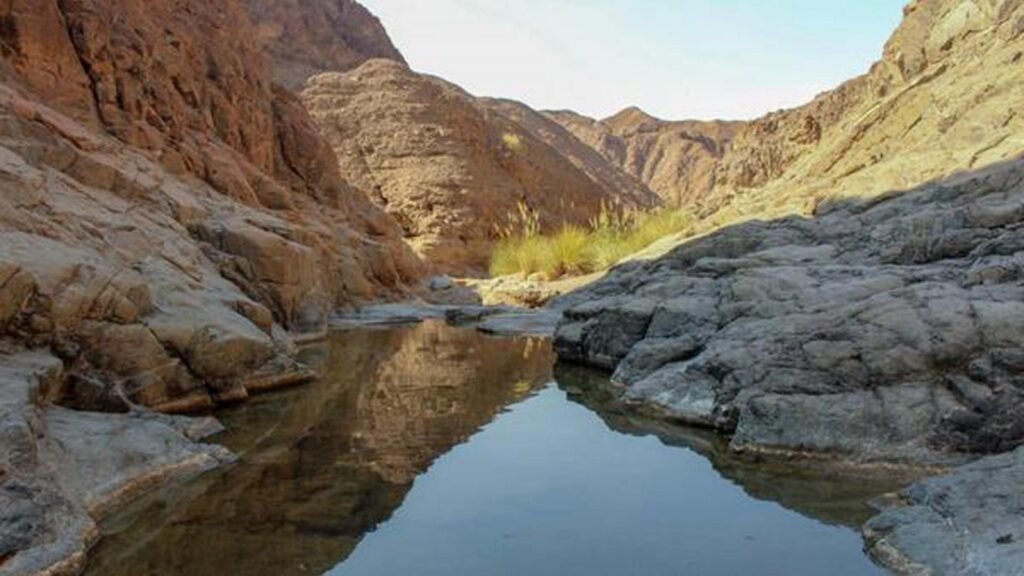
Wadi Wurayah in Fujairah becomes the UAE’s first natural World Heritage property, a milestone for a country that has moved decisively to establish its cultural and environmental credentials on the global stage over the past decade.
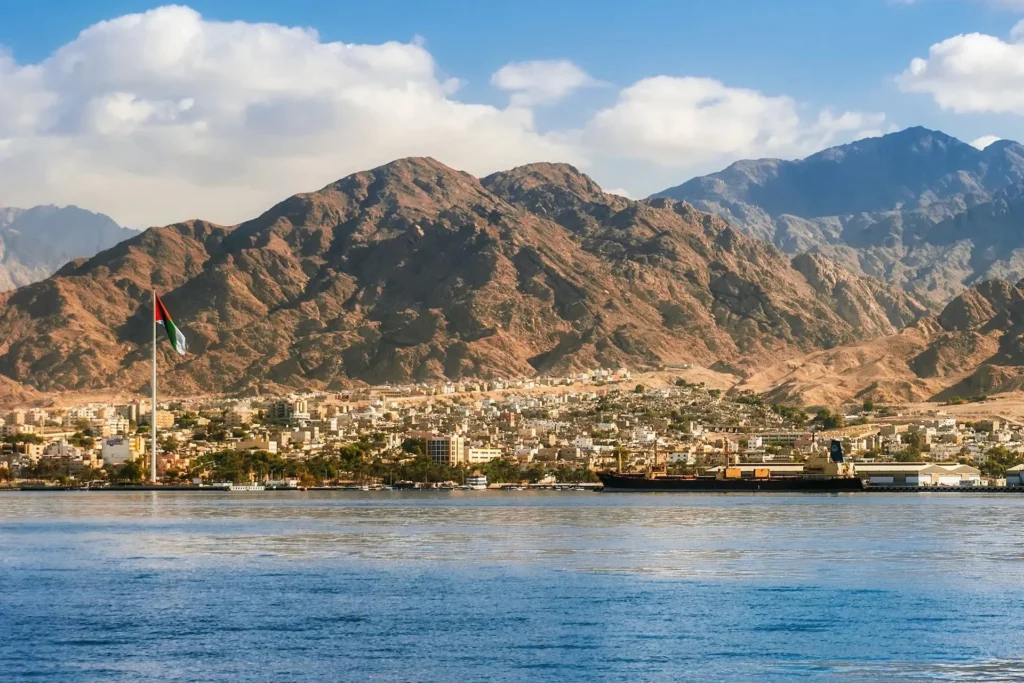
The Aqaba Marine Reserve adds Jordan’s Red Sea coastline to a list that already includes Petra and Wadi Rum, reinforcing the country’s position as one of the region’s most heritage-rich destinations. Iran’s Alamut Castle, the legendary mountain fortress associated with the Assassins, brings one of the ancient world’s most strategically significant sites into formal international protection.
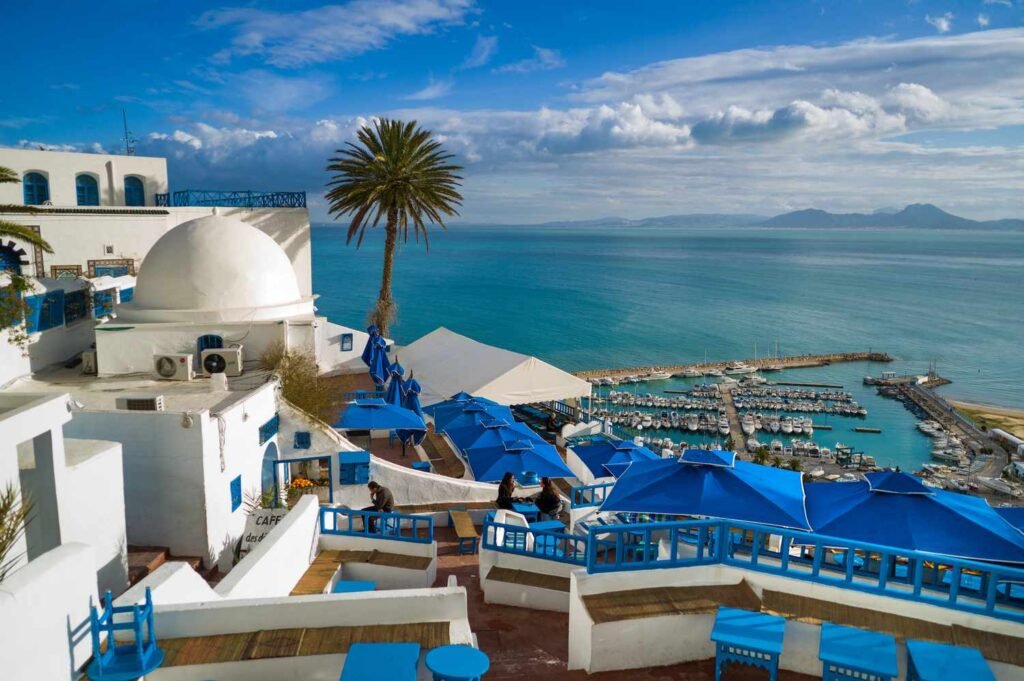
Sidi Bou Said, the whitewashed Tunisian village perched above the Gulf of Tunis, joins as a site whose influence on Mediterranean architecture and art has long exceeded its size.
The Emergency Inscriptions
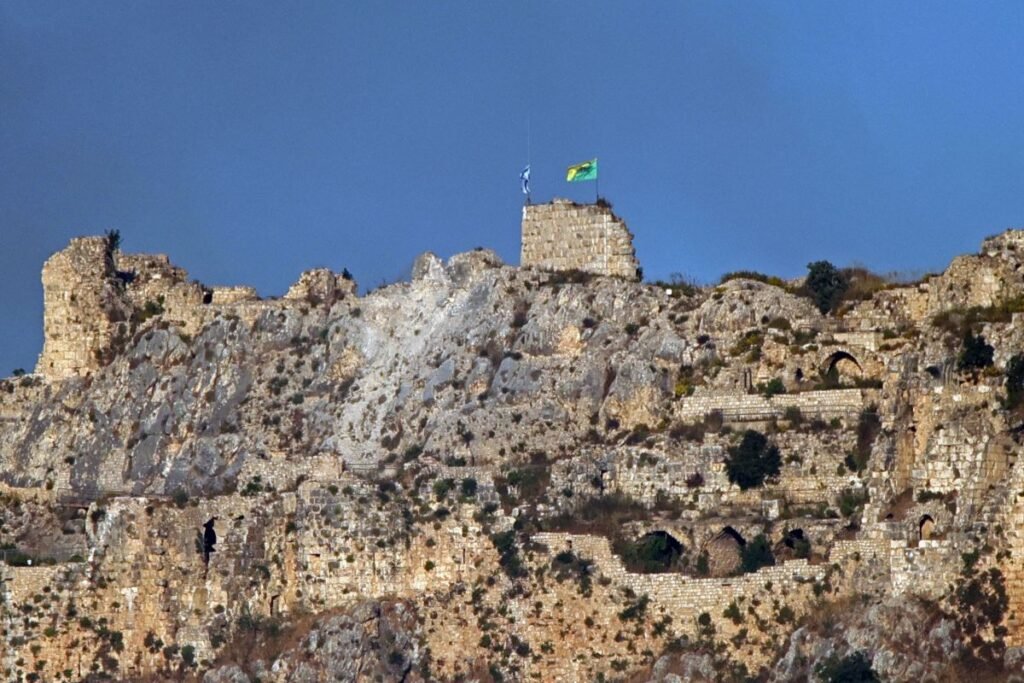
Two of the six sites, Mount Amel Castles in Lebanon and Sebastia in Palestine, were added via an emergency procedure reserved for heritage facing serious, immediate threats from conflict and have simultaneously been placed on UNESCO’s List of World Heritage in Danger.
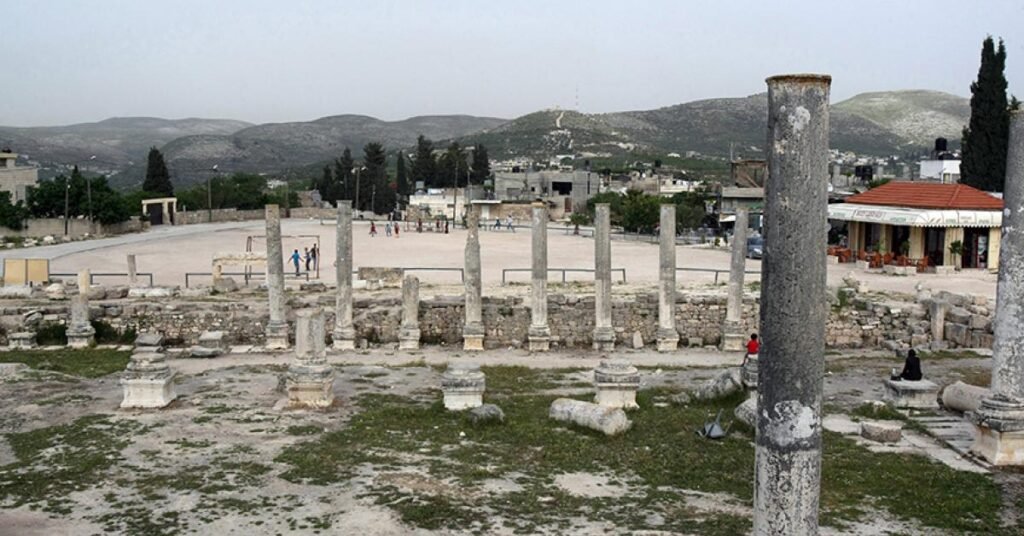
The emergency inscription is not a celebration; it is an act of protection, a formal acknowledgement that these sites face real risk of irreversible damage and that the international community has a responsibility to their preservation. Their inclusion on both lists at once is the clearest signal of how urgent that responsibility has become.