
The ninth El Gouna Film Festival reached day seven on Wednesday, October 21. Its program moved between industry conversations, fresh screenings, and a high-profile evening concert.
From industry conversations and new film screenings to an evening with Omar Khairat and BMW, Wednesday balanced cinema with celebration.
Morning at Festival Plaza
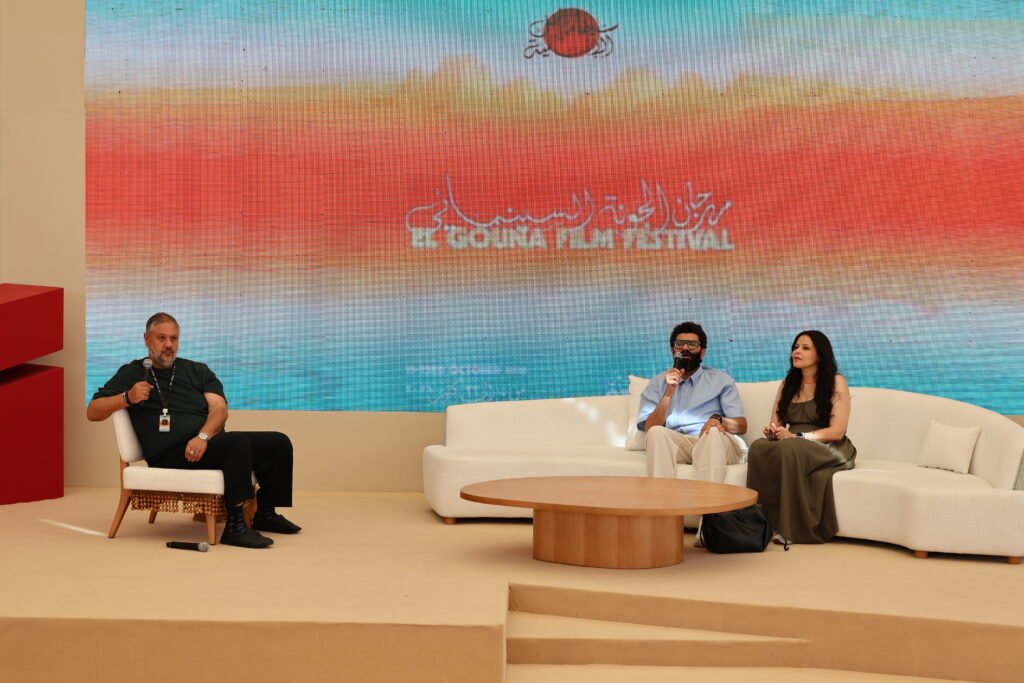
Festival Plaza carried the day’s familiar daytime energy before becoming the centre of the evening’s biggest gathering. Filmmakers, press crews, and festival guests crossed paths before the day’s screenings. Conversations turned toward the people and ideas behind the films.
At 11:30 a.m., director Mohammed Hammad and producer Kholoud Saad joined the press for a discussion of Safe Exit. That followed the film’s sole festival screening the previous evening, bringing the Egyptian feature back into focus.
The film stars Marwan Walid and Hazem Essam alongside Magda Mounir. Hammad’s story explores grief, trauma, and the moral pressure placed on an isolated young man. Its international festival journey added another dimension to the conversation around contemporary Egyptian cinema.
The forum program also connected film culture with the people shaping its next chapter. Joanna Hogg’s masterclass, Life into Film, placed lived experience and cinematic storytelling on the day’s agenda. The festival also held an impact-focused session around The Voice of Hind Rajab. This extended the conversation beyond the screen, toward the stories that continue to shape public memory.
Industry Conversations and Emerging Talent
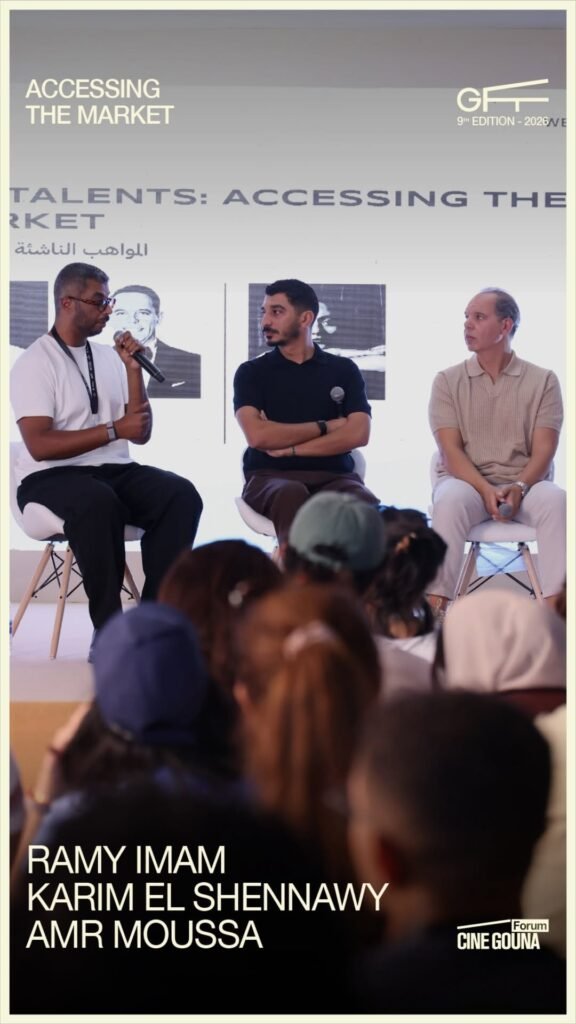
At 3 p.m., Aya Dawara moderated “Emerging Talents: Accessing the Series Market,” with directors Rami Imam, Karim El Shenawy, and Amr Moussa. The discussion examined how new voices reach television and how technology continues to change talent discovery.
Imam pointed to a changed landscape, where a phone can help someone write, direct, perform, and find an audience. The conversation also explored how the industry can turn emerging talent into sustainable professional careers.
The session reflected a wider question across the El Gouna Film Festival. How can established industry structures adapt while making room for new creative voices? That question extended beyond filmmaking into television, digital platforms, and the changing ways audiences discover stories.
First Screenings and Stories That Stay With You
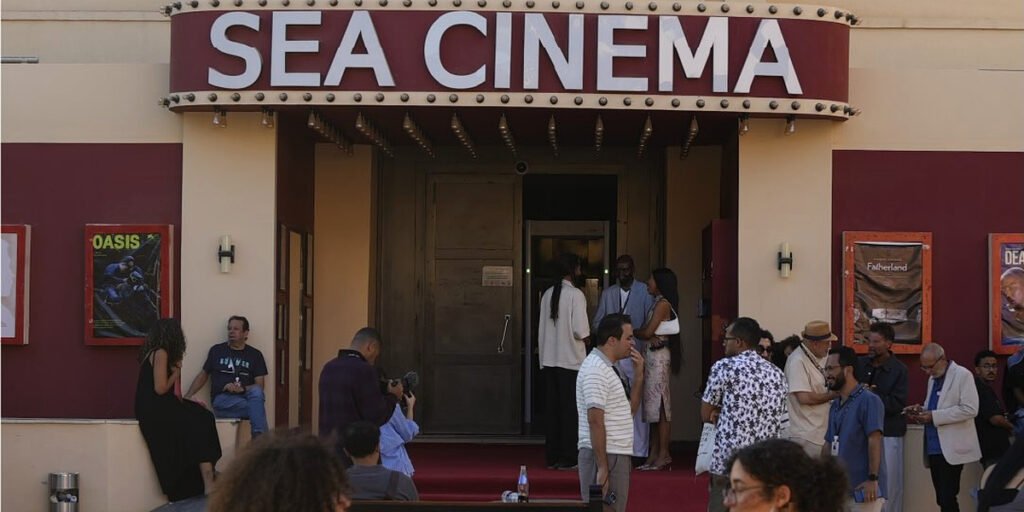
El Gouna Film Festival screenings kept a varied rhythm across its venues. At Sea Cinema 2, Who Killed Alex Odeh? revisited the unresolved 1985 assassination of Palestinian American activist Alex Odeh. The documentary combines archival material, investigative reporting, and family testimony. It revisits a killing that remains unsolved more than four decades later.
At 2:15 p.m., Mariinka made its first screening at the festival. Shot over a decade, the documentary follows five young Ukrainians in Donbas as conflict fractures families and futures. Its intimate approach turns a prolonged war into a portrait of endurance, impossible choices, and divided loyalties.
The narrative competition also presented Karim Kassem’s Pipes. It follows a retired water worker investigating a missing pipe in a Lebanese village. Dry humour gives way to grief, frustration, and the mystery of a friend’s death. The film uses a local crisis to reflect wider questions about community, resources, and responsibility.
Wednesday’s program relied on competition screenings and first encounters with films, rather than another major red-carpet premiere at Festival Plaza. The evening would offer a different kind of gathering, one built around music rather than cinema’s usual red-carpet ritual.
Omar Khairat and BMW Bring a Different Rhythm
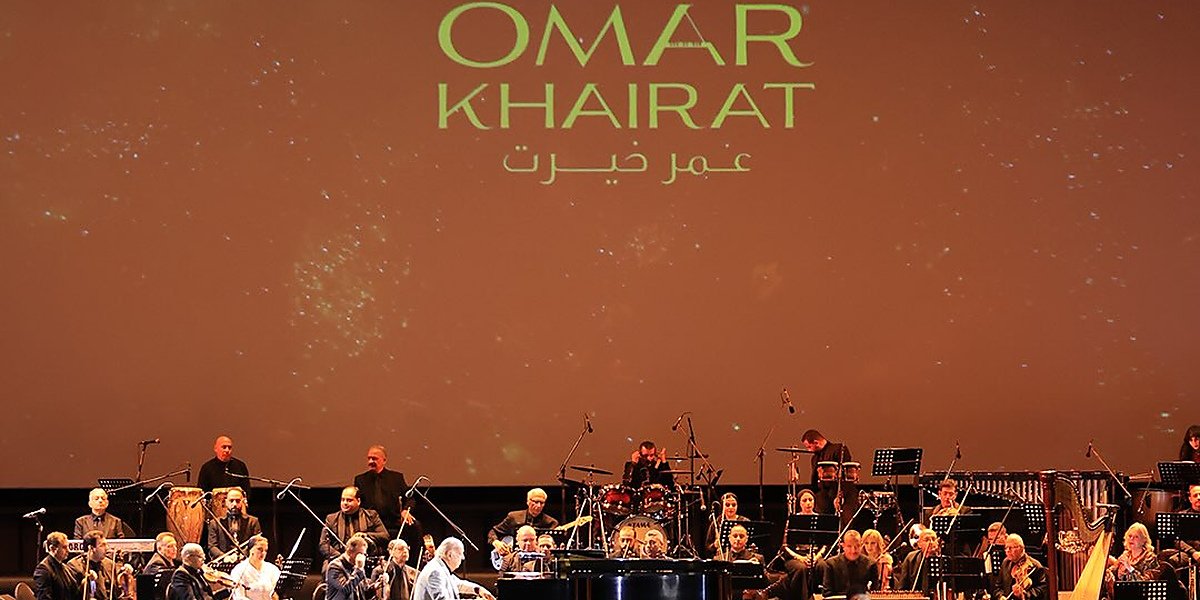
The day’s most visible gathering arrived at night, when the red carpet welcomed guests for Omar Khairat’s concert. The BMW-linked event brought a gala-like mood to the festival’s open-air setting.
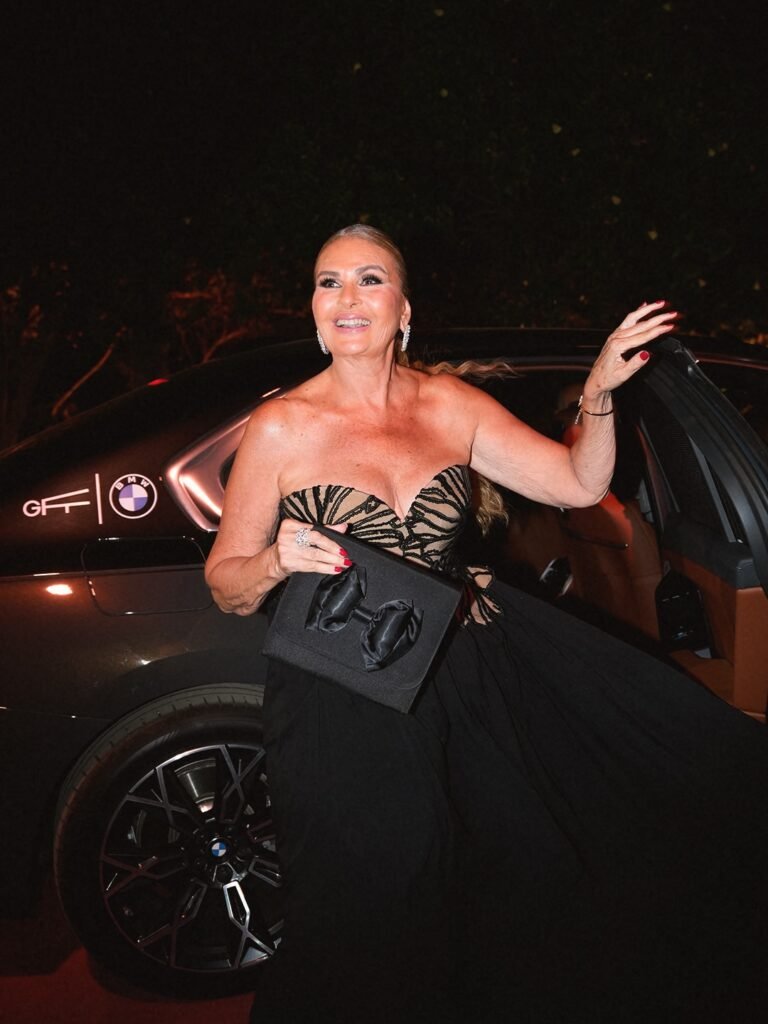
Yousra, Amina Khalil, Rami Imam, Ahmed Magdy, George Khabbaz, and Hanady Mehanna were among the arrivals. Mohamed Farag and Khaled Selim also joined the evening’s crowd. Their presence gave the concert a strong connection to the film and television community.
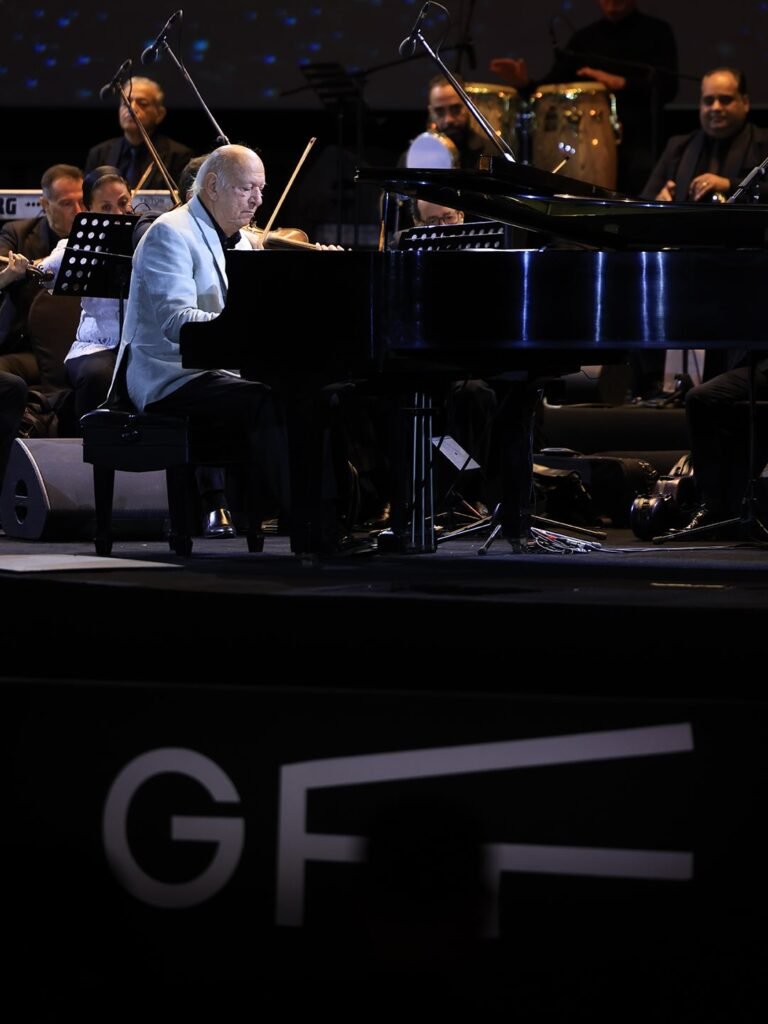
Khairat’s music has long connected with Egyptian cinema and television through themes remembered across generations. Pieces associated with Laylat al-Qabd Ala Fatma, Qadiyet Am Ahmed, and Khally Balak Men Aklak reflect that legacy.
At a film festival, the connection felt natural. Cinema’s emotional memory often outlives the image and stays with the music. Khairat’s appearance brought that relationship into the heart of Festival Plaza.
BMW’s presence also underlined how partnerships can create cultural experiences beyond screenings. The strongest activations connect with the audience and the event’s identity. Here, a composer closely linked to screen storytelling brought cinema and music together.
The concert gave day seven a distinctive closing note. The day had centred on creative careers, political memory, and storytelling. The Plaza then shifted into music and shared nostalgia.
That contrast captured the festival’s appeal: serious cinema by day, and cultural moments that bring the industry together after dark.