
Under the theme Architecture Otherwise, the third edition examines how shared spaces, local knowledge, and civic infrastructure shape the way communities live.
Architecture often begins with a building. But its influence extends far beyond walls, structures, and designed spaces. It shapes how people gather, move, interact, and build relationships with their surroundings.
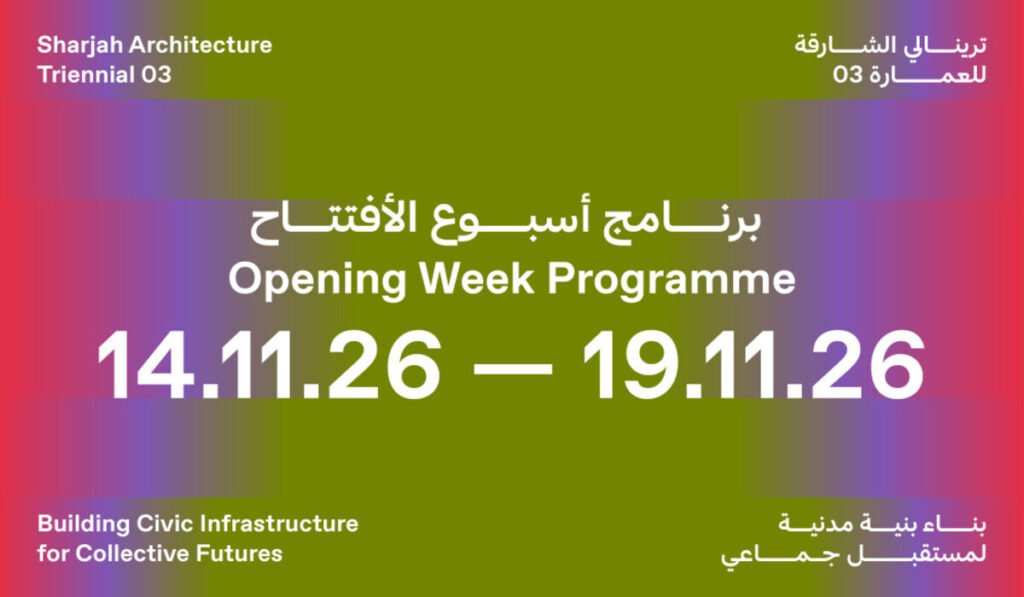
The third edition of the Sharjah Architecture Triennial explores this wider understanding. Titled Architecture Otherwise: Building Civic Infrastructure for Collective Futures, it opened on 14 November 2026. The exhibition brings together 35 participants whose work examines architecture through social, cultural, and civic perspectives.
Curated by writer and anthropologist Vyjayanthi Rao, with associate curator Tau Tavengwa, the Triennial considers how architecture can respond to a rapidly urbanising world. It asks how shared environments can support collective life and create more inclusive futures.
Rather than treating architecture as an isolated design discipline, this edition approaches it as a system of relationships. These include the ways communities use spaces, exchange knowledge, preserve memories, and adapt to changing conditions.
Rethinking the role of architecture
The title Architecture Otherwise signals a departure from conventional ideas about the built environment. Its focus extends beyond the construction of buildings to the infrastructure that makes collective life possible.
This includes public spaces, community networks, cultural practices, and everyday forms of exchange. Such elements may not always appear in architectural plans. Yet they influence how people experience and sustain their surroundings.
The Triennial brings together practices spanning architecture, anthropology, urbanism, art, design, education, and community initiatives. Through this multidisciplinary approach, it connects architectural thinking with questions about social organization and public life.
The projects take different forms, including installations, films, archives, workshops, performances, and lectures. Together, they explore alternative ways of building, inhabiting, and maintaining shared spaces.
A program across Sharjah
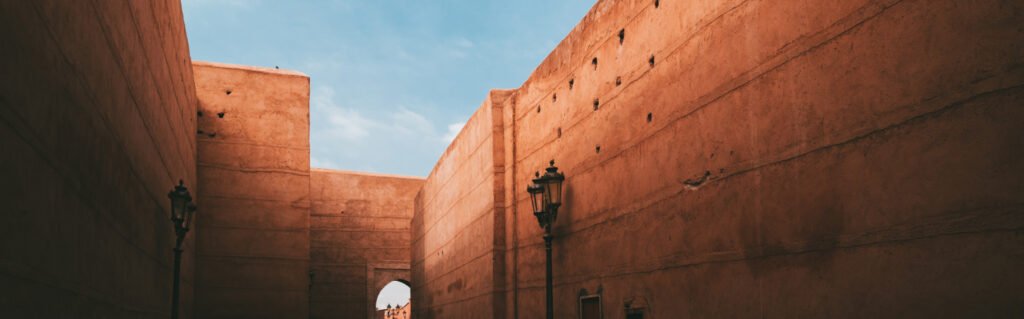
The Triennial unfolds across six venues and offsite locations in Sharjah. Its opening program runs from 14 to 19 November, bringing performances, film screenings, conversations, and discussions to different parts of the emirate.
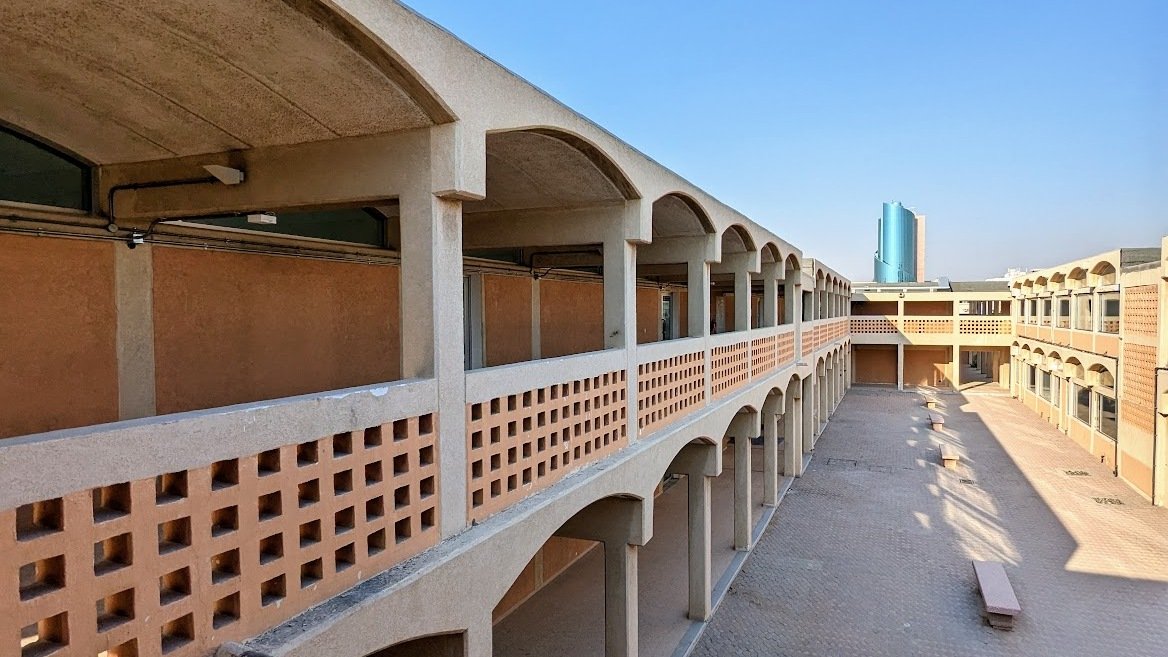
Al Qasimiyah School serves as the main opening venue. Other locations include Al Jubail Vegetable Market, Al Madam Buried Village, and the Sharjah Museum of Islamic Civilization.
One of the featured projects is Tumblespace (or What Binds Us?) by Aslıhan Demirtaş, Ali Cindoruk, and Dilşad Aladağ. The nomadic structure explores relationships between people, movement, and place. It considers how temporary environments can create opportunities for gathering and exchange.
Another contribution comes from Badriyah Alsalem. Her performance lectures, The Houses of the Moon and Names of the Sun, draw on observation, poetry, and cultural astronomy. The work examines connections between landscape, time, and the sky.
Other projects address urban transformation, memory, displacement, and the relationship between cities and their histories. These different perspectives demonstrate how architecture can become a way to examine broader questions about belonging and collective experience.
From exhibitions to conversations
The Triennial also places significant emphasis on dialogue. Its opening program brings architects, artists, researchers, and cultural practitioners together through conversations and roundtables.
The opening discussion, Building Civic Muscles, examines how everyday practices, identities, economies, and social relationships shape the built environment. Participants include curator Vyjayanthi Rao, associate curator Tau Tavengwa, Edgar Pieterse, Mabel O. Wilson, and Paola Antonelli.
Other discussions explore urban transformation in the Gulf, the relationship between cities and time, and sound as a spatial practice. Filmmaker Rania Stephan and artist Amarnath Praful are among the contributors to The Trouble with Images.
The opening week concludes with a two-day international conference on 18 and 19 November. Organized in collaboration with Global Studies University, it examines how knowledge about cities and regions is produced. It also considers how local histories can challenge dominant approaches to urban development.
A wider understanding of shared futures
The third Sharjah Architecture Triennial arrives at a time when cities face increasingly complex questions. Urban growth, environmental pressures, migration, and changing social needs continue to influence how communities inhabit space.
Architecture cannot address these challenges through buildings alone. It also requires an understanding of the relationships and systems that allow communities to function.
By bringing these questions into a shared cultural program, the Triennial positions architecture as both a creative practice and a public responsibility. Its projects encourage visitors to consider what makes a space meaningful beyond its physical appearance.
The exhibition remains open to the public until 14 April 2027. Its extended program offers an opportunity to engage with architecture as an ongoing conversation about how people live together, and what they might build collectively.