
Some handbags do more than complete an outfit. They become symbols of an entire fashion era. From timeless silhouettes to cult-favorite designs, the world’s most recognizable It bags have fascinating stories. However, behind every iconic accessory stands a creative mind that brought it to life.
Over the decades, legendary designers have transformed handbags into cultural landmarks. Some drew inspiration from everyday practicality, while others challenged traditional ideas of luxury. Today, their creations remain among fashion’s most recognizable accessories.
Here’s a closer look at the designers behind some of the most iconic It bags in fashion history.
Gabrielle Chanel: The Chanel 2.55
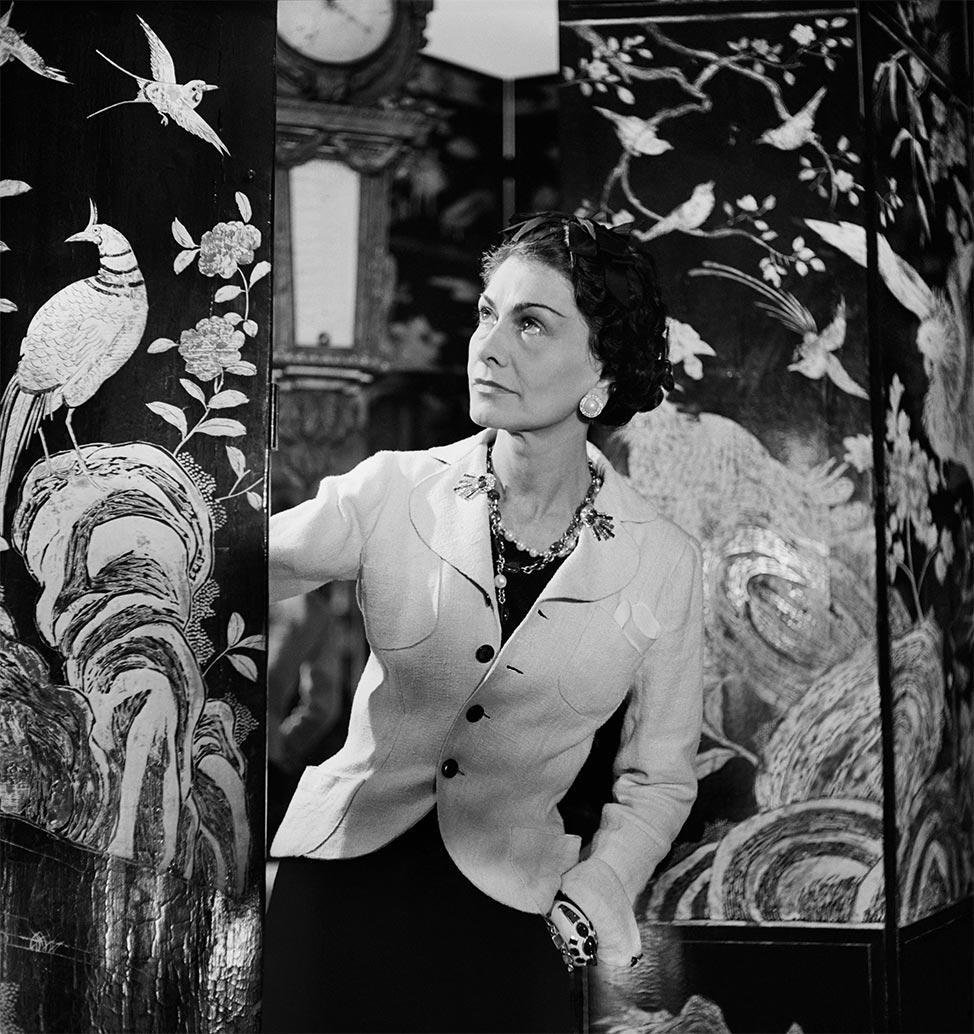
Few handbags have influenced fashion quite like the Chanel 2.55. Gabrielle Chanel introduced the design in February 1955. Its name references the month and year of its creation.
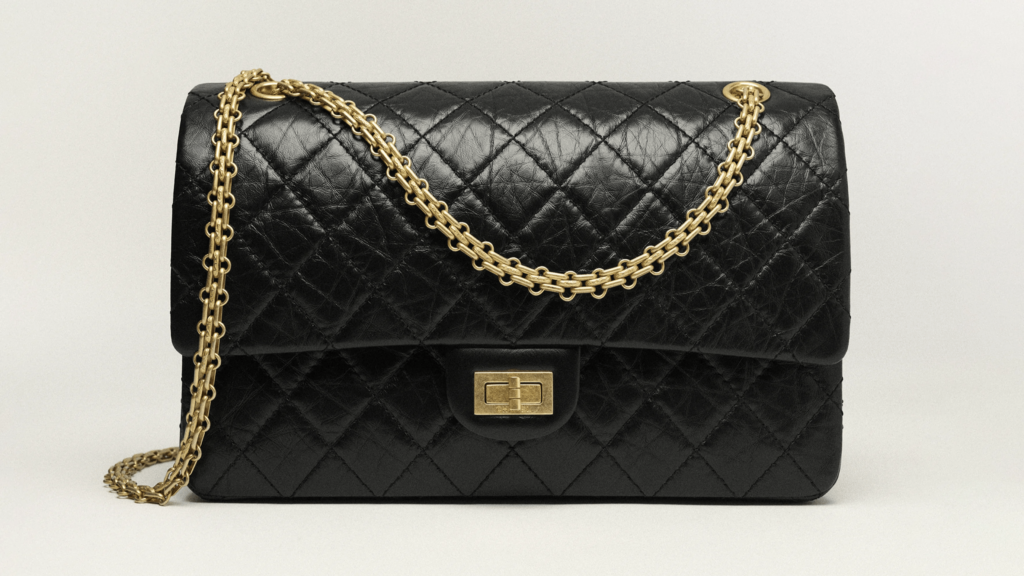
At the time, handbags were traditionally carried by hand. Chanel challenged that convention with a practical shoulder strap. She also introduced the signature quilted exterior and chain detailing. The design reflected her belief that fashion should combine elegance with functionality.
Years later, Karl Lagerfeld introduced the interlocking CC closure to the Classic Flap. However, the original 2.55 remains Gabrielle Chanel’s unmistakable creation.
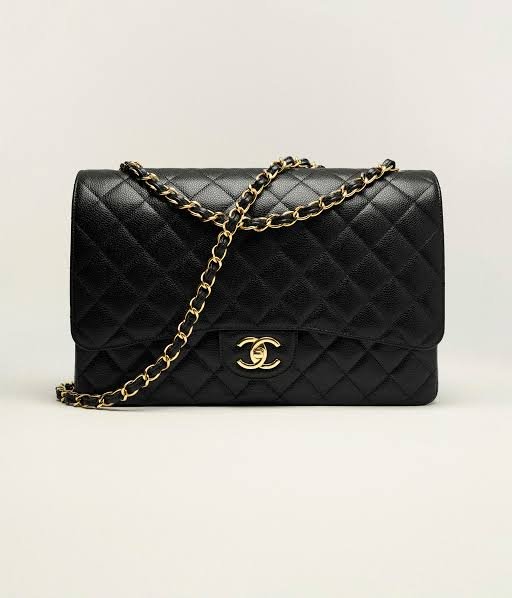
Robert Dumas: The Hermès Kelly
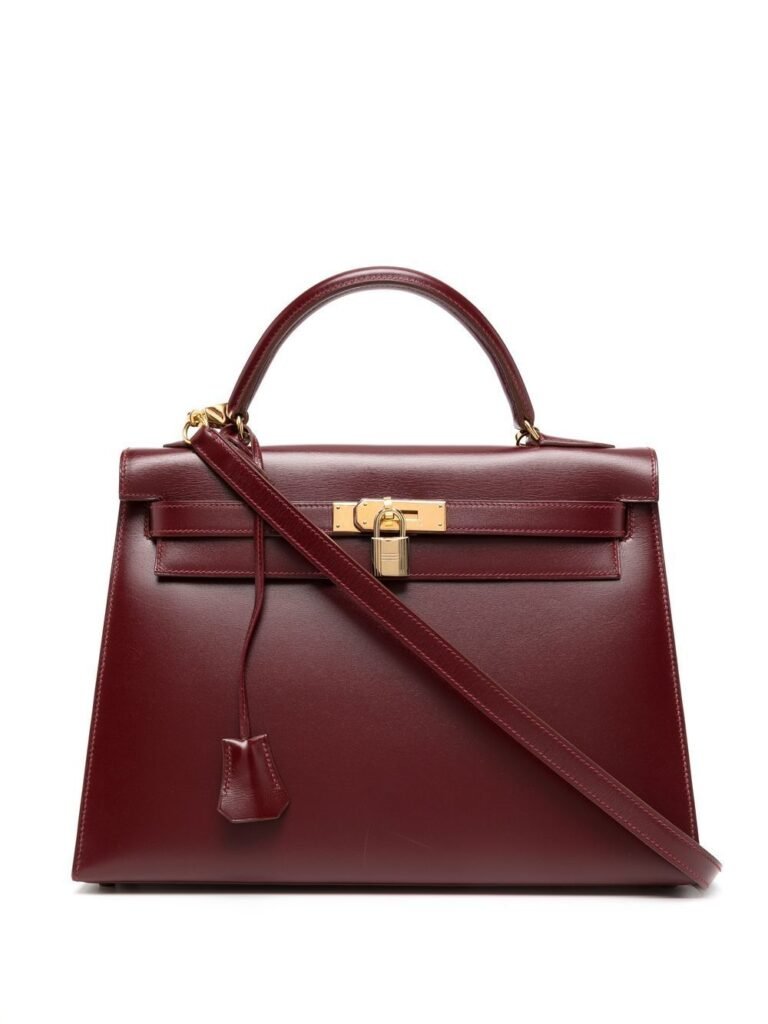
The Hermès Kelly represents timeless elegance and exceptional craftsmanship. Its story began in the 1930s with Robert Dumas, who designed the original Sac à dépêches.
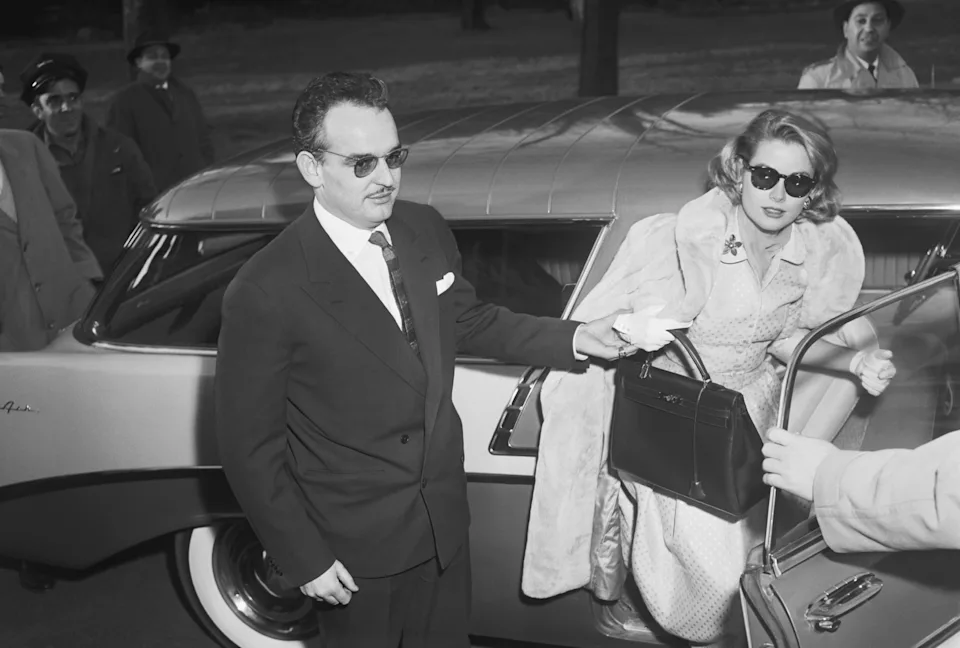
The bag gained international attention in 1956. Princess Grace Kelly famously carried it while shielding her pregnancy from photographers. The photograph sparked worldwide interest in the elegant handbag.
Hermès eventually renamed the design after the princess. Today, the Kelly remains one of the house’s most recognizable creations. Its structured silhouette and distinctive clasp continue to define understated luxury.
Jean-Louis Dumas: The Hermès Birkin

Another Hermès masterpiece owes its existence to an unexpected airplane encounter. In 1984, Jean-Louis Dumas met British actress and singer Jane Birkin. Their conversation inspired a handbag designed around her everyday needs.
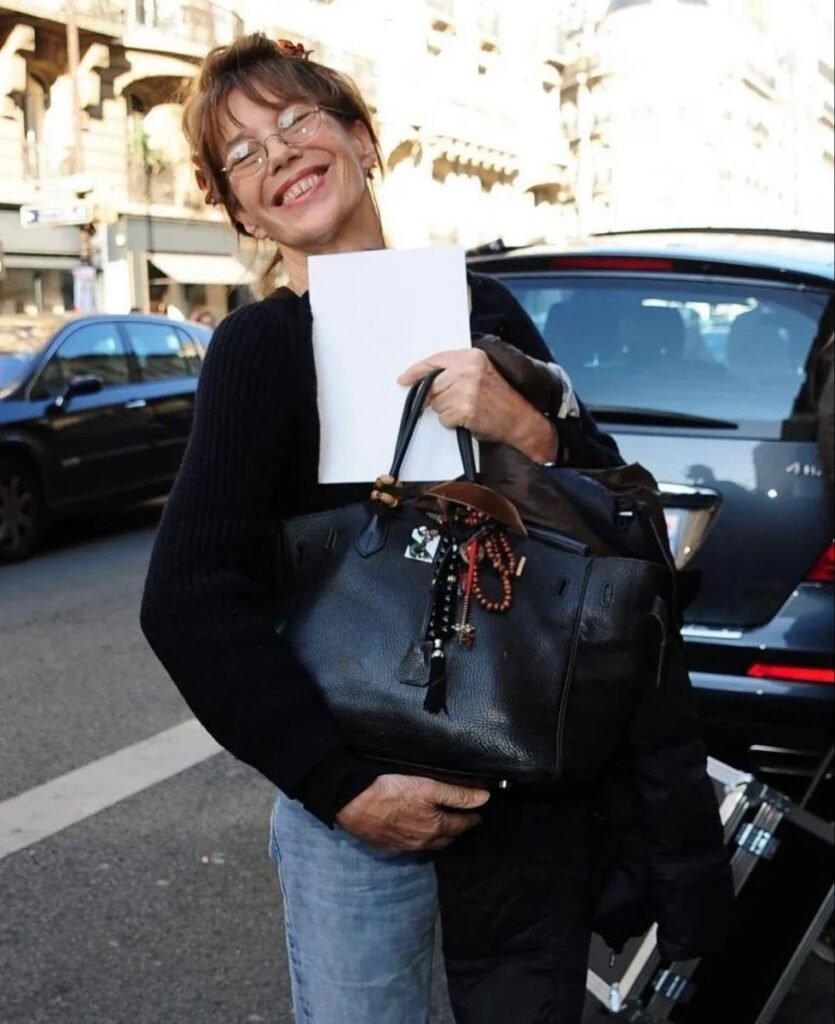
Birkin wanted a spacious, practical bag that still felt elegant. Dumas transformed that idea into what became the legendary Birkin bag.
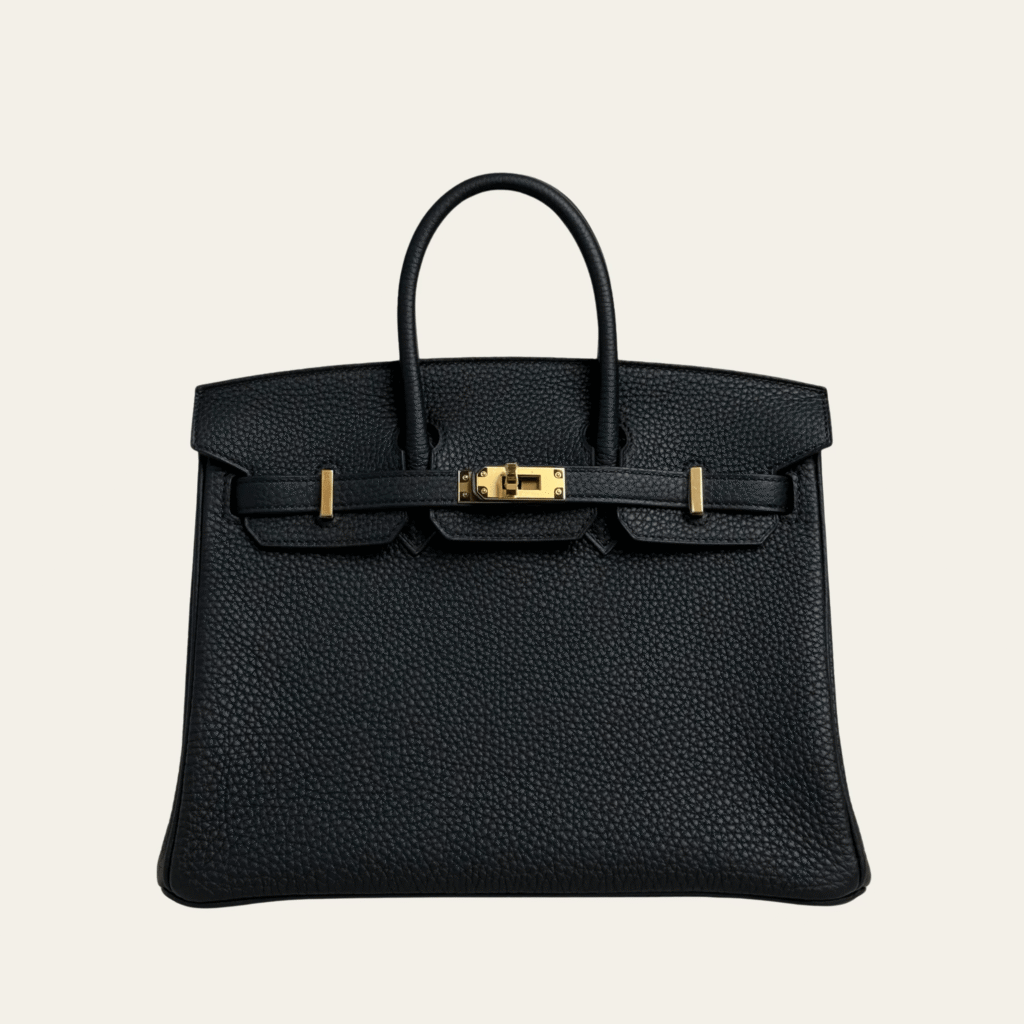
Unlike many statement accessories, the Birkin prioritizes functionality alongside craftsmanship. Its distinctive shape and meticulous construction helped establish its status. Today, it remains one of fashion’s most coveted handbags.
Maria Grazia Chiuri and the Dior Ateliers: The Lady Dior
Few handbags carry a story as closely connected to royalty as the Lady Dior. The design first appeared in the 1990s, featuring Dior‘s signature cannage stitching and elegant structured silhouette.
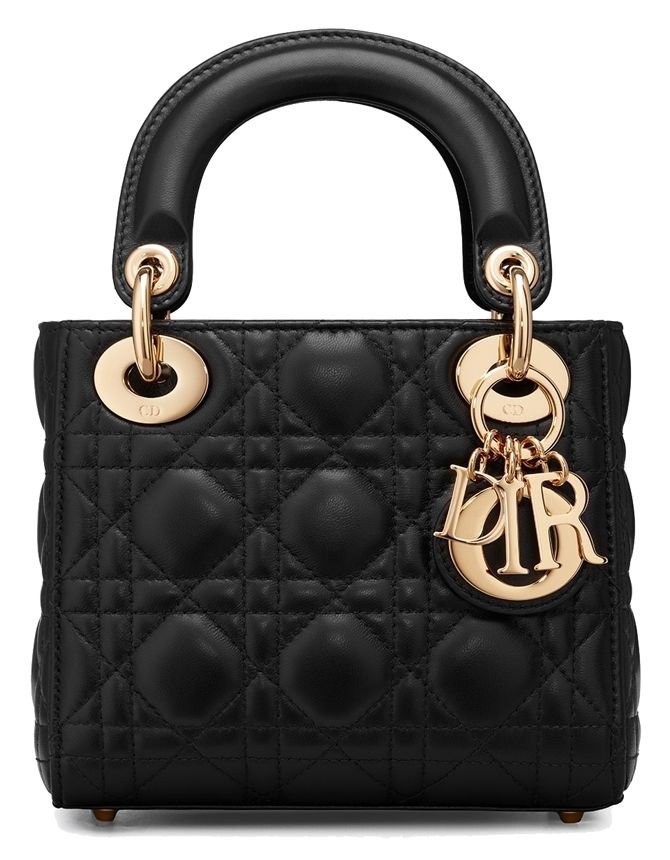
Its defining moment arrived in September 1995. Princess Diana received the handbag during a visit to Paris. She quickly made it one of her signature accessories.
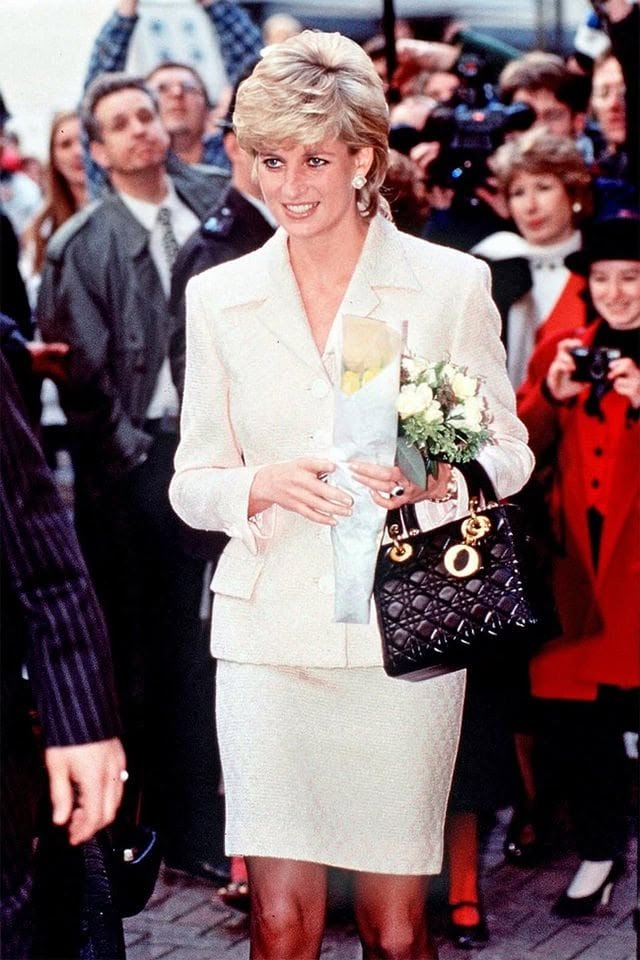
Her influence eventually inspired the house to rename it Lady Dior. The design continues to evolve through new materials, colors, and artistic interpretations. However, its original elegance remains instantly recognizable.
Silvia Venturini Fendi: The Fendi Baguette

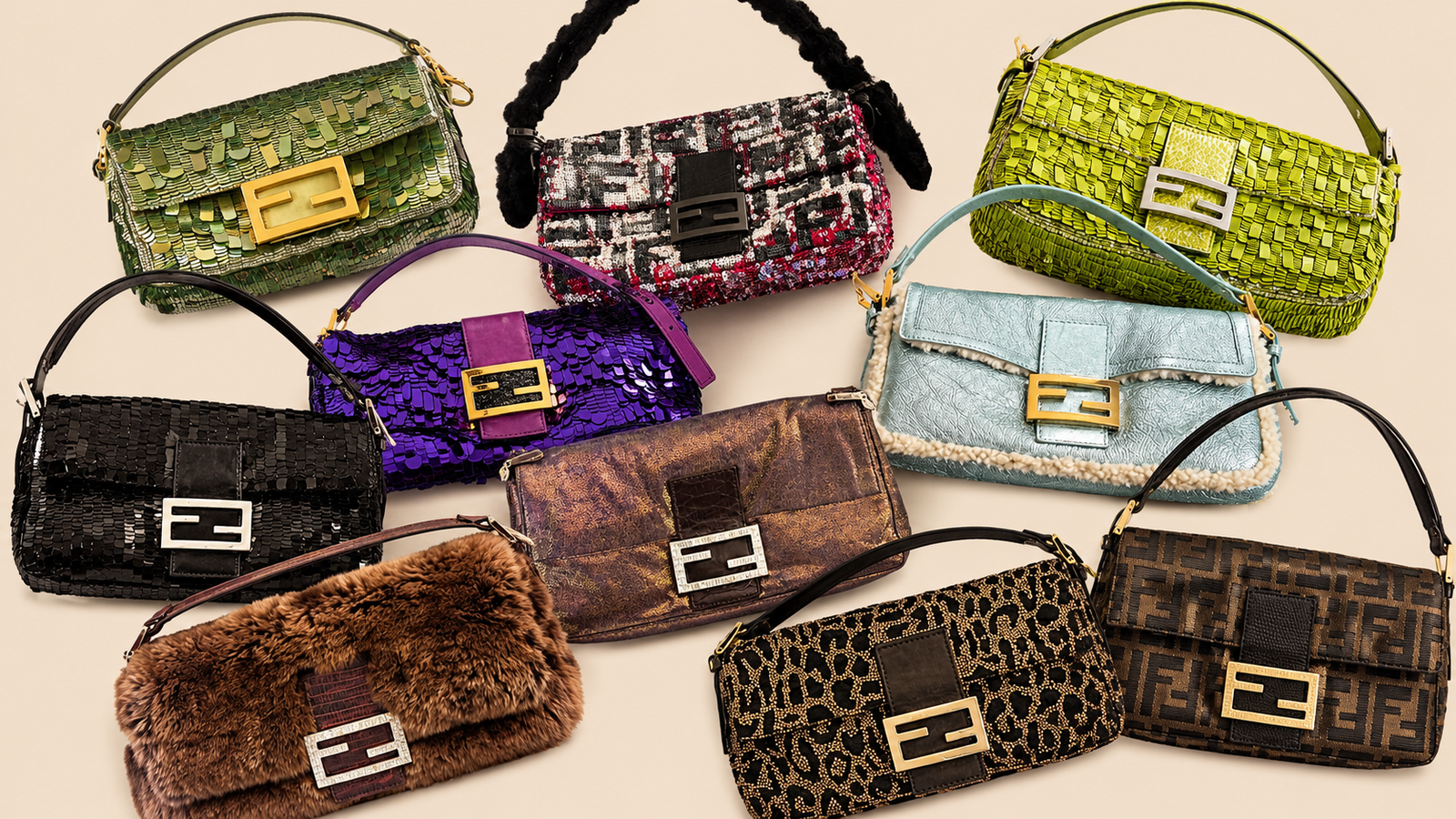
Before the term It bag became a fashion phenomenon, Silvia Venturini Fendi introduced the Baguette. Launched in 1997, the compact shoulder bag challenged traditional handbag proportions.
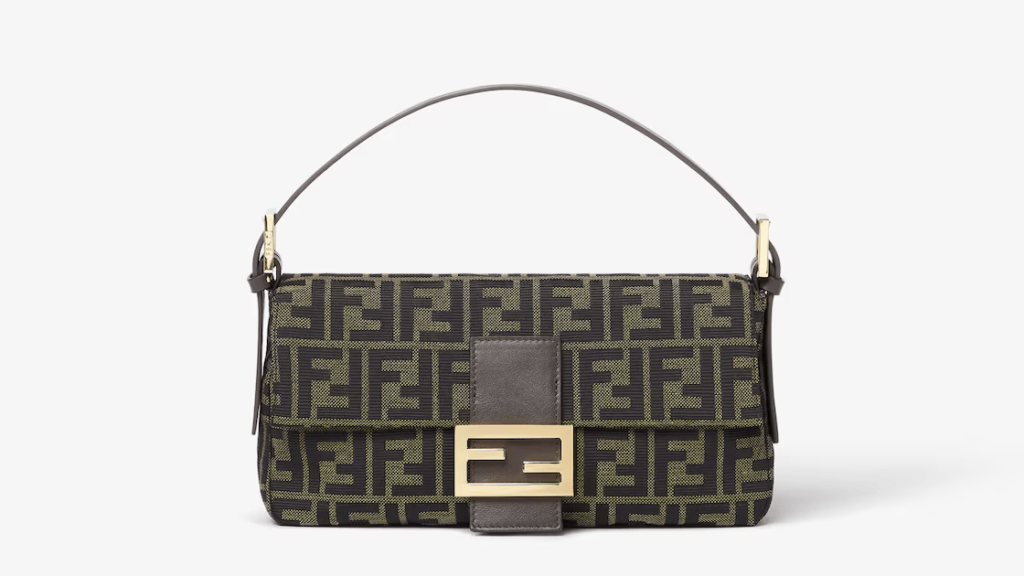
Its name references the French baguette, which people traditionally carry under their arms. Its short strap and playful designs made it an instant fashion statement.
However, its cultural impact grew even further through television. Carrie Bradshaw famously carried the Baguette in Sex and the City. That appearance helped transform the accessory into a pop culture phenomenon.
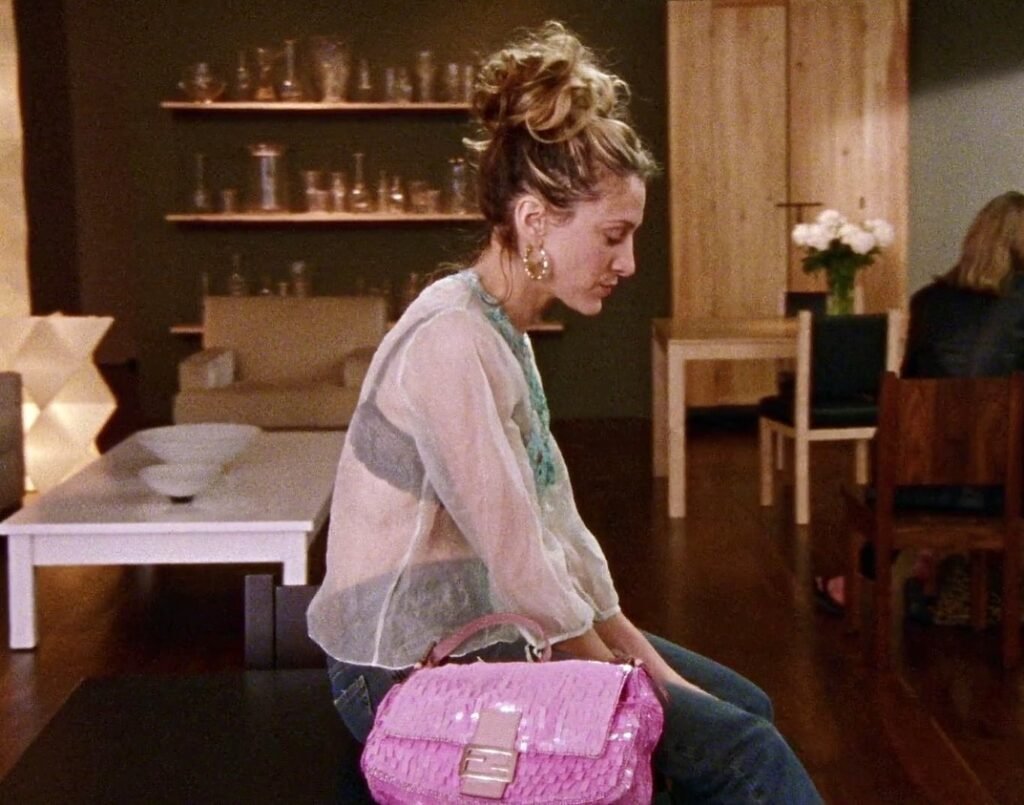
More than two decades later, the Baguette remains one of Fendi‘s most recognizable designs.
John Galliano: The Dior Saddle Bag
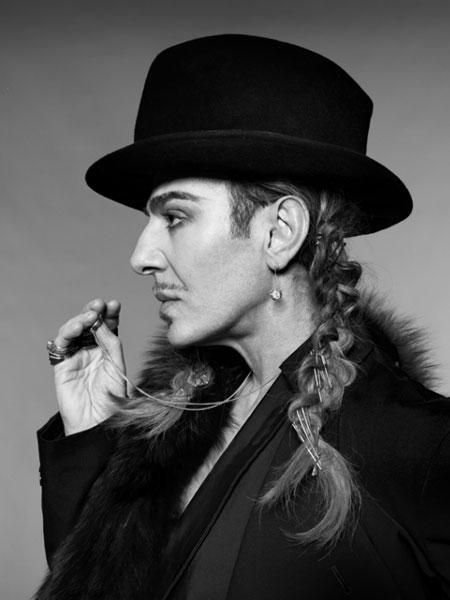
When John Galliano introduced the Dior Saddle Bag in 1999, he challenged conventional handbag shapes. Its distinctive curved silhouette took inspiration from equestrian saddles.
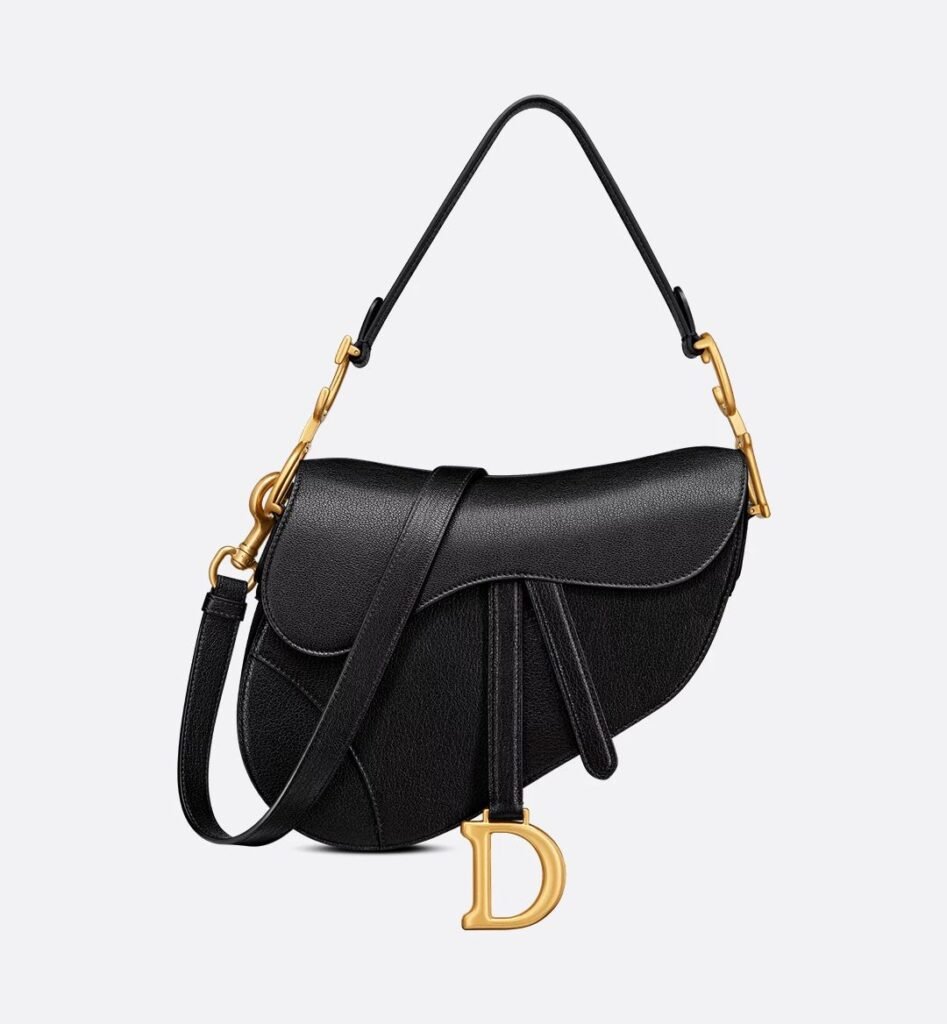
The design quickly became a favorite among celebrities and fashion enthusiasts. Its bold proportions and unmistakable shape captured the experimental spirit of early-2000s fashion.
After disappearing from the spotlight for several years, the Saddle returned in 2018. Its comeback introduced the iconic silhouette to a new generation. Today, it remains one of Dior’s most recognizable accessories.
Nicolas Ghesquière: The Balenciaga City Bag
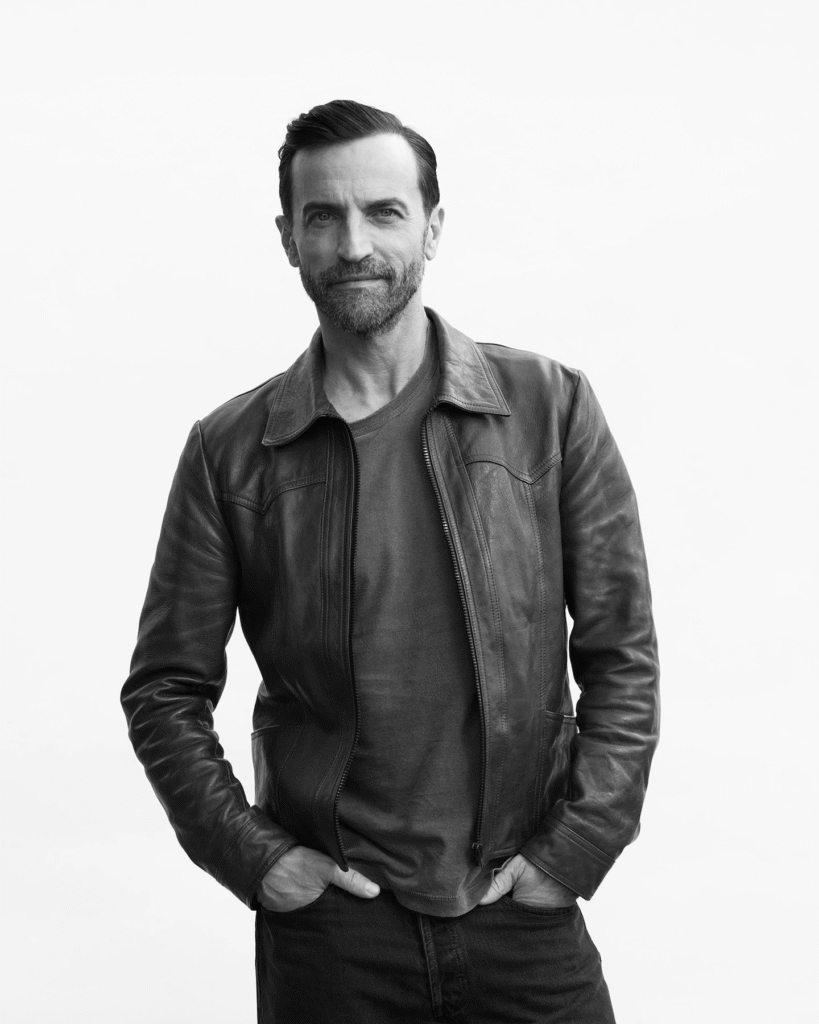
The early 2000s introduced a different vision of luxury through Balenciaga’s City Bag. Nicolas Ghesquière developed the design during his time as the house’s creative director.
Unlike traditional structured handbags, the City featured soft leather and a relaxed silhouette. Its distinctive hardware, zipper details, and studded handles gave it a rebellious character.
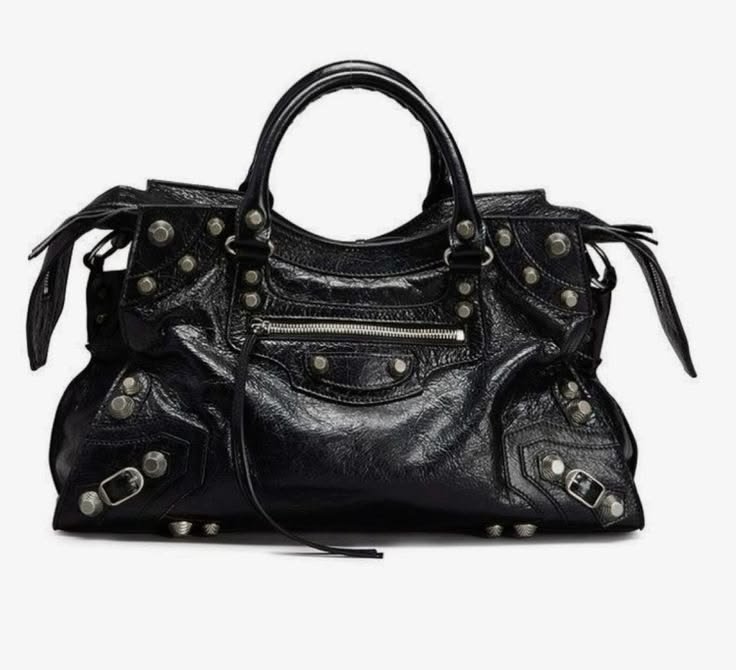
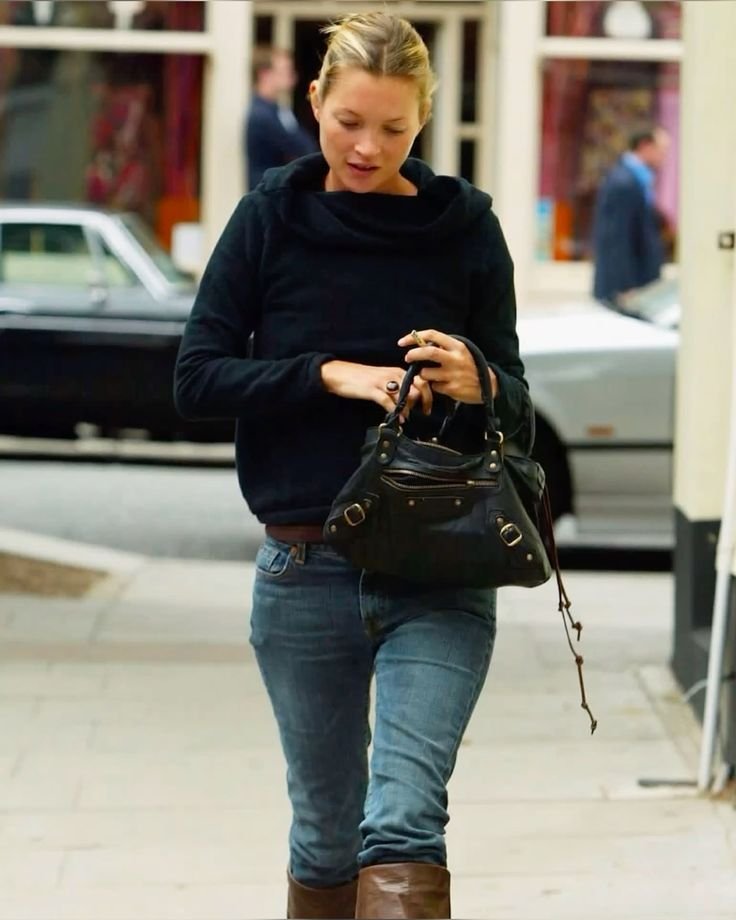
It quickly became a favorite among celebrities and fashion insiders. Kate Moss was among its most recognizable admirers. The bag eventually became a defining accessory of early-2000s street style.
Miuccia Prada: The Prada Galleria
Miuccia Prada has always understood the power of understated design. The Prada Galleria, introduced in 2007, perfectly reflects that philosophy.
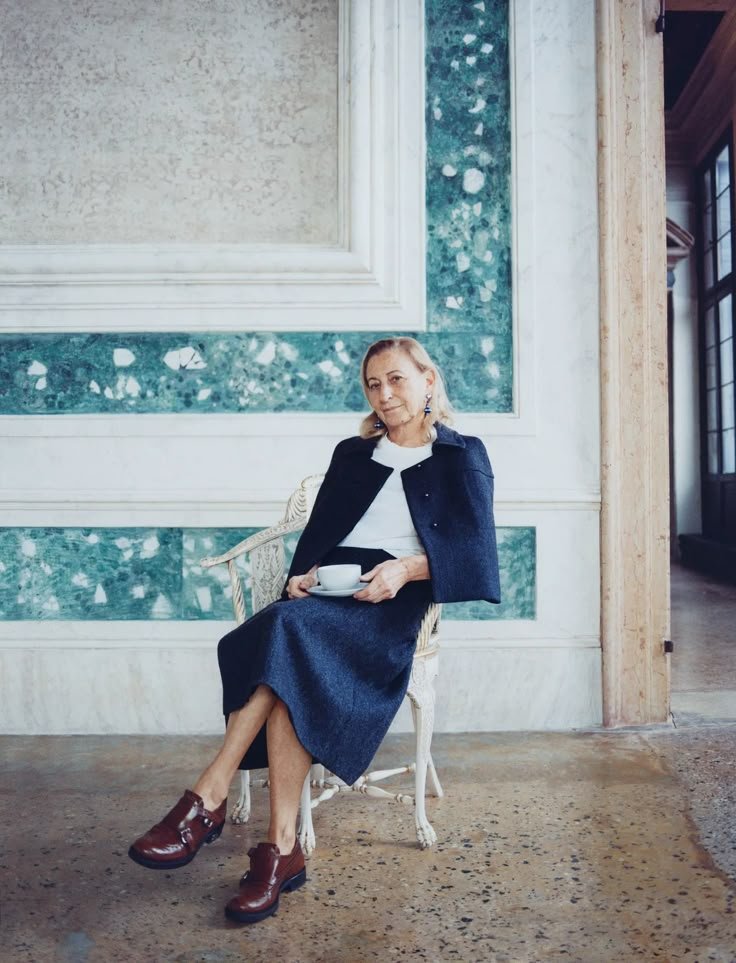
Named after Milan’s historic Galleria Vittorio Emanuele II, the bag celebrates the house’s heritage. Its structured silhouette and Saffiano leather create a balance between practicality and sophistication.
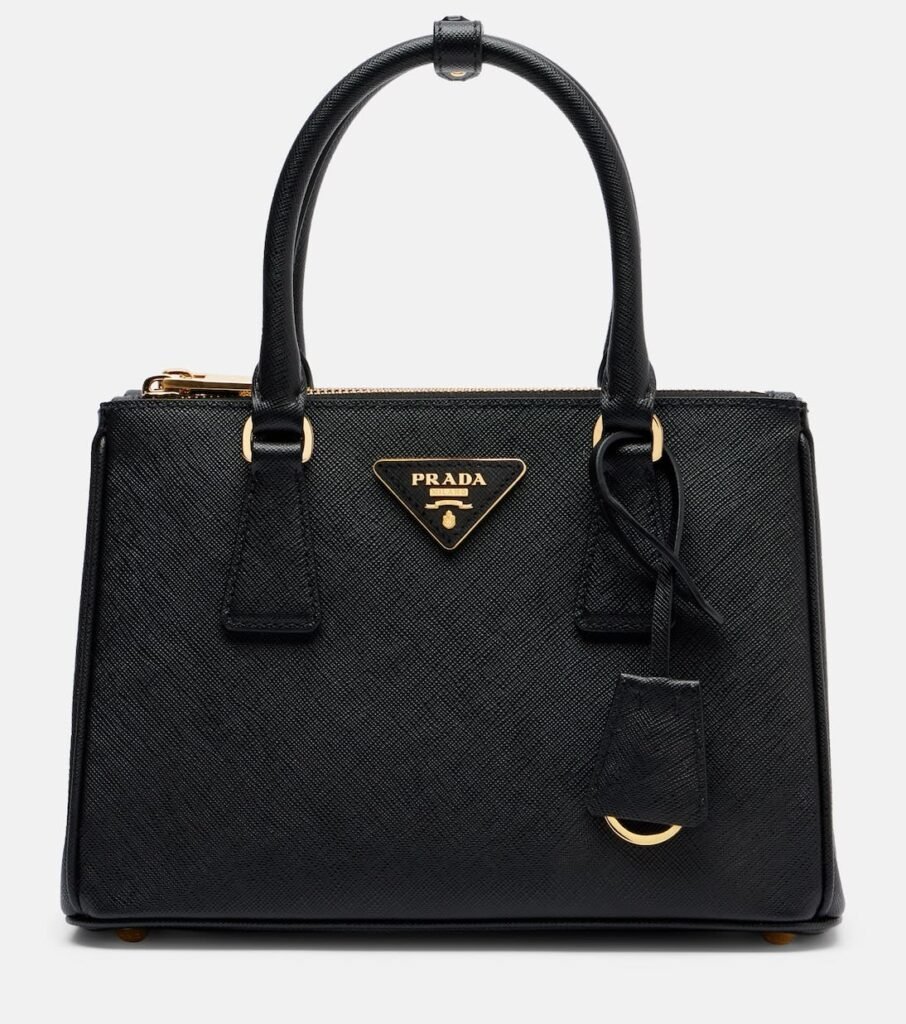
Unlike trend-driven accessories, the Galleria prioritizes timeless appeal. Its clean lines and functional compartments make it suitable for everyday wear. It remains one of Prada‘s most enduring handbag designs.
Jonathan Anderson: The Loewe Puzzle Bag
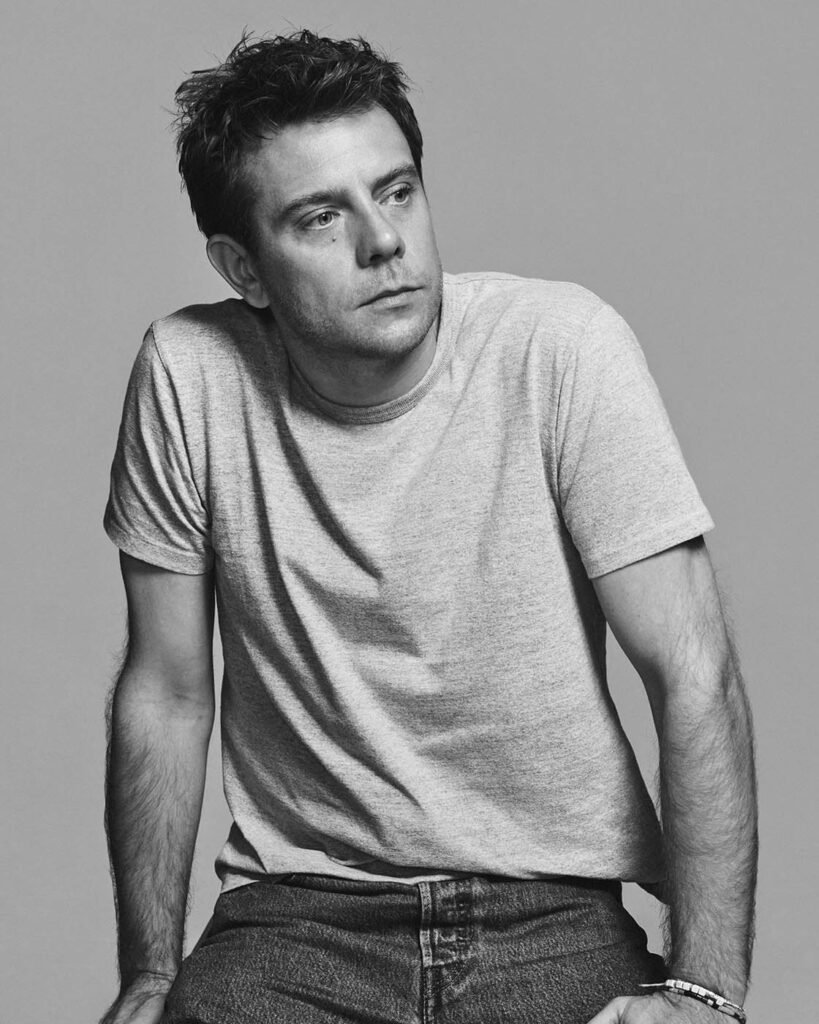
Jonathan Anderson brought a fresh perspective to Loewe when he introduced the Puzzle Bag in 2015. Its geometric construction immediately distinguished it from traditional luxury handbags.
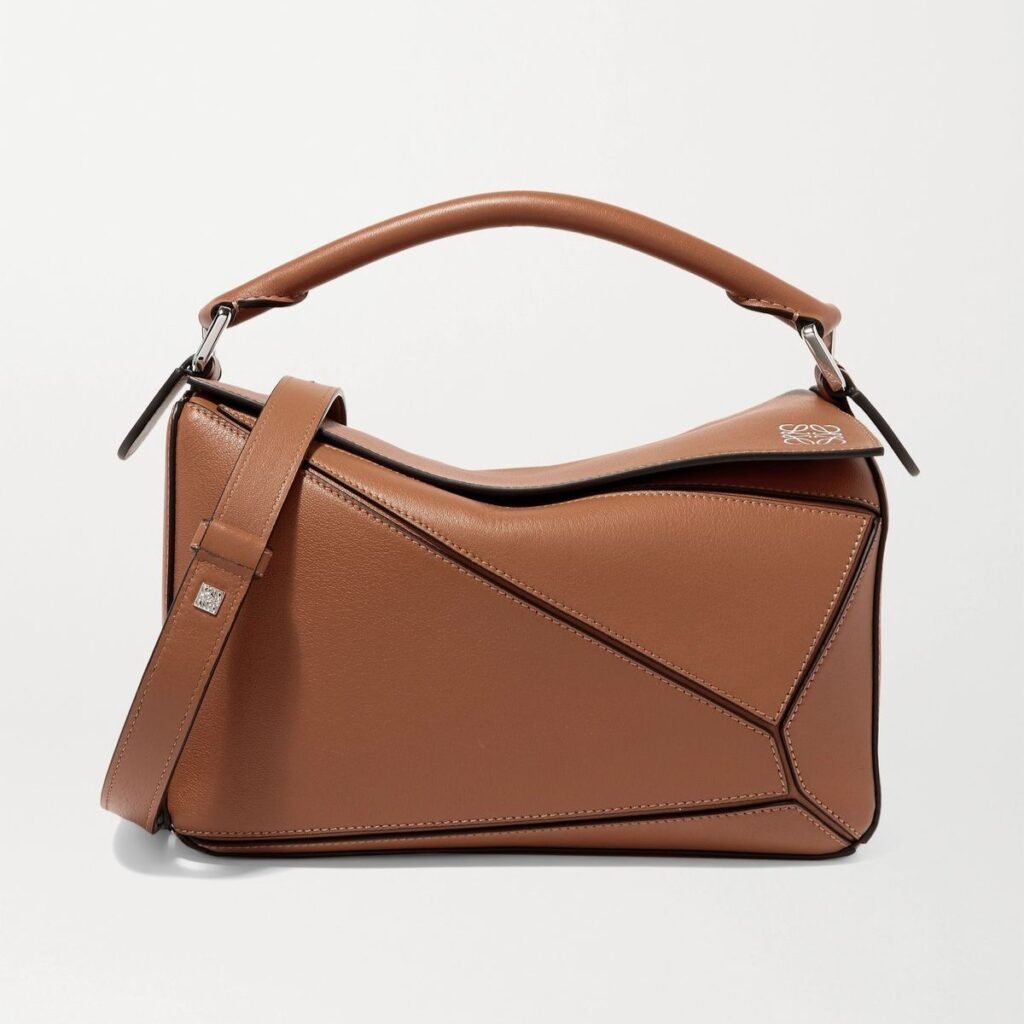
The design features multiple leather panels arranged into an architectural shape. This construction allows the bag to fold into different forms. It also highlights Loewe’s exceptional leather craftsmanship.
The Puzzle quickly became a modern fashion favorite. Its sculptural appearance and versatile functionality helped establish a new handbag icon. It remains one of Anderson’s most influential contributions to the Spanish fashion house.
More Than Just a Handbag
An iconic It bag is rarely defined by its appearance alone. Its legacy comes from the designer’s vision, craftsmanship, and cultural influence.
Some designs reflect their creators’ personal philosophies. Others become famous through the celebrities and cultural moments surrounding them. Either way, these handbags demonstrate fashion’s ability to turn everyday accessories into lasting symbols.
Trends may change with every season. However, truly iconic designs continue to find their way into new wardrobes and generations. And that’s what separates a fashionable handbag from a timeless fashion legacy.