


From gym bags to morning routines, electrolyte powders and drinks have become the latest wellness obsession. But are they genuinely beneficial, or just another clever marketing trend? Before adding another supplement to your shopping list, here’s what you should know.
What Exactly Are Electrolytes?
Electrolytes are essential minerals that carry an electrical charge when dissolved in your body’s fluids. They include sodium, potassium, magnesium, calcium, and chloride.
Despite their scientific-sounding name, they perform some pretty basic functions. They regulate fluid balance, support muscle contractions, transmit nerve signals, and help maintain a steady heartbeat.
Your body naturally loses electrolytes through sweat, urine, and other bodily fluids. Therefore, replacing them is important for maintaining normal bodily functions.
When Did Electrolytes Become a Trend?
Electrolytes aren’t exactly a new discovery. Their commercial popularity dates back to 1965, when researchers at the University of Florida developed Gatorade for college football players.
The drink helped athletes replace fluids and minerals lost during intense exercise in Florida’s heat. However, electrolyte products have recently moved beyond sports and into everyday wellness routines.
Thanks to social media, wellness influencers, and the growing popularity of hydration powders, they’ve become a regular feature of morning routines. Suddenly, ordinary water doesn’t seem exciting enough!
Are They Actually Effective?
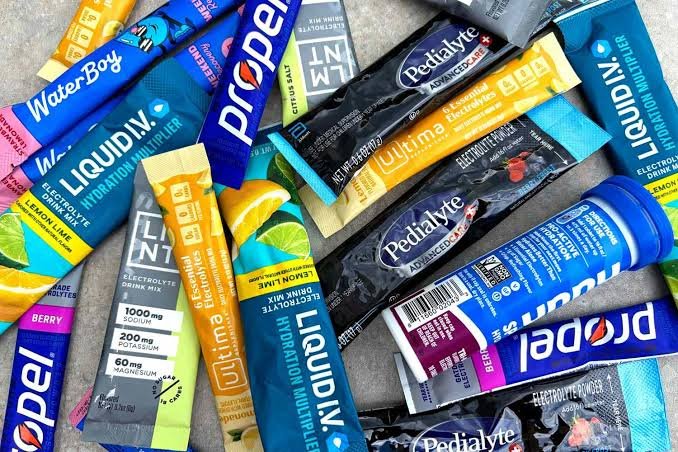
The short answer is yes, but not everyone needs them.
Electrolyte drinks can be particularly helpful after prolonged exercise, excessive sweating, or extended physical activity in hot weather. They can also help replace fluids and minerals lost during vomiting or diarrhea. However, oral rehydration solutions are more appropriate for illness-related dehydration.
For everyday hydration, though, plain water usually does the job. Most healthy people get sufficient electrolytes through their regular diets.
In other words, drinking an electrolyte supplement every morning won’t automatically improve your energy, skin, or overall health. More isn’t always better, either. Excessive sodium intake can affect blood pressure, while excessive potassium can be dangerous for certain people.
How Can You Get Electrolytes Naturally?
You don’t necessarily need expensive powders or colorful hydration packets. Everyday foods provide plenty of essential electrolytes.
Try incorporating potassium- and magnesium-rich foods into your daily meals. Bananas, avocados, and potatoes are excellent sources of potassium, while spinach and other leafy greens provide potassium, magnesium, and calcium. Yogurt and milk also contribute calcium and potassium, making them easy additions to breakfast or snacks.
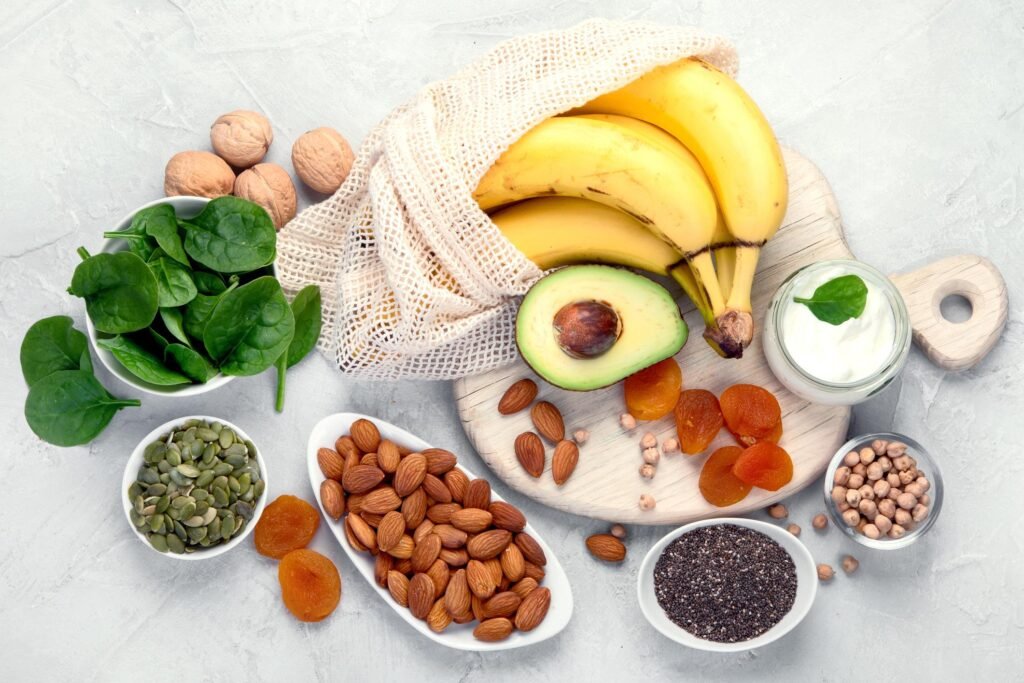
Nuts and seeds, particularly almonds and pumpkin seeds, offer a good amount of magnesium. Beans and lentils are also nutritious options, supplying both potassium and magnesium. For a refreshing drink, coconut water provides another source of potassium.