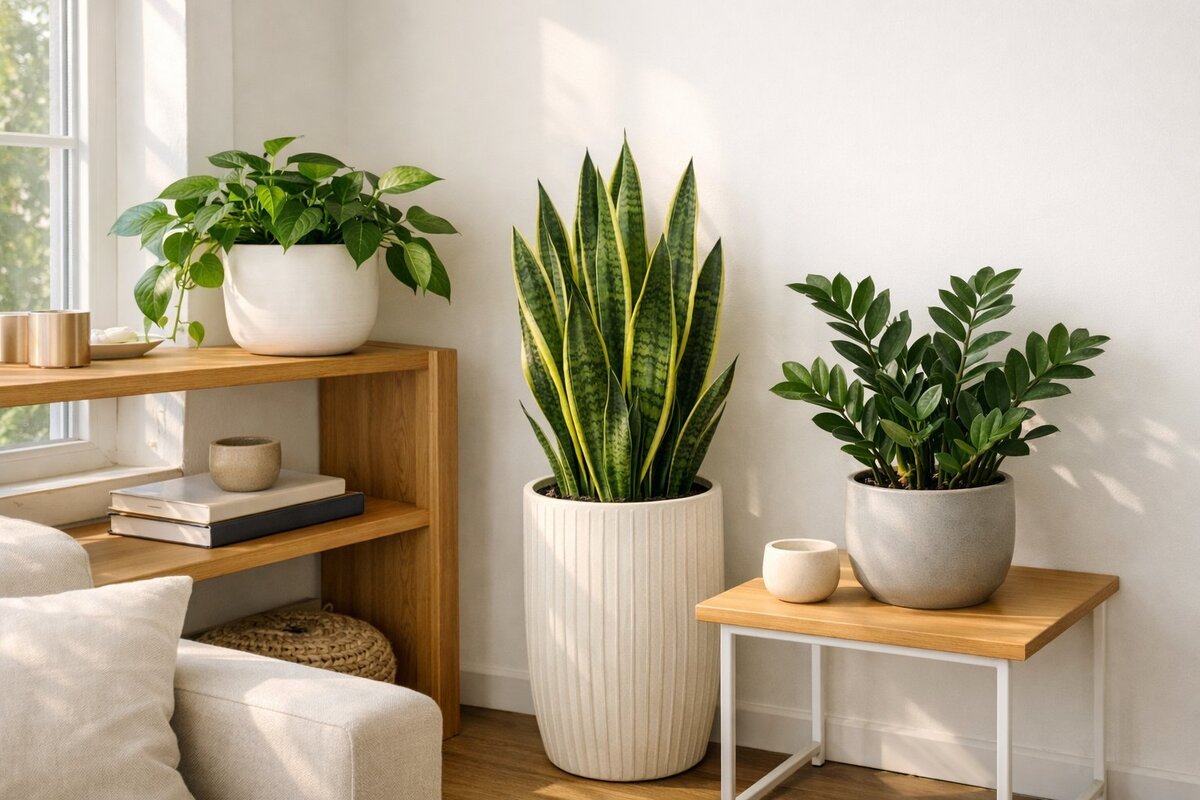

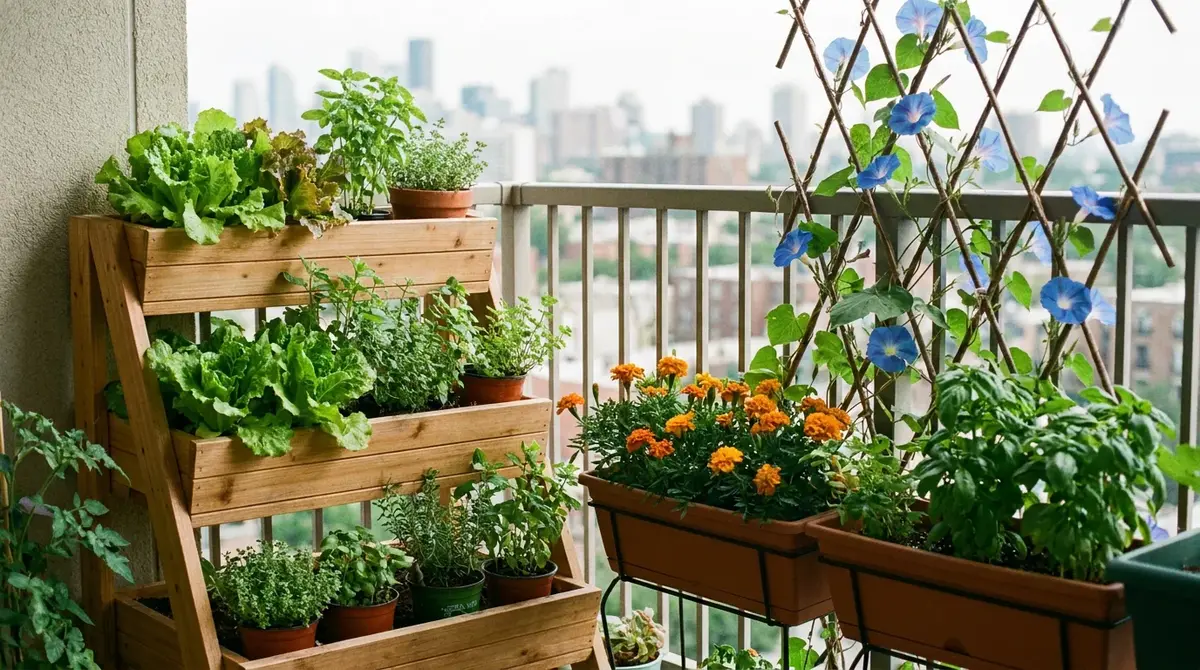
No garden? No problem. From a sunny balcony to a kitchen windowsill, a few pots can create an herb garden, adding greenery, and more flavor into your everyday cooking.
A handful of fresh basil can transform a simple pasta dish. Mint adds freshness to tea, while rosemary brings depth to roasted vegetables. Growing these ingredients at home makes them easier to enjoy, even without a traditional garden.
An urban herb garden doesn’t require much space or complicated equipment. A balcony, rooftop, windowsill, or small outdoor corner can provide enough room to grow several useful varieties. The secret lies in choosing suitable plants and understanding what each one needs.
For apartment living, container gardening offers a simple way to bring greenery closer to the kitchen. Here’s how to get started.
Start With the Right Herbs
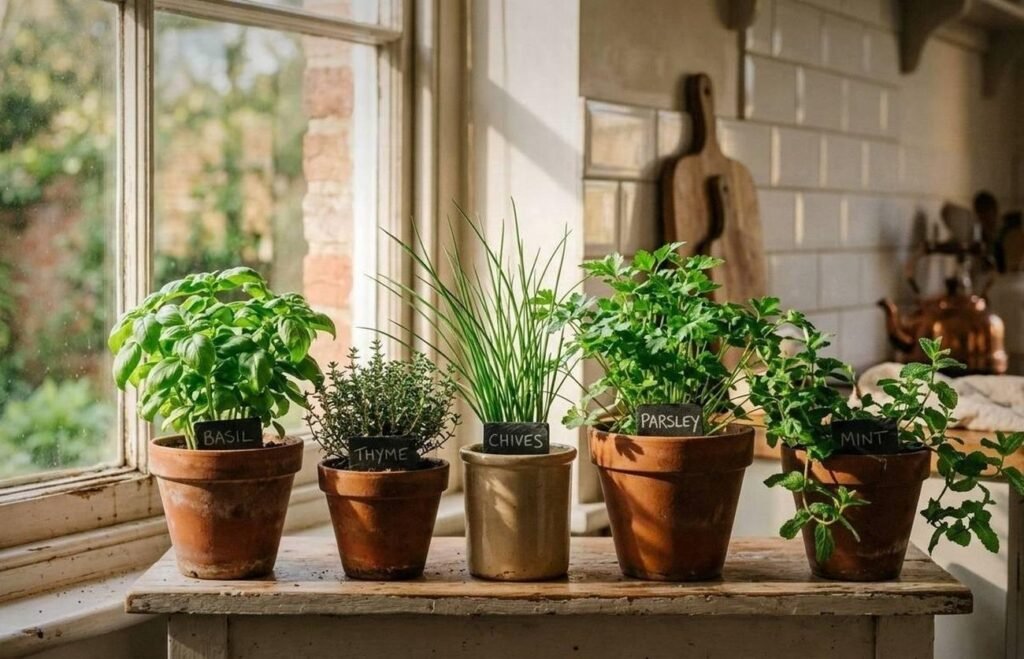
Begin with varieties that suit your cooking habits and available conditions. Basil, mint, parsley, rosemary, thyme, and oregano are all suitable options for container gardening.
Basil works particularly well for everyday cooking. Its leaves complement salads, pasta, sauces, and Mediterranean dishes. Mint is useful for tea, drinks, and salads, while parsley adds freshness to soups and dressings.
Rosemary and thyme offer a different growing experience. Both prefer well-drained soil and can tolerate drier conditions between watering. Their woody stems also make them useful longer-term additions to an herb collection.
However, avoid planting every variety together. Mint spreads aggressively, so give it a separate pot. Basil, parsley, and mint also prefer more consistent moisture than rosemary and thyme.
Find the Right Spot
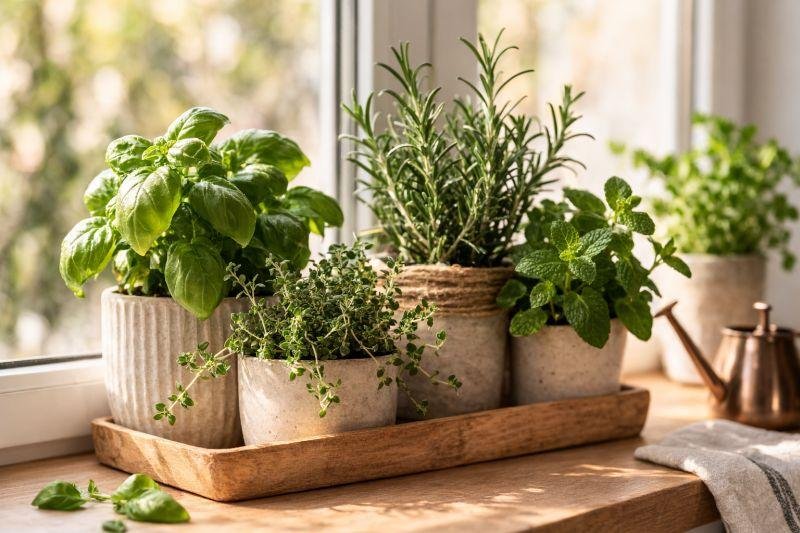
Most culinary herbs appreciate plenty of natural light. Aim for approximately four to six hours of sunlight daily, adjusting the position according to each plant’s needs.
A sunny balcony or windowsill often provides a good starting point. However, intense afternoon sunlight can stress plants in warmer climates.
In Cairo, experiment with morning sunlight and partial afternoon shade. Watch how your plants respond before settling on a permanent arrangement. If leaves develop dry, scorched edges, try moving the pots away from direct afternoon exposure.
Indoor gardens need particular attention. Place herbs near a bright window, preferably one receiving several hours of direct sunlight. If natural light remains limited, supplemental grow lights can help.
Choose Containers That Let Plants Breathe
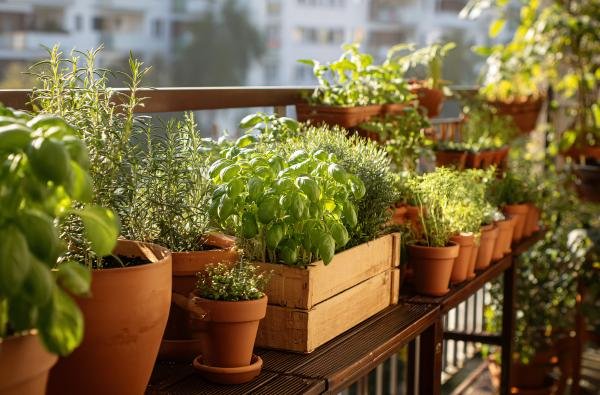
The right container makes a significant difference. Every pot needs drainage holes to prevent excess water from collecting around the roots.
Terracotta pots offer a practical option because their porous material allows moisture to evaporate. They work particularly well for rosemary, thyme, and other Mediterranean herbs.
Plastic and glazed containers retain moisture for longer. They can suit basil, parsley, and mint, especially in warmer conditions.
Choose pots with enough room for roots to develop. You can also use rectangular planters for several herbs, provided each plant has sufficient space.
Use a lightweight potting mix that drains well. Avoid compact garden soil, which can restrict drainage and airflow inside containers.
Build a Watering Routine
There isn’t one watering schedule that works for every herb. The right frequency depends on the plant, container material, weather, and location.
Check the soil with your finger before watering. If the surface begins to dry, assess the moisture below before adding more water.
Basil, parsley, and mint generally prefer more consistent moisture. Rosemary, thyme, and oregano prefer the soil to dry further between watering.
During particularly hot periods, containers may dry quickly. Check them more frequently, especially when exposed to direct sunlight.
Water the soil rather than soaking the leaves. Allow excess water to drain freely, and never leave pots sitting in standing water.
Harvest Regularly and Keep Growing
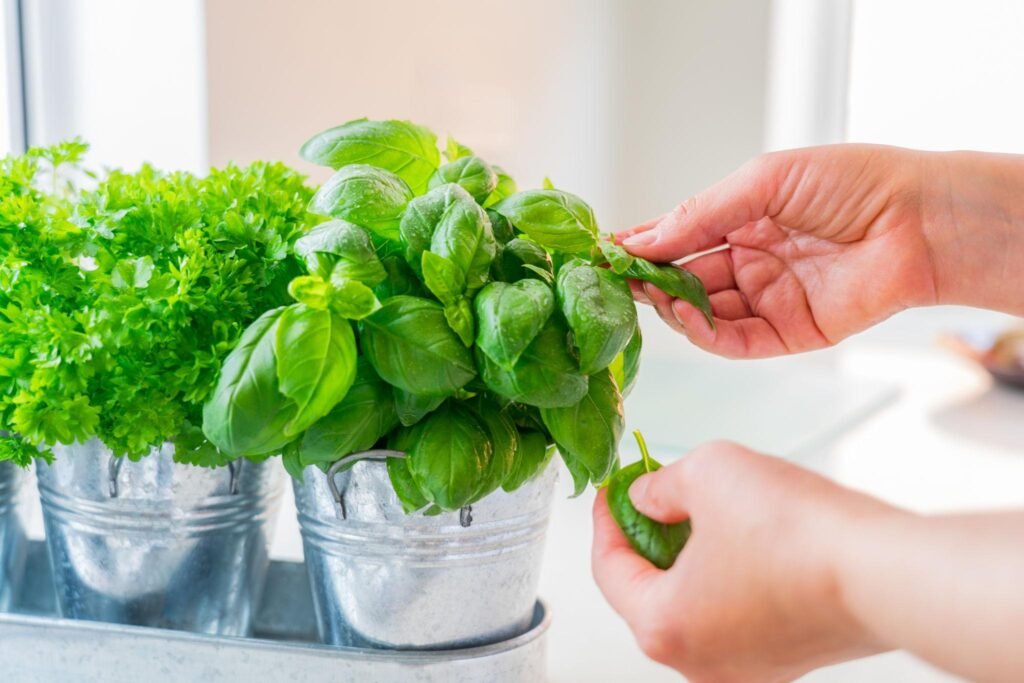
Regular harvesting encourages many herbs to produce fresh growth. Use clean scissors to remove leafy tips, cutting just above a pair of leaves.
With basil, pinch the growing tips to encourage a fuller plant. For mint, trim stems regularly to prevent excessive growth. With parsley, harvest the outer stems first.
Rosemary and thyme require lighter harvesting. Remove young shoots without cutting back too heavily, allowing the plants to maintain their structure.
Also, watch for flowering. For leafy varieties such as basil, removing flower buds can help maintain leaf production and flavour.
Make It Part of Your Kitchen
An urban herb garden becomes more rewarding when it connects directly with everyday cooking. Keep frequently used herbs within easy reach, and arrange pots according to their watering needs.
Start with three or four varieties rather than filling every available space. As you become familiar with their growth patterns, introduce additional plants and experiment with different combinations.
Fresh herbs can make everyday meals feel more considered. More importantly, growing them at home creates a small connection between the kitchen and the natural world.
You don’t need a garden to enjoy that experience. Sometimes, a few pots and a sunny corner are enough.