
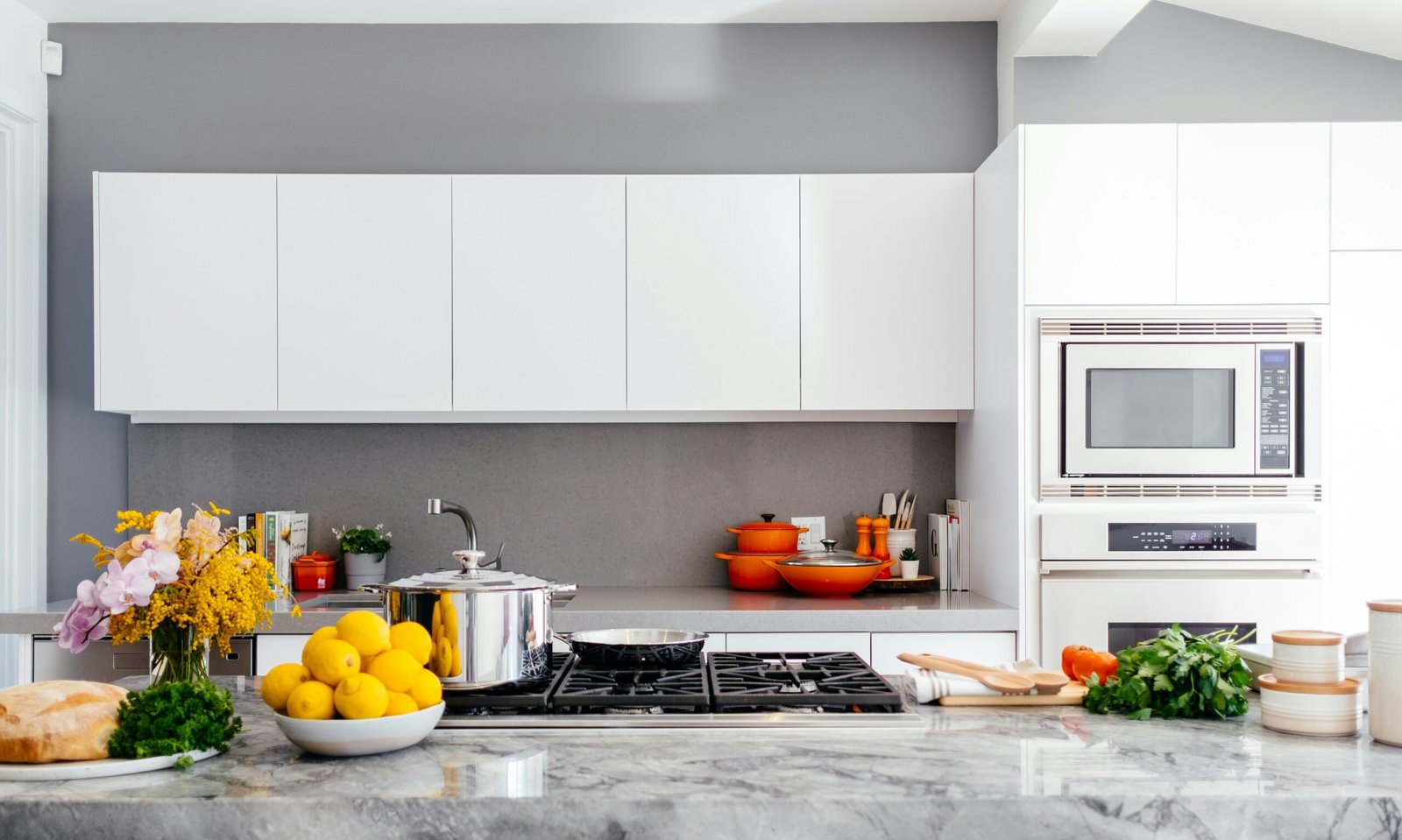
A well-organized kitchen can make everyday routines feel considerably easier. Finding the right pan, reaching for spices, or preparing breakfast shouldn’t involve searching through crowded cabinets.
The secret isn’t having more storage. It’s making better use of the space you already have. With a few practical adjustments, you can create a kitchen that supports your daily habits and makes cooking less stressful.
Whether you have a spacious kitchen or a small apartment setup, these seven simple tricks can help you save time every day.
1. Organize Your Kitchen Around Everyday Tasks
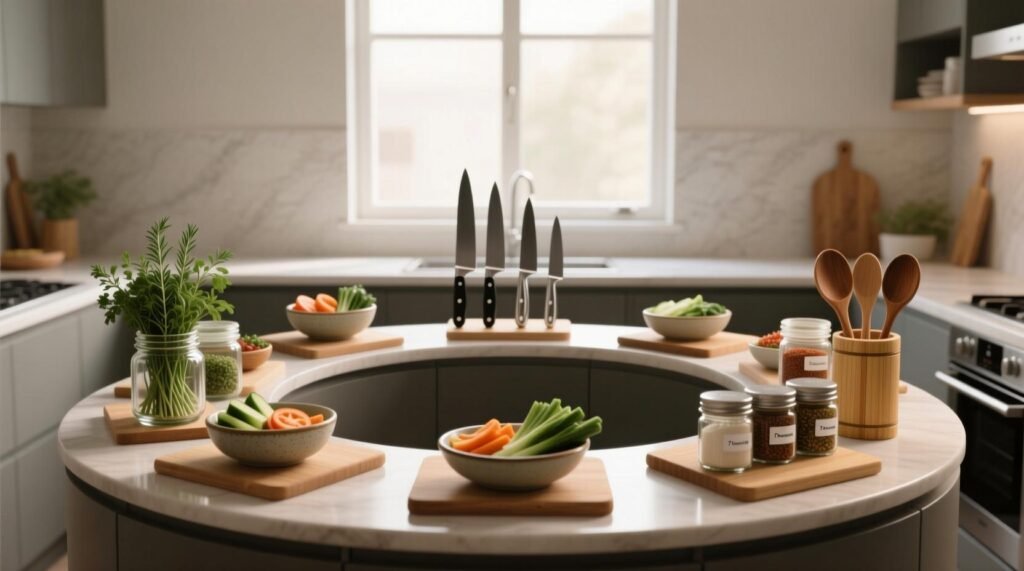
Instead of arranging everything by appearance, organize your kitchen according to how you use it. Creating designated zones keeps related items together and reduces unnecessary movement.
Start with a few basic areas:
- Preparation zone: Keep cutting boards, knives, mixing bowls, and measuring tools near your main countertop.
- Cooking zone: Store pots, pans, cooking utensils, oils, and frequently used spices near the stove.
- Cleaning zone: Keep dish soap, sponges, towels, and cleaning supplies close to the sink.
- Coffee and breakfast zone: Group mugs, coffee, tea, sugar, and breakfast essentials together.
This approach makes everyday tasks more intuitive. Instead of walking across the kitchen to find something, you have everything you need within reach.
2. Give Your Drawers a Clear Purpose
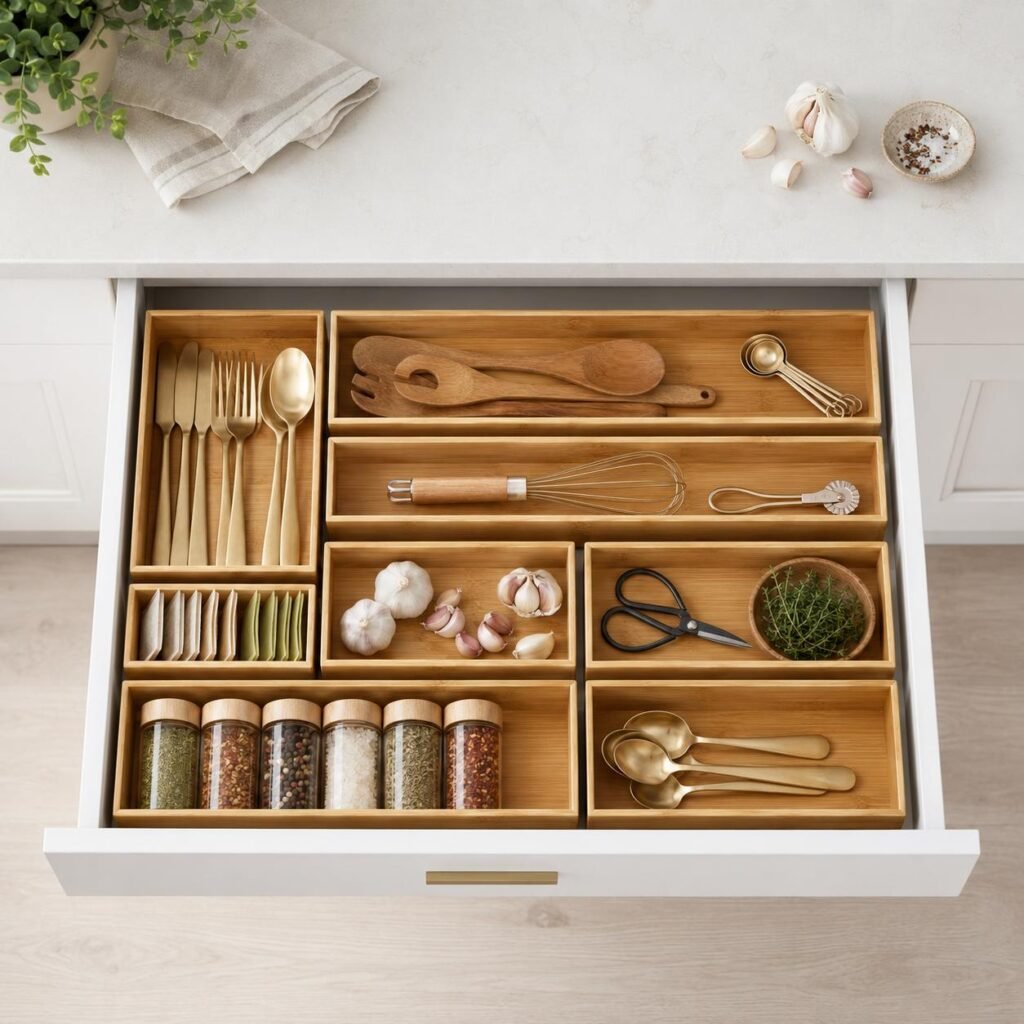
Kitchen drawers can quickly become crowded with utensils, gadgets, and miscellaneous items. Drawer dividers offer a simple way to bring everything under control.
Separate cooking utensils, cutlery, measuring spoons, and smaller tools into individual sections. Keep the items you use most frequently in the easiest drawers to access.
You can also dedicate one drawer to less frequently used essentials. However, avoid turning it into a place for unrelated household items.
For deeper drawers, adjustable organizers can help separate larger utensils and kitchen accessories. The goal is to make everything visible without having to move several items to find one.
3. Make Use of Vertical Storage
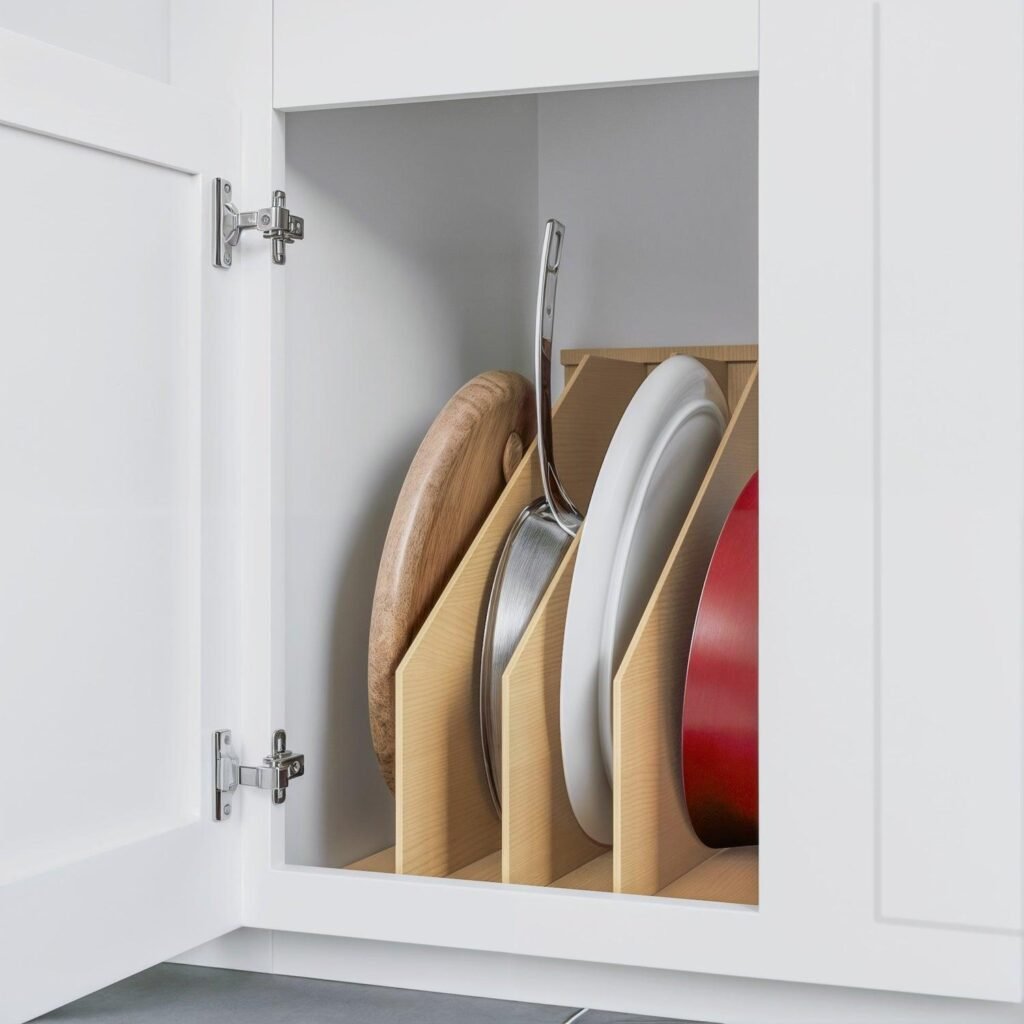
When cabinet space is limited, look beyond the shelves. Vertical storage can create additional room without requiring new cabinetry.
Shelf risers help you use the space above plates, bowls, and cups. Pot racks and vertical dividers keep baking trays, cutting boards, and pan lids upright rather than stacked.
You can also use wall-mounted rails and hooks for frequently used utensils. This keeps essential tools accessible while freeing up valuable drawer and countertop space.
For smaller kitchens, the inside of cabinet doors can offer additional storage. Slim racks work well for measuring spoons, pot lids, and lightweight accessories, provided they don’t interfere with closing the doors.
4. Turn Your Pantry into an Easy-to-Read System
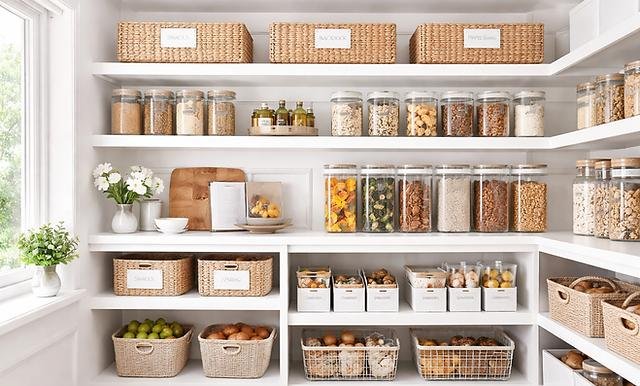
A crowded pantry makes it difficult to see what you already have. Organizing food by category helps you find ingredients faster and avoid buying duplicates.
Group similar products together, such as:
- Pasta, rice, and grains
- Baking ingredients
- Breakfast essentials
- Snacks and cereals
- Canned goods and sauces
- Spices, herbs, and seasonings
Clear containers can help you identify dry ingredients quickly, while baskets make smaller packages easier to manage.
Labels are particularly useful when several ingredients look similar. Include the product name and, where practical, its opening date or expiry information.
Finally, place older products toward the front and newer purchases behind them. This simple habit encourages you to use what you already have before opening another package.
5. Keep Your Countertops Clear
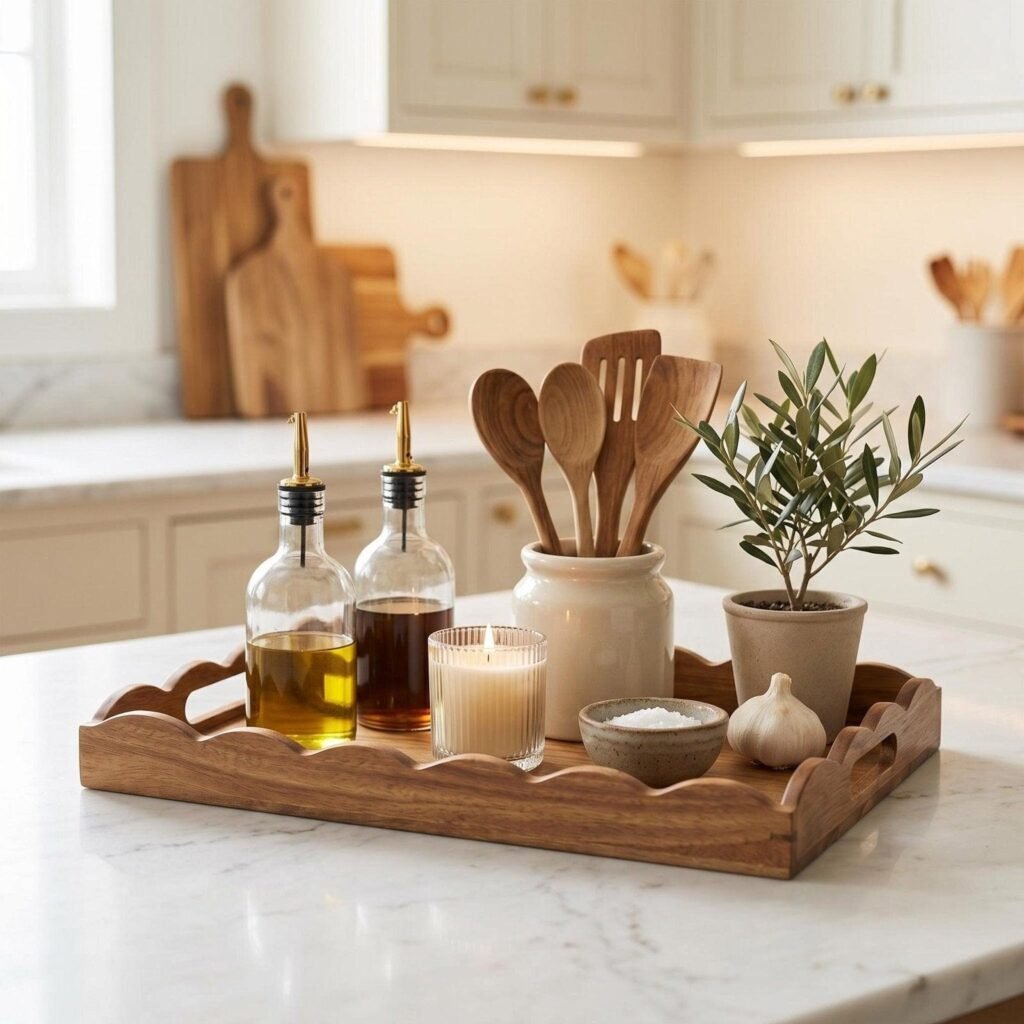
Countertops are among the most important working surfaces in a kitchen. When they’re covered with appliances, packaging, and miscellaneous items, meal preparation becomes more difficult.
Start by removing anything you don’t use regularly. Store occasional-use appliances in cabinets and keep only everyday essentials within reach.
A small tray can group frequently used items such as olive oil, salt, pepper, and cooking utensils. It creates a designated spot and makes cleaning the surface easier.
You can also create a dedicated coffee station with your coffee machine, mugs, and supplies. This keeps morning essentials together without spreading them across the kitchen.
The aim isn’t to make the countertop completely empty. It’s to preserve enough clear space for preparing meals comfortably.
6. Arrange Your Refrigerator for Easier Meal Preparation
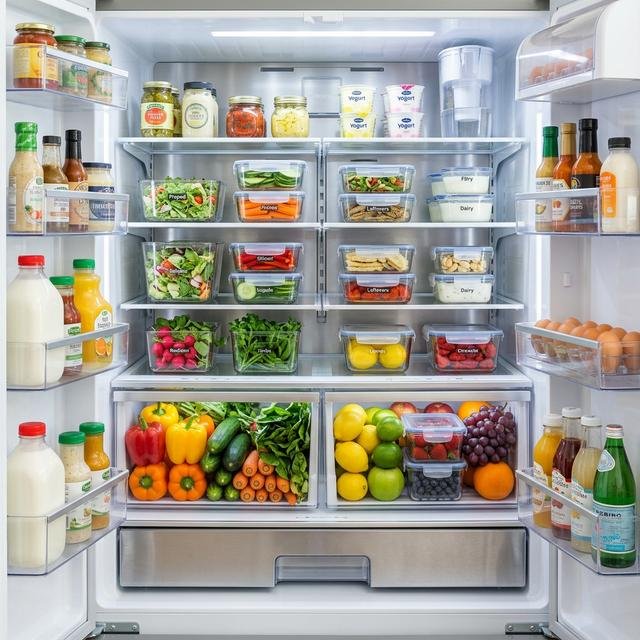
A well-organized refrigerator helps you see what you have and makes everyday cooking more efficient. It can also reduce unnecessary food waste.
Group similar ingredients together using designated shelves or clear storage bins. Keep ready-to-eat foods separate from raw ingredients, and store raw meat and seafood in leak-proof containers on the lowest shelf to prevent drips.
Use a simple first-in, first-out system. Place older products toward the front so you remember to use them before newer purchases.
It’s also worth keeping a small section for ingredients that need to be used soon. Leftover vegetables, opened sauces, and prepared ingredients can go there, making them easier to incorporate into your next meal.
Remember to keep the refrigerator at or below 4°C (40°F), and avoid overcrowding it so cold air can circulate.
7. Finish Each Day with a Five-Minute Kitchen Reset
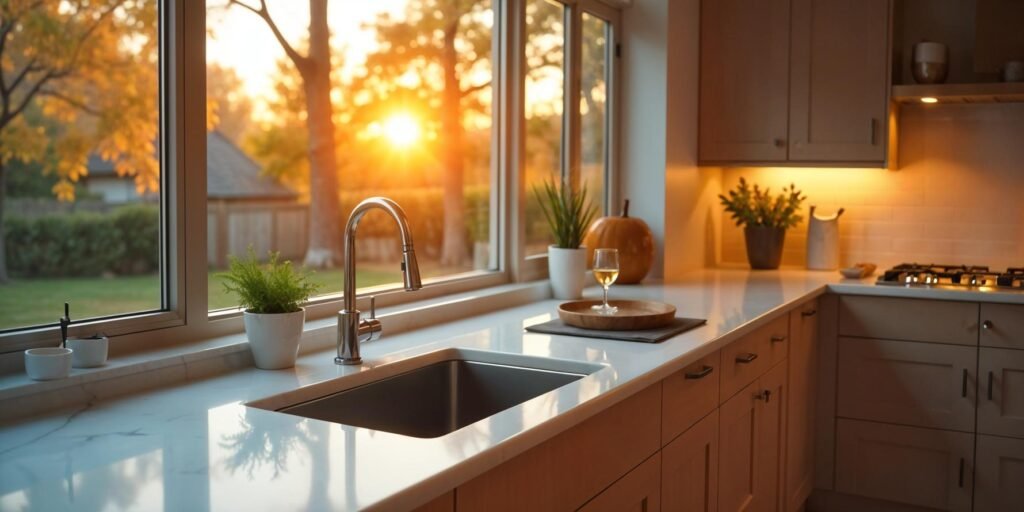
Even the most organized kitchen needs regular maintenance. A short evening reset can prevent small messes from turning into a larger task.
Before finishing your day, return utensils to their designated drawers, put ingredients away, wipe countertops, and clear the sink.
Check whether anything needs to be refrigerated and move frequently used items back to their proper places. You can also prepare a few breakfast essentials for the following morning.
This doesn’t need to become a lengthy cleaning routine. Five minutes of consistent effort can make the next morning feel considerably more calm and manageable.
A Kitchen That Works with Your Routine
An organized kitchen isn’t defined by matching containers or perfectly styled shelves. It’s about creating a space where everyday tasks feel easier.
Start with one drawer, one cabinet, or one countertop. Introduce a few systems that suit your habits, then build on them gradually.
The best organization is the kind you can maintain without thinking about it. When everything has a place, you spend less time searching and more time enjoying the moments that happen around the kitchen.