
Somewhere between rushing to work, answering endless notifications, chasing deadlines, and trying to keep up with everyone else, we forgot what it feels like to simply exist. Every day seems to come with another list of things to accomplish. Even our downtime somehow turns into another opportunity to be productive. And lately, more people seem to be asking themselves one question: What if life didn’t have to feel this exhausting?
Enter slow living, a lifestyle movement that is gaining attention as people reconsider their relationship with time, work, and everyday life. From romanticizing quiet countryside homes to embracing screen-free mornings, the appeal is becoming difficult to ignore. Perhaps we are finally realizing that being constantly busy isn’t the same as having a fulfilling life.
We’ve Been Running On Empty For Too Long

For years, being busy has almost felt like a personality trait. Working late, juggling multiple responsibilities, maintaining an active social life, and constantly setting new goals have become familiar signs of ambition. Somewhere along the way, however, we started confusing exhaustion with accomplishment.
The pressure begins surprisingly early. Many people have spent their twenties worrying about careers, financial stability, relationships, appearances, and the feeling of falling behind. Before having the chance to figure themselves out, they are already expected to have everything figured out.
Add constant notifications, social media comparisons, and the pressure to stay informed, and the mental load becomes even heavier. There is always something happening somewhere. Someone is achieving something, traveling somewhere, launching something, or seemingly living their best life.
It’s little wonder that people are beginning to crave less noise. The growing conversation around burnout and hustle culture reflects a desire to stop measuring life through productivity alone.
The Dream Of A Quieter Life Is Getting Stronger

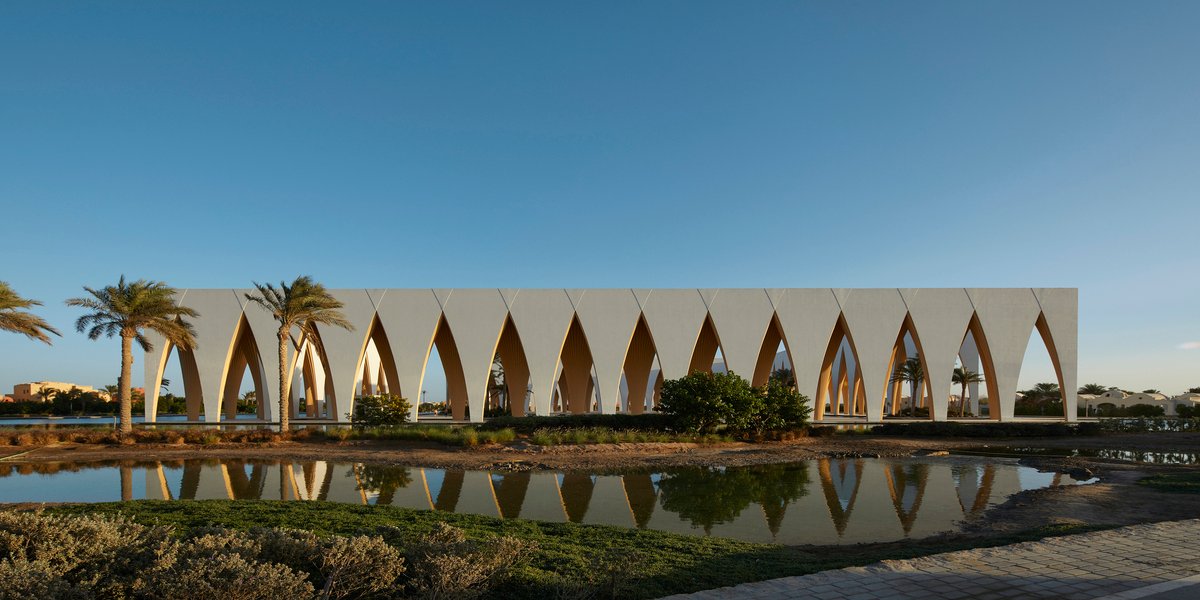
Have you noticed how appealing a little house outside the city suddenly sounds? A garden, a slower morning, fresh air, and perhaps a kitchen overlooking a beautiful landscape. No endless traffic, no crowded streets, and no feeling that you’re already late before the day begins.
This fantasy has become a familiar part of the slow-living conversation. For some, it means moving somewhere quieter. For others, it simply means spending weekends away from town or making their homes feel more peaceful.
There is something deeply comforting about imagining a life with fewer demands. Instead of filling every weekend with plans, people want afternoons without schedules. Instead of constantly checking their phones, they want conversations that don’t compete with notifications.
Of course, not everyone can pack their bags and move to the countryside. But perhaps the real appeal isn’t geography. It’s the freedom to live without feeling permanently rushed.
Slow Mornings, A Happier Way To Begin

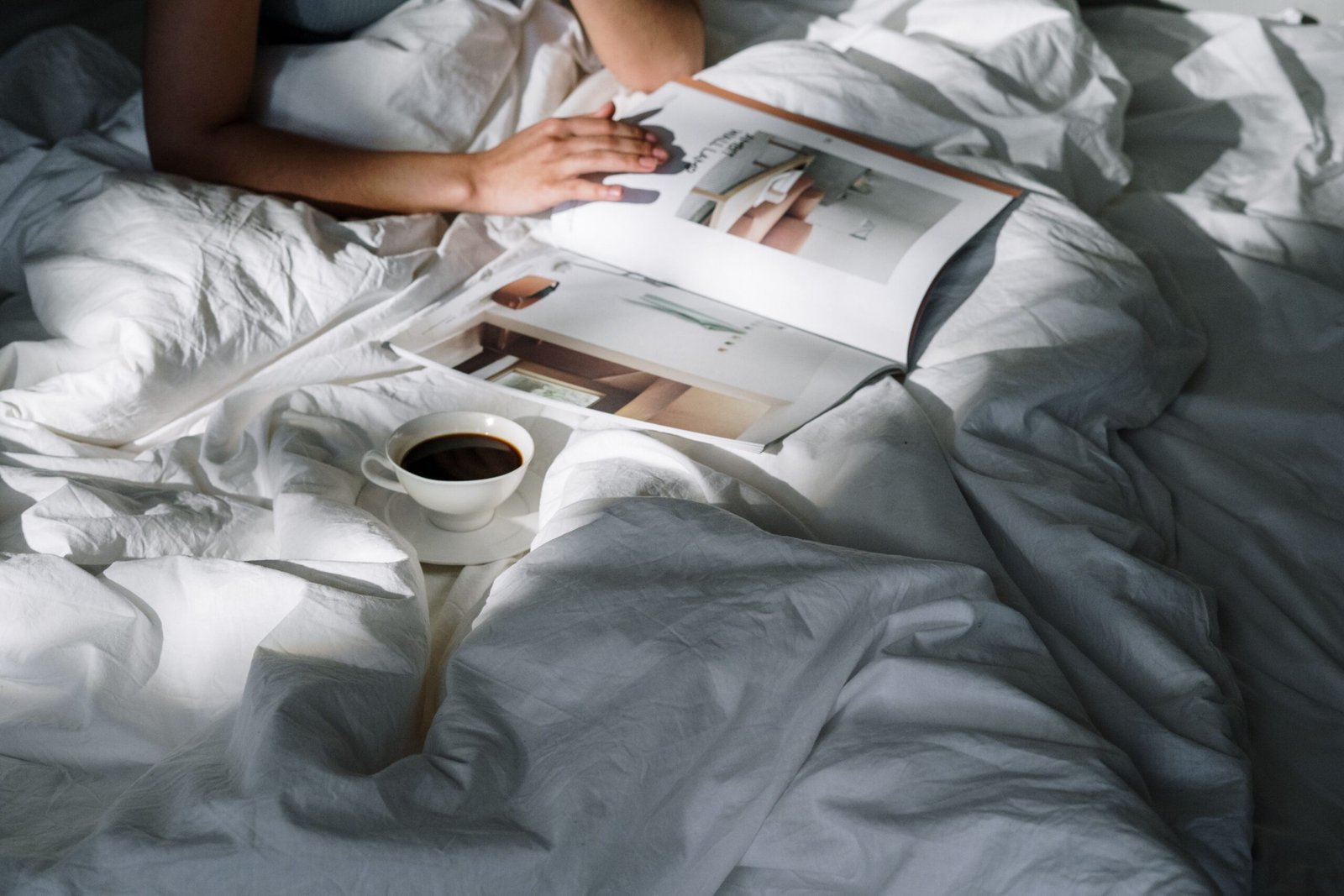
One of the most romanticized parts of slow living is the slow morning. Think waking up without immediately reaching for your phone, making coffee, opening the windows, and enjoying breakfast without watching the clock.
It might sound like a small change, but how we begin our mornings can influence how we experience the rest of the day. Starting with constant notifications, urgent messages, and a mental checklist can make the day feel demanding before it even starts.
On the other hand, allowing ourselves a little quiet time creates room to settle into the day. Relaxation practices, including mindful breathing, can help activate the body’s natural relaxation response. This can slow the heart rate and reduce some of the physical effects of stress.
The point isn’t to turn every morning into an elaborate wellness ritual. You don’t need a perfectly styled breakfast table, an expensive coffee machine, or a two-hour morning routine. Sometimes, sitting by the window with your favorite drink is enough.
Maybe We Don’t Want More. Maybe We Want Less.
Perhaps the most interesting part of the slow-living movement is how it challenges the idea that happiness always comes from adding more. More achievements, more possessions, more experiences, and more commitments.
Increasingly, the appeal lies in simplifying things. People want fewer obligations, more meaningful relationships, and enough time to enjoy the little things. They want to read a book without feeling guilty, cook dinner without rushing, and spend an entire afternoon doing absolutely nothing.
Slow living doesn’t mean abandoning ambition or pretending responsibilities don’t exist. It’s about finding a healthier relationship with both. You can have career goals and still value your evenings. You can love traveling and still dream of staying home. You can be ambitious without making exhaustion your everyday companion.
Maybe we’ve spent so much time trying to keep up that we’ve forgotten to ask whether we even like the pace we’re living at.
And perhaps that’s why the idea of a slower life feels so appealing right now. We’re not necessarily dreaming of doing nothing. We’re dreaming of having enough time to actually enjoy doing something.
After all, life is happening outside our to-do lists, too.