

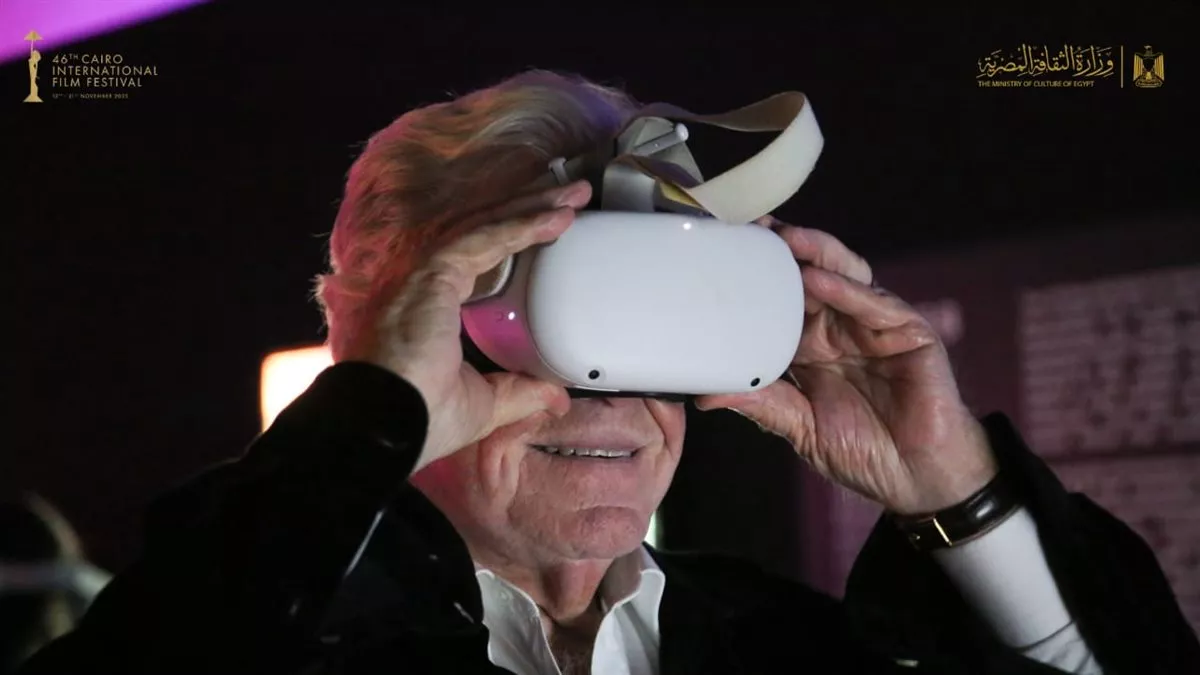
As its 47th edition explores immersive storytelling, children’s cinema, and emerging talent, Cairo International Film Festival is expanding what the cinematic experience can be.
Cinema has traditionally brought audiences together in front of a shared screen. But as storytelling evolves, the boundaries of that experience are changing. At the 47th Cairo International Film Festival (CIFF), this shift extends beyond new technologies. It reaches younger audiences, emerging filmmakers, and different ways of experiencing stories.
Running from November 11 to 20, 2026, the festival marks 50 years since its establishment in 1976. Its program features 145 films from 64 countries. Yet several of this year’s developments point towards a broader ambition: positioning cinema as an experience that audiences can enter, participate in, and help shape.
When the Audience Enters the Story
The clearest example is Cairo’s XR, the festival’s dedicated extended reality program. Returning for its second edition, the section brings together seven immersive works across virtual reality, augmented reality, mixed reality, and interactive media.
The program moves beyond conventional film viewing by placing audiences inside cinematic environments. Instead of following a story exclusively through a fixed frame, participants can explore spaces and interact with elements of the experience.

Among the Egyptian selections, Untold Buried Recollections: 8 Montazah Street by UBR Studio offers a particularly local point of entry. Set between 1966 and 2026, the experience takes place inside an apartment in Zamalek. Its story follows a physicist who believes he has created a machine capable of making matter reveal its memories. In the present, four participants enter the apartment and uncover the family’s final days through a shared interactive experience.
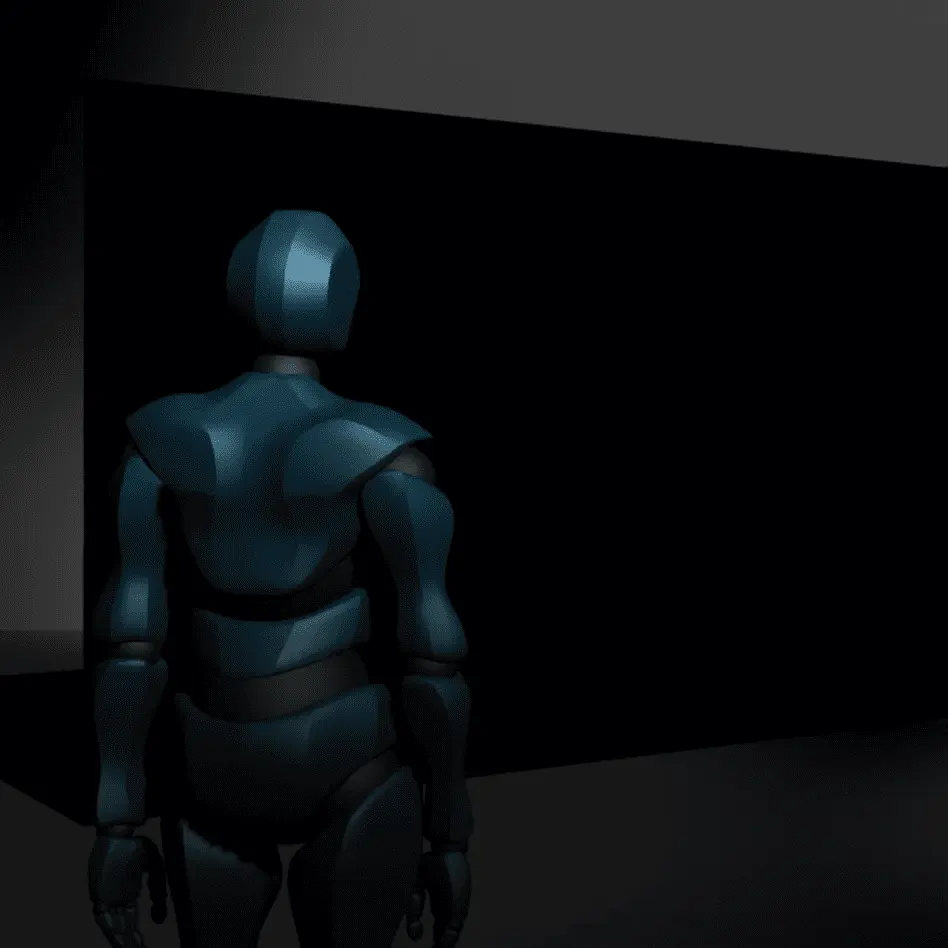
Another Egyptian work, Human.ID by Mohamed El Araby, examines identity in the age of digital surveillance. It considers how online interactions become data, while algorithms increasingly shape how individuals are perceived and understood.
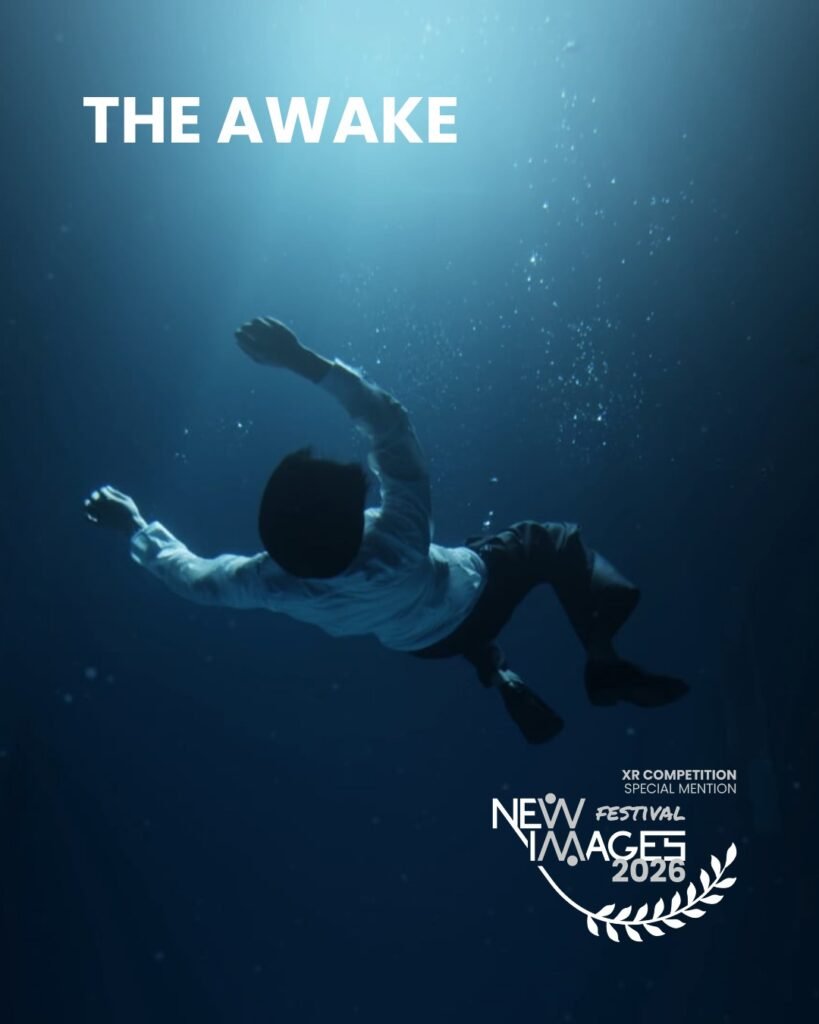
The international selection broadens the program’s subjects. The Awake, by Taiwanese creators Hsiao-Ting Hsieh and Hsiao-Wei Hsieh, explores the experiences of people living with advanced ALS. Meanwhile, Murmuration, directed by Patricia Bergeron, draws on the experiences of young migrants who arrived in Sicily.
Together, these works demonstrate how immersive technology can serve different kinds of storytelling. The technology becomes a way to explore memory, identity, migration, and human connection rather than simply a visual attraction.
A New Generation of Cinema Audiences
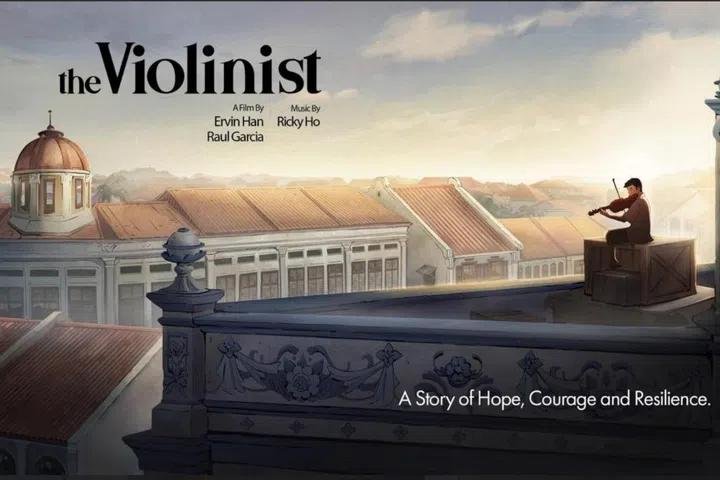
The festival is also expanding its relationship with younger viewers through Cairo Kids, a dedicated section introduced in this edition.
Its program includes 11 films, bringing together animation, short films, and features from different countries. Titles include Shuntaro Uchida’s Japanese drama Incinerator, Rima Das’s Not a Hero, and the animated feature The Violinist, co-directed by Ervin Han and Raúl García. The selection also includes Fleak, which receives its Egyptian premiere.
The section recognizes children and young people as audiences in their own right. It also addresses a wider gap in cinema programing: the need for dedicated theatrical experiences that introduce younger viewers to filmmaking beyond mainstream commercial releases.
This expansion is significant for a festival with an established international profile. Building an audience for cinema requires more than presenting strong films. It also means creating opportunities for different generations to discover the medium.
Taking the Festival Across Cairo
The changing experience extends beyond the screen and into the city itself. This year, Zawya Cinema and El Tahrir Cinema join the festival’s existing screening network, taking CIFF beyond its main headquarters at the Cairo Opera House and its established venues.
The expanded network gives audiences additional ways to engage with the program. It also connects the festival with Cairo’s wider independent and cultural cinema landscape.
This shift matters because accessibility involves more than ticket availability. Where films are screened can influence who attends, how audiences move through the city, and whether a major cultural event feels open to different communities.
Opening the Industry to New Voices
Behind these changes lies another important question: who gets the opportunity to make cinema?
The second edition of New Wave, developed with the Drosos Foundation and supported by the British Council, selected 100 emerging filmmakers and cinema enthusiasts from more than 850 applications. Seventy participants came from outside Cairo, representing 23 Egyptian governorates. Women account for 55 percent of the selected group.
The six-day program combines screenings, workshops, specialized training, and professional meetings. It aims to connect emerging talent with industry figures while addressing geographical and financial barriers to participation.
Cairo Industry Days adds another layer to this effort. Running from November 14 to 19, its initiatives include From Book to Screen, which connects ten publishing houses with filmmakers and producers. The initiative aims to identify literary works with potential for screen adaptation.
Meanwhile, Cairo Film Connection selected 16 projects from 193 submissions and introduced a dedicated mentoring program for participating filmmakers.
These initiatives extend the festival’s influence beyond its ten-day public program. They create opportunities to develop projects, build professional relationships, and connect stories with the people who can bring them to the screen.
Looking Forward Without Losing the Past
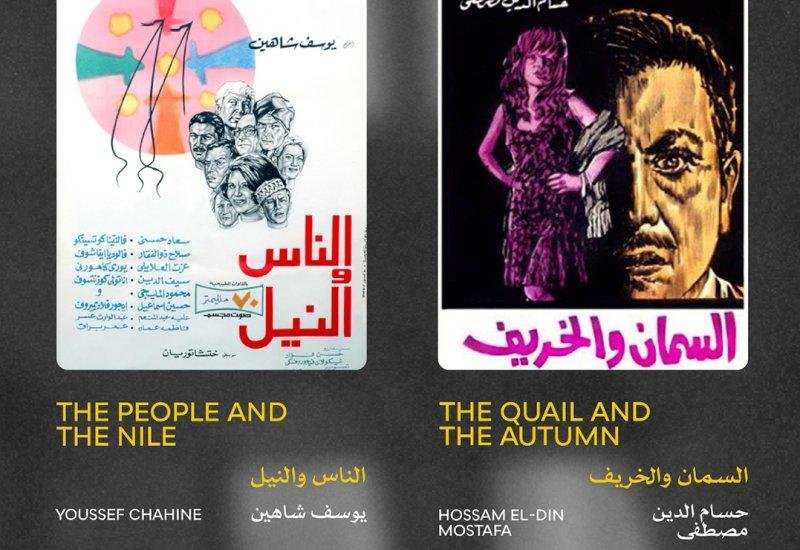
The festival’s exploration of new formats takes place alongside a renewed attention to Egyptian cinema’s history. Its Restored Egyptian Classics program lists 29 films, bringing works by filmmakers such as Youssef Chahine, Salah Abu Seif, Kamal El Sheikh, and Fatin Abdel Wahab back to audiences.
This balance gives the anniversary edition a wider perspective. It places technological experimentation and emerging filmmakers alongside the preservation of the cinema that shaped earlier generations.
Ultimately, cinema beyond the traditional screen does not mean abandoning the theatrical experience. It means recognizing that storytelling can take different forms, reach different audiences, and emerge from more diverse creative communities.
As Cairo’s International Film Festival marks five decades, its latest initiatives suggest that the future of cinema will depend not only on what audiences watch, but also on how they experience stories and who gets to tell them.