

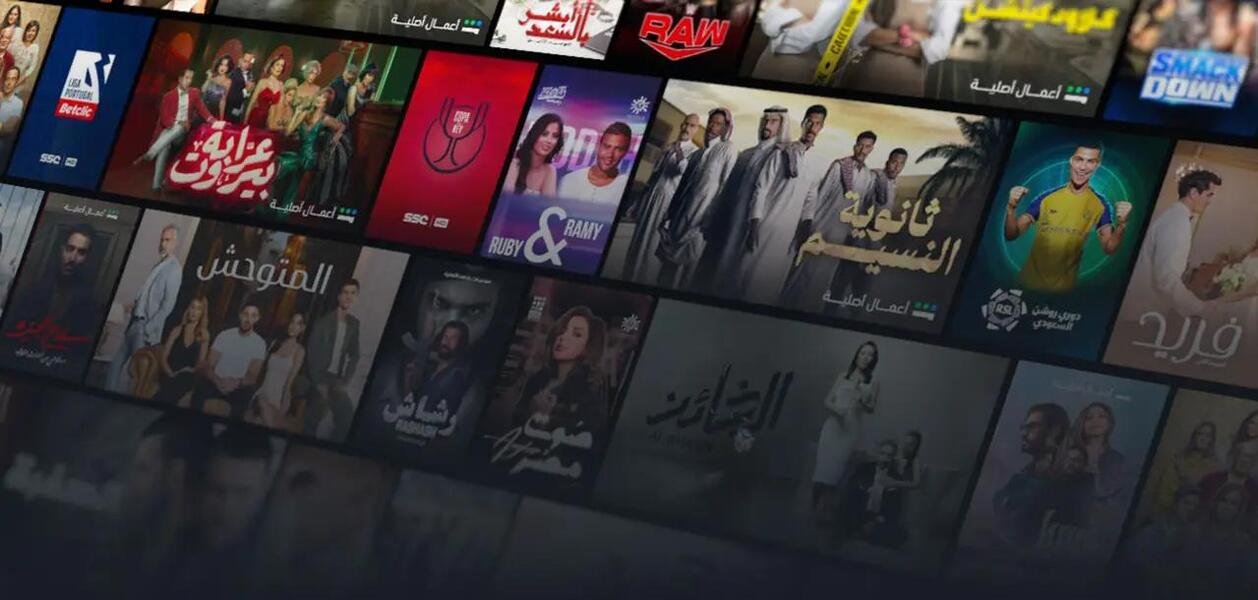
From commissioning Arabic originals to experimenting with vertical storytelling, regional streaming platforms are reshaping how audiences watch—and how the industry creates—entertainment.
The Arab entertainment landscape is entering a new phase. Streaming platforms no longer compete solely through the films and series they offer. They increasingly shape what gets produced, how stories reach audiences, and which formats define the next viewing habit.
Across the region, platforms such as Shahid, WATCH IT, OSN+, and TOD by beIN are developing distinct approaches. Some invest heavily in original productions. Others combine international libraries with regional programming, live television, and sports. Meanwhile, newer formats are challenging the traditional episode structure.
Together, these developments point to a broader shift: the regional streaming industry is becoming an active force in the production and evolution of Arabic entertainment.
From Distribution to Production
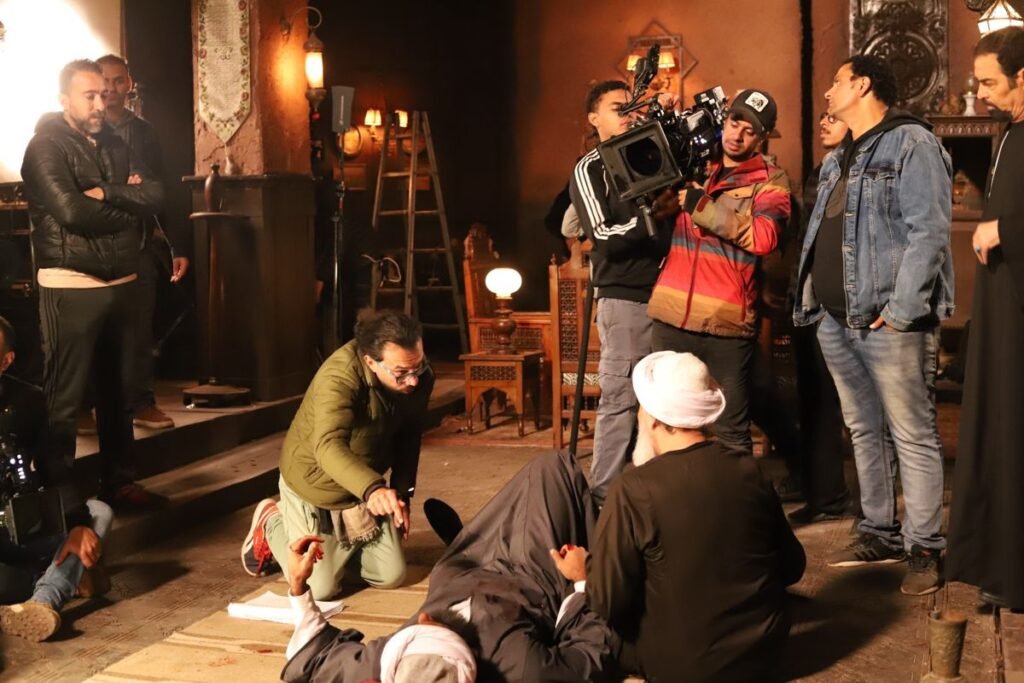
One of the most significant changes is the growing influence of streaming platforms over content development. Rather than simply acquiring completed productions, platforms increasingly commission and invest in original stories.
Shahid offers a clear example. MBC Group reported that the platform generated SAR 1.18 billion in revenue during the first nine months of 2026, marking a 15.9% increase year-on-year. Its subscription revenue grew by 20.2%, while the platform recorded a net profit of SAR 57.3 million.
Original productions also played an important role in audience acquisition. MBC reported that Shahid Originals accounted for approximately 18% of the platform’s first watchers during the third quarter. The platform released ten originals during the first nine months of the year.
These figures demonstrate how original content has become more than a programming decision. It is now central to a platform’s commercial identity and ability to attract subscribers.
For producers and creative talent, this creates additional opportunities beyond traditional television commissioning. However, it also places greater importance on platform strategies, audience performance, and the commercial value of individual productions.
The Format Is Changing Too
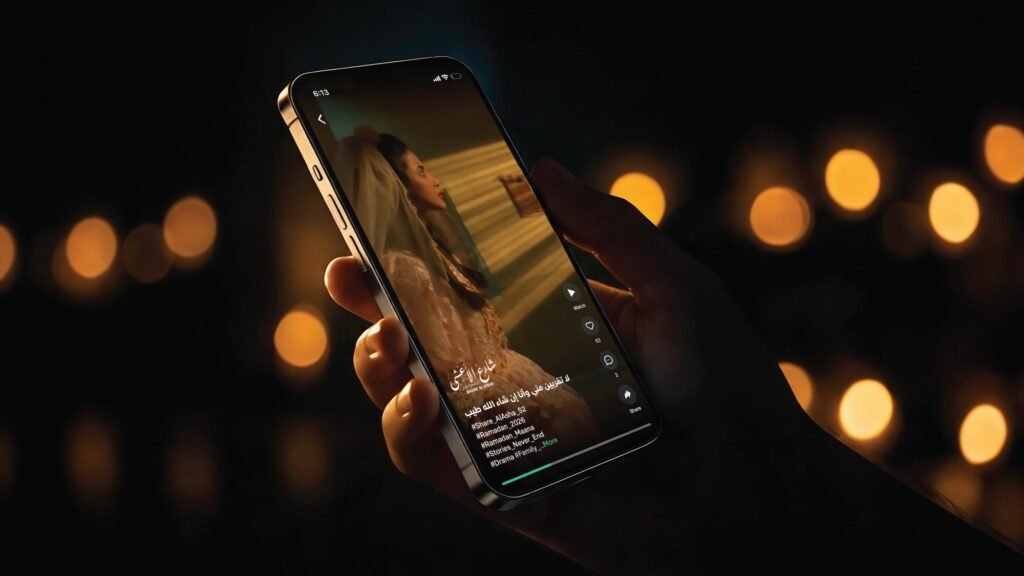
The transformation extends beyond what audiences watch to how they watch it. Short-form storytelling is gaining ground, encouraging platforms to explore formats that respond to mobile-first viewing habits.
In Egypt, WATCH IT introduced its Mini-Dramas feature in 2026. The format includes vertical series built around approximately 60 episodes, each lasting under two minutes. Its early titles include Ibn El Sherka and Qalb Maftouh, which entered the platform’s most-watched rankings.
The move reflects a wider shift in digital entertainment. Audiences increasingly encounter stories through short-form video, making vertical storytelling a natural area for streaming services to explore.
However, micro-dramas are not simply conventional television episodes made shorter. Their pacing, structure, and cliffhangers serve a different viewing experience. Each instalment must capture attention quickly while encouraging viewers to continue.
By introducing this format within an existing subscription service, WATCH IT also avoids requiring audiences to download another app or purchase another subscription.
The development of specialist services adds another dimension. Shofha, for example, has expanded its vertical scripted-content offering across 15 Arab markets. Its approach includes cross-border productions, suggesting that the format could create new opportunities for collaboration between regional creative markets.
More Than One Streaming Model
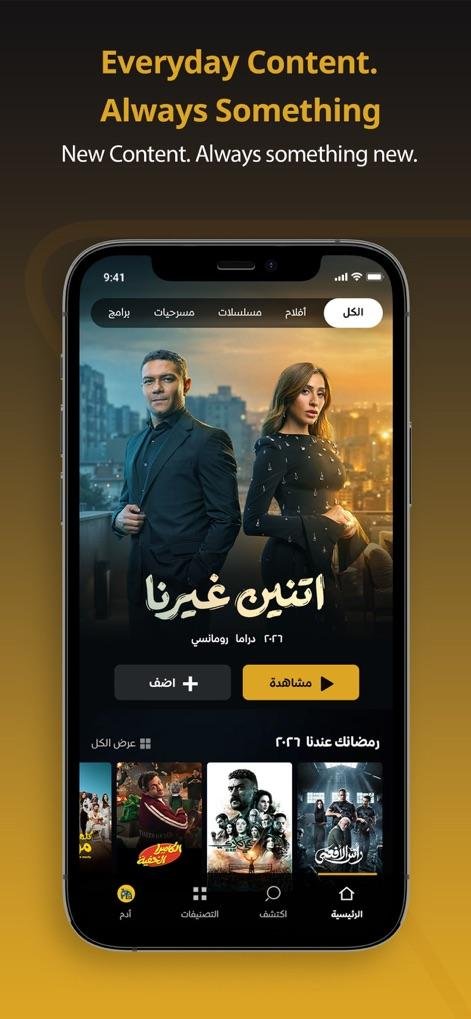
Not every platform is following the same strategy. Regional services are increasingly differentiating themselves through combinations of local storytelling, international programming, live content, and partnerships.
OSN+ illustrates this hybrid approach. Alongside its premium international catalogue, the platform continues to develop Arabic and Turkish programming. It also introduced twelve live television channels for paid subscribers in 2026.
Its bundled offering with Shahid and Disney, launched in late 2025, reflects another emerging direction. Instead of competing exclusively for individual subscriptions, streaming services are exploring partnerships that bring multiple content libraries together.
TOD by beIN follows a different proposition. Following its 2026 rebrand, the platform is positioning itself around both sports and entertainment. Its offering combines live sports coverage with Arabic, Turkish, and international productions.
These approaches show that streaming is not necessarily replacing traditional television. Instead, platforms are bringing together elements of broadcast, subscription entertainment, live programming, and digital distribution.
What Comes Next for Arabic Entertainment?
The expansion of regional streaming platforms creates new opportunities for the Arab entertainment industry. It can open additional distribution routes, encourage original productions, and connect audiences across different markets.
It also changes the competitive landscape for producers. Content must now compete within increasingly crowded libraries, where visibility and discovery can influence a production’s success. Platforms consequently have greater influence over which stories receive investment and continued exposure.
Yet growth does not automatically guarantee a sustainable industry. Subscription revenue, advertising demand, production costs, and audience retention remain important pressures. Micro-drama, in particular, is still developing its commercial model across the region.
The next stage will depend on whether platforms can turn experimentation into lasting value. That means supporting distinctive storytelling, building sustainable relationships with producers, and reaching audiences beyond familiar viewing habits.
The new Arab screen is not defined by a single platform or format. It is taking shape through a growing ecosystem of regional services, original productions, and changing audience expectations.
The question is no longer whether Arabic entertainment belongs on streaming platforms. It is how much influence those platforms will have over the stories the region tells next.