
There was a time when answering a phone call came with a little performance. You flipped it open, took the call, and snapped it shut when you were done. It was simple, satisfying, and undeniably cool. Now, decades later, that familiar motion is having another moment. And apparently, we’re all ready to fold again.
From Samsung‘s Galaxy Z Fold and Z Flip lineup to Apple‘s newly introduced iPhone Duo, foldable phones are back in the spotlight. But this isn’t just another technology trend. It’s a little bit of nostalgia, a little bit of innovation, and a whole lot of Y2K energy.
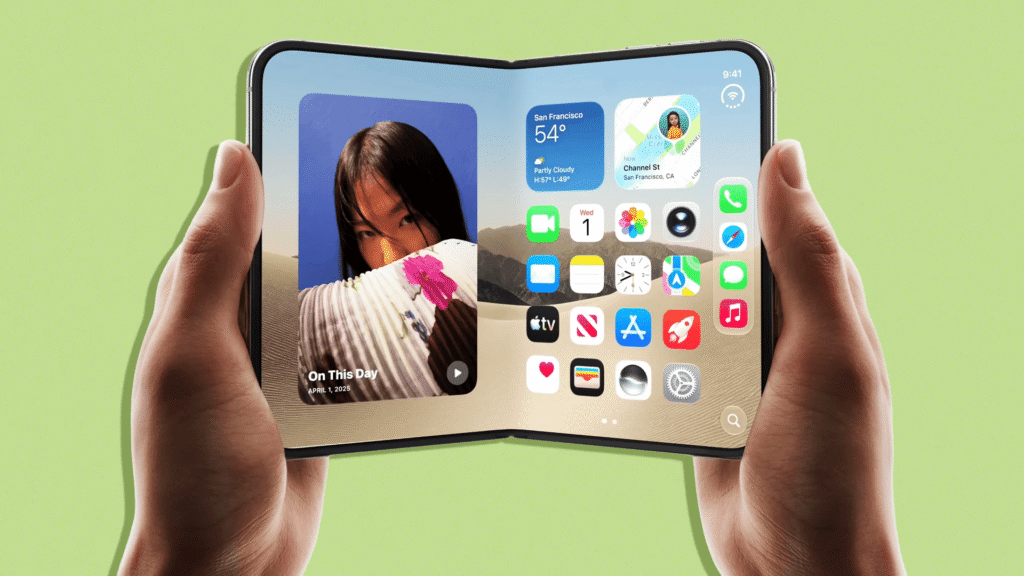
A Little Throwback To The Flip Phone Era
Before smartphones became sleek glass rectangles, mobile phones had personalities. There were tiny antennas, colorful keypads, sliding screens, and, of course, the iconic flip design.
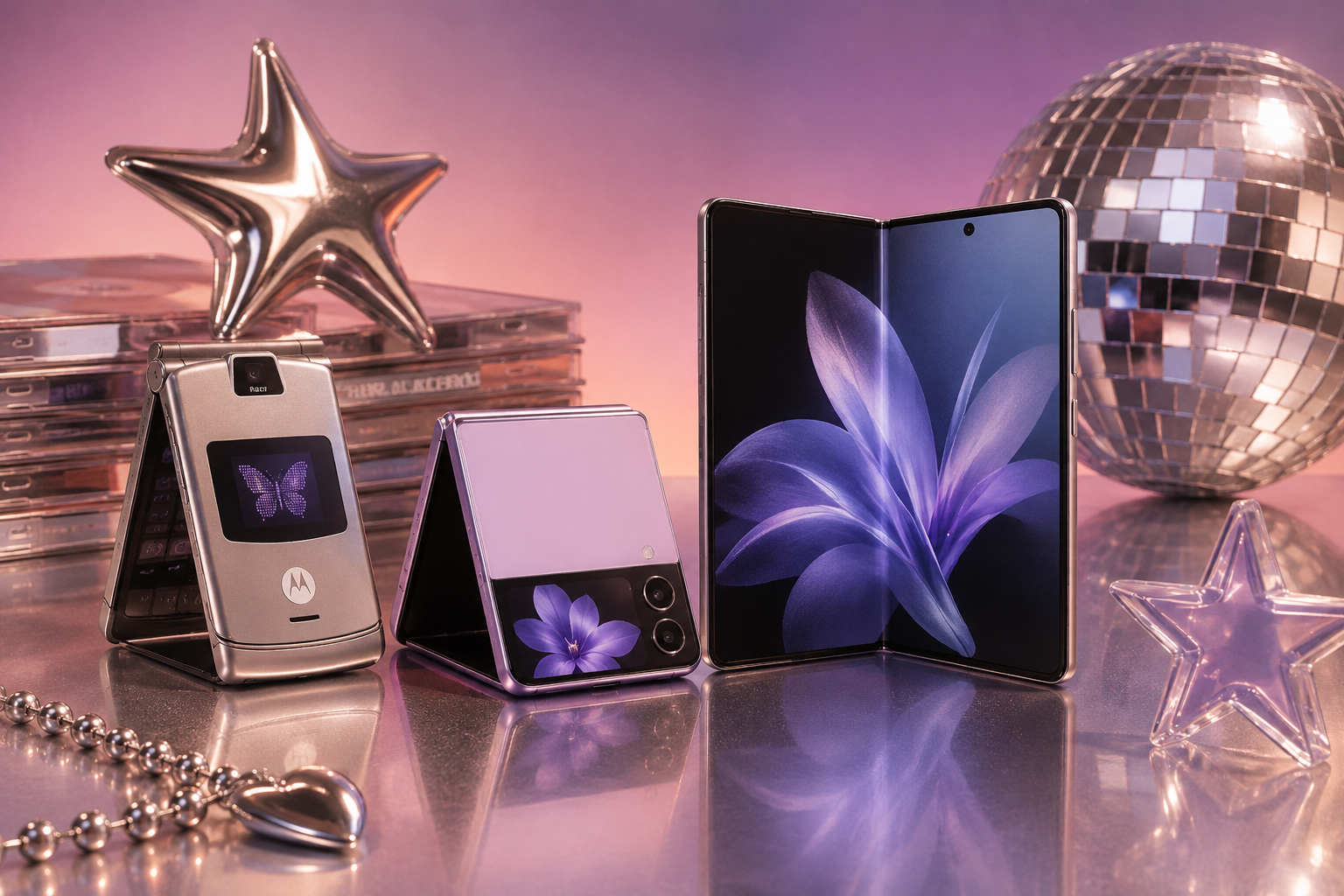
Motorola‘s StarTAC, launched in 1996, helped popularize the clamshell phone. Then came the Motorola RAZR V3 in 2004, arguably one of the most recognizable mobile phones ever made. Its impossibly slim silhouette, metallic finish, and satisfying snap made it a status symbol.
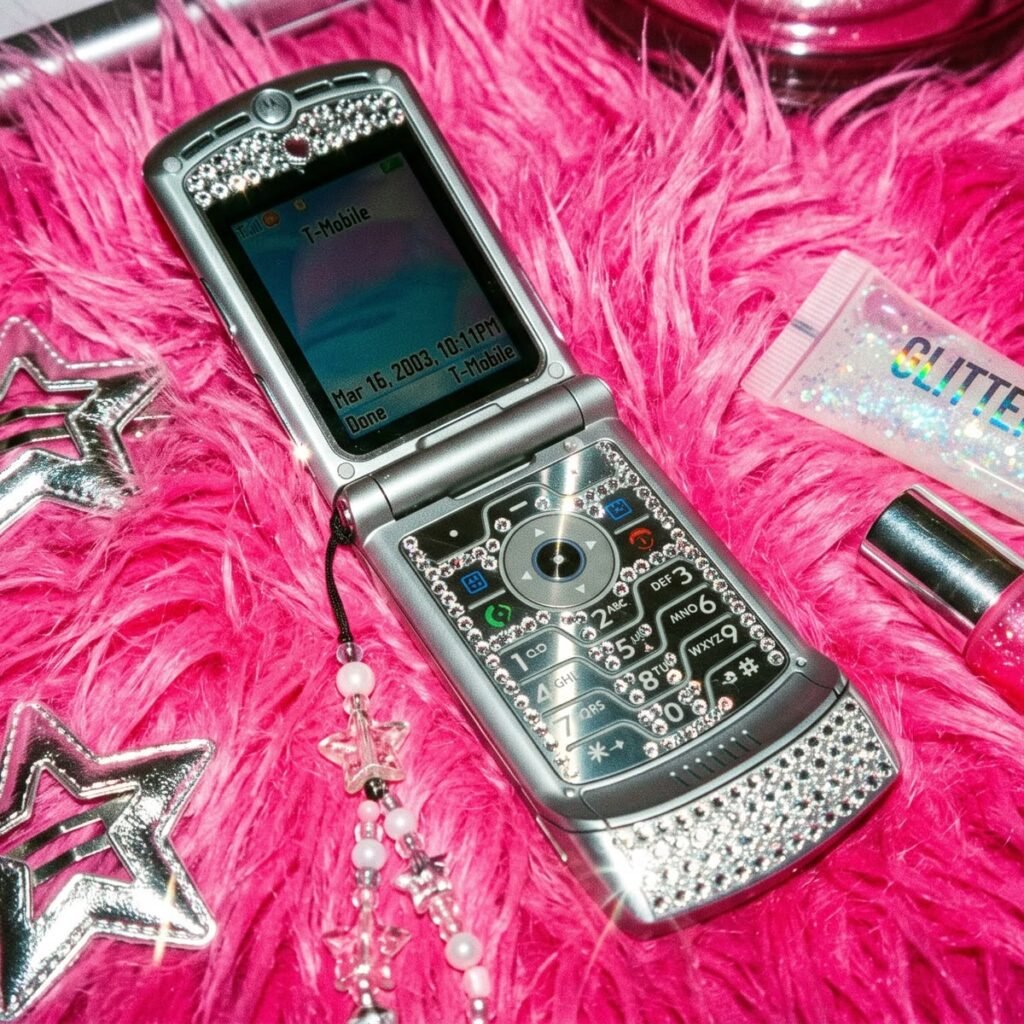
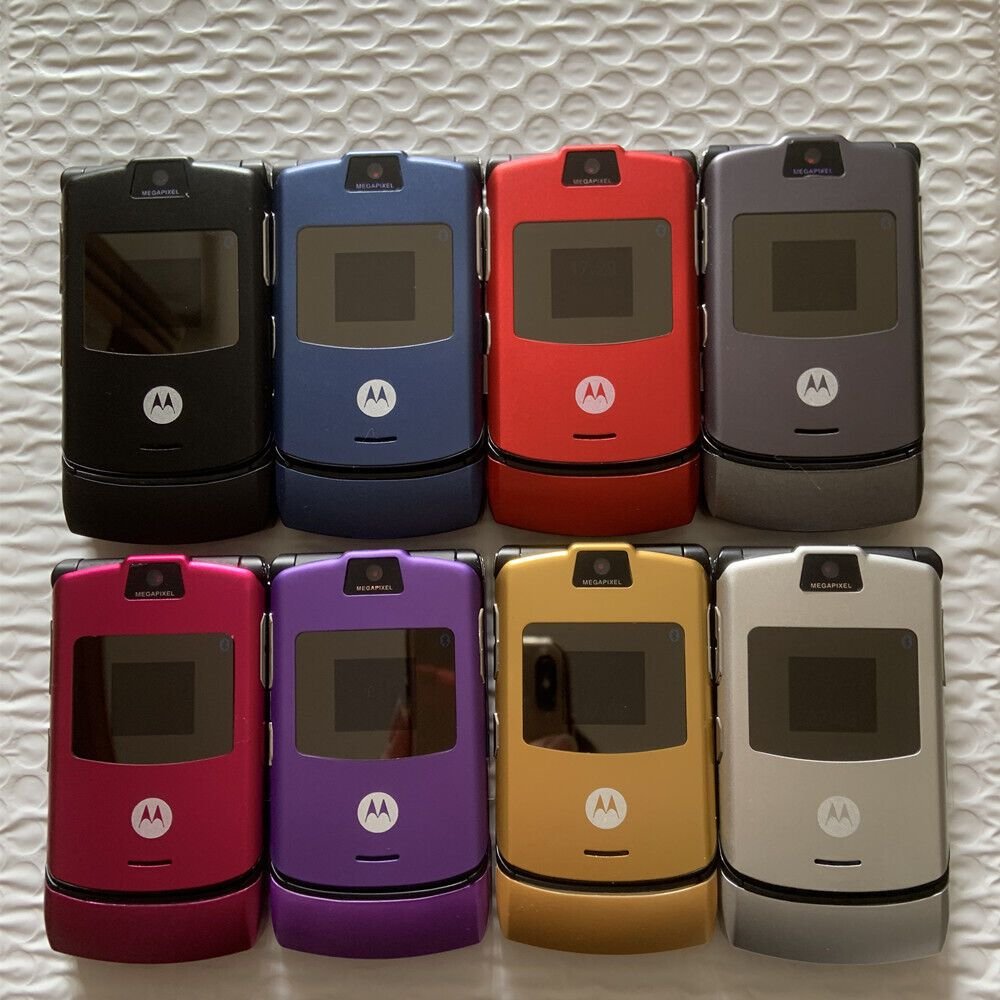
Remember Paris Hilton‘s pink RAZR? Or the countless early-2000s celebrities who treated their phones like accessories? Back then, having the right mobile was almost as important as carrying the right handbag.

Phones weren’t just about staying connected. They were about personal style. And the flip phone had plenty of it.
So, Why Are We Folding Again?
The obvious answer is nostalgia, but there’s more to this comeback than revisiting the past.
For starters, smartphone designs have become remarkably predictable. Most devices follow the same familiar formula: a large touchscreen, rounded edges, and a camera tucked into the back. Foldables offer something different. They introduce movement, versatility, and a design that feels exciting again.
There’s also the practical appeal. Modern flip phones combine compact designs with full smartphone functionality. You can fold them into smaller shapes, use their external screens for quick updates, and unfold them whenever you need more room.
Meanwhile, book-style foldables take things further. They transform from pocket-sized smartphones into expansive displays for streaming, reading, gaming, and multitasking.
It’s the best of both worlds, really. A little nostalgia with a very modern upgrade.
The New Generation Is Taking Things Further
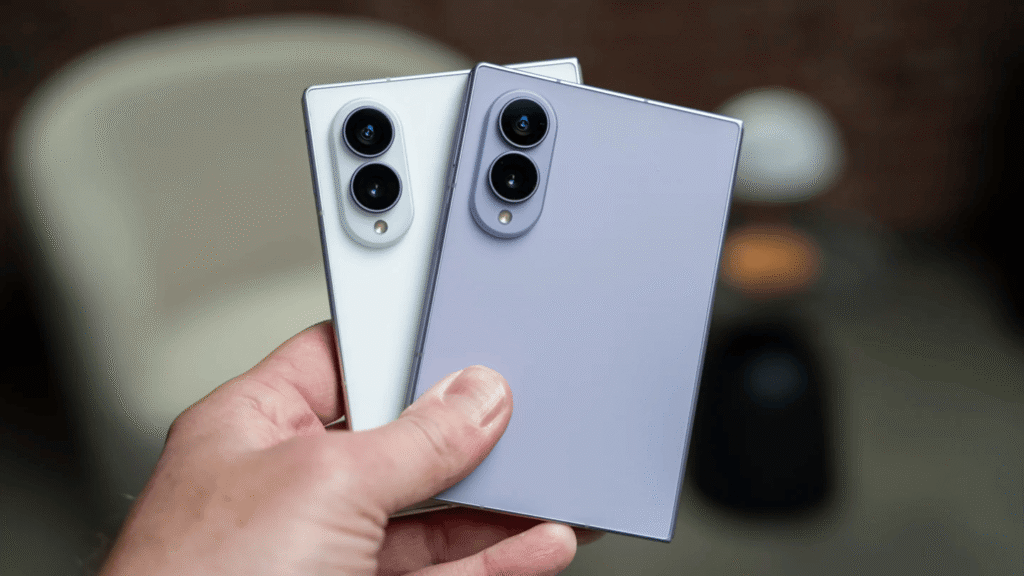
Samsung has spent years refining its foldable technology. Its Galaxy Z Fold8, and Z Flip8 bring slimmer designs, flexible displays, and AI-powered features into the conversation.
The Z Flip8 keeps things playful and compact. Its external Flex Window lets users check notifications, access useful features, and capture selfies without opening the phone. The Z Fold8, meanwhile, unfolds into a much larger screen designed for productivity and entertainment.
Then there’s Apple, which has officially entered the foldable conversation with the iPhone Duo. Its first foldable iPhone combines a compact exterior with a 7.6-inch inner display. It also introduces new ways to multitask, watch content, and use the device hands-free.
Suddenly, folding your phone feels less like a novelty and more like the next chapter of smartphone design.
It’s Giving Y2K, But Make It Future
Perhaps the biggest reason behind this renewed fascination is that technology has become part of personal style again.
We’re living through a cultural obsession with the early 2000s. From low-rise denim and glossy lips to chunky accessories and tiny handbags, the Y2K aesthetic continues to influence what we wear and carry.
Foldable phones fit right into that mood. They bring back the charm of a recognizable silhouette while offering features our younger selves could only imagine.
There’s also something refreshing about a device that does more than sit in your hand. It opens, closes, stands, and changes shape depending on how you use it.
Of course, today’s foldables are still evolving. Price, durability, and the practical benefits of folding remain important considerations. Not everyone needs a phone that transforms into a mini tablet.
But perhaps that’s beside the point. After years of phones looking almost identical, a little personality feels exciting.
The flip phone once represented the future. Now, its successor is proving that sometimes the best way forward is to look back.