
As Future Hospitality Summit makes its Egyptian debut, investors, hotel operators, and developers are examining how heritage, branded residences, and year-round tourism could shape the region’s next hospitality chapter.
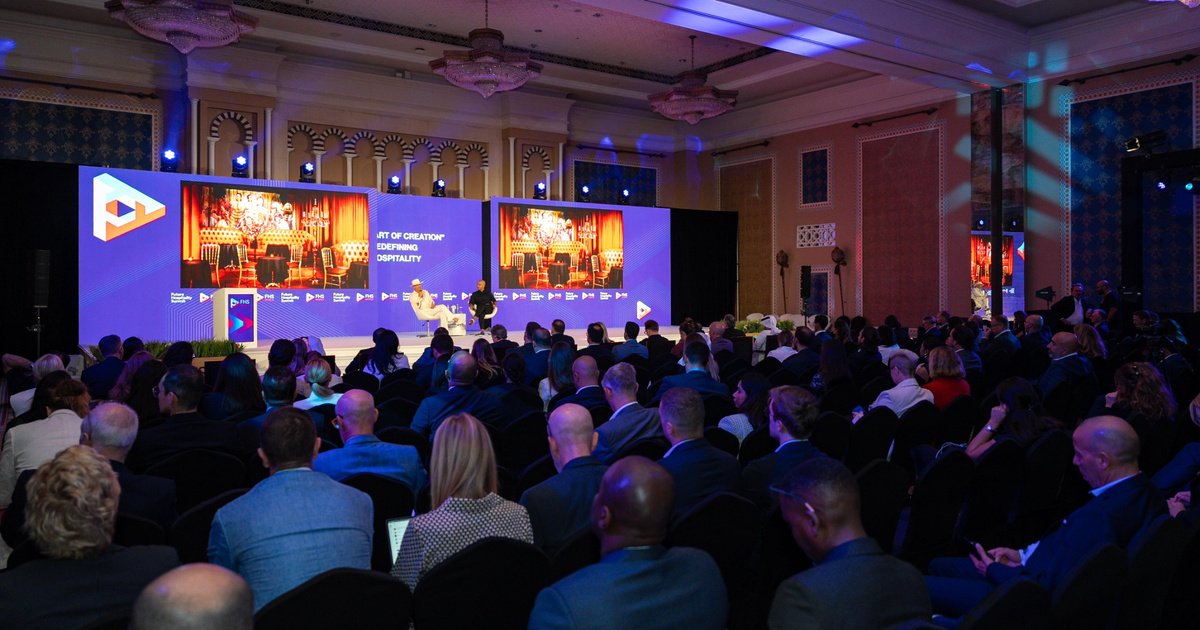
Cairo has become the meeting point for a major conversation about the future of Middle Eastern hospitality. On November 10 and 11, Future Hospitality Summit (FHS) Egypt brings together investors, developers, hotel operators, and government representatives. The event takes place at Sofitel Downtown Cairo Nile under the theme “Where Heritage Inspires Investment.”
Organised by The Bench, the summit explores Egypt’s growing hospitality opportunities. However, its discussions extend beyond hotel openings. They examine how investment, real estate, tourism, and destination development can work together.
The program also reflects a changing definition of luxury. Increasingly, successful destinations must offer more than accommodation. They need distinctive experiences, cultural connections, and reasons for visitors to return throughout the year.
Egypt’s hospitality market enters a new investment conversation
Egypt’s tourism growth provides an important backdrop for the summit. The country welcomed a record 19 million tourists in 2025, according to The Bench. The organisation also projects that Egypt’s hospitality sector could reach $9 billion by 2034.
These figures help explain the growing interest from international hotel groups and regional investors. Yet converting demand into long-term growth requires more than increasing room capacity.
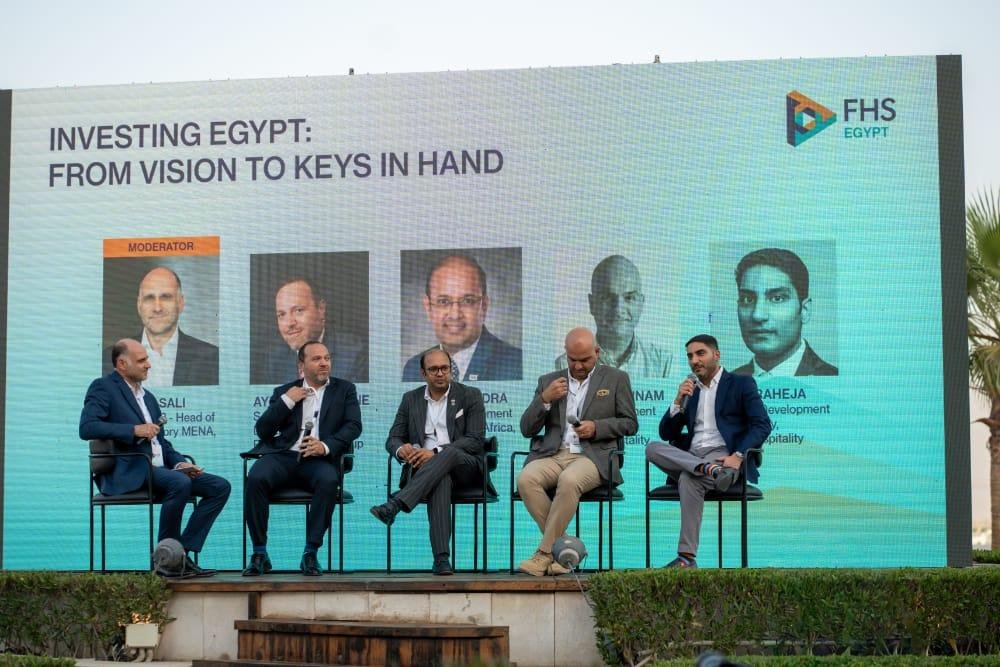
The summit’s opening program addresses investment conditions, regulation, economic outlook, and hotel performance. Representatives from Accor, JLL, Westmont Hospitality Group, and Radisson Hotel Group are among the industry figures participating.
One discussion examines how global economic shifts could influence hospitality investment in Egypt. Another considers the policies and regulatory conditions investors need before committing capital.
Together, these conversations place market confidence and investment readiness at the centre of Egypt’s hospitality ambitions.
Beyond coastal resorts: Building destinations for every season
One of the summit’s most relevant themes concerns Egypt’s potential as a year-round destination.
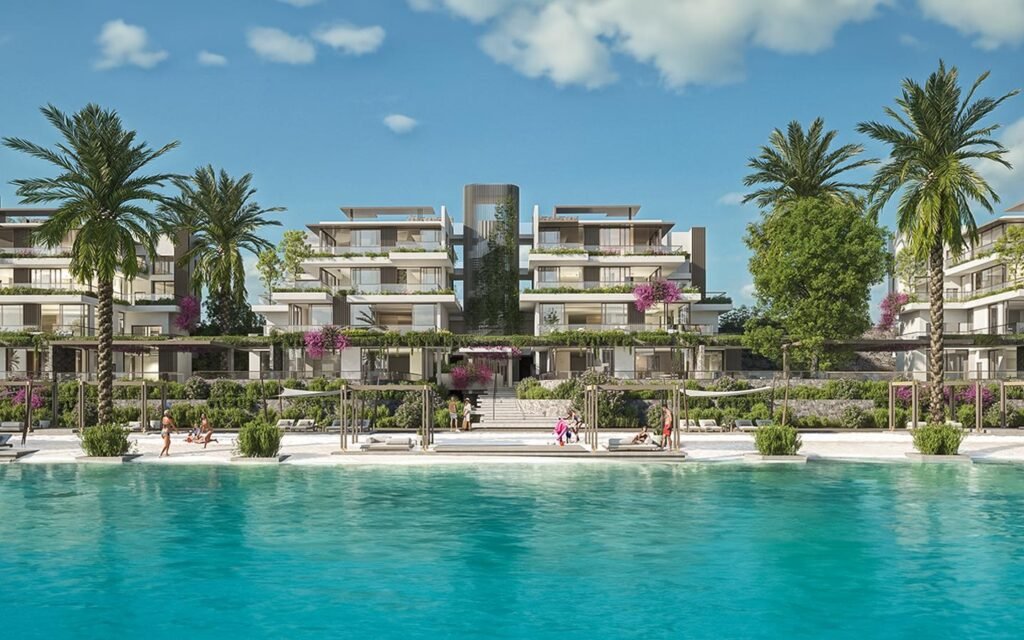
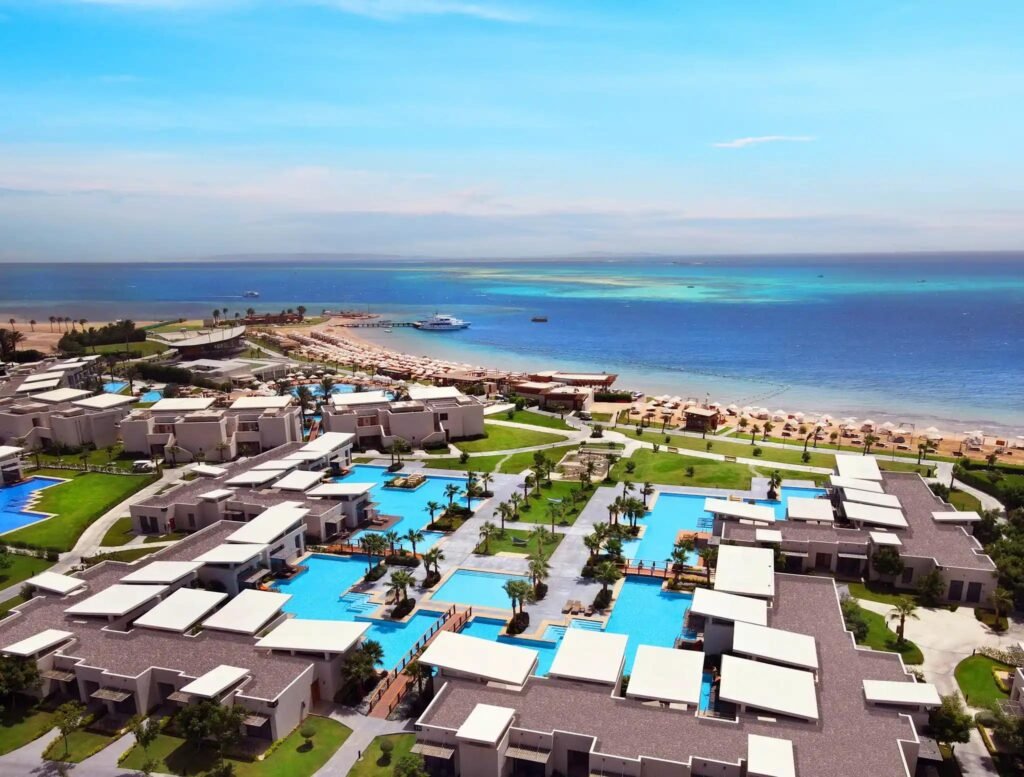
The North Coast has attracted significant attention through its luxury resorts and residential developments. However, seasonal demand remains an important consideration for developers and operators.
The summit addresses this challenge through discussions about year-round destinations and integrated tourism experiences. Participants will examine how coastal locations can attract visitors beyond traditional summer periods.
The Red Sea also features prominently. A dedicated session explores its transition from a sun-and-sea destination into a more integrated hospitality offering.
Meanwhile, another discussion considers the potential of a luxury tourism route connecting Cairo with the Nile. This approach places cultural experiences alongside traditional resort stays.
Branded residences change the luxury investment model
Branded residences are another major focus of FHS Egypt. The concept brings hospitality brands into residential developments, combining property ownership with hotel-inspired services.
For developers, these projects create opportunities to connect real estate investment with established hospitality identities. For hotel groups, they offer another way to expand their presence beyond traditional accommodation.
The summit’s FHS Living program dedicates several sessions to this growing sector. Discussions cover buyer demand, market growth, brand positioning, and the value these developments can create.
The program also examines how branded residences compete within the holiday-home market. This reflects a wider shift towards properties that offer both lifestyle appeal and hospitality services.
The next luxury destination needs more than a hotel
Technology, sustainability, talent development, and cultural preservation also feature in the program. These subjects highlight the operational challenges behind successful hospitality development.
A dedicated discussion examines the business case for sustainable hospitality investment. Another explores the role of technology in hotel operations and guest experiences.
The program also considers how historic buildings, local communities, and cultural landmarks can contribute to new tourism experiences.
Ultimately, Future Hospitality Summit Cairo places a larger question before the industry. How can the region develop destinations that remain commercially successful while preserving what makes them distinctive?
The answer may shape the next generation of luxury hospitality across Egypt and the wider Middle East. More importantly, it could redefine what travellers expect from a destination.