
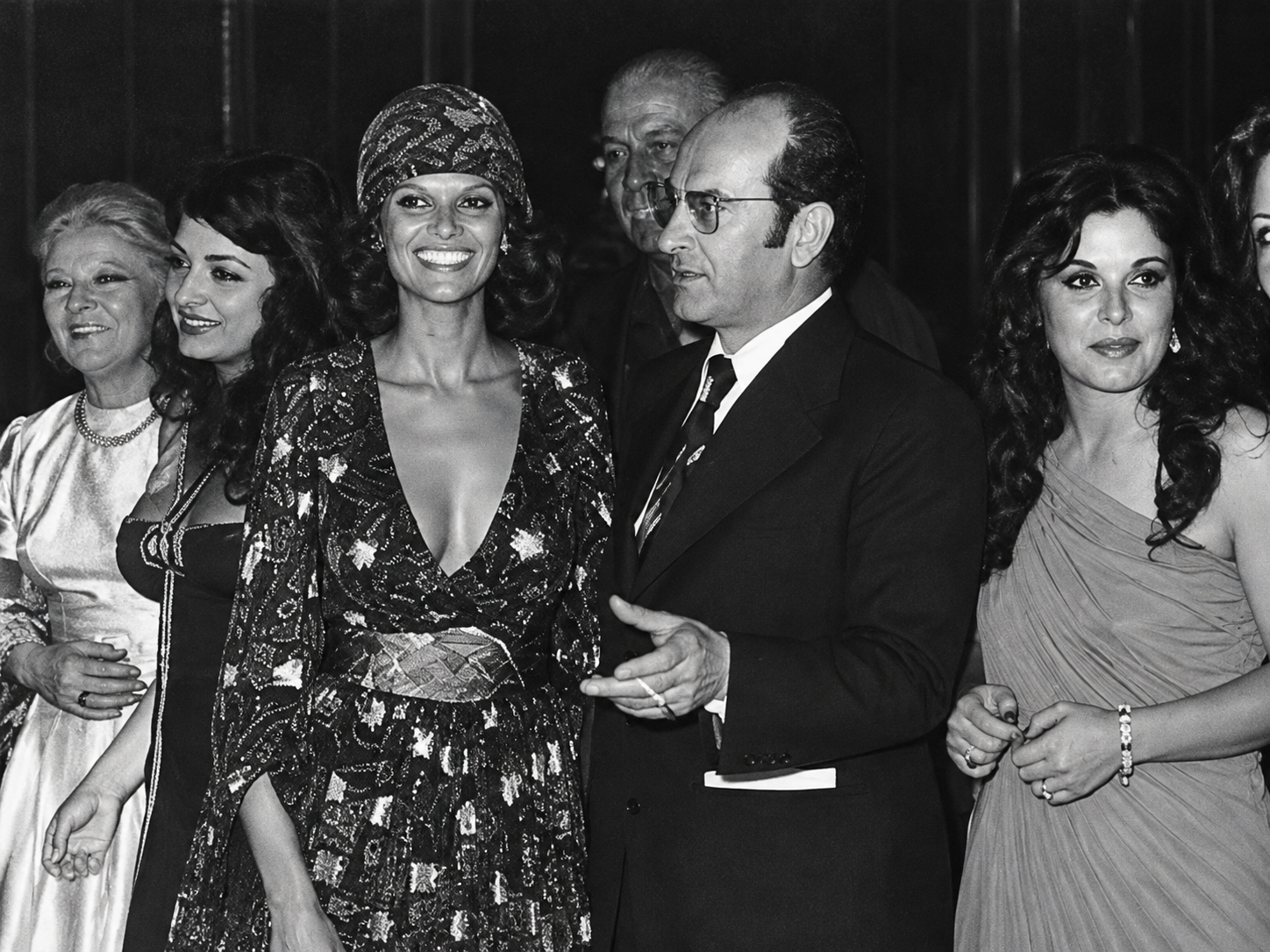
As Cairo welcomes another celebration of cinema, one of its most enduring cultural institutions reaches a remarkable milestone. The Cairo International Film Festival (CIFF) officially marks 50 years since its founding in 1976. Its 47th edition opens today, November 11, bringing another chapter to a story shaped by filmmakers, unforgettable performances and cinematic history.
Running until November 20, this year’s festival celebrates five decades of connecting Egyptian cinema with the international film industry. Yet its golden jubilee offers more than an opportunity to celebrate. It invites audiences to revisit the moments, personalities and films that helped establish Cairo as a major destination for cinema.
Where It All Began: The First Edition in 1976
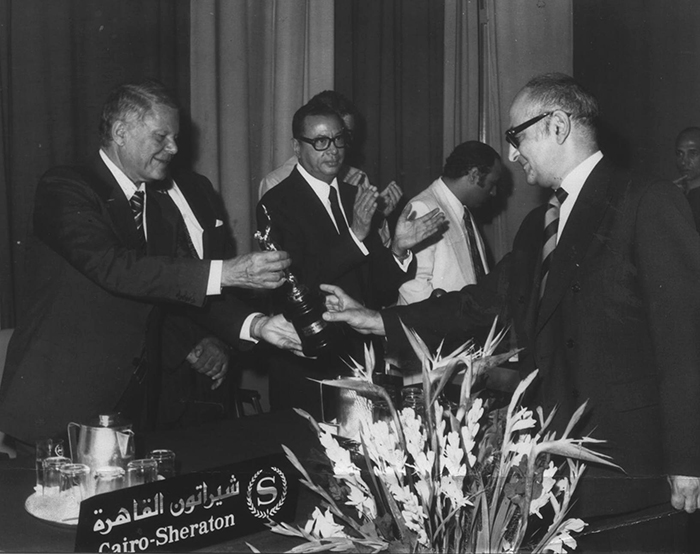
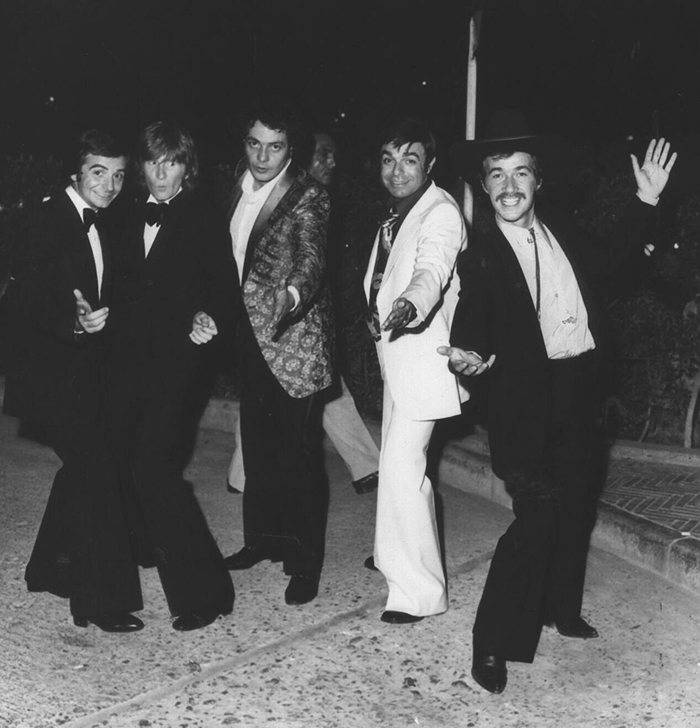
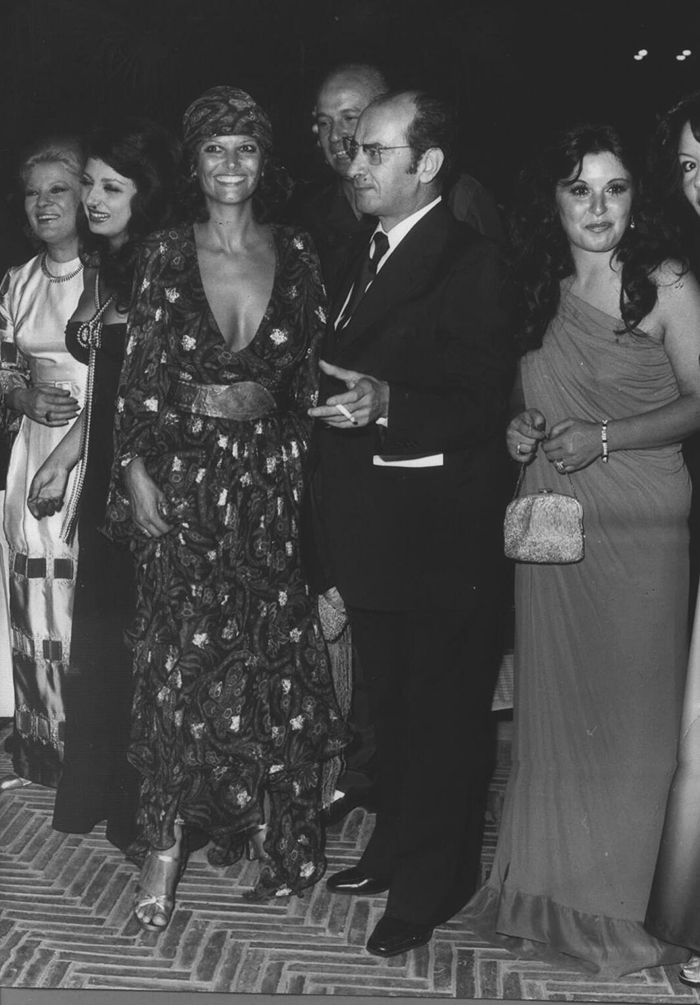
The story began with Egyptian writer and film critic Kamal El-Mallakh. His vision was to establish an international film festival in Cairo and strengthen Egypt’s place in global cinema. The idea quickly gained support from the country’s cultural community and government.
On August 17, 1976, the first Cairo International Film Festival officially opened at Qasr Al-Nil Cinema. The inauguration was hosted by then-Prime Minister Mamdouh Salem. El-Mallakh addressed the audience before a musical celebration featuring Abdel Halim Hafez, Shadia and Samir Al-Eskandarani.
The inaugural edition welcomed films from 33 countries, presenting approximately 100 productions. Its programme included 28 films in the main competition. Countries represented included Japan, Italy, Greece, the United States, India, Turkey, Iran and Algeria.
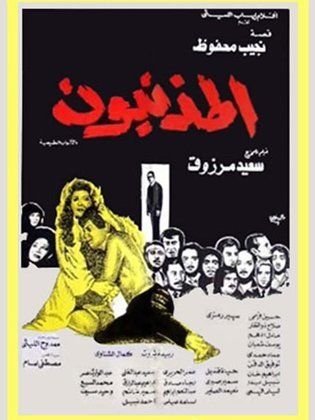
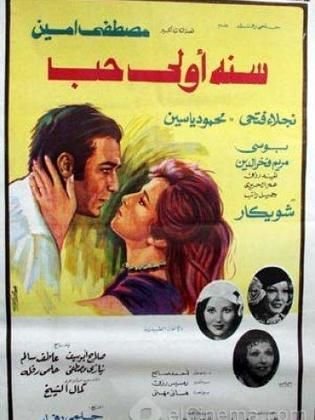
The festival also embraced Egyptian cinema from its earliest days. Naguib Mahfouz’s Al-Mozneboun (The Guilty Ones), directed by Saeed Marzouk, competed in the main selection. Meanwhile, the Egyptian Panorama presented Sana Oula Hob, featuring Mahmoud Yassin and Naglaa Fathy.
Screenings took place across several Cairo cinemas and venues. These included Qasr Al-Nil, Lido and Ramses cinemas, alongside the Sheraton and Hilton hotels. The festival also extended its screenings to Alexandria, reaching audiences beyond the capital.
A Meeting Point for International Cinema
From its beginning, CIFF aimed to bring different cinematic traditions together. Its international programme introduced Egyptian audiences to films and filmmakers from across the world. It also created opportunities for cultural exchange between regional and international cinema communities.
The festival’s early editions reflected this ambition. Its juries brought together prominent cultural figures and filmmakers from different countries. Egyptian director Shadi Abdel Salam, for example, served on the inaugural jury alongside Pakistani poet Faiz Ahmed Faiz.
International recognition became another important part of its identity. CIFF holds competitive festival accreditation from the International Federation of Film Producers Associations (FIAPF). It remains one of only 15 competitive festivals worldwide, according to its official profile.
Its prestigious Golden Pyramid award also became a defining symbol. The award recognizes outstanding achievements within the festival’s international competition. Over the years, it has helped establish CIFF as an important platform for cinematic excellence.
Celebrating the Icons Who Shaped Egyptian Cinema
A retrospective of the festival would be incomplete without acknowledging Egyptian cinema itself. For decades, the country’s film industry has produced stories that crossed borders and generations. Its celebrated directors, actors and screenwriters helped shape the region’s cinematic identity.
From Youssef Chahine’s internationally recognized filmmaking to Salah Abu Seif’s influential social dramas, Egyptian cinema has built an extraordinary legacy. Directors such as Henry Barakat, Hussein Kamal and Tawfik Saleh also left lasting marks on the industry.
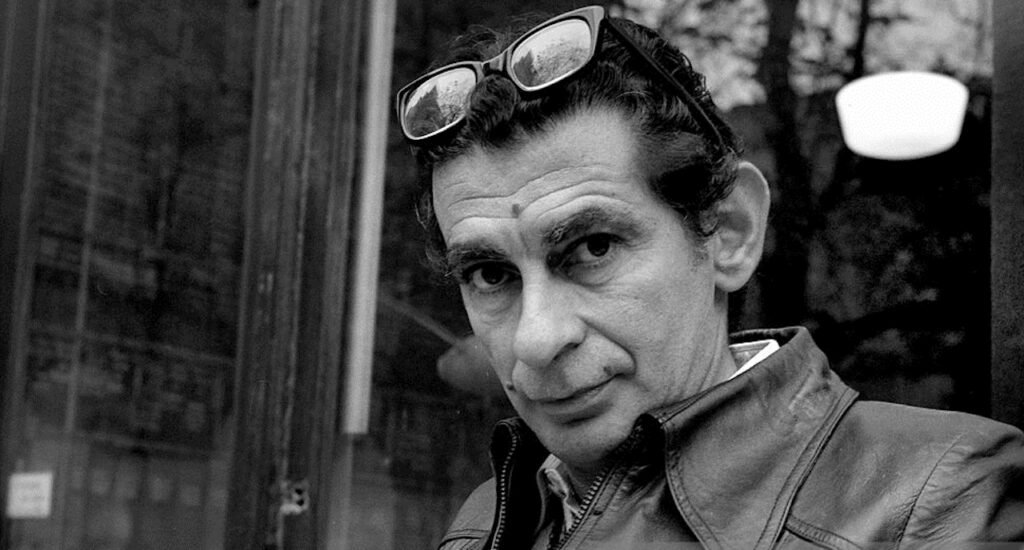
CIFF has provided a platform for celebrating this heritage while introducing new cinematic voices. Its programmes have brought together established filmmakers and emerging talent. This balance remains central to the festival’s identity.
Its restored classics programme particularly reflects that commitment. By returning important Egyptian films to the big screen, the festival helps preserve cinematic history. It also introduces younger audiences to works that shaped the country’s cultural memory.
Five Decades Later: A New Generation Takes the Screen
Fifty years after its founding, the festival continues to look towards cinema’s future. Its 47th edition brings together 145 films from 64 countries. The selection includes 17 world premieres, five international premieres and 87 Middle East and North Africa premieres.
The programme spans international competitions, Arab cinema, documentaries and short films. It also embraces emerging forms of storytelling through its extended reality competition. This year’s selection reflects the changing relationship between cinema, technology and contemporary audiences.
Egyptian filmmaking remains an important part of the programme. Among the selected titles is BerleeN, directed by Ahmad Abdalla. The German-Egyptian production competes in the International Competition.
The festival also revisits the country’s cinematic heritage through 27 restored Egyptian classics. The selection includes works by Youssef Chahine, Salah Abu Seif, Henry Barakat and other influential directors. These screenings offer audiences another opportunity to experience Egyptian cinema on the big screen.
Beyond film screenings, Cairo Industry Days supports filmmakers and industry professionals. Its activities connect emerging projects with producers, distributors and international partners. The platform also creates opportunities for mentorship, collaboration and professional development.
This year’s opening film carries a particularly fitting connection to the anniversary. I Play Rocky, directed by Peter Farrelly, tells the story behind the making of the original Rocky. The 1976 classic and CIFF share the same birth year, adding another nostalgic detail to the celebrations.
A Legacy That Continues to Unfold
Today, the Cairo International Film Festival represents more than an annual celebration of filmmaking. It reflects Egypt’s longstanding relationship with cinema and its contribution to international cultural exchange.
Its journey has brought together generations of artists, filmmakers, critics and audiences. It has also witnessed the transformation of cinema itself, from traditional theatrical storytelling to new technological possibilities.
As the 47th edition opens in Cairo, the festival looks back at five decades of cinematic memories. Yet its most meaningful achievement may lie in what comes next. New filmmakers, fresh perspectives and stories from across the world continue to shape its future.
Fifty years on, Cairo remains ready for its next close-up.