
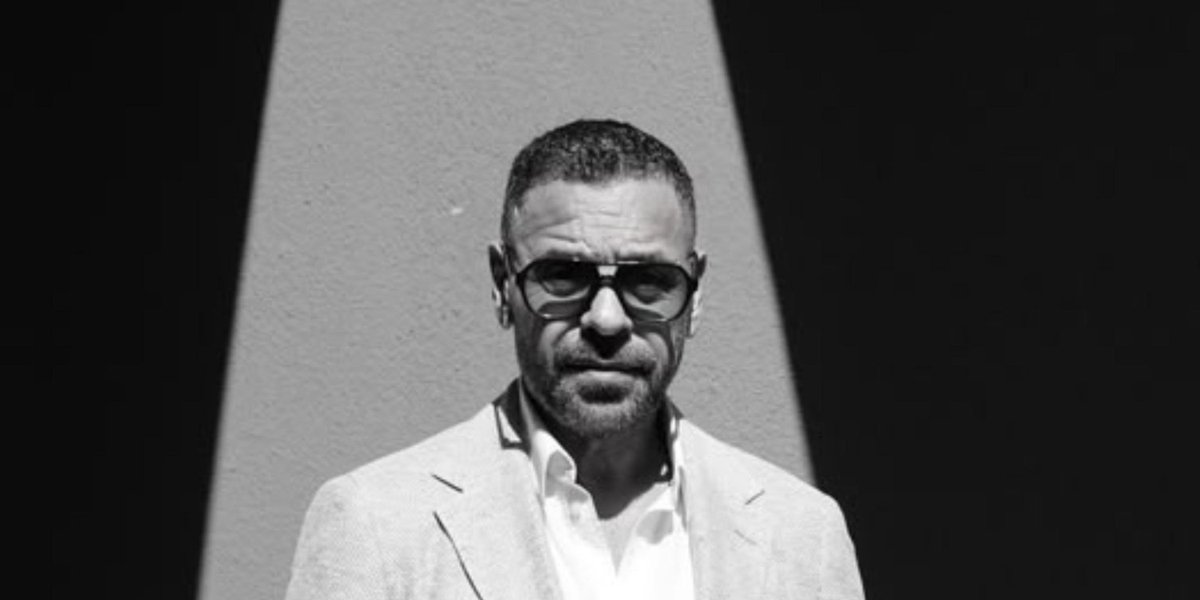
At the ninth El Gouna Film Festival, director and advertising professional Tarek Alarian joined a panel. It was titled “Beyond the Logo: From Brand Integration to Cultural Impact.” The title echoes a question running through his work. How can creative work reach people without losing its identity?
Away from the panel, a conversation with Soul Arabia at Festival Plaza turned toward the instincts that shape his films. For Alarian, an idea begins with atmosphere, develops through collaboration, and ultimately needs an audience.
He has attended the festival for three years, and its appeal extends beyond the screenings. He values discovering documentaries he rarely encounters elsewhere. Meeting filmmakers and industry figures also brings fresh perspectives and ideas that might otherwise remain unnoticed.
Alarian looks beyond his own work when attending festival events. He enjoys hearing how other producers and directors approach their craft. One highlight of this edition was Mohamed Mashish’s panel, which he described as incredible.
Starting With Atmosphere
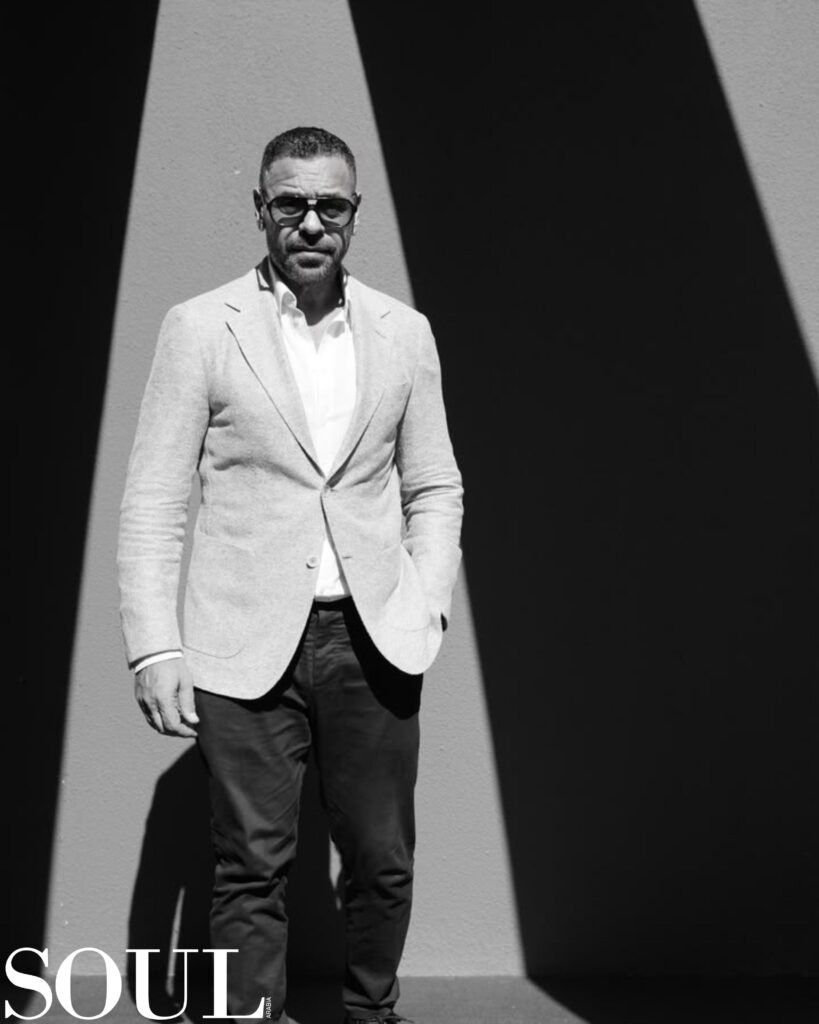
When deciding whether to direct a film, Alarian first considers its atmosphere. For him, atmosphere means more than a general mood. It includes the image’s look, the setting, and the world surrounding the characters. Egypt, its slums, or Upper Egypt might each create a distinct cinematic language.
Genre follows from that starting point. He might imagine an action-comedy unfolding within a particular environment. The project must also feel new to him and offer something fresh to the market. Commercial potential remains essential, because he does not want to make a film audiences will overlook.
Alarian recognizes that “Maharganat” films can follow a less commercial path. He can appreciate their artistic qualities, even when they serve a different audience. Still, he identifies himself as a commercial filmmaker, guided by the desire to connect with viewers.
A Vision That Leaves Room to Change
Alarian believes a director should understand the destination before production begins. The script may not yet match every detail of his ideal film. Even so, he needs a clear sense of its structure and direction. Once filming starts, locations and practical discoveries can suggest changes that strengthen the original idea.
He actively welcomes suggestions from actors, cinematographers, crew members, and others on set. The final decision depends on whether each suggestion serves the story he wants to tell.
He recalled a moment on Imbrator. While searching for a folkloric saying, an accessory worker suggested a line the writer had not offered. It made the film, delivered by the late Ahmed Zaki. For Alarian, the moment illustrates why every voice deserves consideration.
The key, however, is knowing what the film needs. A director should remain open without losing direction. When the right idea appears, he must recognize it and understand why it belongs. That balance allows collaboration to expand a film without letting it drift.
Returning to a Familiar Story

With El Selem W El Thoban: Leab Eyal, Alarian returns to a world audiences already know. The first film explored younger relationships and the tension between intimacy and freedom from responsibility. The sequel shifts toward older characters, shaped by marriage and greater life experience.
This time, the conflict is less about entering a relationship. It is about what happens when a long partnership begins to feel routine. Alarian wanted to approach that experience simply and cinematically, making the story engaging rather than heavy-handed. Beneath that accessible surface, he sees a familiar reality for millions of married couples.
Boredom, he argues, exists in relationships, but its presence does not explain every breakup. The question is how couples respond to it. Long-term companionship brings both positives and negatives, and no relationship offers only one side. The challenge is accepting both sides while valuing the companionship.
He resists calling boredom the main cause of divorce. Relationships unfold within different social circumstances, and people face many kinds of difficulties. Life brings challenges that people must navigate and overcome. Marriage is one part of that wider experience, not a problem with a single explanation.
The Passion Behind the Camera
Despite his years in the industry, Alarian describes himself as an amateur at heart. He approaches filmmaking as a passion rather than a pursuit driven by money. His choices begin with ideas that genuinely intrigue him. When a story excites him, the process becomes rewarding from the start.
That enjoyment continues through writing, particularly when he works closely with screenwriters. He knows his scripts intimately, sometimes remembering dialogue so thoroughly that a line can slip from memory during production. More importantly, he says he has never made a film without feeling excited by it. For him, the passion remains as long as compelling ideas keep coming.
His ideal day away from work would be quieter than the festival schedule. He would choose the beach or a boat, surrounded by only two or three people he genuinely wants nearby. No crowded marina, packed agenda, or chain of meetings would be necessary.
Alarian values clarity, meaningful exchange, and the freedom to follow an idea. In filmmaking, that means knowing the destination while remaining receptive to discoveries along the way.