
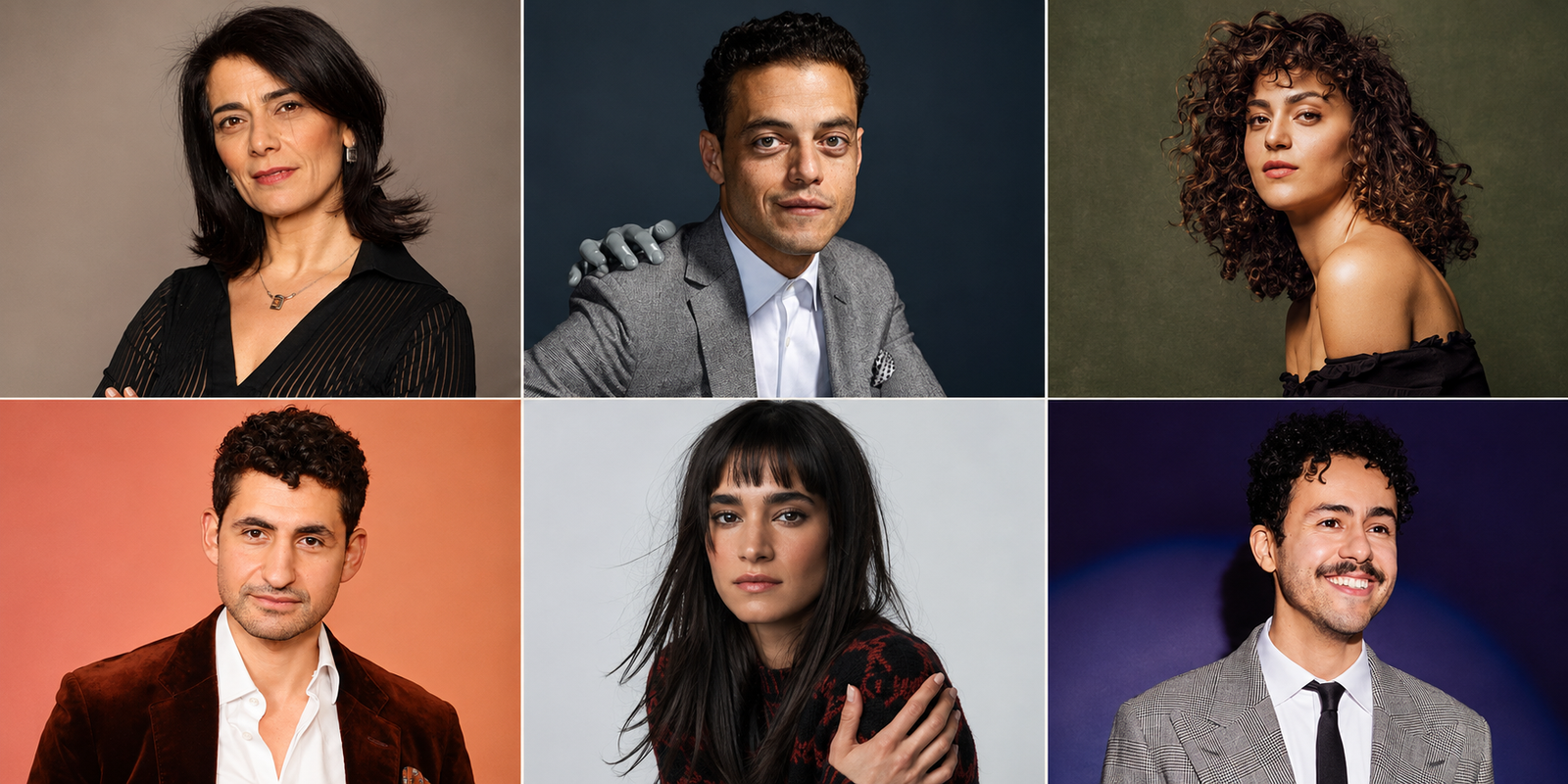
From Hollywood’s biggest awards to international streaming productions and independent cinema, Arab performers are finding new audiences while challenging the industry’s expectations of their identities.
An Arab actor’s international career rarely follows a single route. Some move from regional cinema into Hollywood franchises, while others build reputations through European productions, independent films, and international television. A growing number are also creating and producing their own projects, taking greater control over the stories that reach global audiences.
Their journeys reveal a changing relationship between Arab talent and the international entertainment industry. They also expose the challenges that remain, particularly around representation, typecasting, and the opportunities available to performers from the region.
From Regional Cinema to International Recognition
For many performers, international recognition began with a project that introduced their talent to audiences beyond the Arab world.
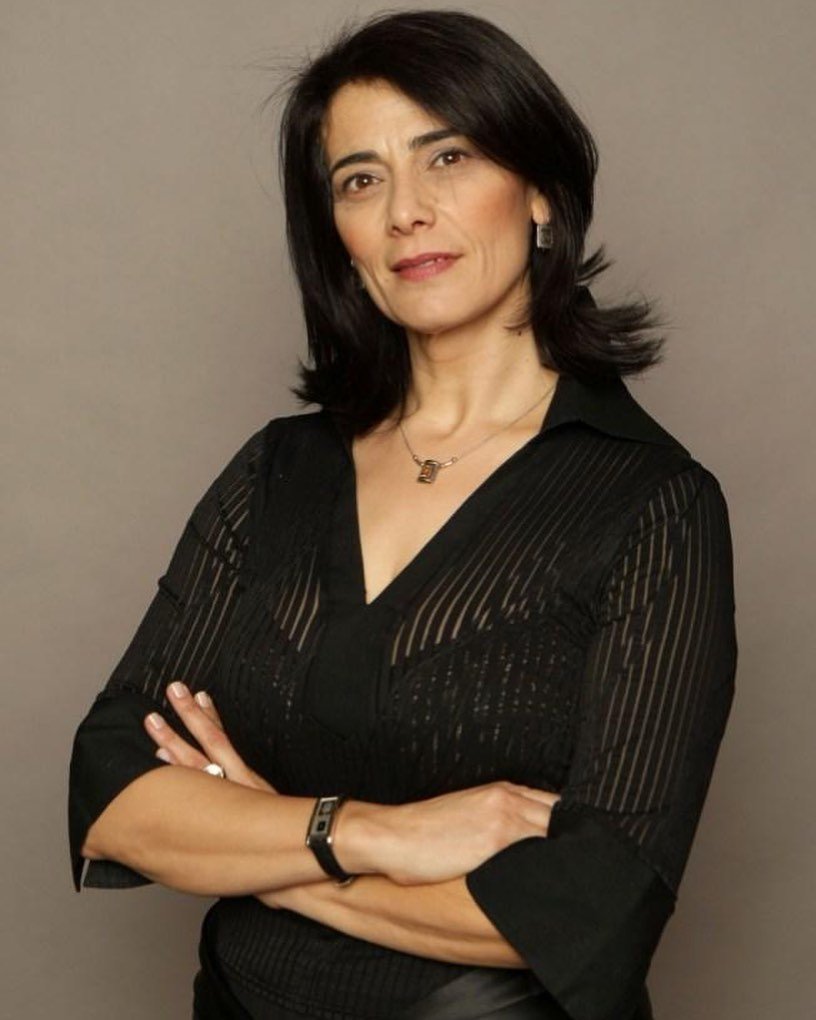
Palestinian actress Hiam Abbass represents one of the most established examples. After beginning her career at the Palestinian National Theatre in East Jerusalem, she moved to Europe in the late 1980s. Her filmography now spans more than 100 Palestinian, Arab, European, and American productions.
Her credits include Paradise Now, The Visitor, Blade Runner 2049, and Palestine 36. Television audiences also recognize her as Marcia Roy in Succession and through her role in Ramy. In October 2026, the European Film Academy announced its Achievement in World Cinema Award for Abbass, recognizing her contribution to international cinema.

Egyptian-American actor Rami Malek followed a different path into Hollywood. His breakthrough came through the television series Mr. Robot, where his portrayal of Elliot Alderson earned him a Primetime Emmy Award. He reached an even wider audience as Freddie Mercury in Bohemian Rhapsody, winning the 2019 Academy Award for Best Actor.
Born in Los Angeles to Egyptian parents, Malek has spoken about growing up between Arabic at home and American English outside it. His career also reflects the difficulties Arab performers encounter when casting opportunities reduce their identities to familiar stereotypes. Before playing Mercury, he rejected roles that reinforced negative portrayals of Arabs.
His later credits include the James Bond film No Time to Die, where he played antagonist Lyutsifer Safin, and Christopher Nolan’s Oppenheimer.
Across Franchises, Genres, and Continents
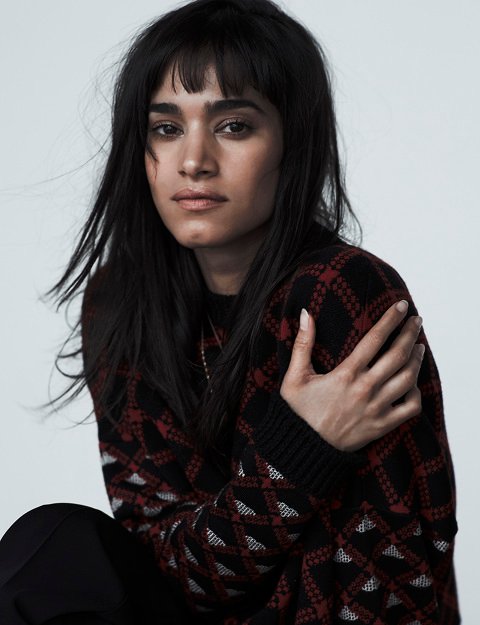
Algerian actress Sofia Boutella entered international entertainment through dance. Before acting, she performed alongside Madonna and appeared in major music campaigns. Her movement background eventually helped distinguish her performances in action and science-fiction productions.
Her credits include Kingsman: The Secret Service, Star Trek Beyond, Atomic Blonde, and Netflix’s Rebel Moon. Rather than following a traditional acting route, Boutella used her experience as a performer to establish a distinctive screen presence across international productions.

Egyptian-Palestinian actress May Calamawy found her breakthrough through Ramy, where she played Dena Hassan. She subsequently joined Marvel’s Moon Knight as Layla El-Faouly, bringing an Egyptian character into a major superhero franchise.

Egyptian-British actor Amir El-Masry has built another increasingly visible international career. After starting in Egyptian cinema, he appeared in The Night Manager, Star Wars: The Rise of Skywalker, and The Crown, where he portrayed the younger Mohamed Al-Fayed. His performance in Limbo brought critical recognition, including a BAFTA Scotland Best Actor award. In 2026, he took another major step with Giant, portraying British-Yemeni boxing champion Prince Naseem Hamed opposite Pierce Brosnan.
Creating Their Own Narratives
Not every international breakthrough begins with a casting opportunity. Some performers build their careers by developing projects around their own experiences.
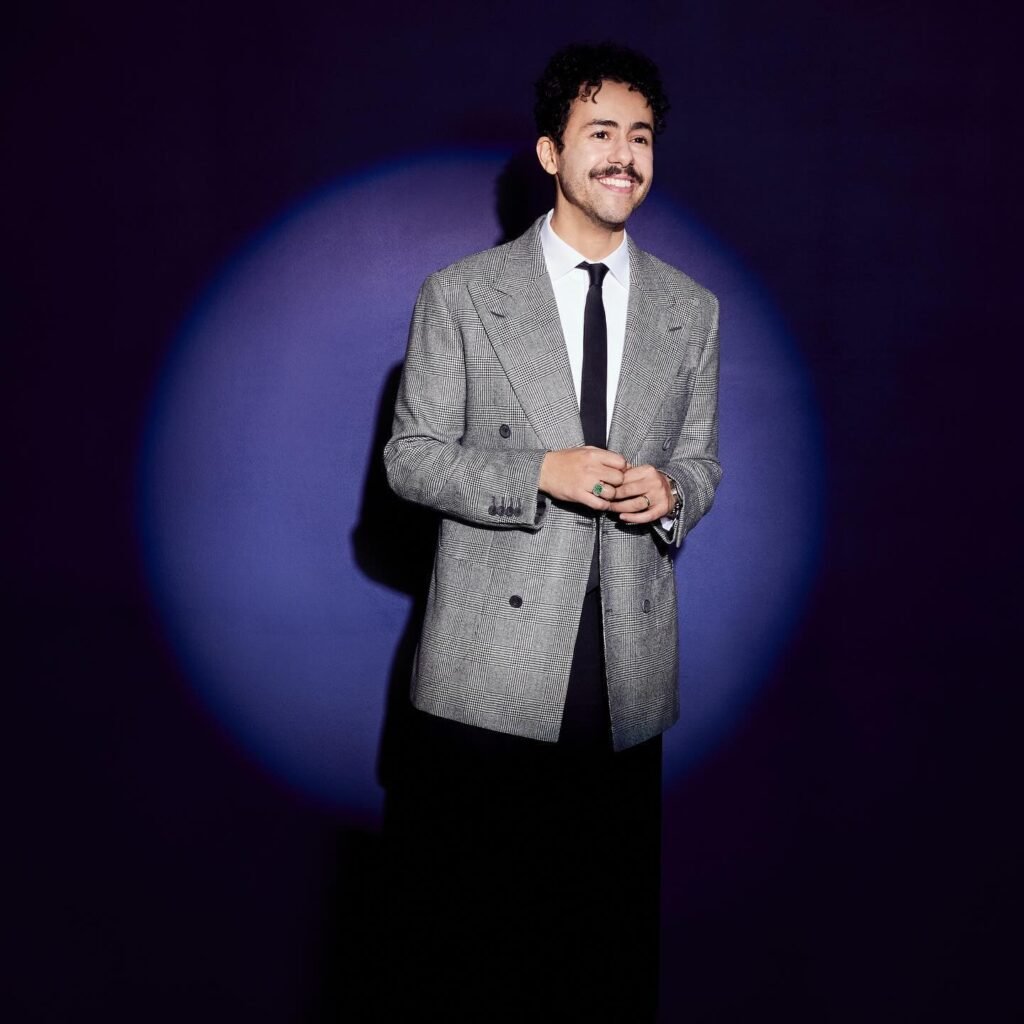
Egyptian-American comedian and actor Ramy Youssef is one example. His series Ramy placed the experiences of a first-generation Egyptian-American Muslim at the center of an American television story. Youssef created, directed, produced, and starred in the series, which received a Golden Globe and multiple Emmy nominations.
His work has since extended into international film and television, including Poor Things, The Bear, The Studio, and the animated series #1 Happy Family USA. He also co-created Netflix’s Mo with its Palestinian-American star, Mo Amer.
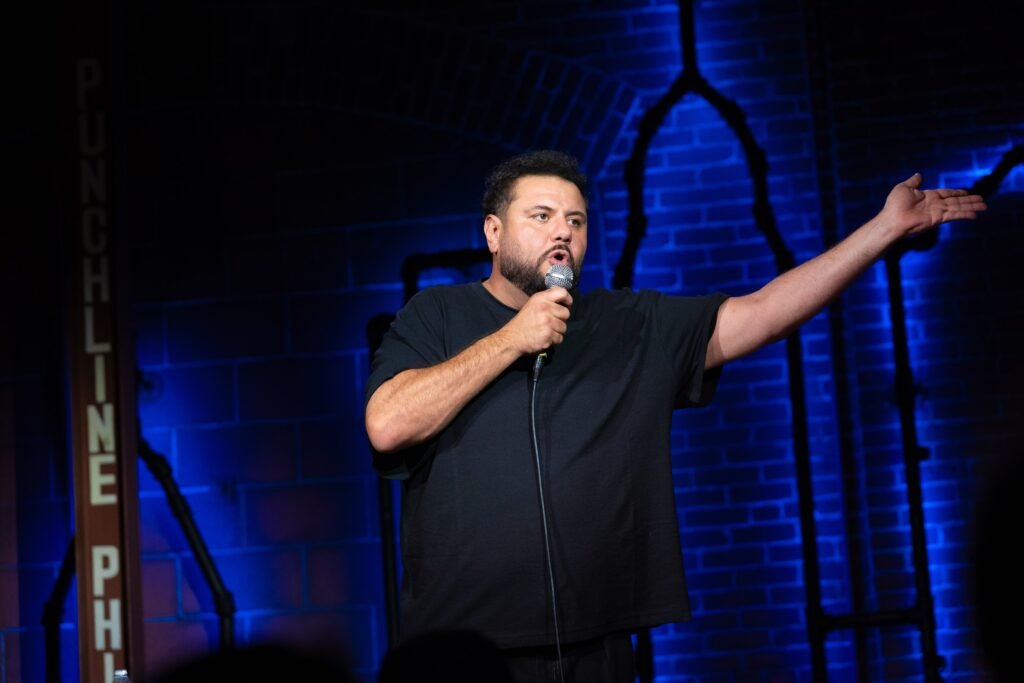
Amer’s story brings another perspective to the conversation. Born in Kuwait to Palestinian refugee parents, he grew up in Houston after his family fled during the Gulf War. His semi-autobiographical Netflix series follows Mo Najjar, a Palestinian refugee navigating family life, identity, and the complicated American immigration system.
Amer also appeared in Black Adam and built an international stand-up career before developing his own scripted series. Through Mo, he transformed personal experiences of displacement and belonging into a story that reached a global audience.
Their careers demonstrate how Arab performers can expand beyond acting roles by developing the material themselves. Rather than waiting for the industry to tell their stories, they help determine which perspectives reach the screen.
Egyptian Talent in the International Spotlight
The rise of Egyptian performers within international productions also extends to a younger generation.
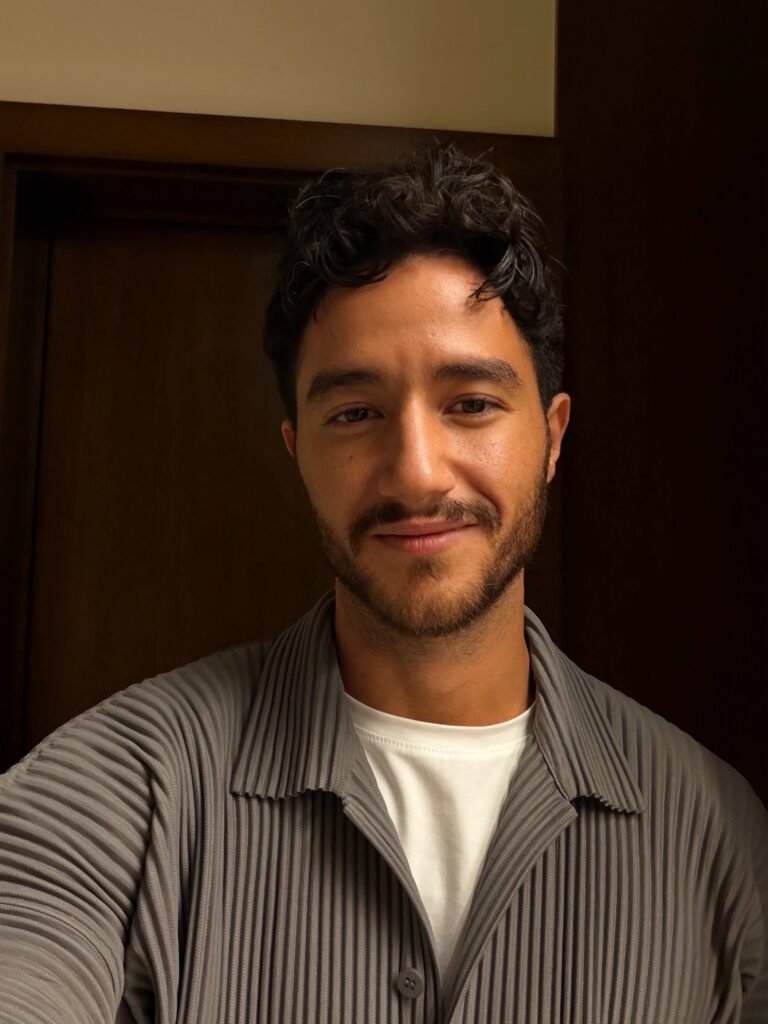
Ahmed Malek joined the cast of Netflix’s The Swimmers, directed by Sally El Hosaini that also features Kinda Alloush. The film follows Syrian sisters Yusra and Sara Mardini’s journey to Germany, with Malek portraying their cousin Nizar. It premiered at the Toronto International Film Festival before reaching international audiences through Netflix.
Malek had already established himself through Egyptian cinema and festival selections, including Clash, which opened the Un Certain Regard section at Cannes in 2016. His performance in The Swimmers offered another opportunity to reach viewers beyond the region.
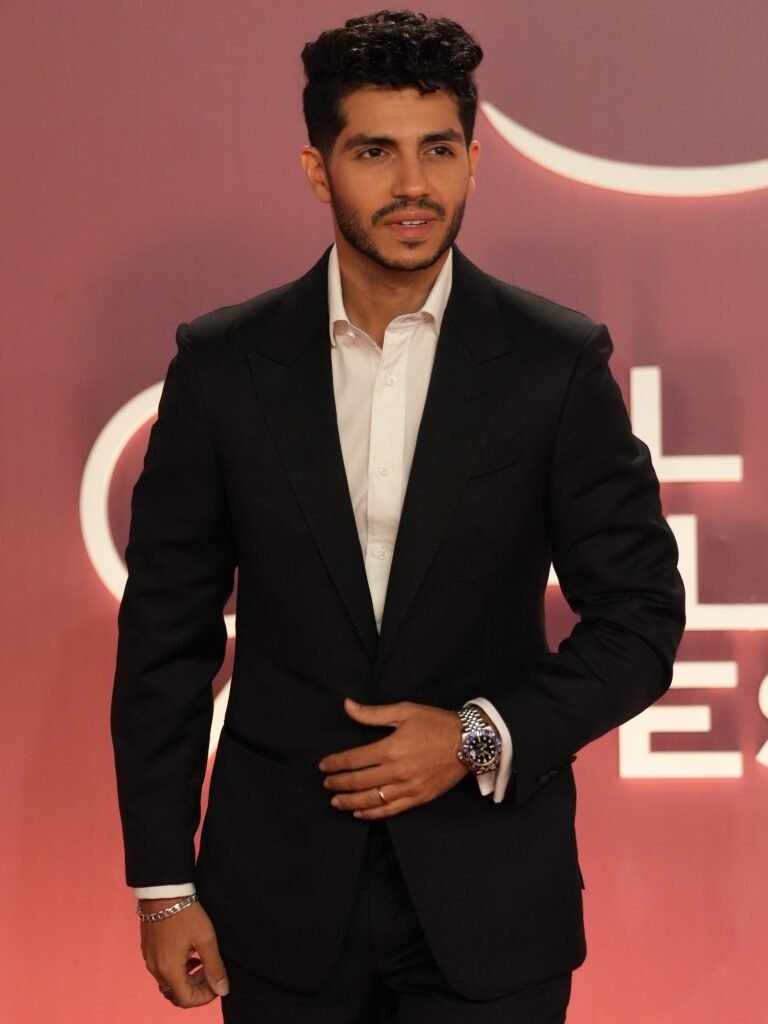
Mena Massoud took a more visible Hollywood route through Disney’s live-action Aladdin. The Egyptian-Canadian actor played the title character opposite Naomi Scott and Will Smith in the 2019 blockbuster.
However, international recognition did not remove the limitations he encountered as an Arab performer. Massoud has spoken about refusing roles that reinforce negative stereotypes and co-founded Press Play Productions to develop multicultural stories. The move reflects a growing interest among Arab actors in gaining influence behind the camera.
Regional Stories with International Reach
Other performers continue moving between Arab cinema and international productions without abandoning their regional identities.
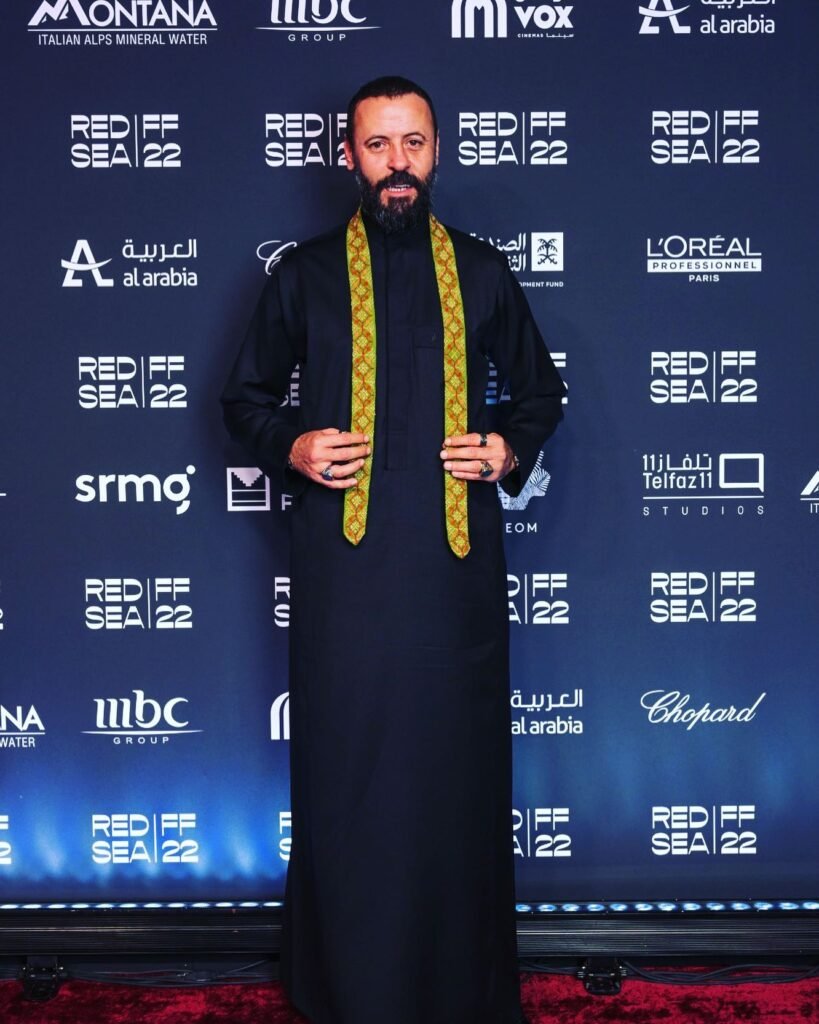
Palestinian actor Ali Suliman gained international recognition through Hany Abu-Assad’s Paradise Now, which received major international awards. He later appeared in productions including The Kingdom, Body of Lies, Lone Survivor, and Amazon’s Jack Ryan. Yet his career has remained closely connected to Palestinian and Arab cinema.
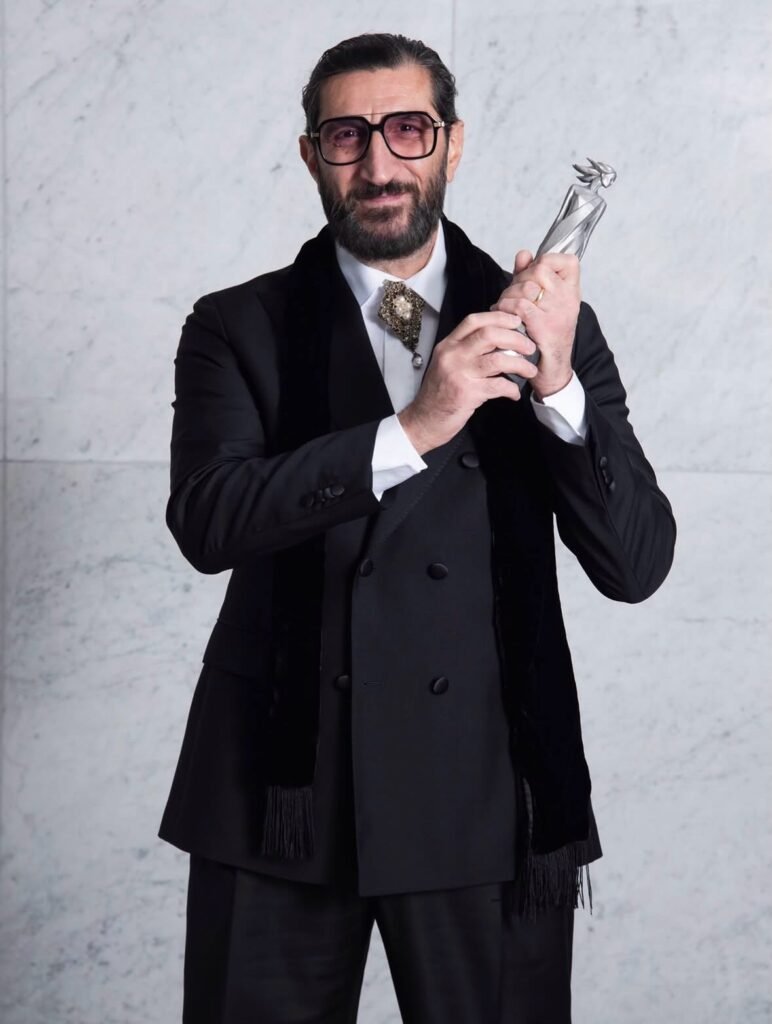

Lebanese-Swedish actor Fares Fares and Egyptian actor Amr Waked offer another example of this exchange. Both appeared in Tarik Saleh’s Eagles of the Republic, a 2025 Swedish-French production selected for the Cannes competition. The Arabic-language film brought regional performers into an international co-production while keeping Egyptian society and its entertainment industry at the center of the story.

Lebanese actress and filmmaker Nadine Labaki represents a further dimension of crossing borders. Her work combines acting and directing, with films including Caramel and Where Do We Go Now? reaching international festival audiences. Her third feature, Capernaum, won the Jury Prize at Cannes in 2018 and received an Academy Award nomination for Best Foreign Language Film. Labaki’s career demonstrates how Arab talent can influence international cinema through creative leadership as well as performance.
An Earlier Pioneer: Omar Sharif
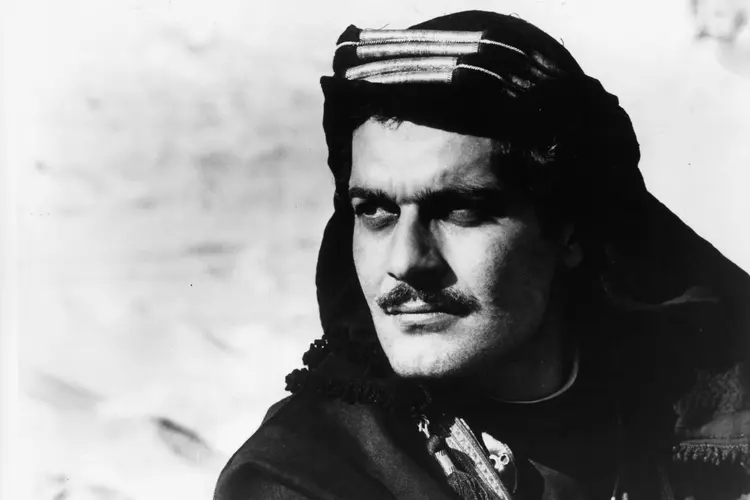
Long before today’s generation began entering global franchises and streaming productions, Egyptian actor Omar Sharif established a remarkable international career.
His breakthrough arrived with David Lean’s Lawrence of Arabia in 1962. His performance earned him an Academy Award nomination for Best Supporting Actor and two Golden Globe Awards. He later led Doctor Zhivago, becoming one of the first Arab actors to achieve major Hollywood stardom.
Sharif’s career crossed more than 100 American and international films. At a time when Hollywood frequently relied on reductive portrayals of Arab characters, he offered a different screen presence. His achievements created an important reference point for the generations that followed.
Beyond the Breakthrough Role
These journeys differ in geography, language, and opportunity. Yet they share an ambition to work beyond the limits traditionally assigned to Arab performers.
Some have crossed into major franchises, others have built lasting careers through independent cinema, and an increasing number are producing and directing their own projects. Their presence is important, but the larger shift lies in the variety of characters they can portray and the stories they can help shape.
The next chapter is not simply about seeing more Arab actors on international screens. It is about seeing them lead complex stories, build creative partnerships, and influence the industry from both sides of the camera.