
Art has always been more than something we look at. It tells stories, preserves memories, and reflects the identities of the people who create it. Few artistic traditions demonstrate this quite like Islamic art. Across centuries, continents, and civilizations, it has developed a distinctive visual language that continues to inspire artists, architects, designers, and admirers around the world.
Observed annually on November 18, the International Day of Islamic Art celebrates this extraordinary artistic heritage. Proclaimed by UNESCO in 2019, the occasion recognizes the cultural importance of Islamic art and encourages greater appreciation of its diversity, history, and influence.
This year, we explore the artistic traditions that shaped its identity, the details that make it instantly recognizable, and two important institutions in the Arab world preserving its legacy: the Museum of Islamic Art in Qatar and its historic counterpart in Egypt.
Beyond Calligraphy: Understanding the Beauty of Islamic Art
When discussing Islamic art, calligraphy and geometric patterns are often the first things that come to mind. However, its artistic vocabulary extends far beyond these familiar elements.
Islamic art encompasses an extraordinary range of creative expressions. These include architecture, manuscript illumination, ceramics, metalwork, textiles, woodwork, glass, and decorative craftsmanship.
It also reflects the geographical diversity of the Islamic world. From the architectural traditions of Andalusia to the intricate craftsmanship of Persia, the Ottoman Empire, North Africa, and the Indian subcontinent, each region developed its own artistic characteristics.
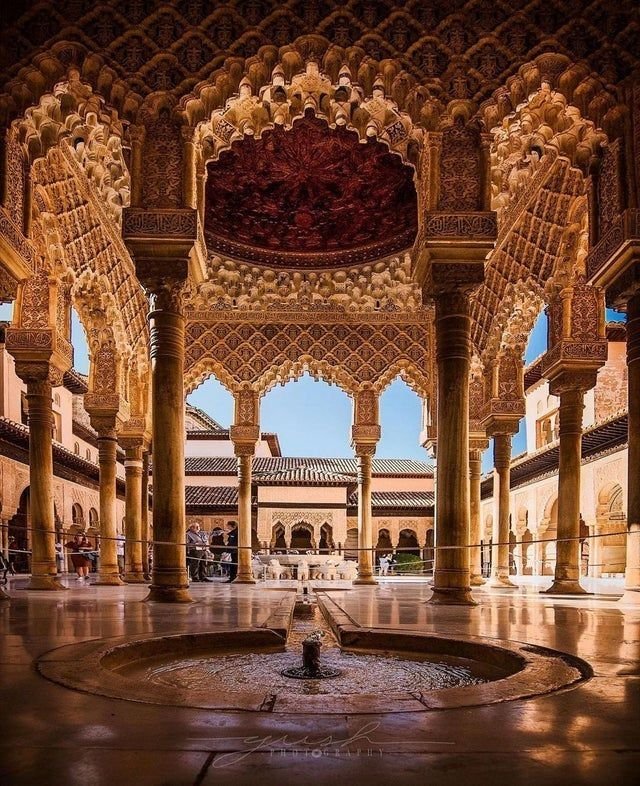
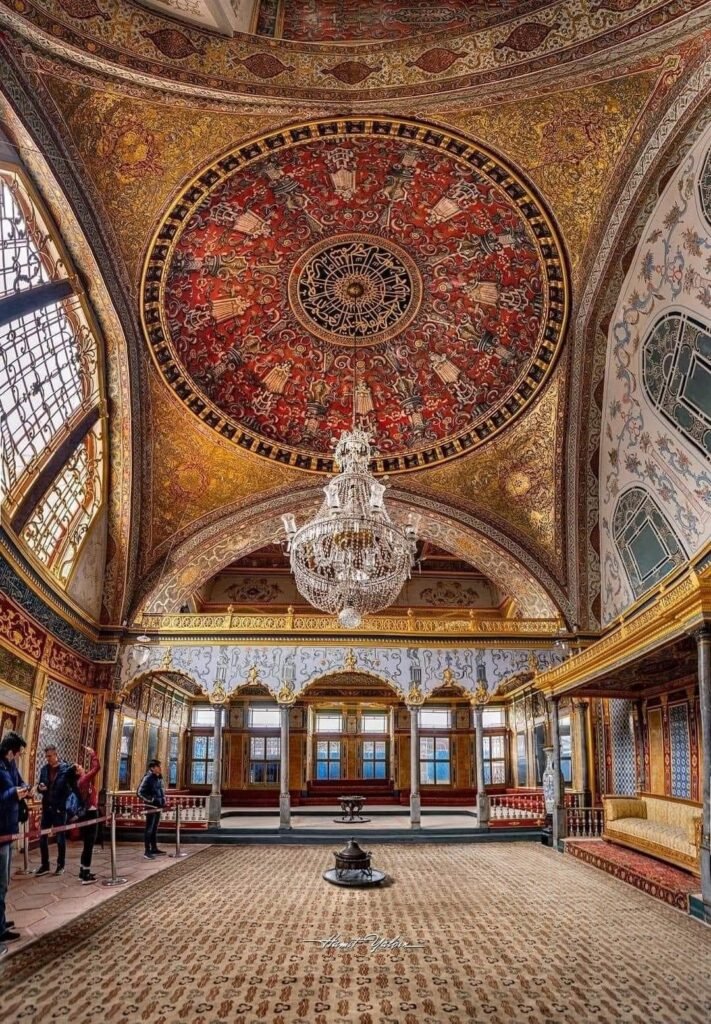
Rather than following one universal style, Islamic art evolved through cultural exchange, regional influences, and changing artistic movements. Its history reflects centuries of interaction between communities, materials, and ideas.
The Details That Define Its Artistic Identity
One of the most fascinating aspects of Islamic art is its attention to detail. Every pattern, inscription, and decorative element reflects a remarkable appreciation for craftsmanship.
Geometric Patterns
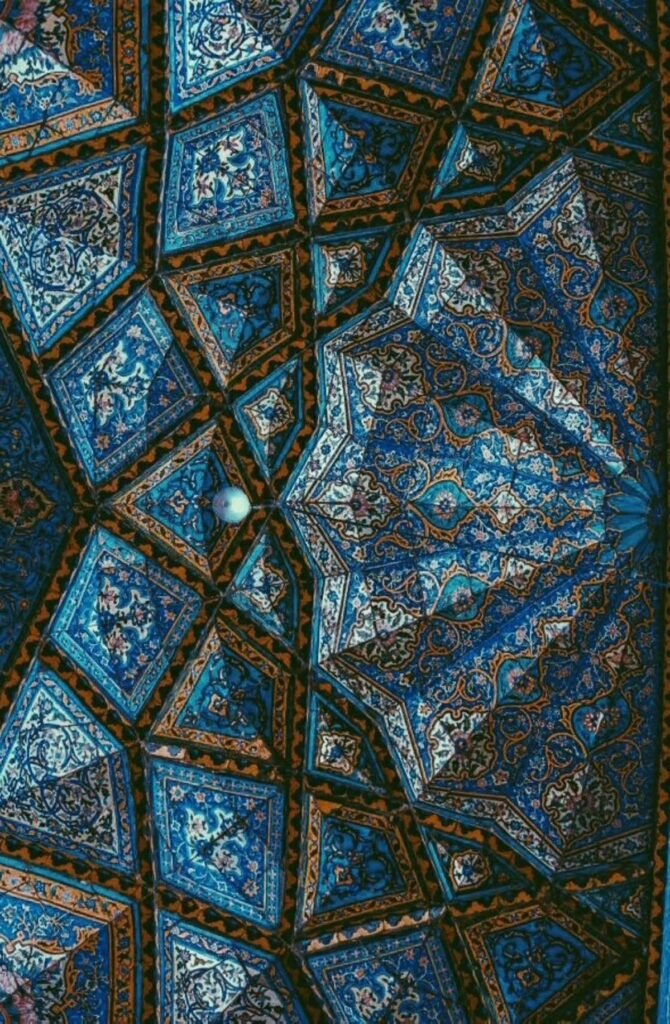
Geometric compositions remain among the most recognizable features of Islamic artistic traditions. Repeated shapes, symmetrical arrangements, and intricate interlocking designs create visual rhythm and remarkable complexity.
These patterns appear across architecture, decorative objects, tiles, and manuscripts. Their mathematical precision demonstrates the relationship between artistic creativity and geometry.
Arabic Calligraphy
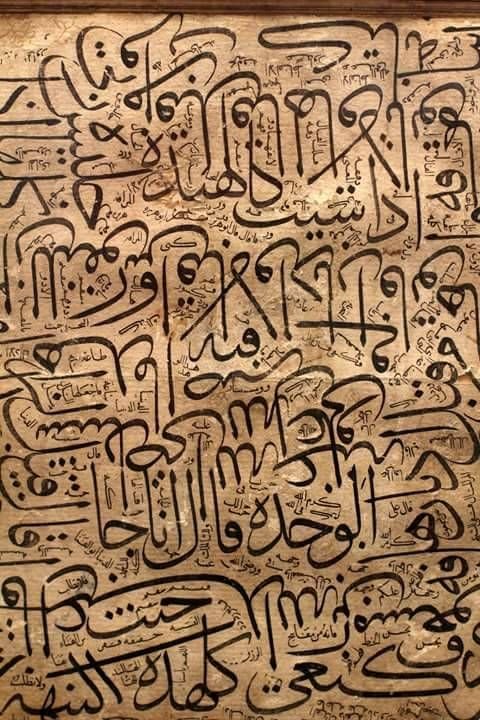
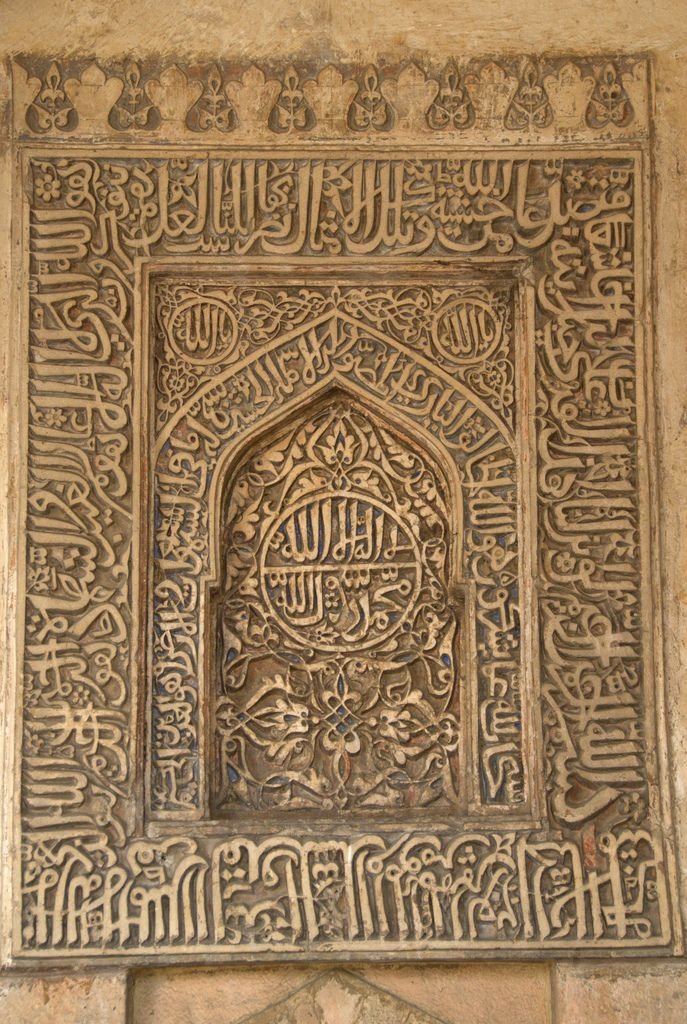
Calligraphy holds a particularly significant place in Islamic art. The Arabic script developed into an expressive artistic medium, especially through the decoration of Qur’anic manuscripts and architectural inscriptions.
Different calligraphic styles emerged across historical periods and regions, transforming written language into an art form in its own right.
Floral Motifs and Arabesques
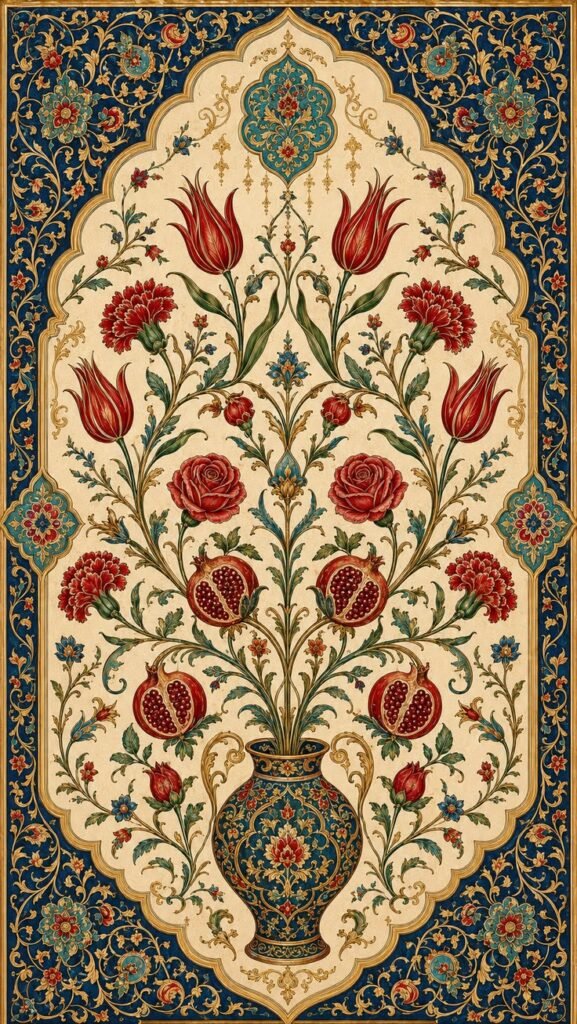
Inspired by nature, floral compositions and arabesque patterns introduce movement and organic beauty into Islamic decorative traditions.
Leaves, vines, flowers, and interconnected forms often create elaborate compositions across ceramics, textiles, architectural surfaces, and illuminated manuscripts.
Architecture and Craftsmanship
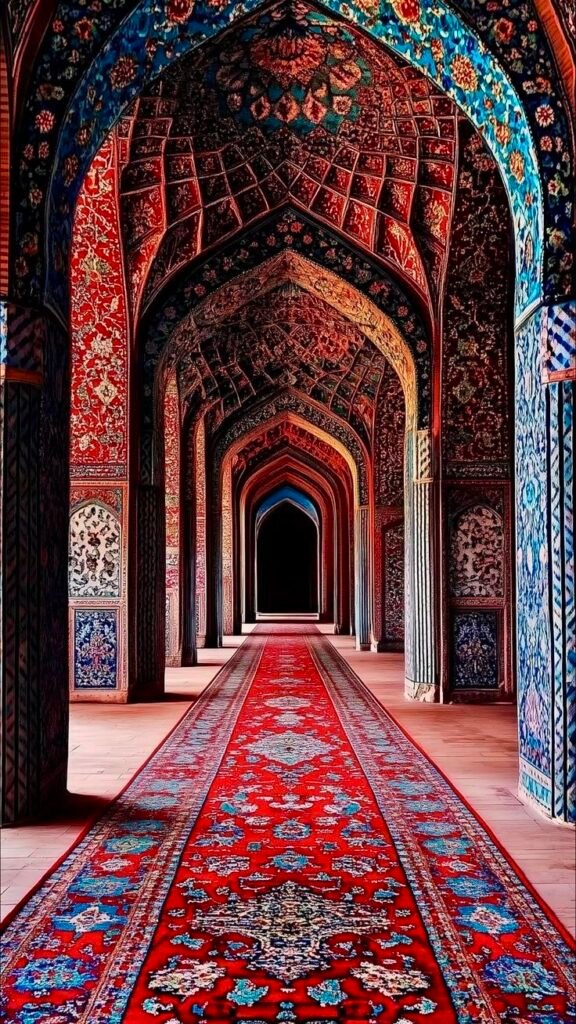
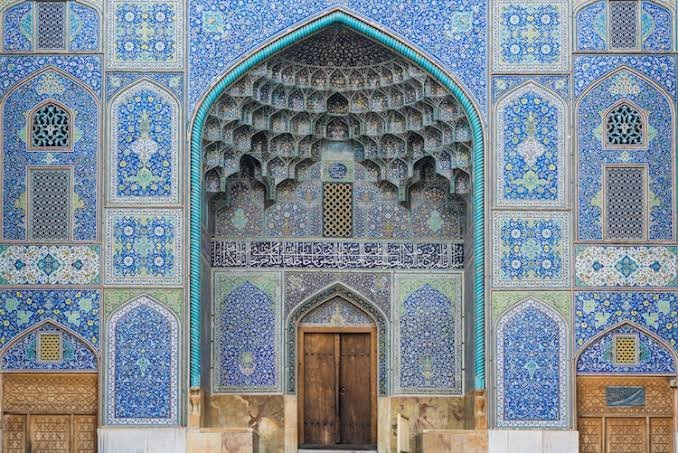
Perhaps nowhere is Islamic artistic expression more visible than in architecture. Mosques, palaces, courtyards, and historic buildings showcase the relationship between decorative beauty and architectural design.
From elaborate domes and carved wooden ceilings to colorful ceramic tiles and ornamental arches, these structures demonstrate how art can become part of everyday spaces.
Museum of Islamic Art in Qatar: Celebrating the Occasion Today
A celebration of Islamic art would not be complete without recognizing the institutions dedicated to preserving its extraordinary history.
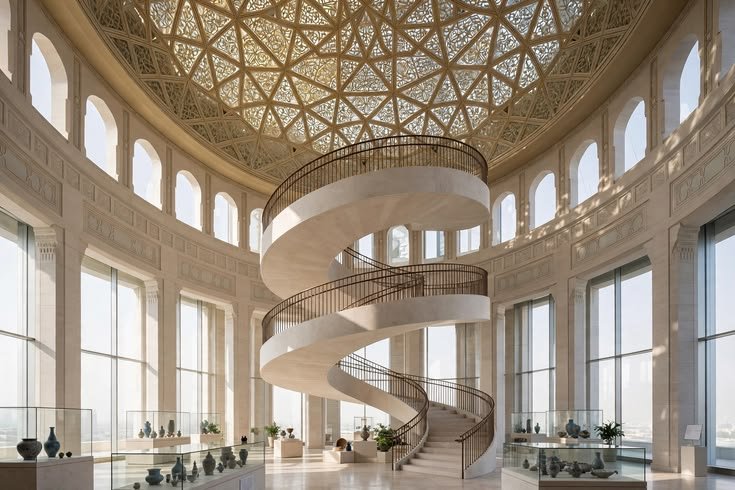
Located along Doha’s waterfront, the Museum of Islamic Art (MIA) in Qatar is among the region’s most significant cultural institutions. Opened in 2008, the museum was designed by renowned architect I. M. Pei, whose architectural vision drew inspiration from traditional Islamic architecture.
Its striking exterior, monumental atrium, and carefully considered use of natural light make the building an architectural attraction in its own right.
Inside, visitors can explore an extensive collection of Islamic art spanning the seventh to the twentieth centuries. Its galleries bring together manuscripts, ceramics, jewelry, textiles, glass, and metalwork from different parts of the world.
This year’s International Day of Islamic Art brings an especially exciting opportunity to experience the museum. On November 18, MIA is hosting a full-day cultural program from 9 AM to 7 PM, with activities designed for visitors of different ages.
The celebrations include The Art of Islamic Illumination, a morning workshop running from 10 AM to 12 PM. Participants can explore traditional patterns, pigments, and illumination techniques before creating their own artwork.
From 2 PM to 3 PM, visitors can join guided tours in Arabic and English, discovering selected masterpieces and the stories behind them. Families can also participate in creative activities and storytelling sessions throughout the afternoon.
Another highlight is Through the Curator’s Eye, an Arabic-language tour scheduled for 3 PM. The experience offers visitors an opportunity to explore the collection through the perspective of the people who study and preserve it.
The museum’s library is also joining the celebration with drop-in activities, including bookmark making, Islamic art puzzles, and the Spinning Label Lab. Meanwhile, Heritage on Stage, running from 4 PM to 5 PM, brings students from schools across Qatar together to celebrate their cultural traditions.
The program reflects the museum’s commitment to making Islamic art accessible, interactive, and relevant to new generations.
Cairo’s Museum of Islamic Art: A Historic Treasure Closer to Home
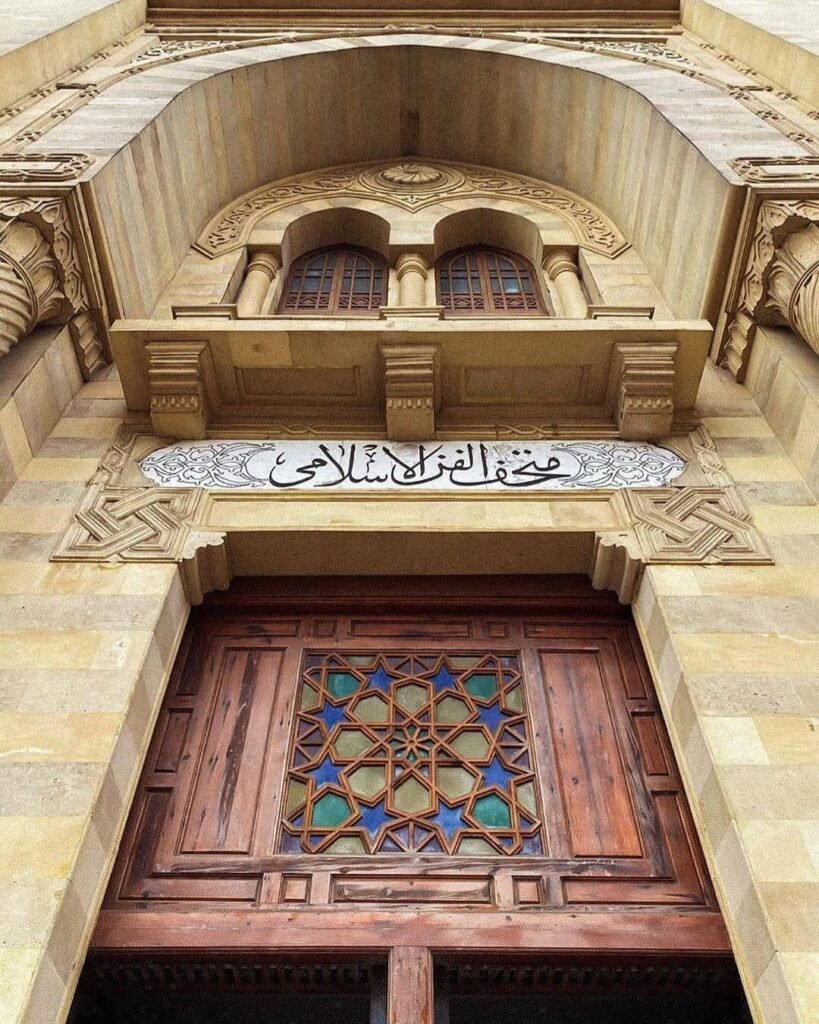
While Doha offers a contemporary cultural destination dedicated to Islamic artistic heritage, Egypt is home to one of the world’s most extensive collections of Islamic artifacts.
Located in Bab Al-Khalq in historic Cairo, the Museum of Islamic Art has a history dating back to 1880. Its current building was officially inaugurated on December 28, 1903, during the reign of Khedive Abbas Helmy II.
The museum began with a collection of artifacts gathered during the nineteenth century. Over time, it developed into a major institution dedicated to preserving and presenting the artistic achievements of Islamic civilizations.
Today, its collection includes remarkable examples of metalwork, ceramics, glass, textiles, carpets, jewelry, woodwork, manuscripts, and scientific instruments. The objects represent different historical periods and regions, extending from Egypt and the Arab world to Persia, Turkey, India, and beyond.
Among its notable treasures are an intricately decorated Mamluk key to the Kaaba and rare examples of early Kufic inscriptions.
The museum also explores subjects such as astronomy, medicine, architecture, water, and gardens, highlighting the relationship between artistic expression and intellectual achievement throughout Islamic history.
Its story also reflects the resilience of Egypt’s cultural heritage. In January 2014, the museum suffered extensive damage from an explosion targeting the nearby Cairo Security Directorate. Its collection and building subsequently underwent restoration, and the museum reopened in 2017.
Today, it remains an important destination for anyone interested in exploring the artistic and cultural history of the Islamic world.
An Artistic Legacy That Continues to Inspire
Although Islamic art carries centuries of history, its influence is far from confined to museums and historical monuments.
Its visual language continues to appear in contemporary architecture, interior design, fashion, jewelry, and decorative arts. Designers frequently revisit geometric compositions, intricate ornamentation, traditional craftsmanship, and architectural references, translating them into modern creative expressions.
This continued influence demonstrates that Islamic art is not simply a historical record. It is an evolving cultural heritage that continues to inspire new interpretations.
Its enduring appeal also lies in its ability to connect different generations and cultures. The techniques may evolve, materials may change, and artistic expressions may become more contemporary, but the appreciation for detail, balance, and craftsmanship remains.
Ultimately, the International Day of Islamic Art is an opportunity to look beyond familiar patterns and appreciate the stories behind them. From Cairo’s historic museum halls to Doha’s contemporary cultural spaces, the occasion reminds us that artistic heritage deserves to be celebrated, protected, and shared.
And perhaps that is the most beautiful thing about Islamic art: centuries after its earliest expressions, it continues to find new ways to speak to the world.