
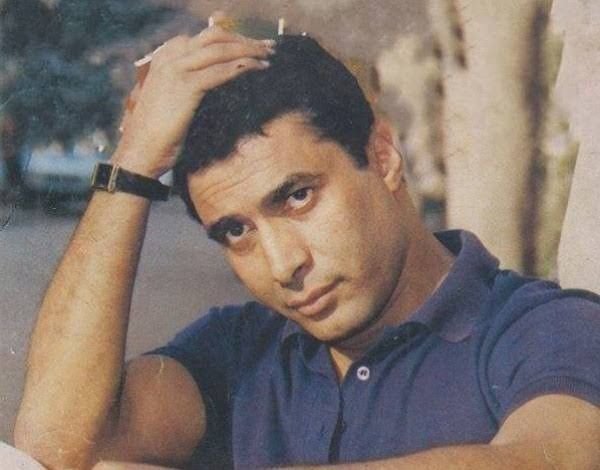
Some actors leave behind a filmography. Others leave behind an entire piece of cultural history. Ahmed Zaki belonged to the latter.
Born on November 18, 1946, the Egyptian actor became one of the most influential figures in Arab cinema. His performances crossed social boundaries, challenged expectations, and captured the many faces of Egyptian society. From the struggling young man to powerful political figures, Zaki brought an extraordinary sense of humanity to every character he portrayed.
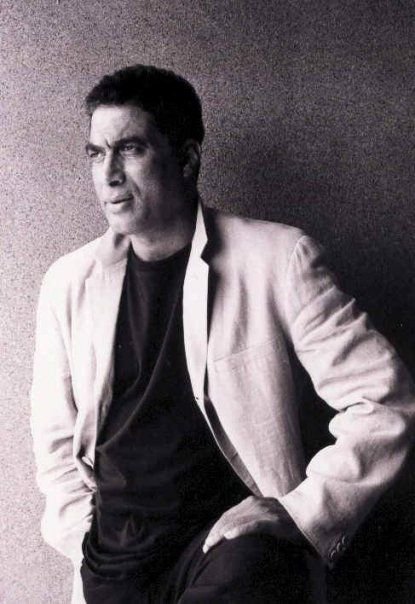
On what would have been his 77th birthday, we remember the man affectionately known as The Emperor, celebrating the performances, films, and unforgettable moments that made his name part of Egyptian cinematic history. He passed away on March 27, 2005, but his work continues to speak to generations of audiences.
From the Theatre to the Big Screen: Where It All Began
Ahmed Zaki’s story began in Zagazig, Sharqia, where he was born and raised. His journey into acting was not an effortless one. Despite facing educational and financial obstacles, he remained determined to pursue his passion.
His first theatrical appearance came in 1967, while studying at the Higher Institute of Theatrical Arts. He appeared in the play Hamada and Maha, marking the beginning of a career that would eventually transform Egyptian cinema.
He subsequently appeared in theatrical productions, including Hello Shalaby, before gaining wider recognition through the legendary comedy School of the Rowdies (Madraset El-Moshaghbeen). His performance as Ahmed El-Shaer introduced audiences to a different side of his talent. It also demonstrated his remarkable ability to move between comedy and drama.
His first appearance on the big screen came in 1972, in Waladi, alongside the legendary Farid Shawqi. The same year, he also appeared in Sons of Silence (Abna2 Al Samt), a movie that explored the aftermath of the 1967 war.
However, his journey to leading-man status took time. He gradually moved from supporting appearances into more complex roles, eventually earning his first leading film role opposite Soad Hosny in Ali Badrakhan’s Shafiqa and Metwalli (1978).
It was the beginning of a remarkable cinematic journey.
The Roles That Made Ahmed Zaki an Icon
What made Ahmed Zaki different was never simply his ability to memorize lines or transform his appearance. He understood the emotional worlds of his characters. He blended with the characters he played as one. Whether portraying an ordinary Egyptian struggling against his circumstances or a historical figure carrying the weight of a nation, he approached every performance with extraordinary intensity.
A few films, in particular, remain essential to understanding his legacy.
Al Nemr Al Aswad (1984)
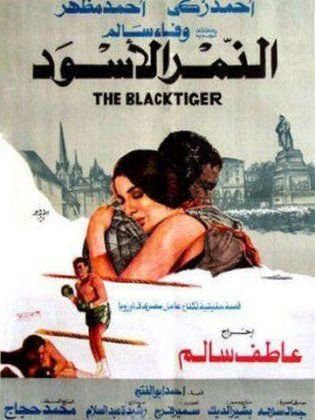
In Al Nemr Al Aswad, Zaki portrayed Mohammed Hassan, an Egyptian boxer who travels to Germany in pursuit of a better life. The character navigates discrimination, ambition, love, and the challenges of building a future away from home.
The performance showcased his physical commitment and emotional range. It also became one of the defining roles associated with his screen persona.
Al Baree2 (1986)
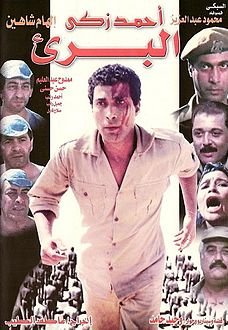
If there is one performance that captures the dramatic power of Ahmed Zaki, The Innocent (Al-Baree2) deserves special attention.
Directed by Atef El-Tayeb, the film follows a young security guard whose understanding of the world begins to change as he witnesses the cruelty and injustice surrounding him.
Zaki’s portrayal of Ahmed Saba’ El-Leil remains one of his most memorable dramatic performances. He brought vulnerability, confusion, and emotional conflict to a character caught between obedience and conscience.
The film also became an important work in Egyptian cinema for its exploration of authority, individual responsibility, and social injustice.
Zawget Ragol Mohem (1988)
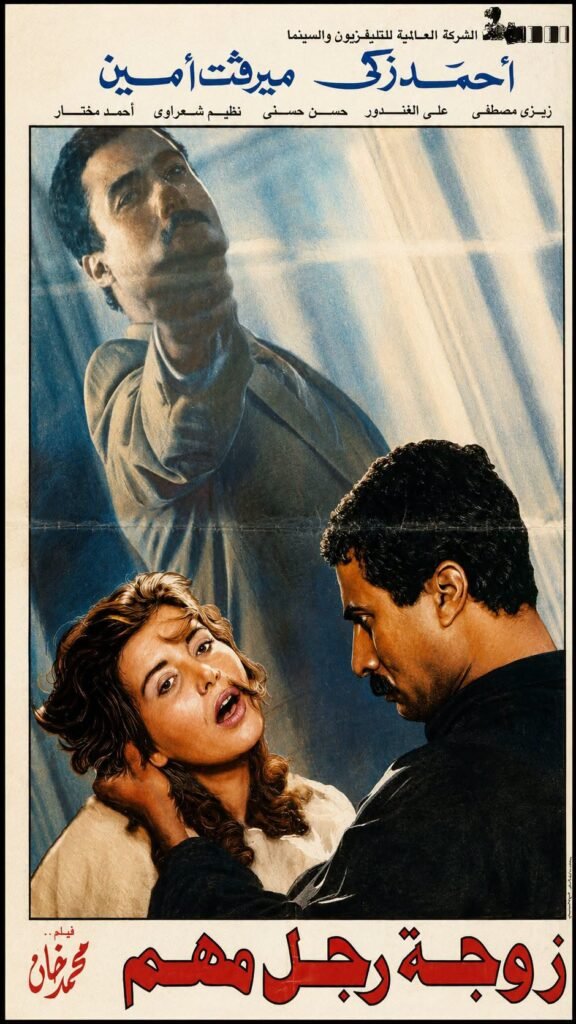
In A Wife of an Important Man (Zawget Ragol Mohem), Zaki delivered another unforgettable performance.
He portrayed Hisham, a police officer whose growing influence and obsession with power gradually affect his personal life and marriage.
The role demonstrated his ability to portray psychological complexity without relying on exaggerated performances. It remains one of the most compelling examples of his work with director Mohamed Khan.
Kaboria (1990)
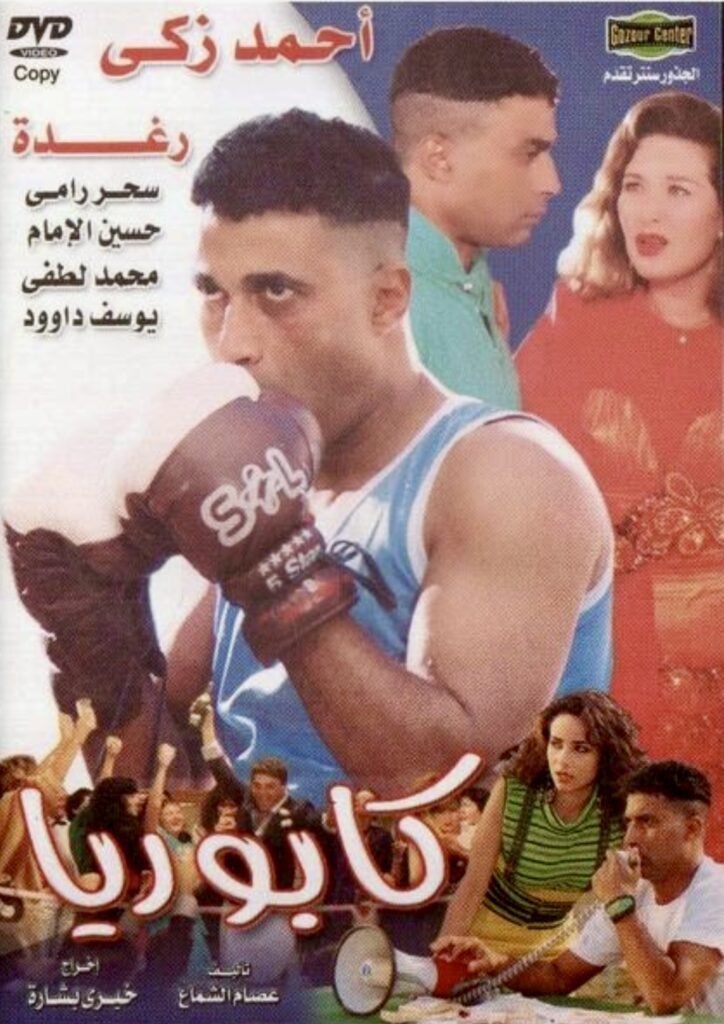
Not every memorable Ahmed Zaki performance had to be tragic.
In Kaboria, he played Hassan Hadhoud, a young boxer navigating ambition, relationships, and the realities of everyday life.
The film highlighted his charisma and natural screen presence, reminding audiences that his talent extended far beyond intense dramatic performances.
Nasser 56 (1996) and The Sadat Days (2001)
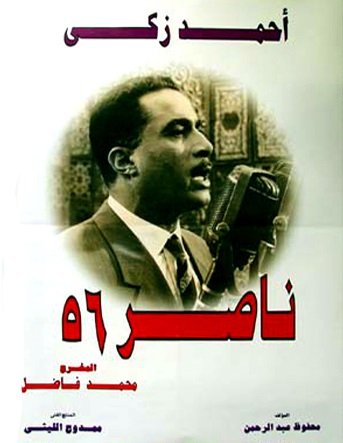
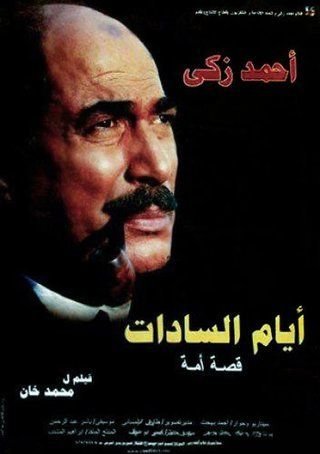
Perhaps one of the most remarkable chapters of Zaki’s career was his portrayal of two Egyptian presidents.
In Mohamed Fadel’s Nasser 56, he embodied President Gamal Abdel Nasser during the historic nationalization of the Suez Canal in 1956. His transformation went beyond physical resemblance, capturing the public image and personal intensity associated with the historical figure.
Years later, he portrayed President Anwar Sadat in Mohamed Khan’s Ayam El Sadat. Once again, he demonstrated his ability to approach a real-life personality with careful observation and impressive detail.
These performances cemented his reputation as an actor capable of bringing some of Egypt’s most recognizable historical figures to life.
Halim (2006): A Final Performance
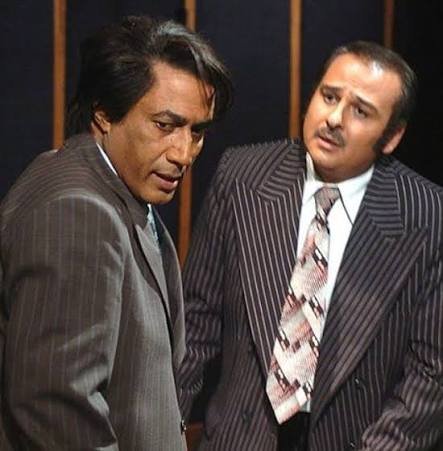
One cannot remember Ahmed Zaki without mentioning Halim, his portrayal of legendary Egyptian singer Abdel Halim Hafez.
Directed by Sherif Arafa, the film became his final screen performance. Zaki passed away on March 27, 2005, before completing the entire production. The film was subsequently completed and released in 2006.
There is something particularly moving about this final role. Zaki spent his last cinematic chapter portraying another Egyptian icon whose music and legacy had touched generations.
The Awards and Recognition Behind the Legacy
Ahmed Zaki’s contribution to cinema was recognized through numerous awards and honors throughout his career.
Among his notable achievements were:
- Cairo International Film Festival: Recognition for his performance in A Bird on the Road and an acting award for His Excellency the Minister.
- Carthage Film Festival: Best Actor recognition for Against the Government.
- Alexandria Film Festival: Acting recognition for One Woman Is Not Enough and The Basha.
- Shanghai International Film Festival: Best Actor award for Smile, the Picture Comes Out Better in 1999.
- Film Society Awards: Recognition for his performances in The Innocent and The Basha.
His legacy received another significant recognition in 1996, when six films featuring him appeared on the list of the 100 Greatest Egyptian Films. These included The Innocent, A Wife of an Important Man, Love Above the Pyramid Plateau, Alexandria… Why?, Dreams of Hind and Camilia, and Sons of Silence.
His achievements reflected more than professional success. They represented the lasting cultural impact of an actor whose performances became inseparable from the history of Egyptian cinema.
More Than an Actor: A Legacy That Lives On
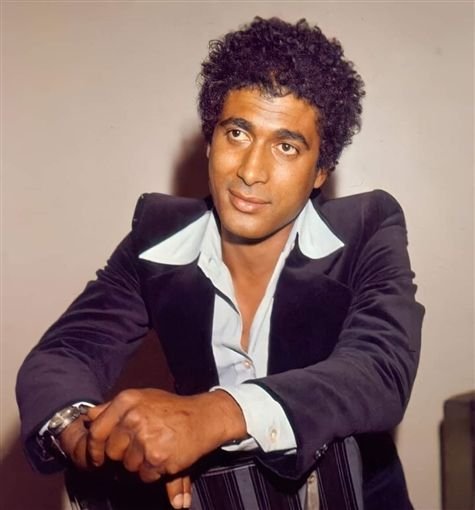
Ahmed Zaki passed away on March 27, 2005, following a battle with cancer. He was 55 years old.
Yet, two decades later, his presence remains remarkably familiar. His films continue to appear on television, his characters remain part of everyday cultural conversations, and his performances continue to inspire discussions about what makes a truly exceptional actor.
Perhaps his greatest achievement was his ability to make every character feel real. He could make audiences laugh, uncomfortable, emotional, and reflective, sometimes within the same film.
He represented ordinary people without diminishing their struggles. He portrayed powerful figures without losing sight of their humanity. And he approached every role with a commitment that made even his fictional characters feel like people we might have known.
Today, as we celebrate what would have been his 77th birthday, we remember Ahmed Zaki not simply for the films he made, but for the emotions he left behind.
Some legends belong to their time. Ahmed Zaki belongs to every generation that discovers his work.