


You don’t need to disappear from the internet to feel less overwhelmed. Start by changing four everyday digital habits that take up more attention than you realise.
Our phones have become the first thing we reach for in the morning and often the last thing we put down at night. Between notifications, endless scrolling, group chats, and constant updates, our attention rarely gets a moment to rest.
Technology makes everyday life easier. It helps us work, stay connected, discover new interests, and access information. However, the way we use it can sometimes leave us feeling distracted and mentally overloaded.
Research increasingly suggests that the quality of our digital habits matters. A 2025 randomised controlled trial found that reducing smartphone screen time improved several mental health measures among participating students. These included stress, sleep quality, and depressive symptoms.
You don’t need to delete every social media account or switch off your phone for a week. Instead, start with four habits you can change this month.
1. Stop Checking Your Phone the Moment You Wake Up

For many people, the morning begins with notifications, messages, and social media updates. Before getting out of bed, they have already absorbed other people’s conversations, opinions, and news.
This habit can make mornings feel reactive. Instead of deciding how to spend the day, you immediately respond to whatever appears on your screen.
Try creating a short phone-free window after waking up. Give yourself 20 to 30 minutes before checking messages or opening social media.
Use that time to stretch, prepare breakfast, make coffee, or simply enjoy a quiet start. You can also use it to plan your priorities without outside distractions.
The goal isn’t to avoid important messages. It’s to give yourself the first say in how your morning begins.
2. Stop Treating Every Notification as Urgent
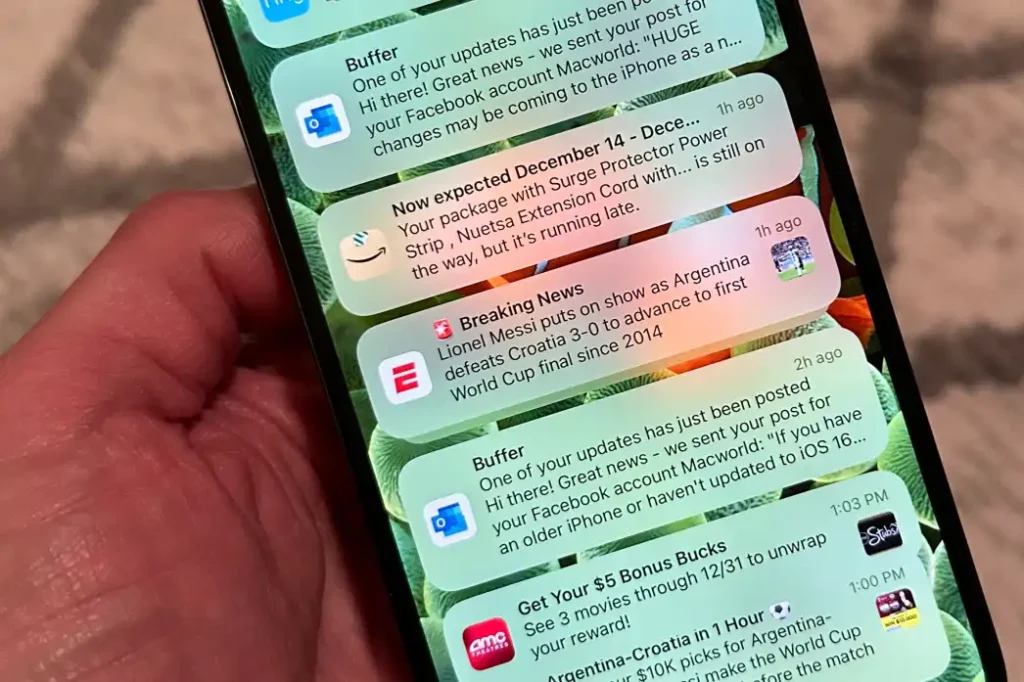
A buzzing phone can interrupt almost anything. Whether you’re working, eating, reading, or spending time with someone, notifications constantly compete for your attention.
However, not every message needs an immediate response. Most promotional alerts, social media updates, and application reminders can wait.
Start by reviewing your notification settings. Keep alerts for essential calls, personal messages, and genuinely important applications. Turn off unnecessary notifications from shopping platforms, games, and social networks.
You can also introduce designated periods for checking messages. This creates more uninterrupted time for work and everyday activities.
The idea isn’t to become unreachable. It’s to decide which interruptions deserve your attention.
3. Replace Endless Scrolling With Intentional Screen Time

Opening Instagram to check one message can quickly turn into 40 minutes of scrolling. One video leads to another, and suddenly, you’ve lost track of time.
Social media can provide entertainment, inspiration, and genuine connections. However, habitual use can become difficult to control, particularly when platforms constantly recommend new content.
A 2024 systematic review found that ordinary social media use had relatively weak associations with depression and anxiety. However, problematic social media use showed stronger associations with mental health difficulties and poorer well-being.
This distinction matters. Spending time online isn’t automatically harmful. The problem often begins when scrolling becomes automatic rather than intentional.
Try setting a specific purpose before opening an application. Decide whether you’re checking messages, following an account, or looking for something specific.
You can also remove applications from your home screen, set daily usage reminders, or schedule short breaks. Replace some scrolling sessions with activities that give your attention a different direction.
Read a few pages, take a walk, prepare a meal, or spend time on a hobby. These small alternatives can make your screen time feel more deliberate.
4. Stop Taking Your Phone to Bed

The habit of scrolling before sleeping can make it harder to establish a consistent nighttime routine. Notifications, videos, and messages can keep your attention engaged when you’re trying to wind down.
Sleep also deserves a space that isn’t constantly connected to the rest of the world.
Start by setting a time to put your phone aside before bed. Even 30 minutes without scrolling can create room for a calmer evening routine.
Charge your phone away from your bed if possible. Consider using a traditional alarm clock instead of relying on your mobile device.
You can replace nighttime scrolling with reading, listening to relaxing music, preparing for the next day, or simply allowing yourself some quiet time.
The aim is to make your bedroom a place for rest rather than another extension of your digital routine.
A Month of More Intentional Digital Habits
Changing your relationship with technology doesn’t have to happen overnight. Start with one habit, give yourself time to adjust, and introduce another when you’re ready.
You might begin by leaving your phone untouched for the first 20 minutes of the morning. Next, reduce unnecessary notifications and create boundaries around social media.
By the end of the month, these small changes can help you become more aware of where your attention goes.
A digital reset doesn’t mean disconnecting from everything. It means making more room for the things happening beyond your screen.
Sometimes, a clearer mind starts with something as simple as putting your phone down.