
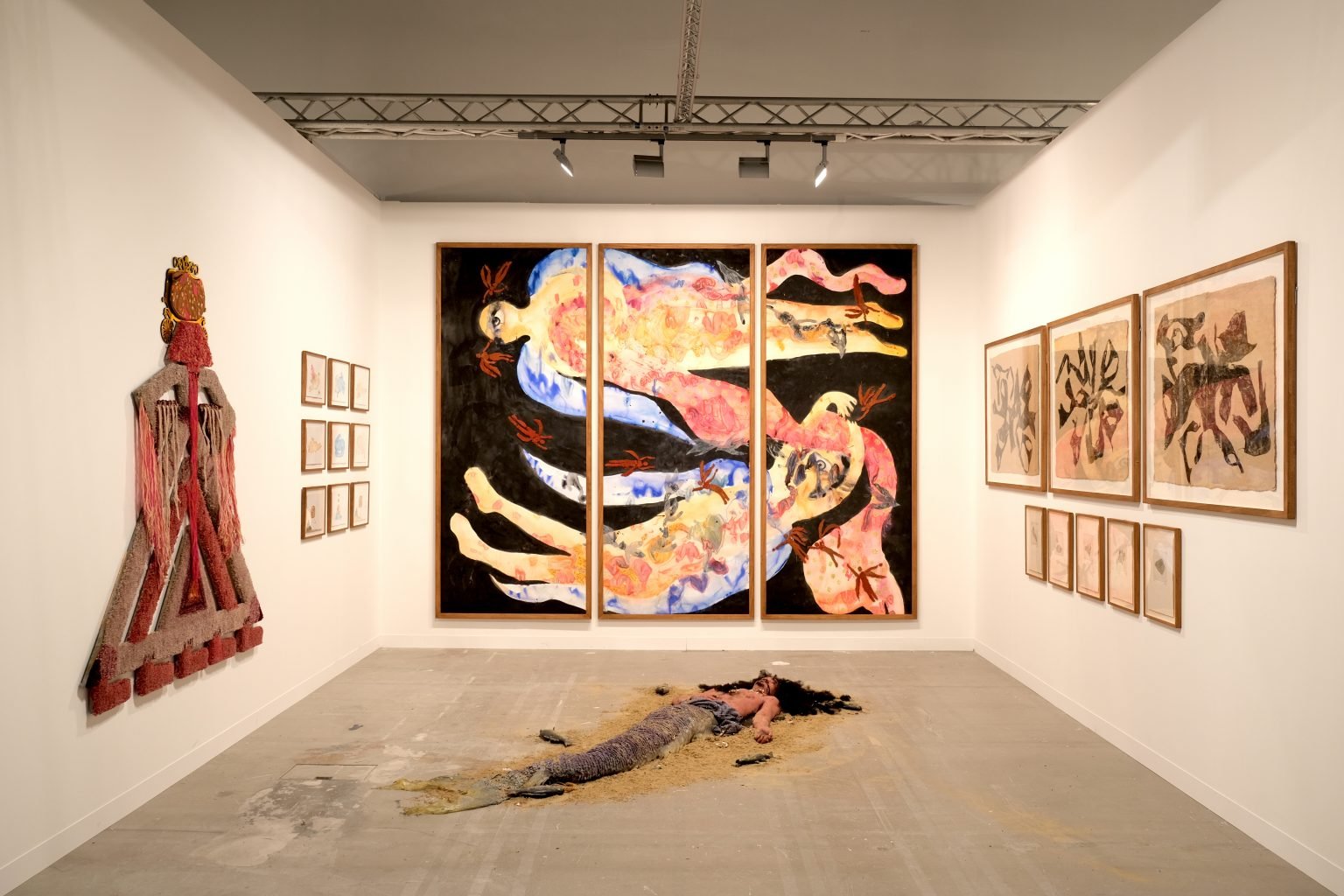
Abu Dhabi is preparing to welcome a new chapter in its cultural story. From November 19 to 22, Frieze Abu Dhabi will make its debut at Manarat Al Saadiyat, bringing together galleries, artists, collectors, and art enthusiasts from across the world.
The inaugural edition will feature 89 galleries from 37 countries and regions. Yet, its most compelling conversations may come from closer to home. With a strong presence of artists and galleries from West Asia and North Africa, the fair offers an opportunity to explore the region’s artistic voices on an international stage.
From pioneering names who shaped modern Arab art to contemporary artists questioning identity, memory, and belonging, here are the artists and galleries worth keeping on your radar.
The Artists Bringing Arab Stories Into Focus
Etel Adnan, MARWAN, and Samia Halaby
At Sfeir-Semler Gallery, three influential figures from the Arab art world will share the spotlight. Etel Adnan, MARWAN, and Samia Halaby represent different artistic journeys, yet their practices share a lasting engagement with abstraction, memory, and the experience of place.
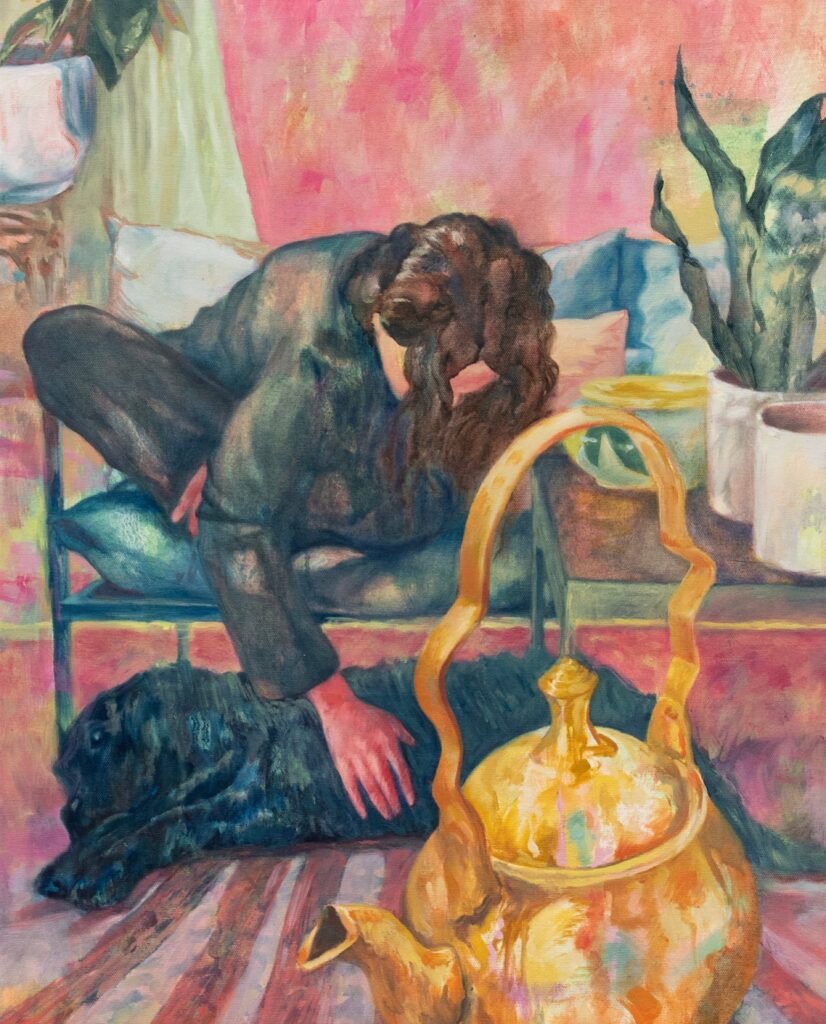
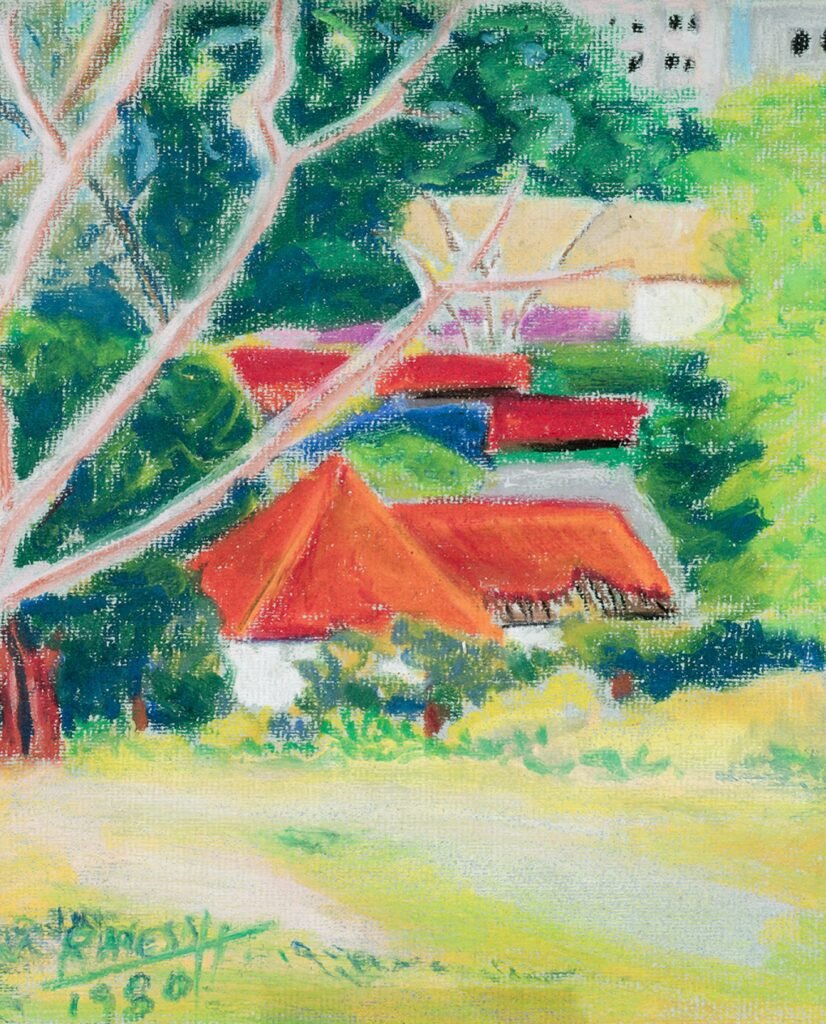
They will appear alongside contemporary artists Lawrence Abu Hamdan, Khalil Rabah, and Taysir Batniji. The presentation also introduces a younger generation, including Tarik Kiswanson, Alia Farid, and Dana Awartani.
Together, these artists offer a compelling look at how Arab artistic practices continue to evolve. Their work addresses political realities, personal histories, and cultural narratives that often remain overlooked in traditional art spaces.
Ibrahim El-Salahi and the Language of Nature
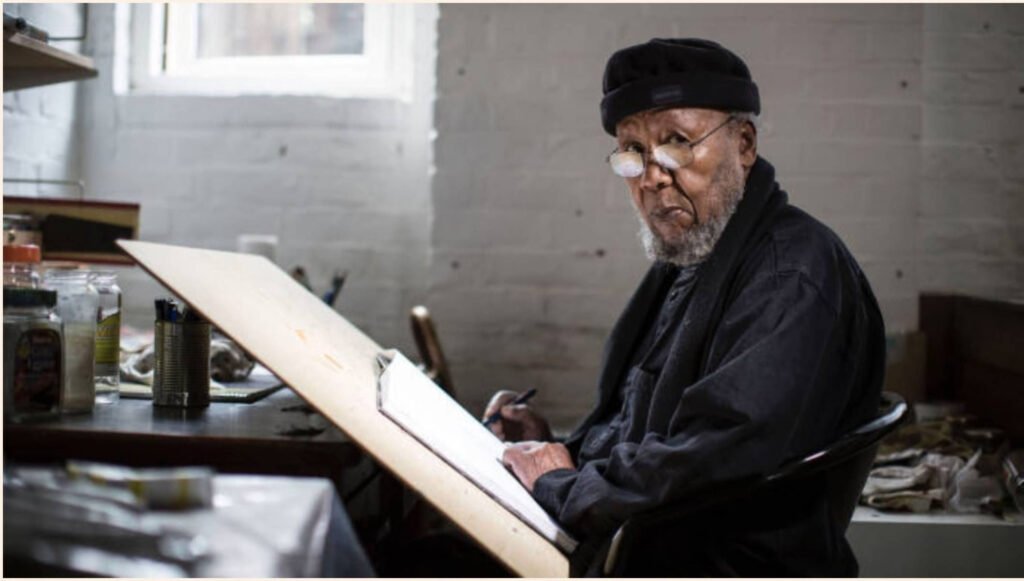
Sudanese artist Ibrahim El-Salahi will be another major name to watch. Presented by Vigo Gallery, his selection features eight works from his Tree series.
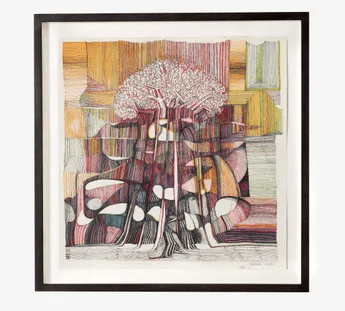
Inspired by the Haraz tree, native to Sudan, the series explores the relationship between nature, spirituality, and identity. El-Salahi approaches the tree as both a self-portrait and a spiritual symbol. It becomes a connection between the earthly and the divine.
The presentation offers a chance to revisit the work of one of Africa and the Arab world’s most influential modern artists.
Mounirah Mosly: Revisiting a Pioneer
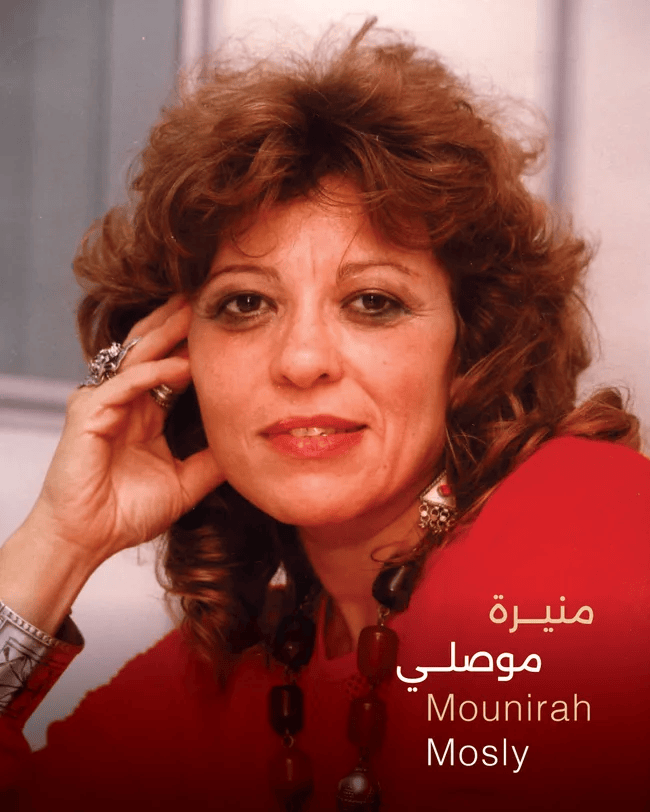
Saudi artist Mounirah Mosly will receive a dedicated presentation at Athr Gallery. The selection brings attention to early works that have not been widely seen in recent years.
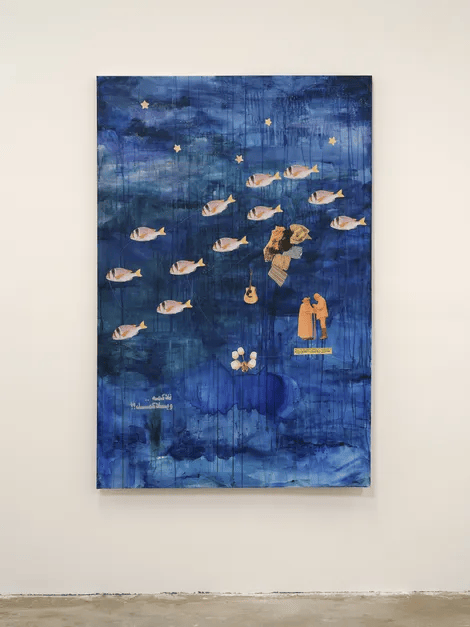
Mosly remains an important figure in the development of modern art in Saudi Arabia. Her presentation offers visitors a chance to reconsider her contribution and explore the foundations of a changing artistic landscape.
Mohammed Joha: Art, Displacement, and Memory
Palestinian artist Mohammed Joha will be presented by Zawyeh Gallery in the Global Futures section.
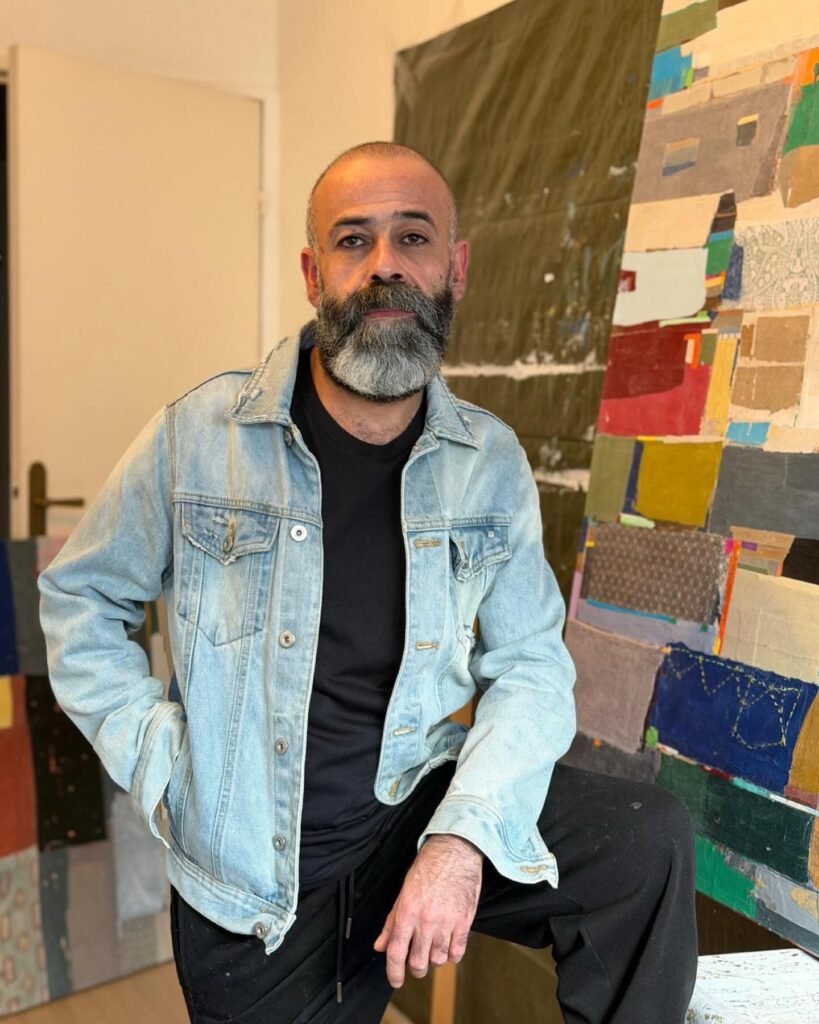
His new works from the ongoing No Shelter series explore displacement, memory, and belonging through textiles and paper collage. The series considers the difference between being without a house and being without a home. It also reflects on how identity can endure beyond physical shelter.
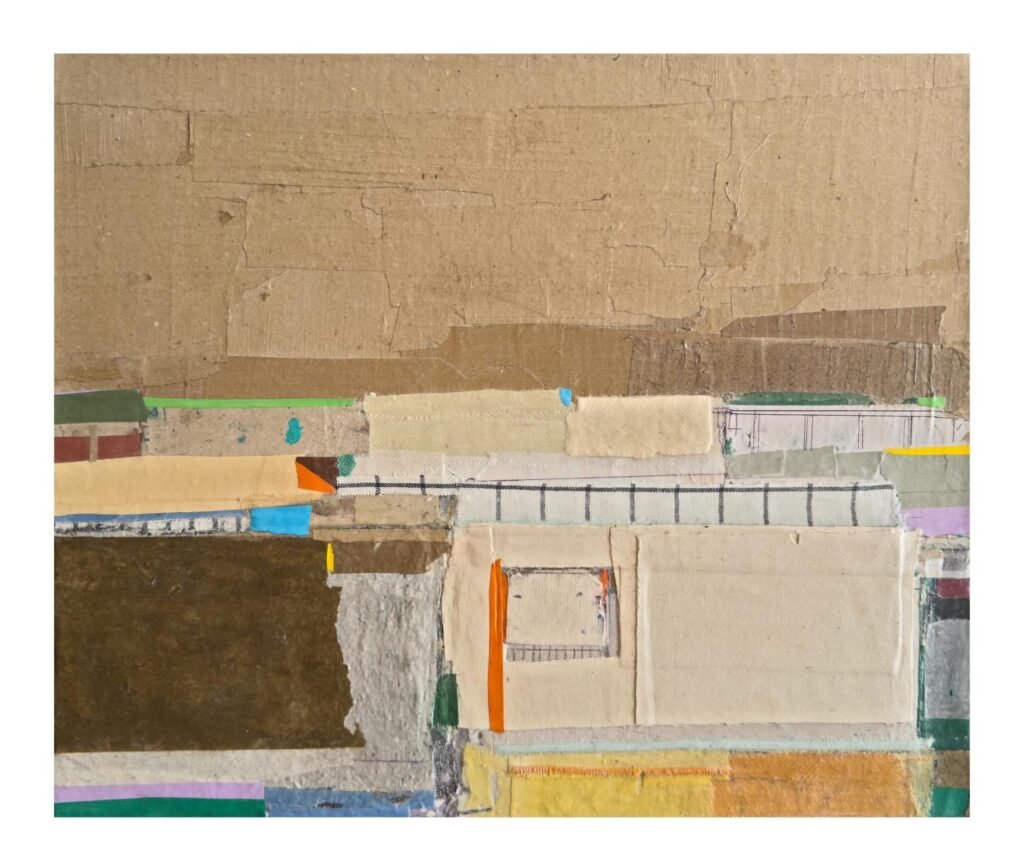
Following his recent presentation at the Venice Biennale, Joha’s participation adds another important Palestinian voice to the fair.
Ala Younis and the Architecture of Memory
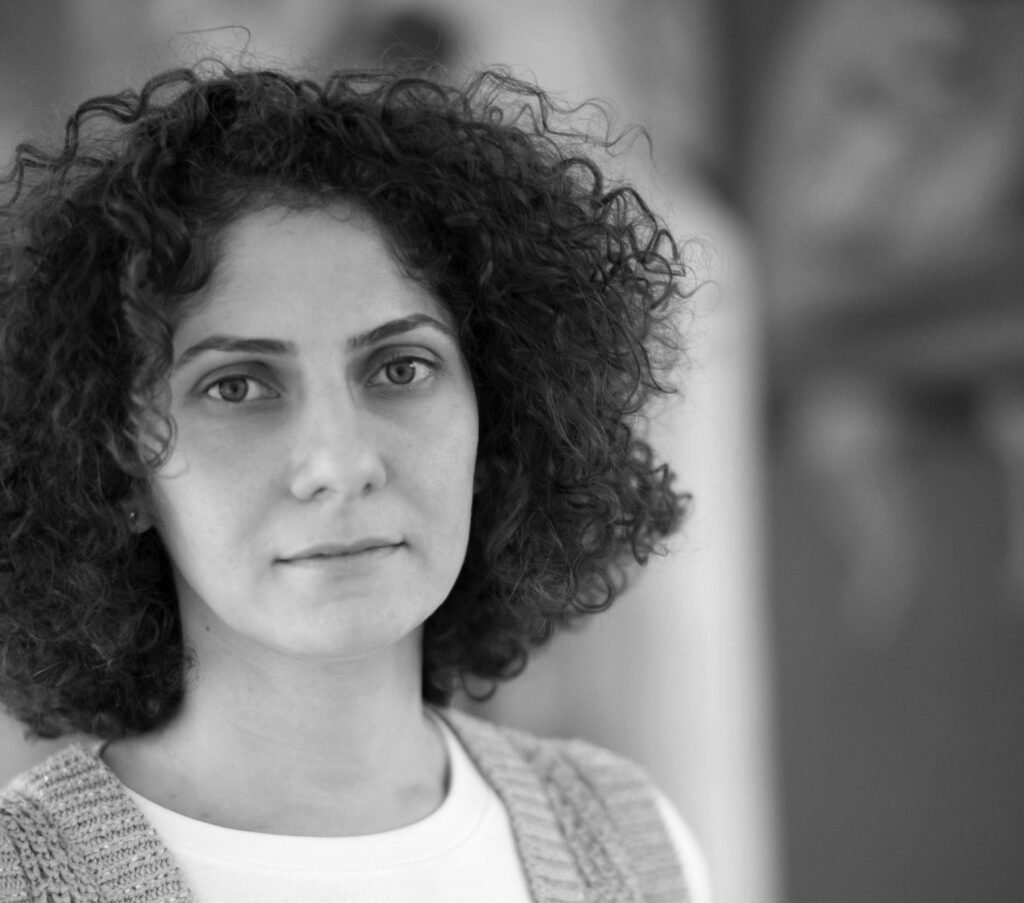
Jordanian artist Ala Younis will appear through Taymour Grahne Projects. Her new mosaic works belong to the ongoing Climate Conditions series.
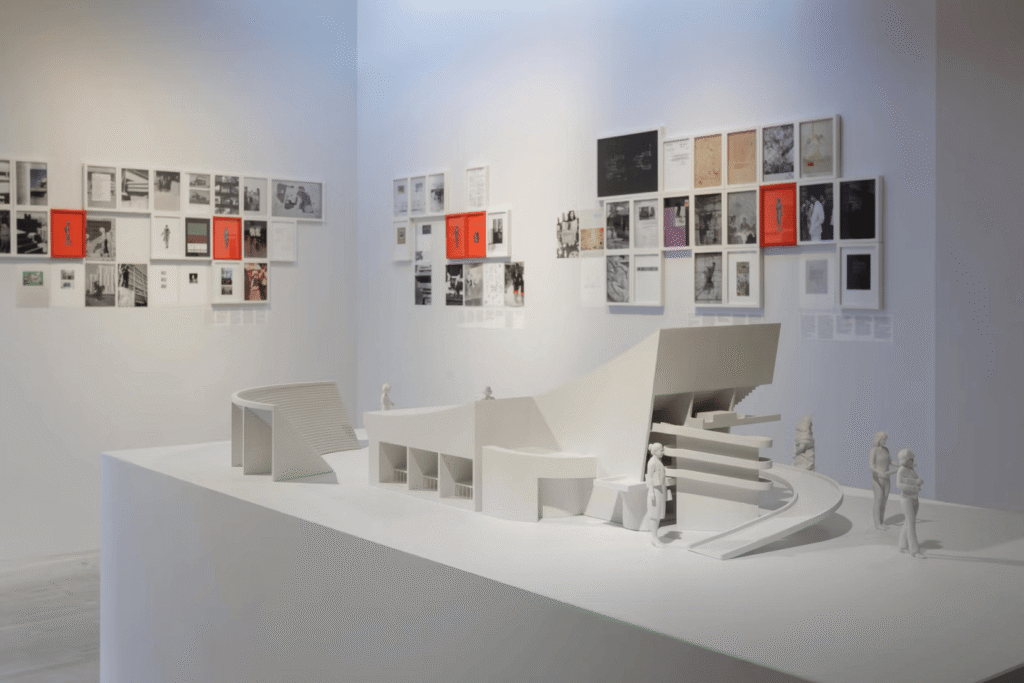
Using materials from her surroundings in Jordan, Younis recreates elements of Abu Dhabi’s modernist architecture as handmade mosaic panels. The project connects architecture with memory, place, and the ways cities transform over time.
Mohammed Kazem and Alia Zaal: Two Generations in Conversation
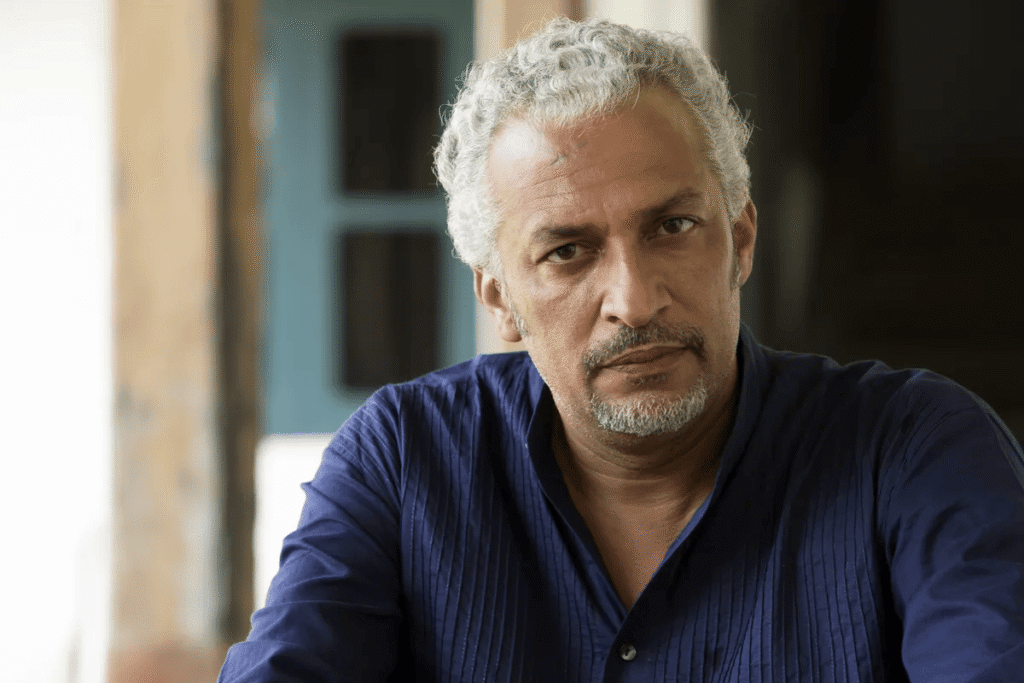
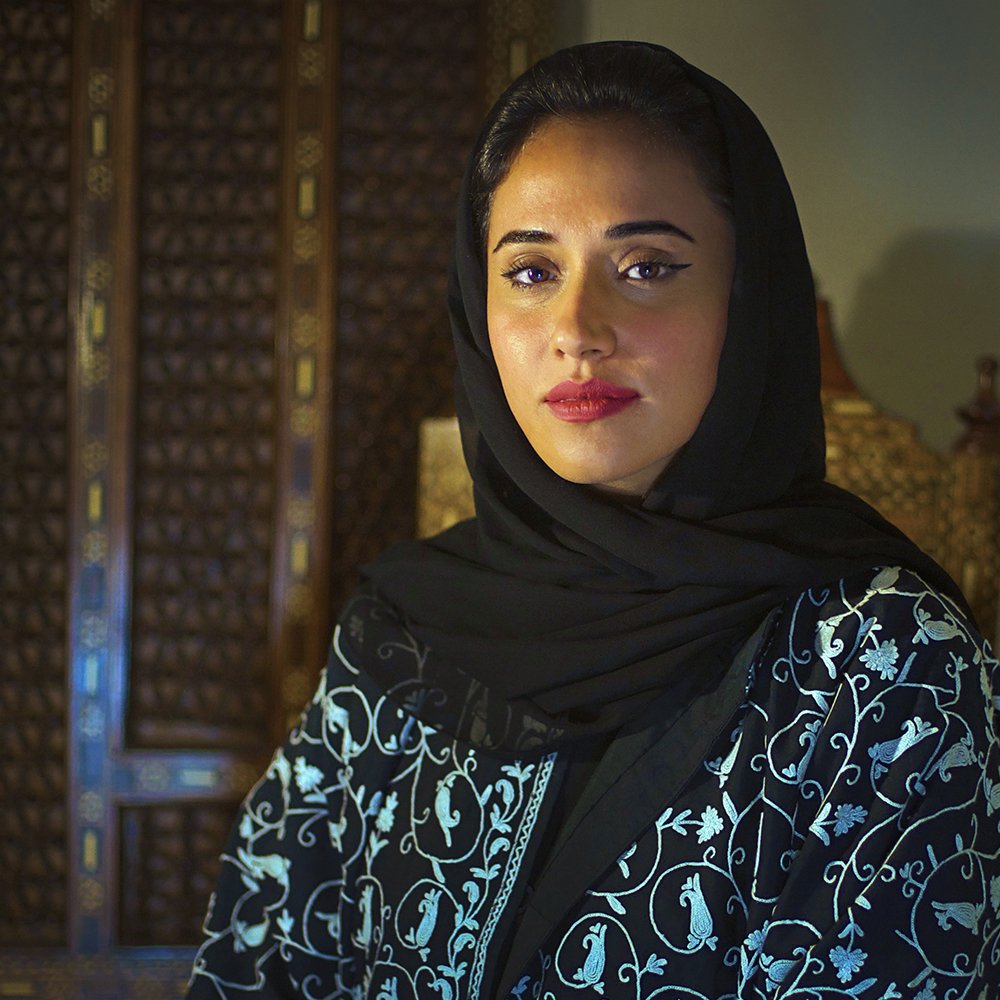
Beyond the gallery presentations, Frieze Abu Dhabi brings together Emirati artists Mohammed Kazem and Alia Zaal through At Another Meeting Point. The exhibition marks the debut of In Dialogue, a new annual initiative curated by Dirwaza Curatorial Lab. It pairs an established artist with an emerging voice from the UAE, creating a conversation across generations and artistic practices.
The Regional Galleries Worth Visiting
The artists are only part of the story. Frieze Abu Dhabi also brings together galleries that have helped shape the region’s contemporary art scene.
Sfeir-Semler Gallery stands out for its multigenerational presentation of Arab artists. Its selection connects modern pioneers with established contemporary figures and emerging voices.
Athr Gallery, based in Saudi Arabia, offers a closer look at Mounirah Mosly’s artistic legacy. Its presentation also highlights the gallery’s role in supporting conversations around regional art.
Zawyeh Gallery, with its Palestinian roots, brings Mohammed Joha’s work into the international conversation. His presentation offers a particularly meaningful perspective on displacement and belonging.
A.Gorgi Gallery and Elmarsa Gallery bring a Tunisian presence to the fair. Meanwhile, Cairo’s Gypsum and ArtTalks | Kanafani Gallery represent Egypt’s contemporary gallery scene.
Visitors should also look out for Lawrie Shabibi, The Third Line, Green Art Gallery, and Carbon 12. These Dubai-based galleries have played an important role in presenting artists from the region and connecting them with international audiences.
A Fair That Looks Toward the Region
What makes Frieze Abu Dhabi particularly interesting is its relationship with the region’s wider cultural history. The fair does not simply bring international names to the UAE. It also creates space for artists whose practices reflect the histories, identities, and transformations of the region.
Across its different sections, visitors can encounter modern masters, contemporary experiments, and emerging artistic voices. More importantly, they can see how these practices speak to one another across generations and borders.
For anyone interested in Arab art, Frieze Abu Dhabi offers more than a weekend of exhibitions. It is an invitation to discover the people and galleries shaping the region’s creative future.