

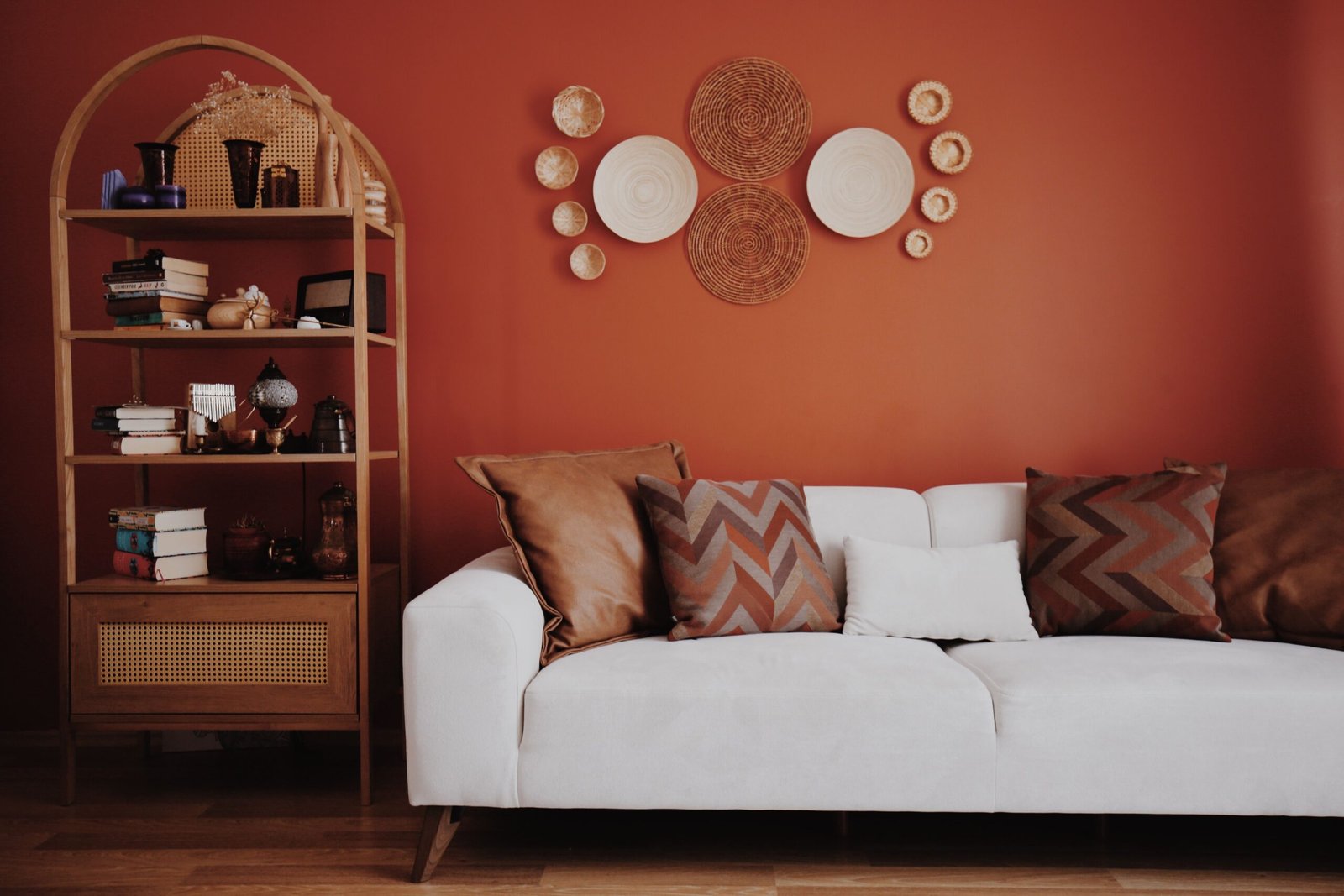
At some point, scrolling through home inspiration started feeling like watching the same apartment on repeat. Beige sofas, cream walls, pale wooden furniture, and carefully arranged coffee tables. Everything looks beautiful, but somehow, nothing feels particularly personal.
Don’t get us wrong. Neutral interiors have their charm. A well-designed beige room can feel warm, elegant, and timeless. But when every room follows the same formula, even the prettiest spaces start looking a little predictable.
Our homes should do more than look good in photographs. They should reflect our personalities, tell our stories, and make us feel something. So, perhaps it’s time to put the beige paintbrush down and invite a little color back inside.
How Did Every Home Become Beige?
The neutral-home obsession didn’t happen overnight. For years, minimalist interiors promised a calmer alternative to busy patterns and heavily decorated rooms.
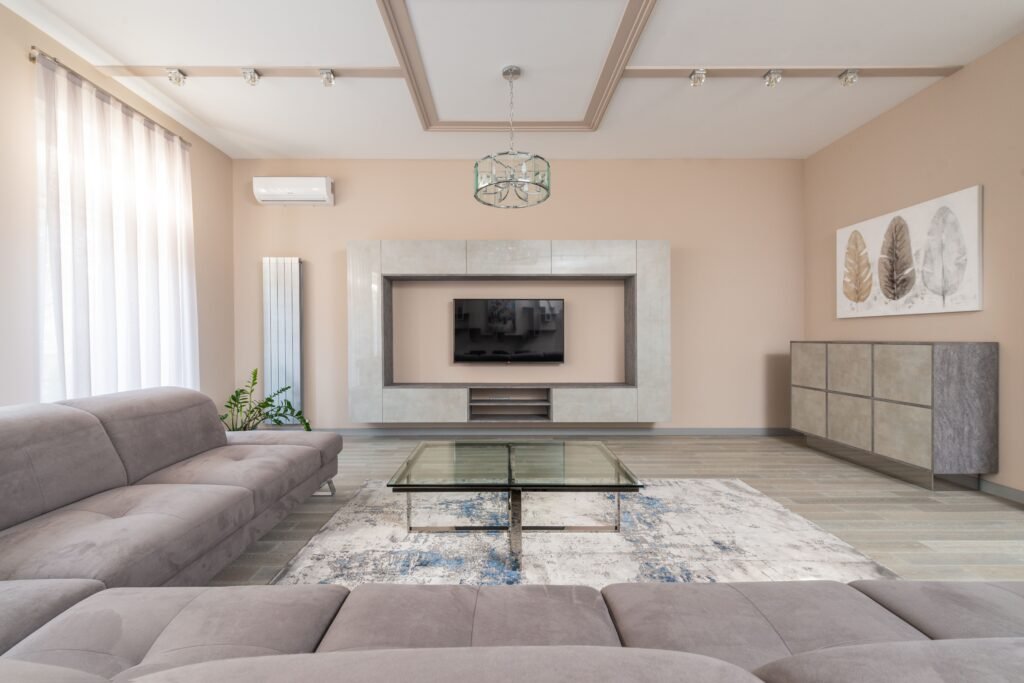
Scandinavian design helped popularize clean lines, natural wood, simple furniture, and light palettes. Meanwhile, the rise of contemporary minimalism made white, gray, and beige feel like safe choices.
Neutrals also offer practical advantages. They work with different furniture styles, make decorating easier, and appeal to people who want flexibility. Beige became especially popular as a softer alternative to the cooler gray interiors that dominated earlier years.
Then social media entered the picture. Perfectly styled rooms, matching furniture, and carefully curated shelves became familiar sights. The so-called clean aesthetic eventually moved beyond wardrobes and skincare routines. It found its way into our living rooms, too.
But a home doesn’t need to look like a showroom to feel sophisticated. And personality doesn’t automatically mean clutter.
The Colors We’re Ready To Bring Home
The good news? You don’t need a rainbow-colored apartment to escape the neutral cycle. A thoughtful palette can transform a room without overwhelming it.
Here are some combinations worth considering.
1. Olive Green and Warm Wood
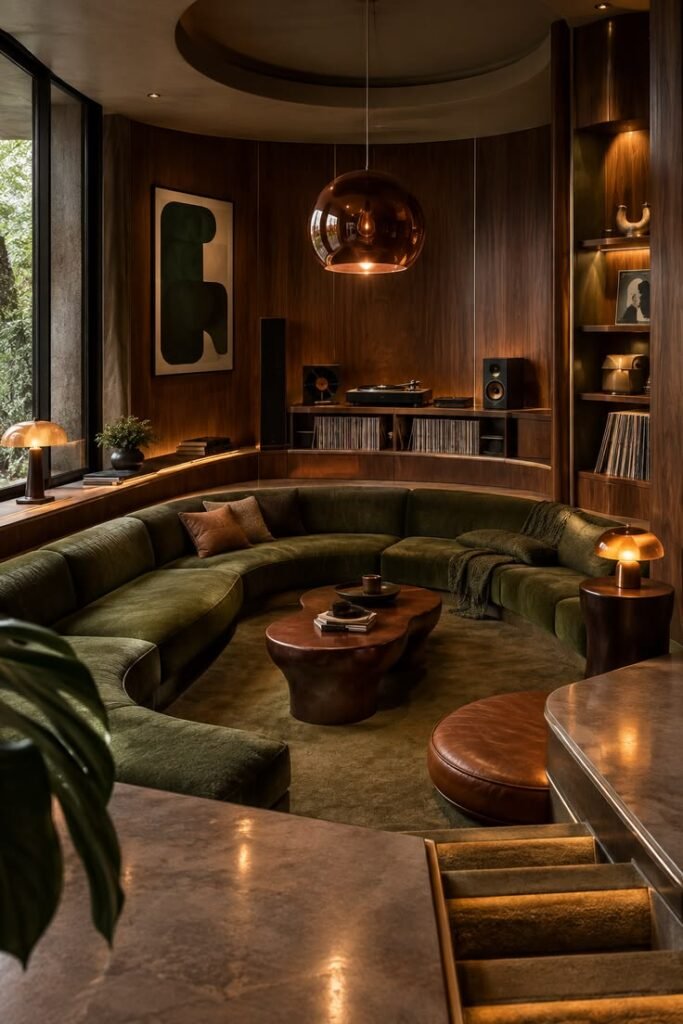
If you love earthy interiors, start with olive green. It brings depth without making a room feel too dramatic.
Try olive walls with walnut furniture, or introduce the shade through an upholstered sofa. A dark green armchair also makes a beautiful statement against warm wooden floors.
This palette works particularly well with vintage-inspired furniture, brass details, and textured fabrics.
For a more romantic atmosphere, pair burgundy with dusty pink. The contrast feels rich, playful, and surprisingly sophisticated.
Imagine a burgundy velvet sofa with blush cushions. Alternatively, try dusty pink walls with a dark red accent chair.
Add walnut furniture, warm lighting, and a few brass accessories. The result feels collected rather than overly coordinated.
3. Cobalt Blue and Butter Yellow
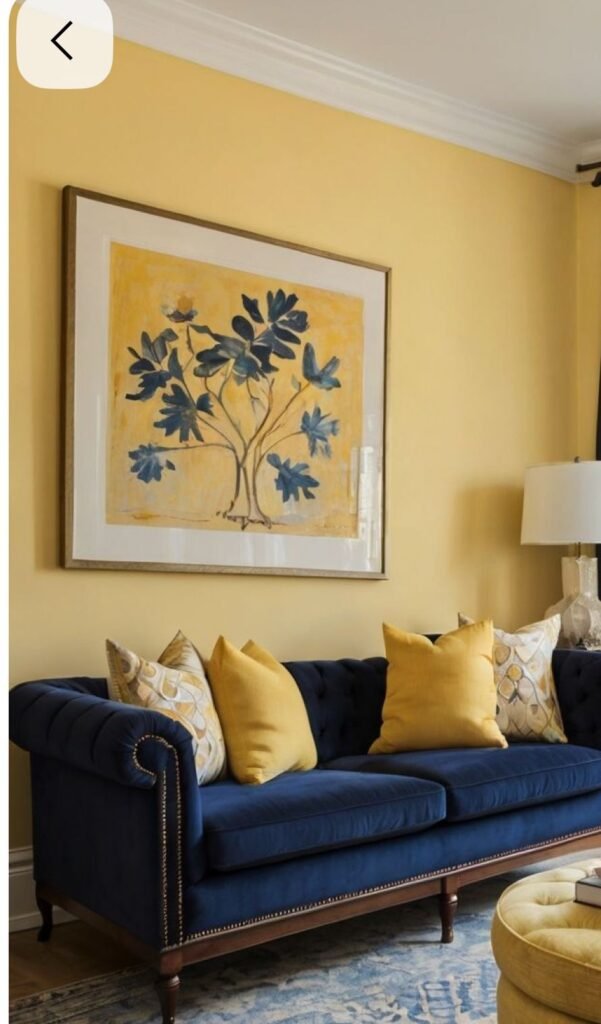
This combination is for anyone ready to have a little fun. Cobalt blue brings energy, while butter yellow softens its intensity.
A blue sofa against a pale yellow wall can become the room’s main attraction. If that feels too bold, start with a yellow armchair and cobalt cushions.
This pairing works beautifully in eclectic interiors and rooms inspired by mid-century design.
4. Terracotta and Cream
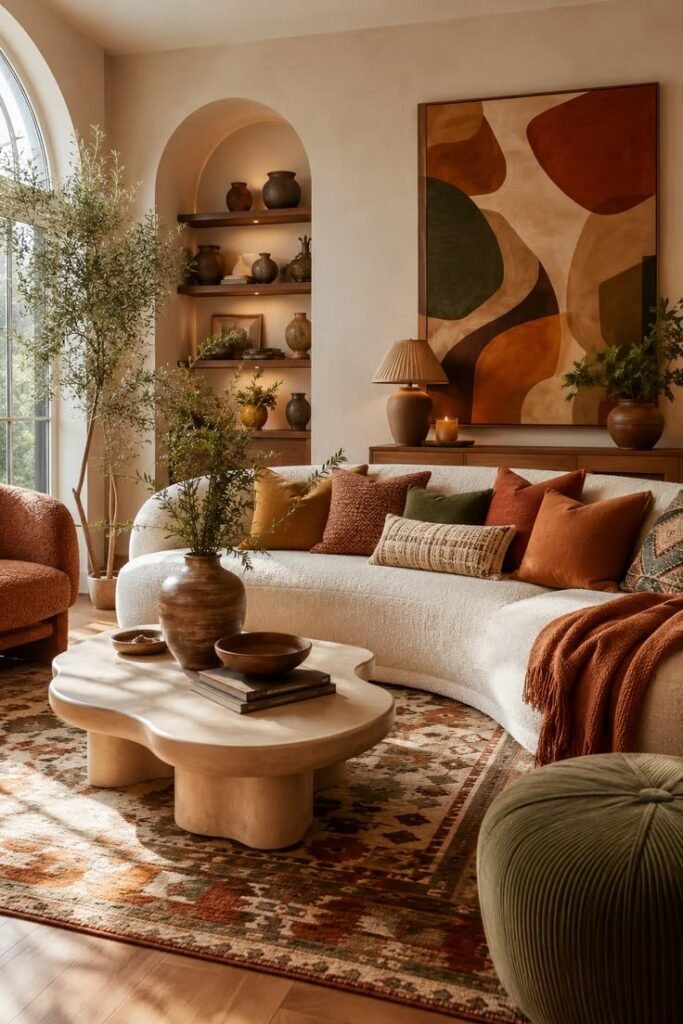
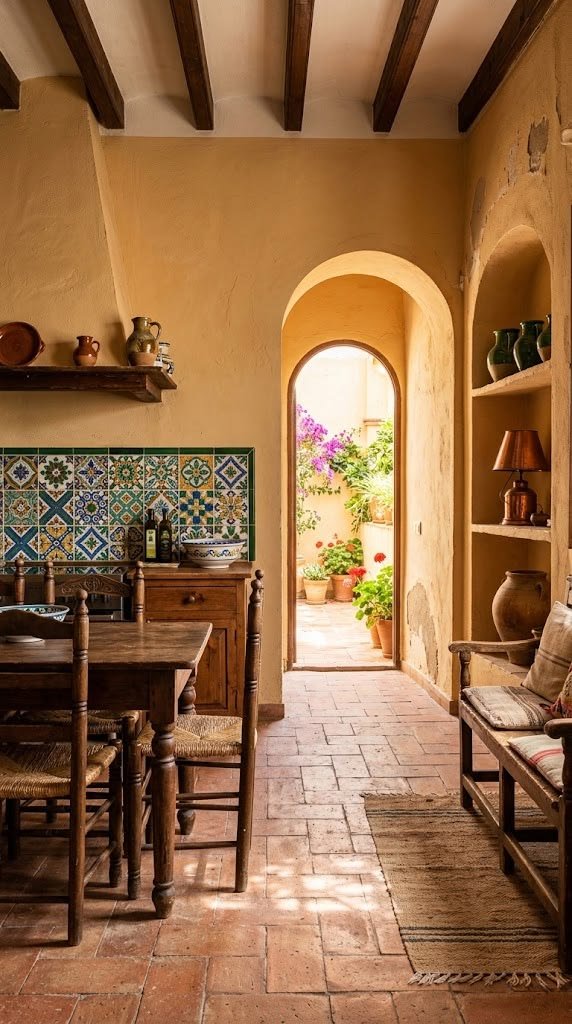
Not every colorful room needs dramatic contrasts. Terracotta offers warmth, character, and a connection to natural materials.
Pair terracotta walls with cream upholstery and dark wood furniture. You can also introduce it through floor tiles, pottery, rugs, and cushions.
The combination suits Mediterranean-inspired interiors particularly well. Think textured walls, natural fabrics, ceramic accessories, and relaxed furniture.
5. Chocolate Brown and Deep Teal
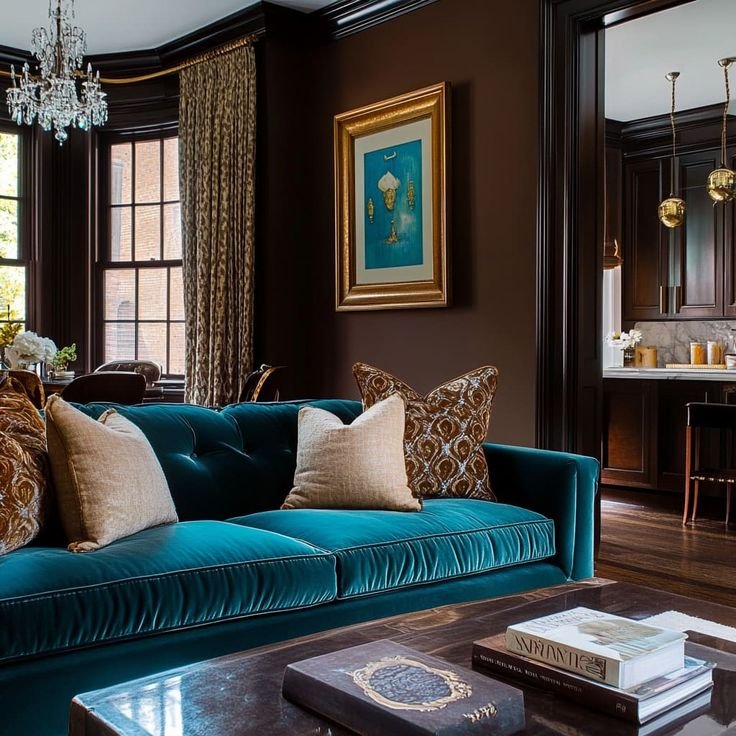
For something moodier, combine chocolate brown with deep teal. Both shades have enough depth to create a cozy, sophisticated atmosphere.
A teal velvet sofa looks beautiful beside a dark wooden coffee table. Alternatively, try chocolate-colored walls with teal artwork and decorative accents.
Finish with warm metallic details and layered lighting. This palette is especially lovely in living rooms and bedrooms.
Let’s Talk Furniture: Your Sofa Doesn’t Have To Be Beige
One of the easiest ways to introduce color is through furniture. In fact, a statement piece can give an entire room its personality.
Instead of automatically choosing cream upholstery, consider a forest-green sofa. A burgundy velvet couch can create a dramatic focal point. Mustard-yellow armchairs bring warmth, while rust-colored seating adds a relaxed, earthy touch.
And don’t forget dining chairs. Different colors around one wooden dining table can look intentional and playful. Try mixing olive green, burnt orange, and muted blue.
For smaller pieces, consider painted side tables, colorful bedside cabinets, or a vintage dresser with a fresh coat of paint. Even a bookshelf can become a statement feature when painted in a contrasting shade.
The trick is to give each room one or two standout pieces. Let the remaining furniture support them rather than compete for attention.
Pick Your Personality: Interior Styles That Welcome Color
If you’re looking for inspiration, these design styles offer different ways to make color feel at home.
Eclectic interiors: Mix furniture from different periods, colorful artwork, patterned rugs, and unexpected accessories. The result should feel collected over time, not purchased in one shopping trip.
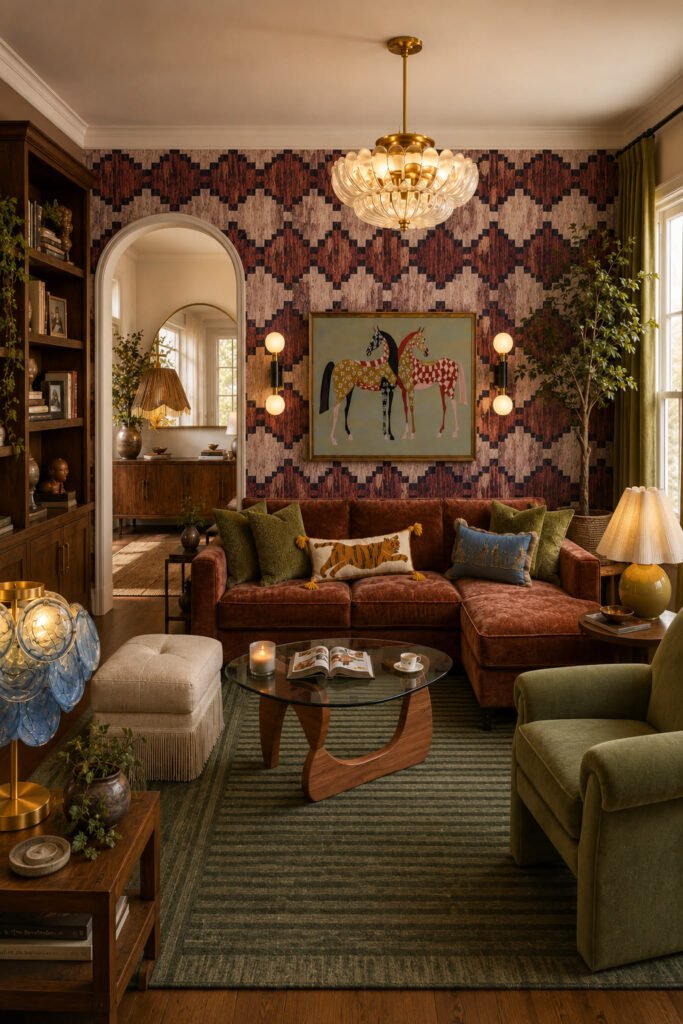
Mid-century modern: Think walnut furniture, sculptural lighting, clean lines, and colors like mustard, teal, olive, and burnt orange. It offers a lovely balance between retro character and modern simplicity.
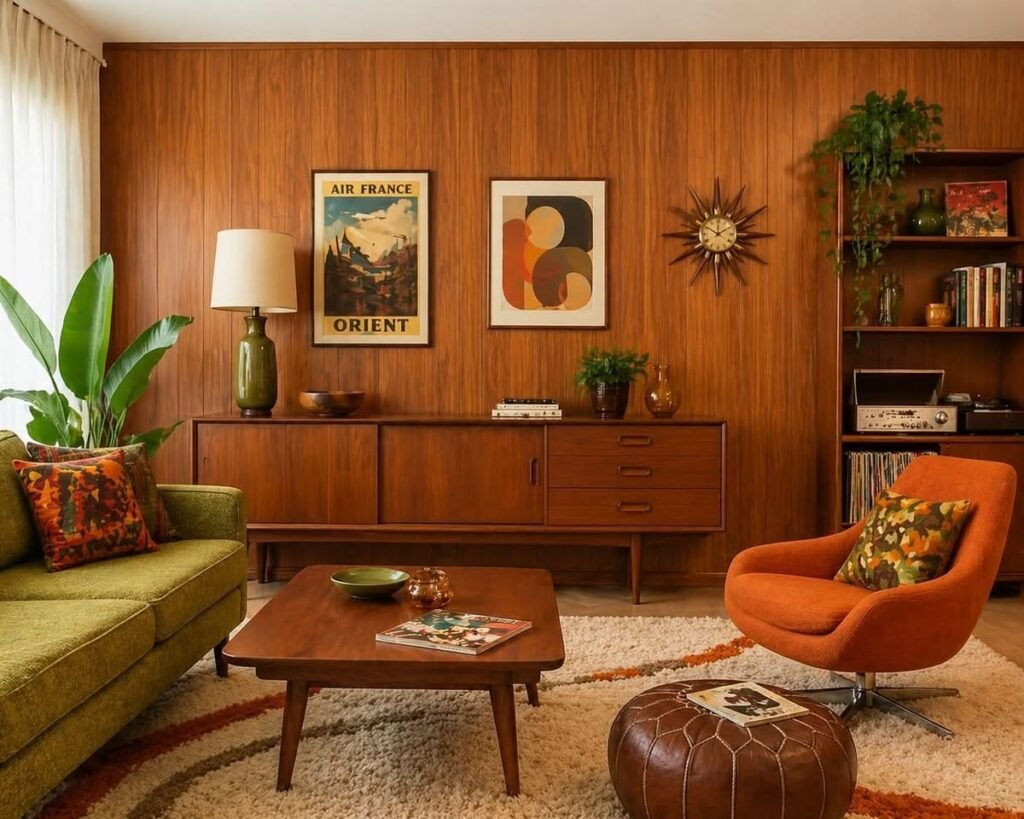
Mediterranean interiors: Bring in terracotta, cobalt blue, warm yellows, textured walls, and natural materials. This style feels relaxed, sunny, and connected to its surroundings.
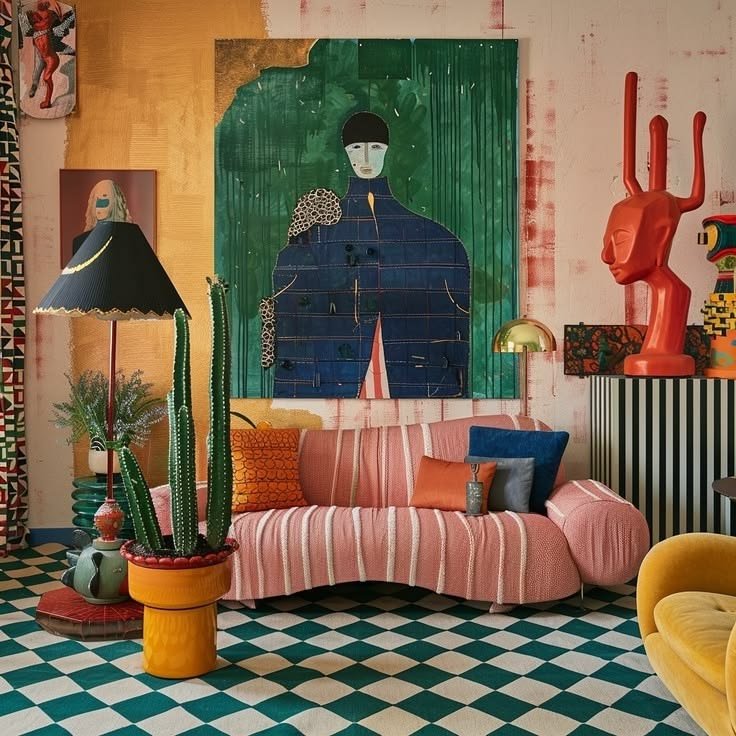
Maximalist interiors: Embrace layered patterns, bold artwork, colorful furniture, and decorative objects. The goal isn’t to fill every corner. It’s to create a space that feels expressive and intentional.
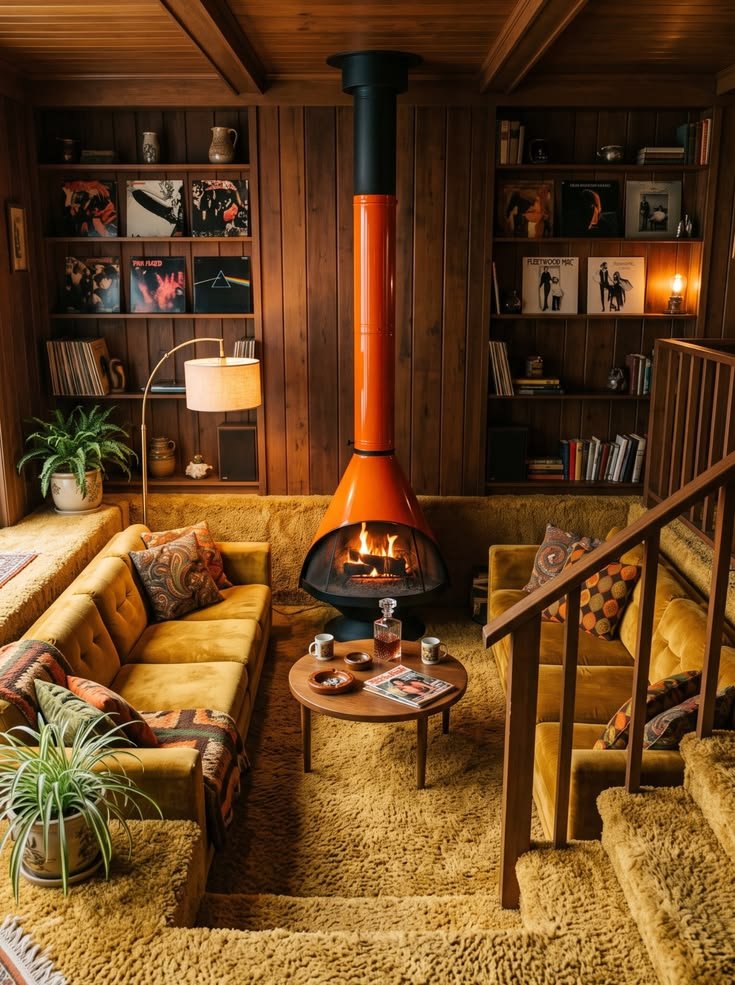
70s-inspired interiors: Think earthy browns, moss green, rust, patterned upholstery, curved furniture, and warm wood. It’s a great choice for anyone who loves vintage character.
A Little Color Goes A Long Way
Still nervous about committing to a colorful room? You don’t have to start with a paint bucket.
Begin with cushions, throws, rugs, artwork, lampshades, and decorative objects. Replace neutral curtains with a richer shade. Add colorful ceramics to your shelves, or display books with covers you actually enjoy looking at.
Before committing to paint, test samples on different walls. Natural and artificial lighting can change how a shade looks throughout the day.
And remember that not every color needs to match. Sometimes, the most interesting rooms come from combinations that feel slightly unexpected.
A Home Should Feel Like Yours
Interior trends will always come and go. One year brings cool gray, another brings beige, and suddenly everyone wants burgundy walls.
But a home is not a trend board. It’s where we gather, rest, entertain, collect memories, and surround ourselves with things we love.
So keep the beige sofa if you adore it. Paint the walls blue if you’ve always wanted to. Bring home that red armchair you’ve been eyeing, even if it doesn’t match anything else.
The best interiors aren’t necessarily the most coordinated. They’re the ones that make you feel at home.