
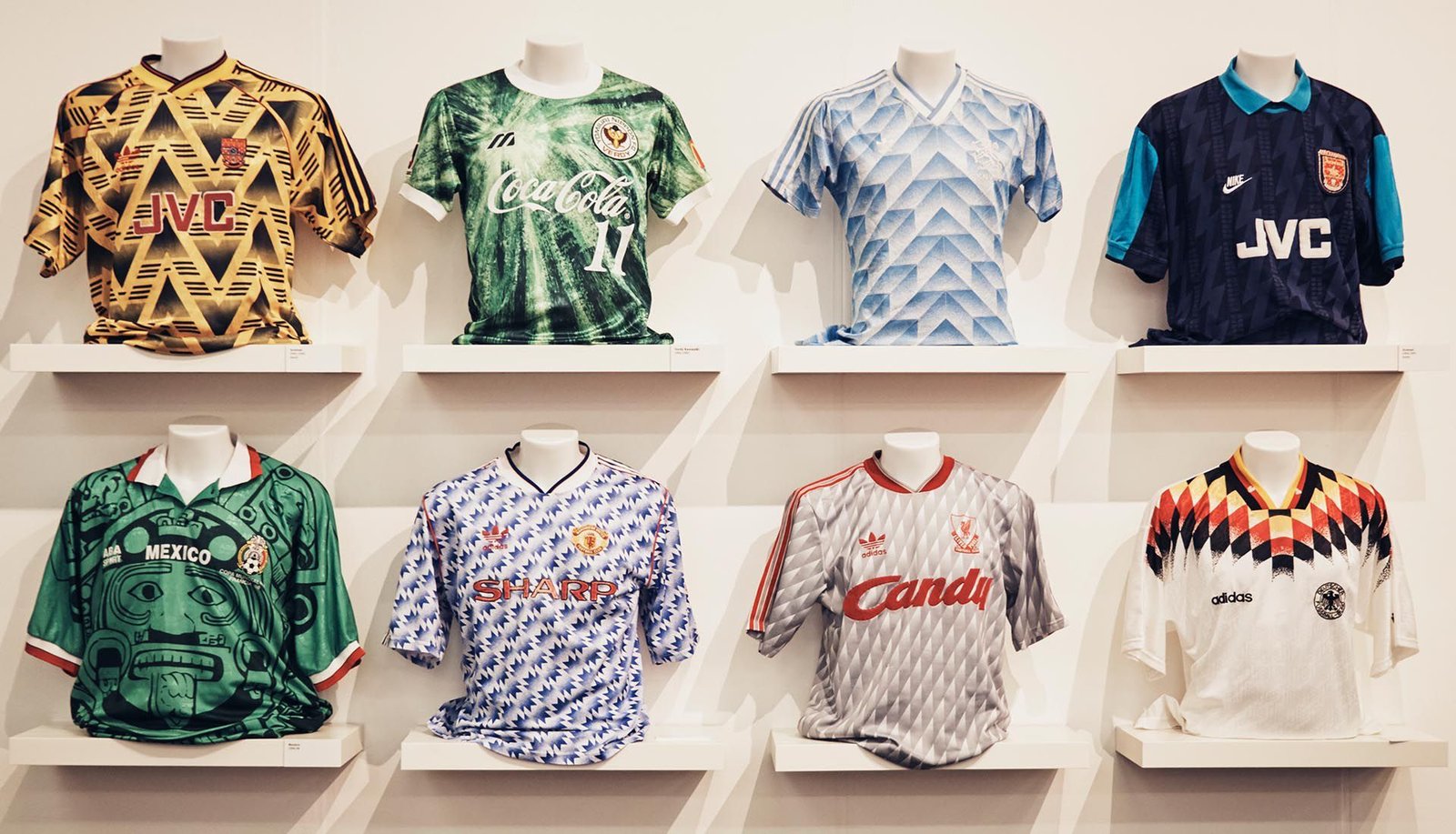
For most of football’s history, the shirt served a single purpose: it identified which team a player belonged to, and it was worn either on the pitch or in the stands by people with a genuine emotional stake in the result. That relationship has changed substantially over the past five years, to the point where the football shirt now functions as a legitimate fashion object with its own resale market, its own collector culture, and a place on the runways of luxury houses that have no historical connection to the sport whatsoever. Every four years, jersey sales spike around the World Cup, and people assume the trend will fade. Still, this time has been different, because blokecore turned the football shirt into a year-round streetwear piece rather than a seasonal purchase, with vintage kits being collected, upcycled and resold, and independent labels reworking them into corset tops, ruched dresses and accessories.
Where the Trend Came From
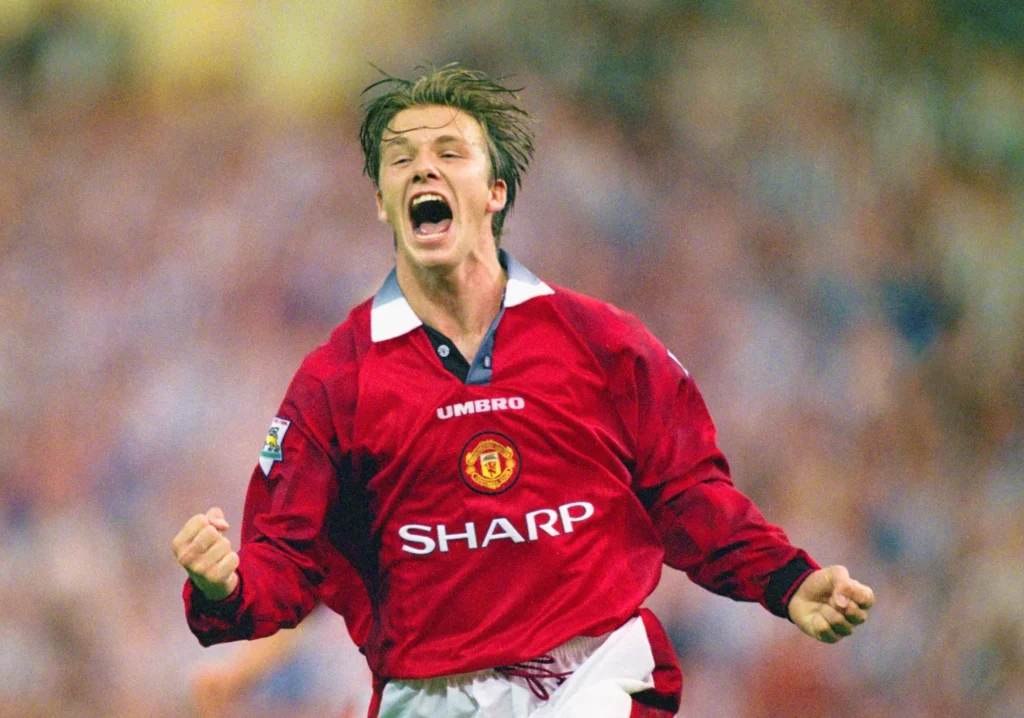
The term blokecore derives from bloke, the English word for an ordinary man, associated with football supporters in England during the 1980s and 1990s, who often wore club jerseys, straight jeans, and sneakers in an informal uniform that eventually became a cult reference point. In 2023, TikTok creator Brandon Huntley took this dress code and styled it as blokecore, which spread rapidly across social media and moved into the mainstream within months.
The luxury sector recognised the opportunity quickly. The rise of blokecore can be traced in significant part to collaborations between Adidas and Nike and high-end designers including Gucci and Balenciaga, with football shirts appearing on the runways of houses such as 3. Paradis and Etro. Luxury labels have since teamed up with clubs directly, Moncler with Inter Milan, Patta with Barcelona, Aries and New Balance with AS Roma, and Balenciaga with Stade Rennais, while Crystal Palace became the first Premier League side to appoint an in-house creative director to oversee its off-field collections.
The 2026 World Cup Accelerated Everything
Blokecore has since conquered the sidewalks outside Paris Fashion Week, with editors pairing vintage football shirts with tailored trousers and oversized blazers, and the 2026 World Cup poured considerable fuel on the entire movement. Nike positioned its 2026 World Cup kits as lifestyle items rather than matchday wear, while Adidas staged its kit launch in Los Angeles with fashion figures present, styling national team shirts with flared trousers and distressed denim. Nike partnered with Jacquemus on a lifestyle collection for the French national team featuring a minimalist pre-match jersey with a bespoke FFF/Jacquemus crest, while Argentina moved in the opposite direction with a rugged skate collaboration with Thrasher.
The demographic shift behind the trend matters as much as the collaborations. Women now make up 35% of the global football fanbase, and that audience has been actively styling jerseys in ways the sport never anticipated.
The Shirts That Earned the Attention
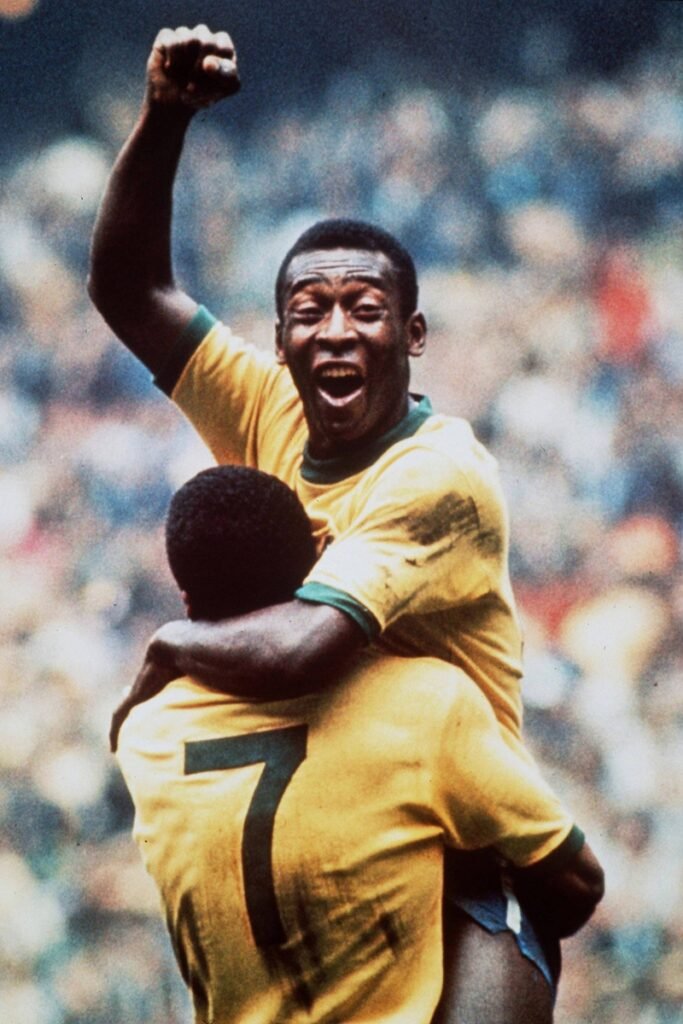
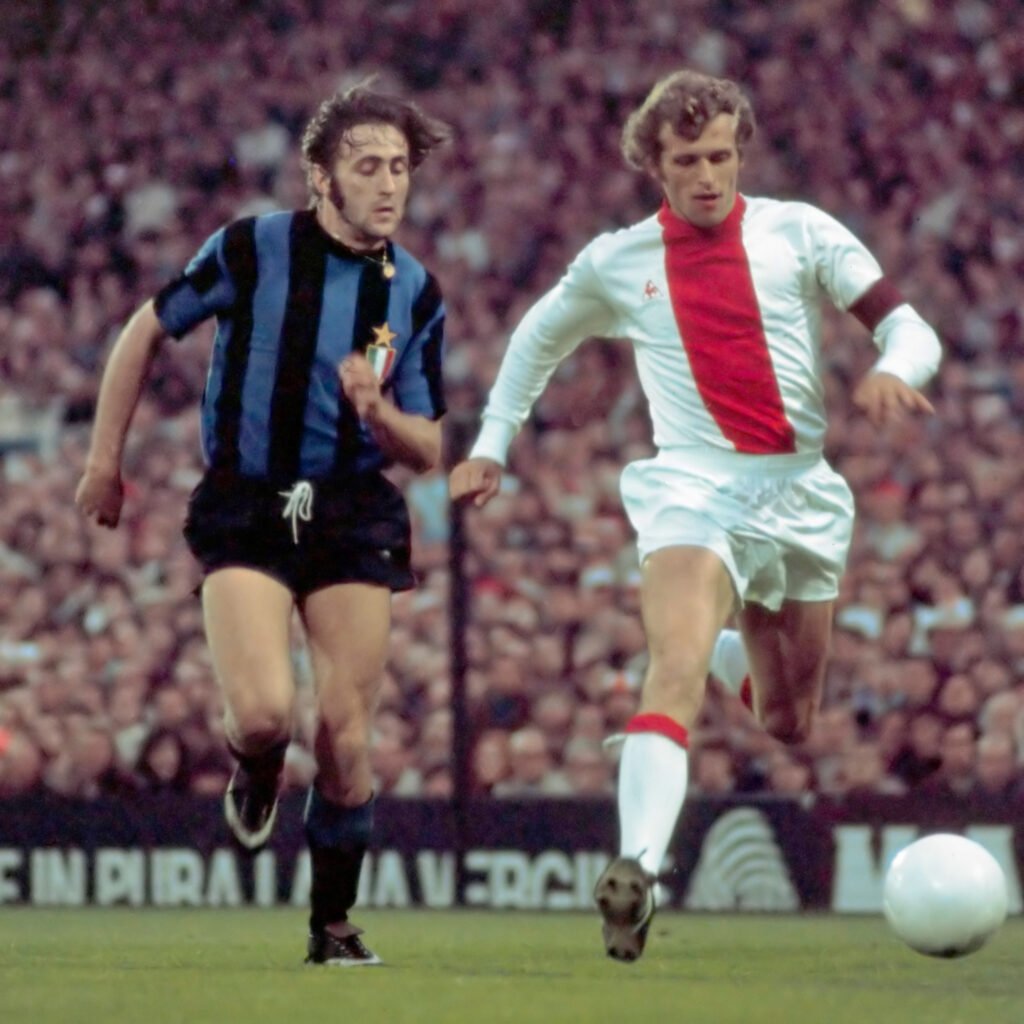
None of this would have happened if the shirts themselves were not worth looking at. The Brazil 1970 home shirt is the most frequently cited of all, golden yellow with green trim and blue shorts, worn during the tournament where Pelé cemented his legacy, and Brazil’s football dazzled a global audience watching in colour for the first time. Ajax’s 1971 kit, with its single central red stripe on a white base, is synonymous with Johan Cruyff and the Total Football philosophy, while England’s 1966 home shirt, a classic white base with simple red numbering, remains the most historically significant kit in English football.
The 1990s produced the boldest work. Arsenal’s Bruised Banana kit stands as one of the most daring football shirts ever made, worn during the Premier League’s inaugural season and combining a bold colour scheme, a classic collar, the Adidas Trefoil logo and a vintage club crest into a design that has never lost its appeal despite being in circulation for a single year.
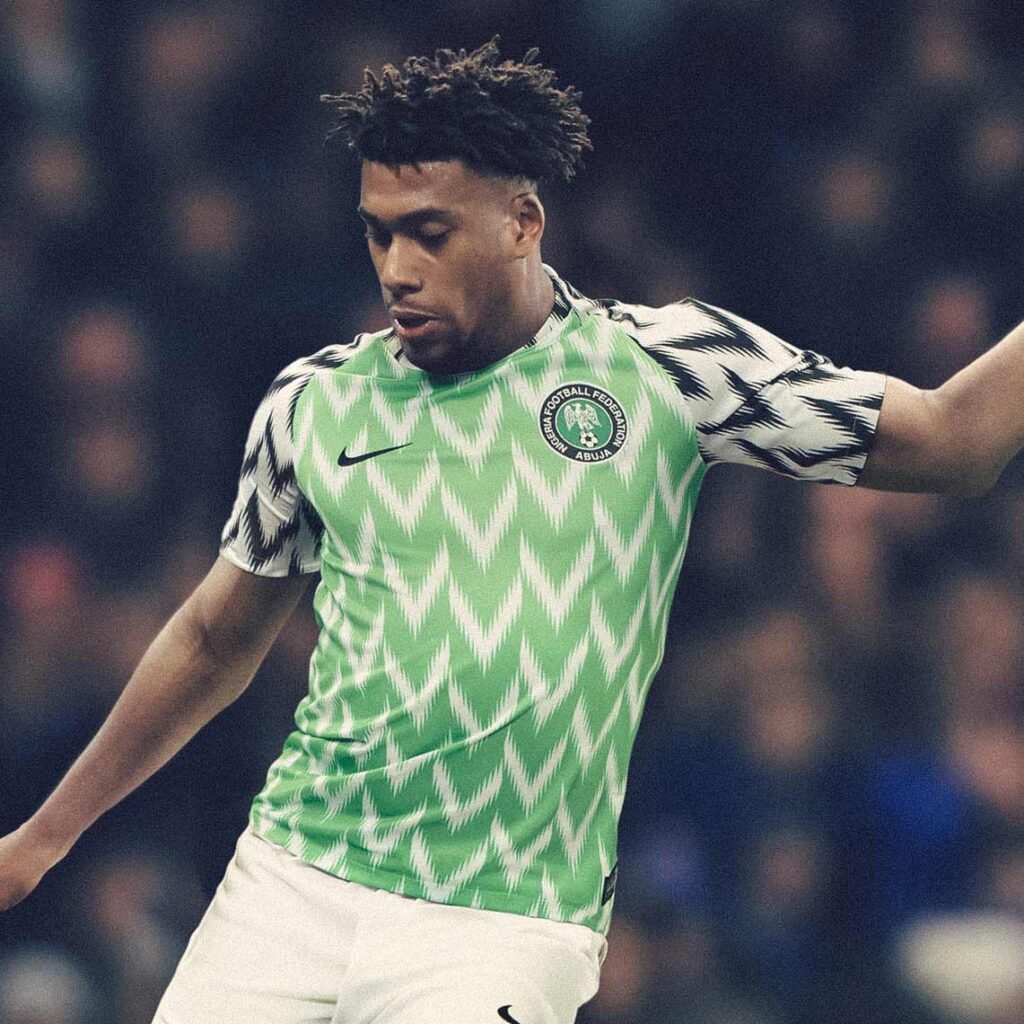
Paris Saint-Germain’s mid-1990s home kit, lighter shades of blue and red, finished with three stars and the Nike logo, has become one of the most sought-after retro shirts in circulation. Nigeria’s 2018 kit sold out globally within minutes of release, becoming the clearest modern proof that a well-designed football shirt can generate demand that has nothing to do with the team’s results.
What It Means Now
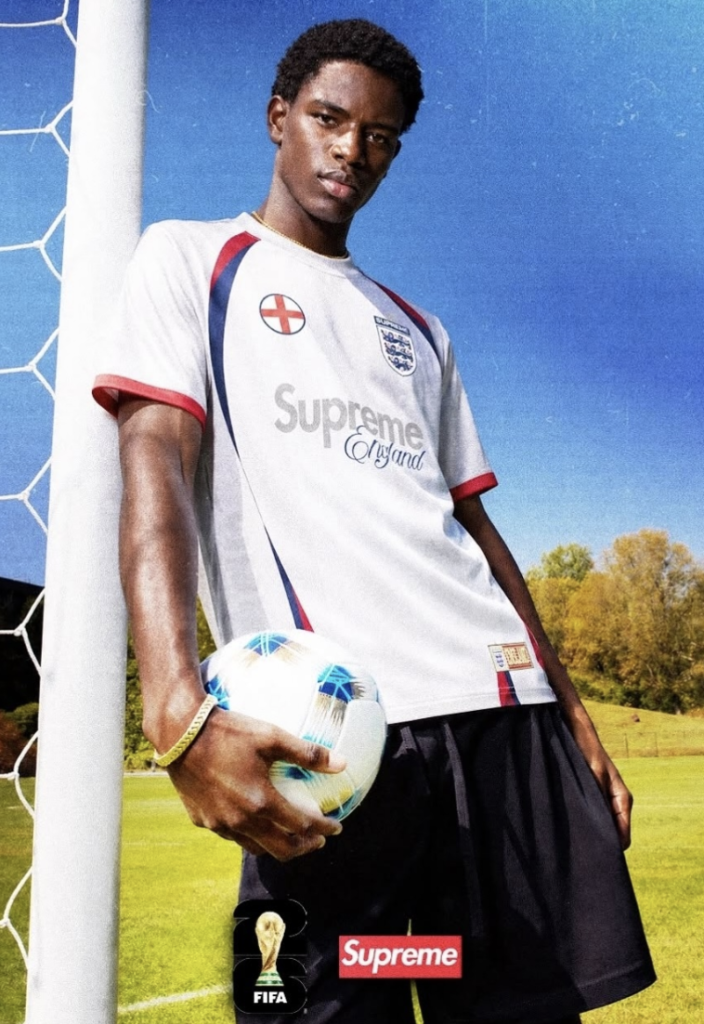
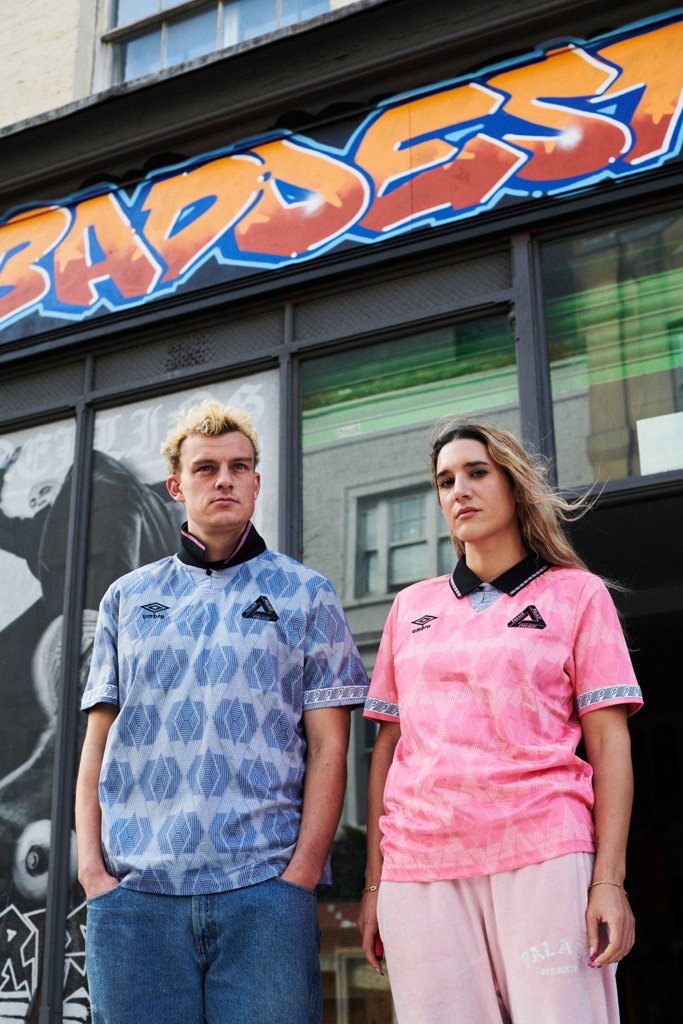
Brands including Palace, Stüssy and Supreme now routinely collaborate with sportswear giants on fashion-first kits, and the consumer buying one is rarely purchasing it to play sports; they are buying design-led apparel that communicates identity and an appreciation for retro design. The criticism that has followed is worth acknowledging: blokecore has drawn accusations of appropriation, with fashion elites adopting codes that originated in working-class communities without engaging with their history, and of stylistic gentrification, where a cheap uniform becomes a trend sold at significantly inflated prices. Both have merit, and neither has slowed the momentum.
What constitutes an iconic shirt has never been purely about the kit itself; it is about the players and the team wearing it, and the moments they created while doing so. That relationship between garment and memory is precisely what fashion has recognised and moved to capture.