
From Saudi Arabia’s growing consumer market to the UAE’s international retail influence, luxury beauty brands are rethinking how they enter, engage, and grow across the region.
The Middle East has become one of the beauty industry’s most closely watched markets. However, international brands are discovering that growth requires more than opening boutiques or launching regional campaigns. They must understand local consumers, adapt their retail strategies, and recognise the region’s growing influence on global beauty.
The shift reflects a broader change in the market. The Gulf is no longer simply a destination for international luxury products. It is increasingly influencing how brands develop, position, and sell them.
Two markets, two different opportunities
Saudi Arabia and the United Arab Emirates sit at the center of this transformation. Yet their commercial strengths differ.
Saudi Arabia offers substantial consumer-market scale. According to a 2026 industry report, the kingdom accounts for approximately 40 percent of regional beauty spending. Its expanding retail landscape and growing appetite for premium products make it an important market for international brands.
Meanwhile, the UAE offers a different advantage. Dubai connects international businesses, consumers, retailers, and tourism. Its position as a regional business hub makes it an attractive base for brands building their Middle Eastern presence.
This distinction is changing expansion strategies. Rather than treating the Gulf as one market, brands increasingly need country-specific approaches.
Localisation becomes a business decision
For luxury beauty houses, localisation now extends beyond translating advertisements into Arabic. It influences product selection, campaigns, customer experiences, and retail formats.
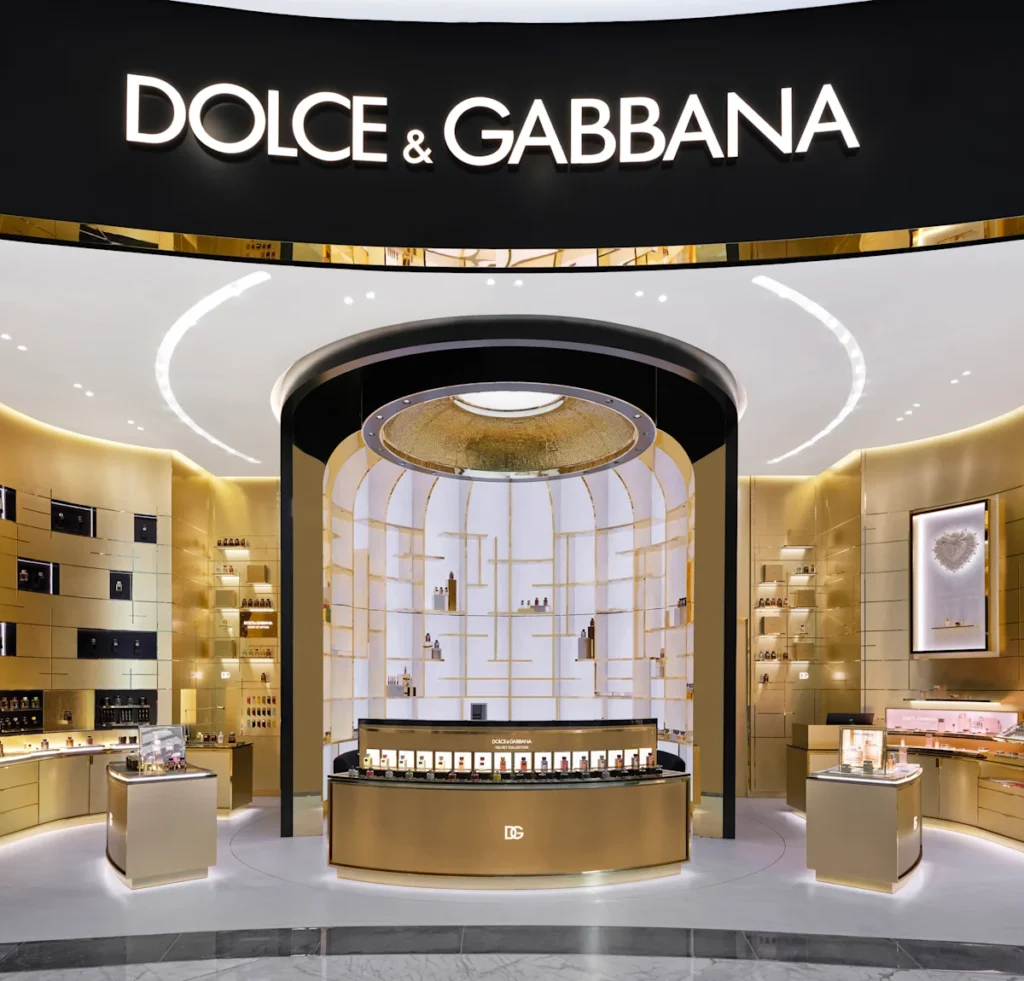
Dolce & Gabbana Beauty offers a clear example. The Italian house has accelerated its Gulf expansion through standalone boutiques and regional retail partnerships. Its Dubai store combines fragrance, makeup, skincare, personalised services, and interactive experiences.
The brand has also explored Ramadan-focused collections and campaigns featuring regional talent. These initiatives connect its international identity with local cultural moments.
This approach reflects a wider commercial opportunity. Regional consumers are not simply looking for familiar international names. They increasingly expect brands to understand their preferences and offer relevant experiences.
Fragrance puts the region at the center
Fragrance remains particularly important to the Middle Eastern luxury beauty market. However, its significance extends beyond strong consumer demand.
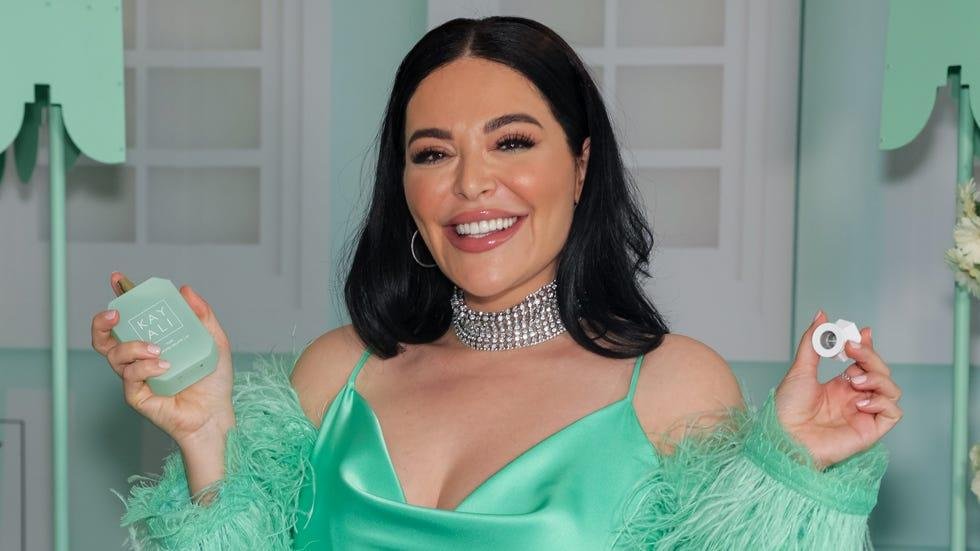
The region has long-established perfumery traditions and influential homegrown fragrance houses. Brands such as Amouage, Arabian Oud, and Kayali demonstrate how regional identity can become an international luxury proposition.
This influence is also changing how global brands approach fragrance. Oud, amber, layering, and personalised scent experiences offer opportunities to connect international product development with regional preferences.
The relationship is becoming increasingly reciprocal. Rather than simply introducing global fragrance trends, Middle Eastern consumers and brands are helping shape them.
Retail becomes an experience for Luxury beauty market in the Middle East
Luxury beauty retail is also evolving. Consumers increasingly encounter brands through a combination of physical stores, digital platforms, social media, and personalized services.

Ulta Beauty’s regional expansion illustrates this opportunity. Following its first Kuwait store in November 2025, the American retailer entered the UAE in January 2026. It then expanded into additional locations, including Dubai Mall and Jeddah.
Its model brings prestige, mass-market, and emerging beauty brands together. It also incorporates expert-led services and in-store experiences.
Meanwhile, established luxury houses are investing in standalone boutiques and more personalized customer interactions. The objective is no longer simply to sell products. It is to create an experience that encourages discovery, engagement, and loyalty.
A market that increasingly sets direction
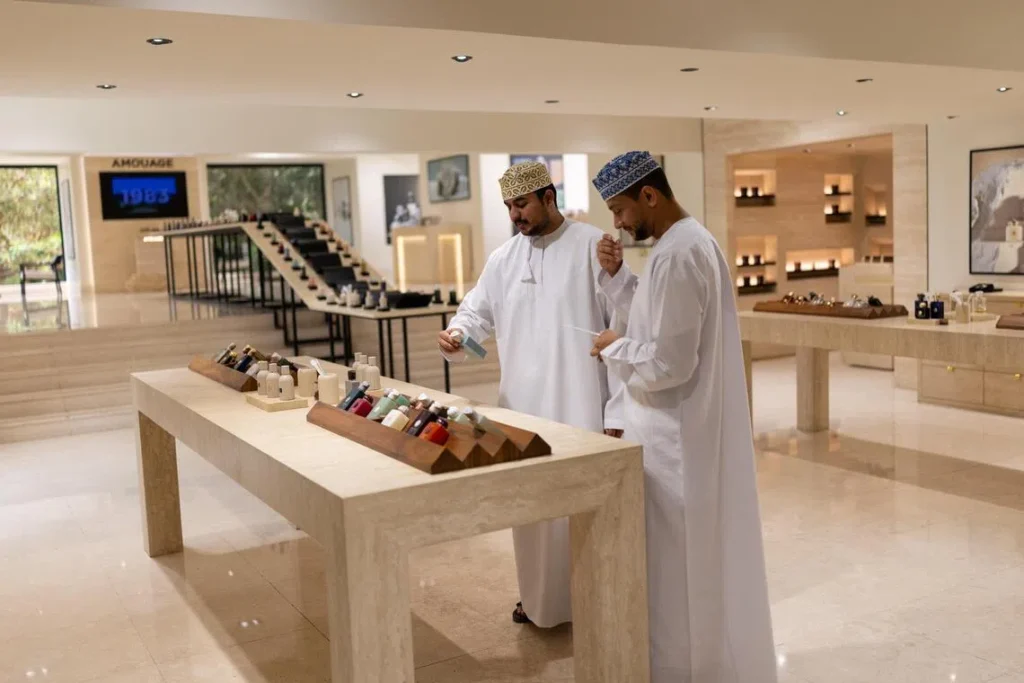
The next phase of luxury beauty in the Middle East will depend on how well brands understand its changing consumers.
Younger audiences, international communities, digital discovery, and established local beauty traditions create a complex commercial environment. A strategy that resonates in Dubai may require a different approach in Riyadh, Doha, or Kuwait City.
For international brands, this means reconsidering the relationship between global identity and regional relevance. For homegrown businesses, it creates opportunities to compete beyond their original markets.
Ultimately, the region’s importance goes beyond its purchasing power. Its consumers, fragrance heritage, retail innovation, and cultural influence are becoming part of the global beauty conversation.
The brands that recognise this shift will do more than expand into the Middle East. They will learn how to grow with it.