
If your skincare routine suddenly feels less effective once temperatures drop, your skin barrier might be asking for attention. From unexpected dryness to redness and irritation, winter can expose just how much your skin relies on its natural protective layer.

But the skin barrier isn’t exactly a new beauty discovery. In fact, dermatologists have studied its structure and function for decades. So, how did it become one of the beauty industry’s biggest talking points?
From Dermatology Labs to Beauty’s Biggest Buzzword
Long before skin barrier repair became a skincare marketing favorite, scientists were examining the skin’s outermost layer, known as the stratum corneum.
Research published in the early 1990s explored how its structure and natural lipids help retain moisture. By 1996, a landmark study highlighted the importance of combining ceramides, cholesterol, and fatty acids for normal barrier recovery.
The beauty industry gradually translated these findings into everyday skincare. Curél introduced barrier-focused products in the late 1990s, while CeraVe launched in 2006 with formulas centered around essential ceramides.
However, the terminology really entered mainstream beauty conversations around 2020–2022. Social media, dermatologist-led skincare education, and the growing backlash against over-exfoliation helped turn barrier health into a consumer priority.
Why Winter Changes the Conversation
Think of your skin barrier as your body’s natural security system. It helps keep moisture in while protecting against external irritants.
Cold temperatures and low humidity can weaken its protective function. Indoor heating and prolonged hot showers can add to the problem, leaving skin feeling tight, flaky, and increasingly reactive.
This is where barrier-focused skincare comes in. Ceramides help replenish the skin’s natural lipids, while glycerin and hyaluronic acid attract moisture. Ingredients such as petrolatum and squalane also help reduce water loss.
The Barrier-Care Edit: What Your Skin Actually Needs
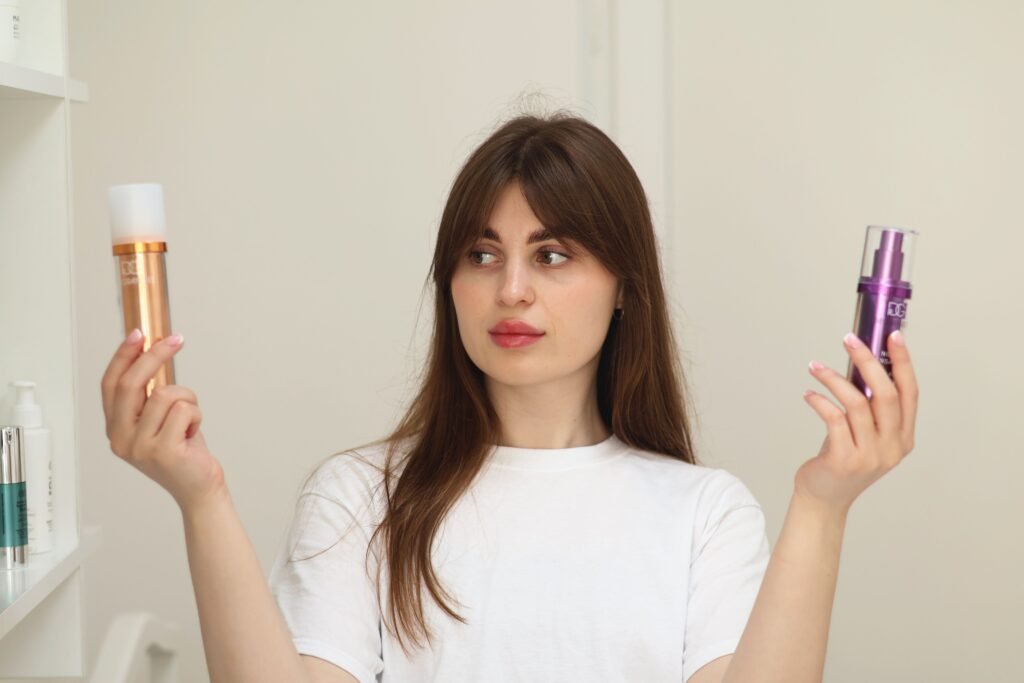
A good moisturizer doesn’t have to feel heavy to work. Oily and acne-prone skin can benefit from lightweight, non-comedogenic formulas, while dry skin often needs richer creams.
Sensitive skin should prioritize fragrance-free formulas with soothing ingredients. Combination skin can benefit from lightweight creams that hydrate without overwhelming oilier areas.
Products Worth Making Room For
Consider this your invitation to give your skincare shelf a little winter makeover. Whether you’re a minimalist who swears by pharmacy classics or a beauty enthusiast always hunting for the next Korean skincare obsession, we’ve rounded up a few barrier-loving formulas worth getting acquainted with. From lightweight gel creams to richer, cushiony moisturizers. These are our editor’s picks for keeping winter dryness in check without compromising on the fun of a good skincare haul.
La Roche-Posay Toleriane Double Repair Face Moisturizer
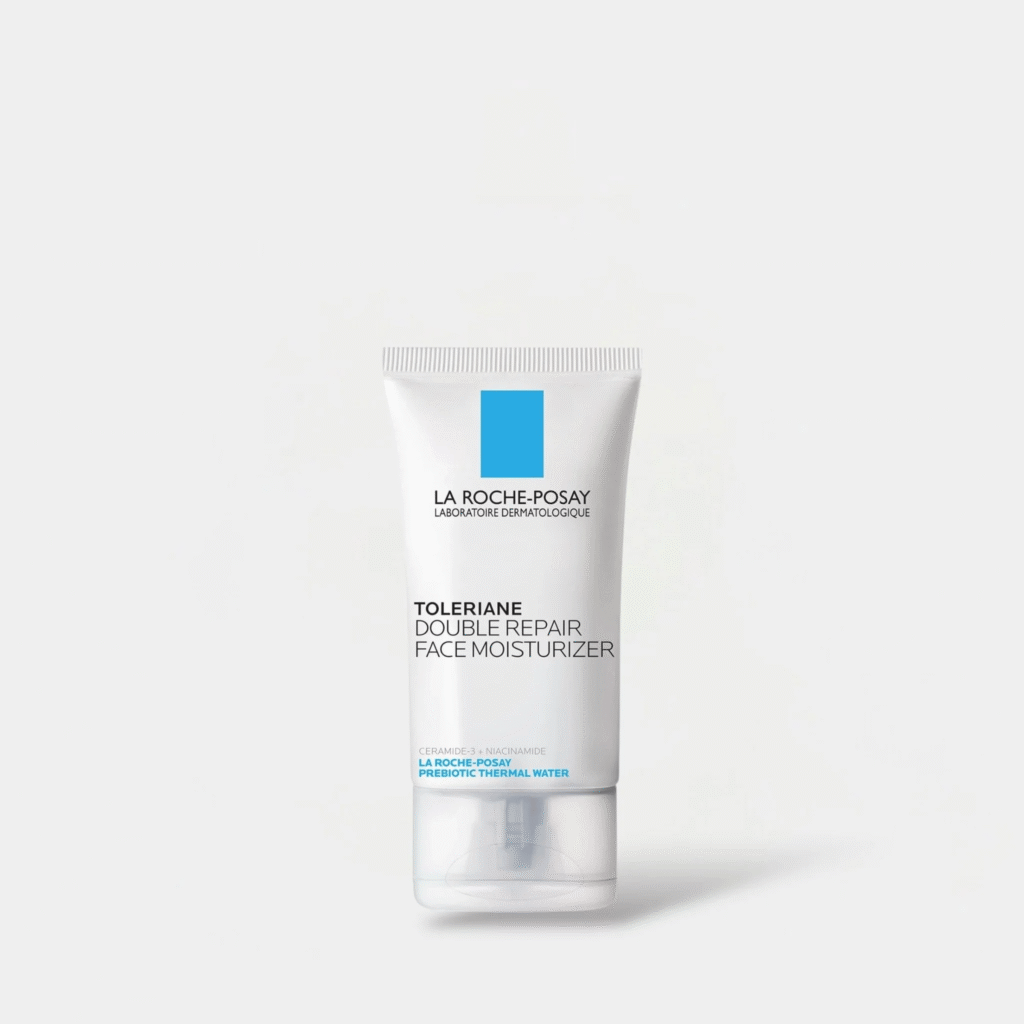
Combining ceramide-3, niacinamide, and glycerin, this moisturizer offers everyday hydration with a comfortable cream texture.
Bioderma Atoderm Intensive Baume
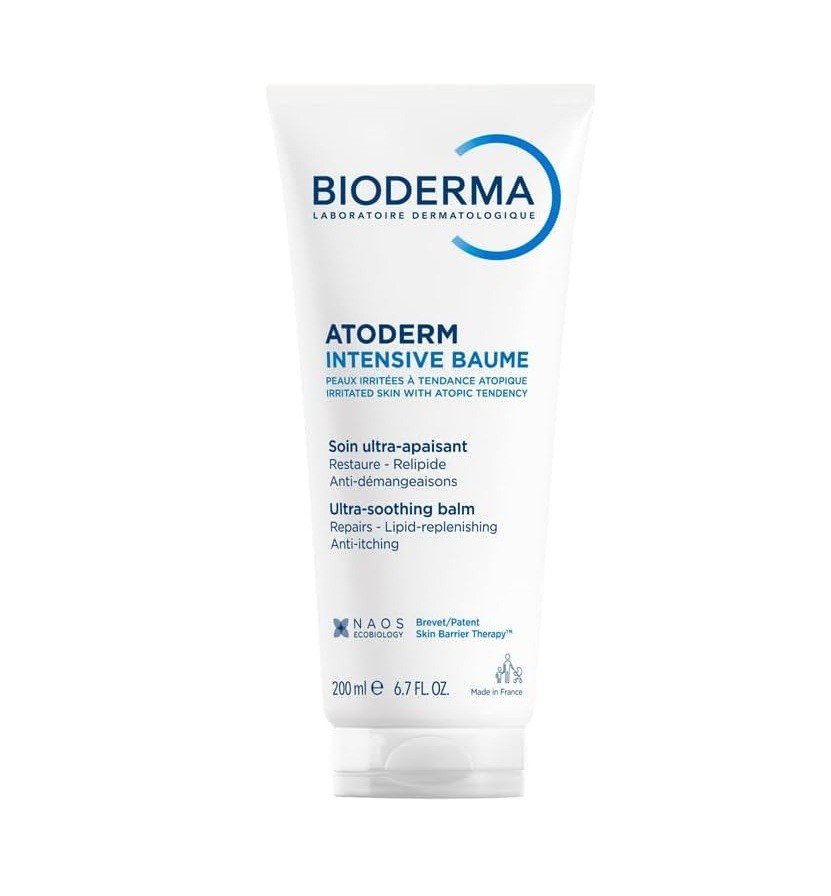
A nourishing balm designed for very dry, sensitive skin. Its lipid-replenishing formula makes it a useful option for particularly uncomfortable winter dryness.
Dr. Althea 345 Relief Cream
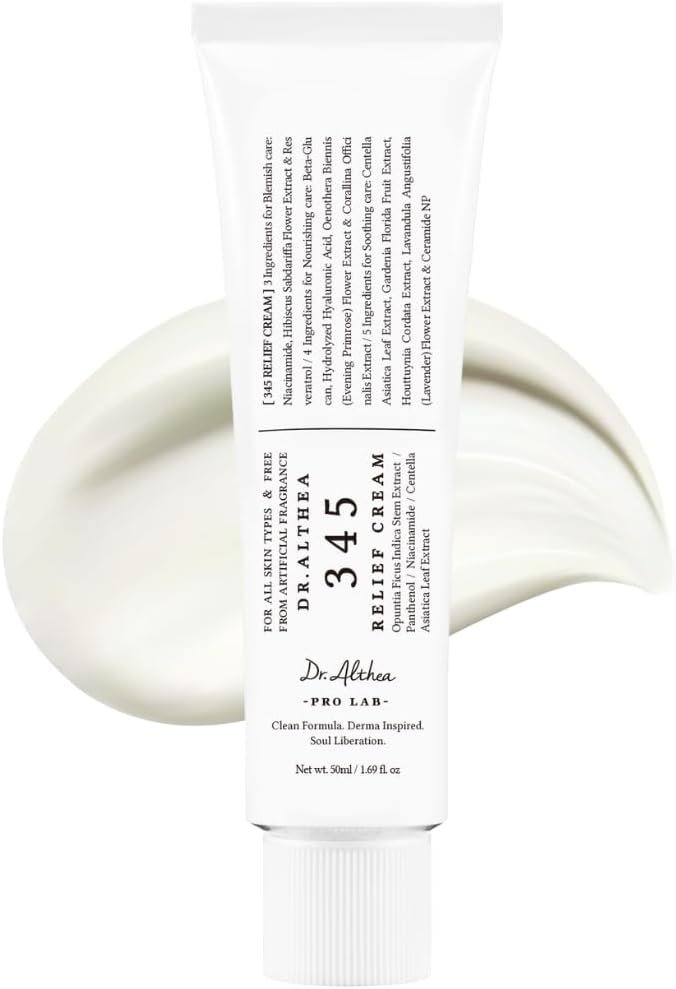
A lightweight Korean gel cream formulated with niacinamide, panthenol, Centella Asiatica, and ceramide NP. Its non-comedogenic formula makes it an interesting option for blemish-prone skin that still needs barrier support.
Dr. Jart+ Ceramidin Skin Barrier Moisturizing Cream
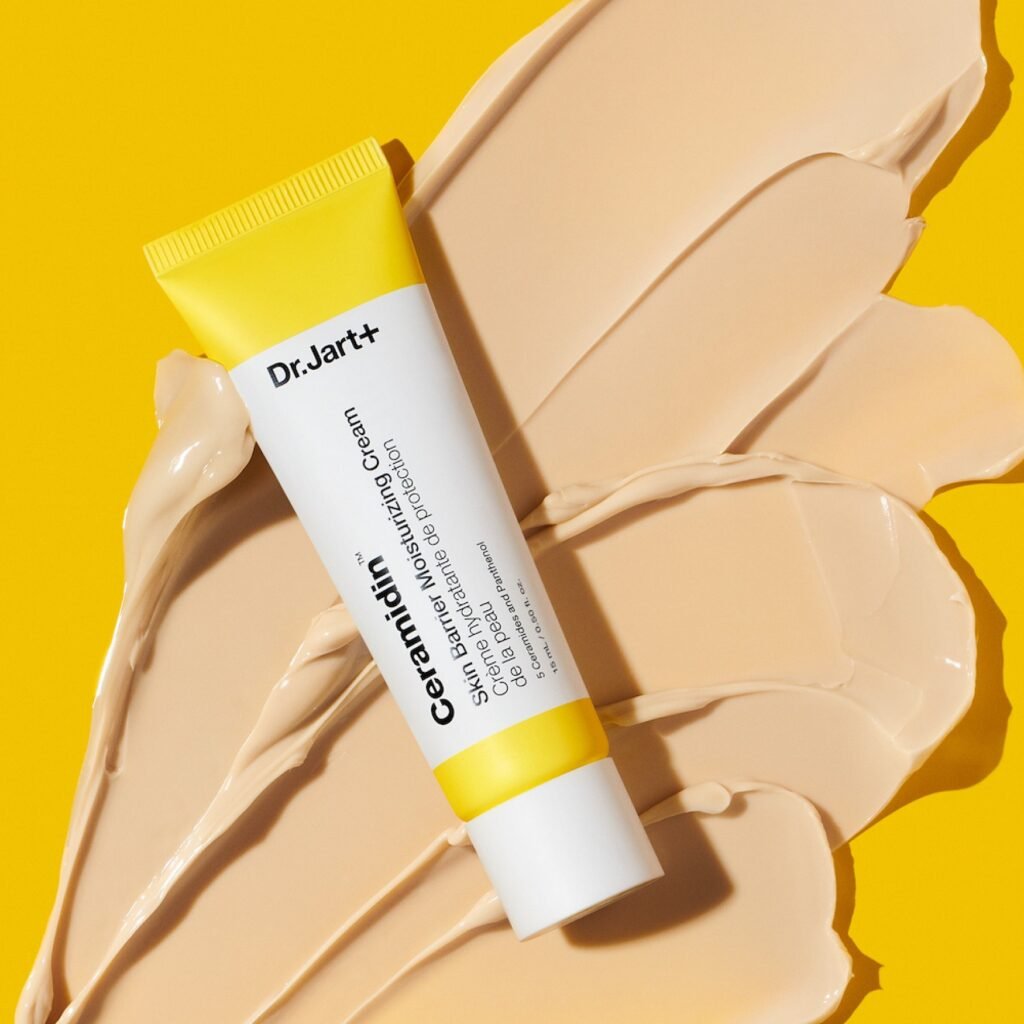
A Korean skincare favorite featuring five ceramides, panthenol, and glycerin. Its richer texture makes it particularly appealing for skin experiencing tightness and dryness.
SKIN1004 Madagascar Centella Soothing Cream
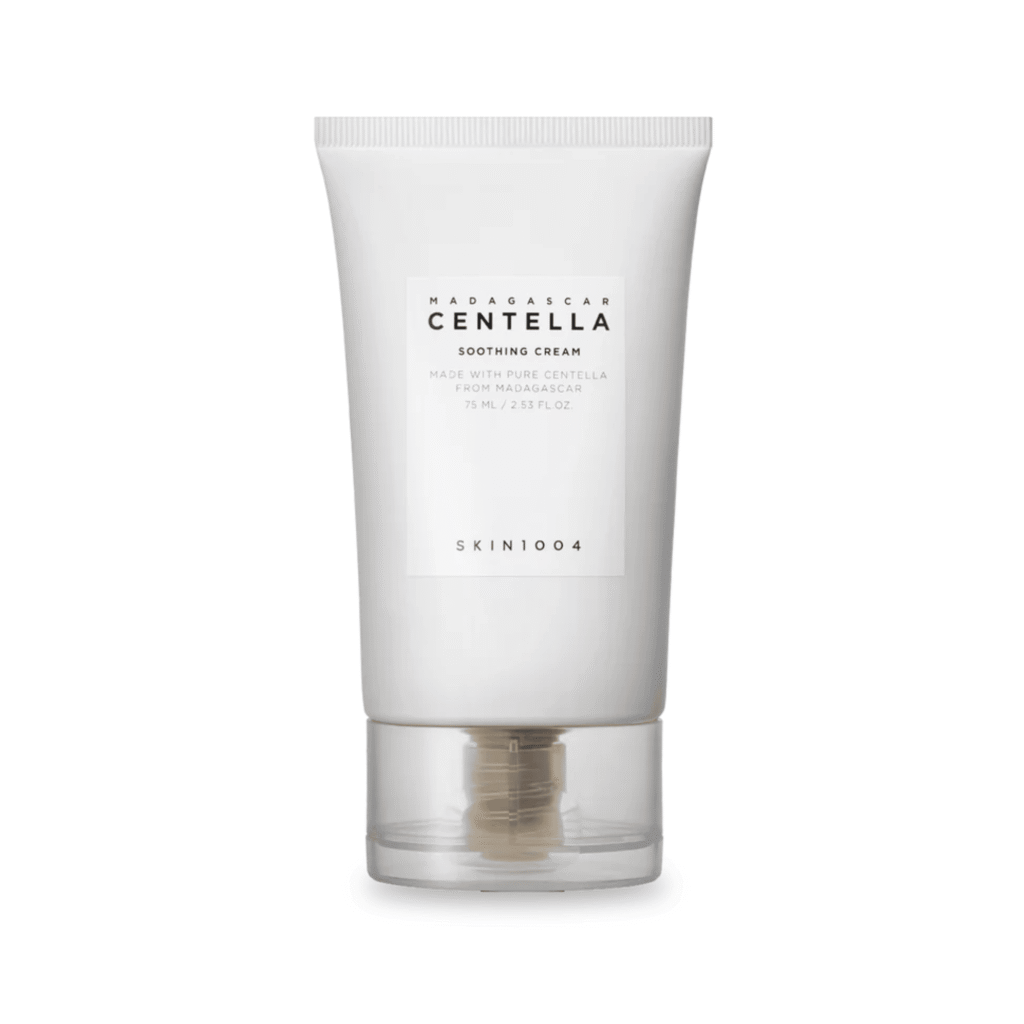
A lightweight gel cream featuring Centella Asiatica, trehalose, ceramides, and cholesterol. It offers refreshing hydration while supporting the skin’s natural moisture barrier.
CeraVe PM Facial Moisturizing Lotion
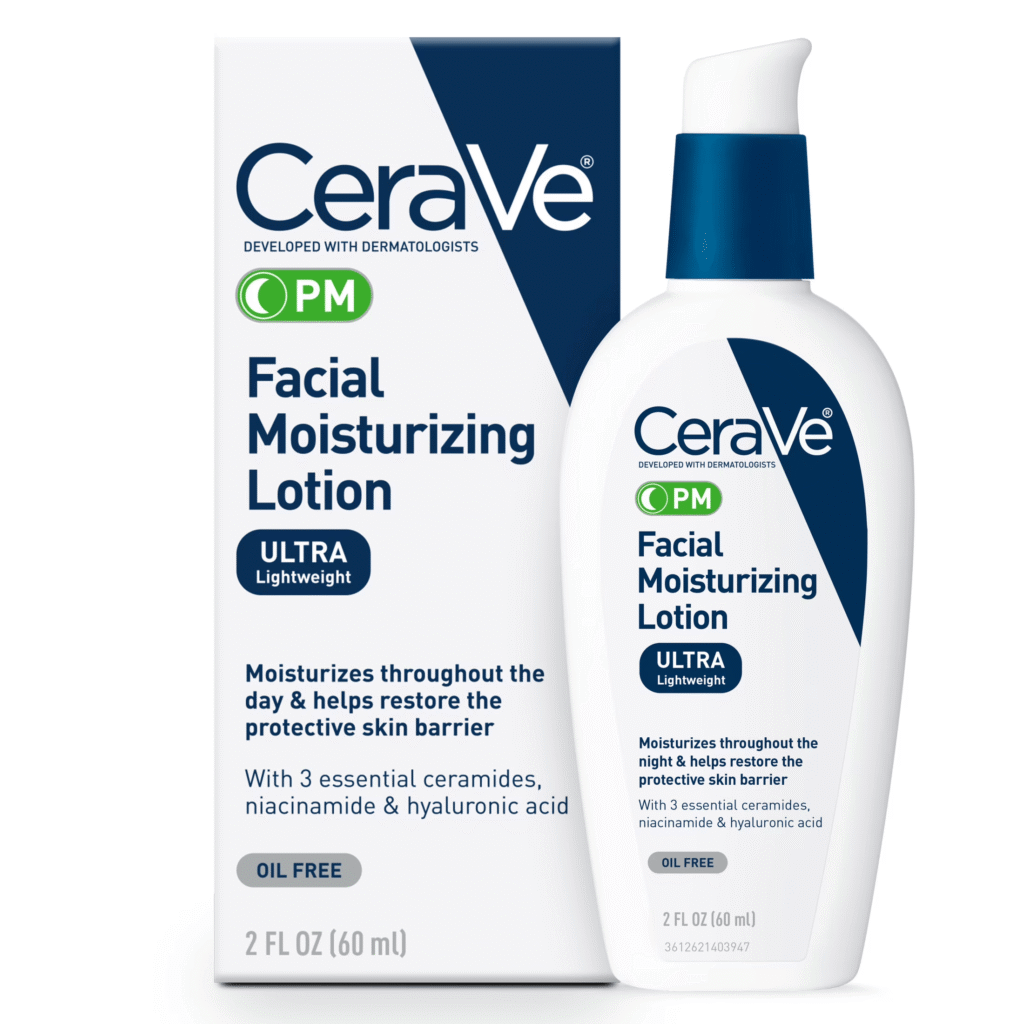
A lightweight, oil-free formula with three essential ceramides, niacinamide, and hyaluronic acid. It hydrates without leaving a heavy finish.
BYOMA Moisturizing Gel Cream
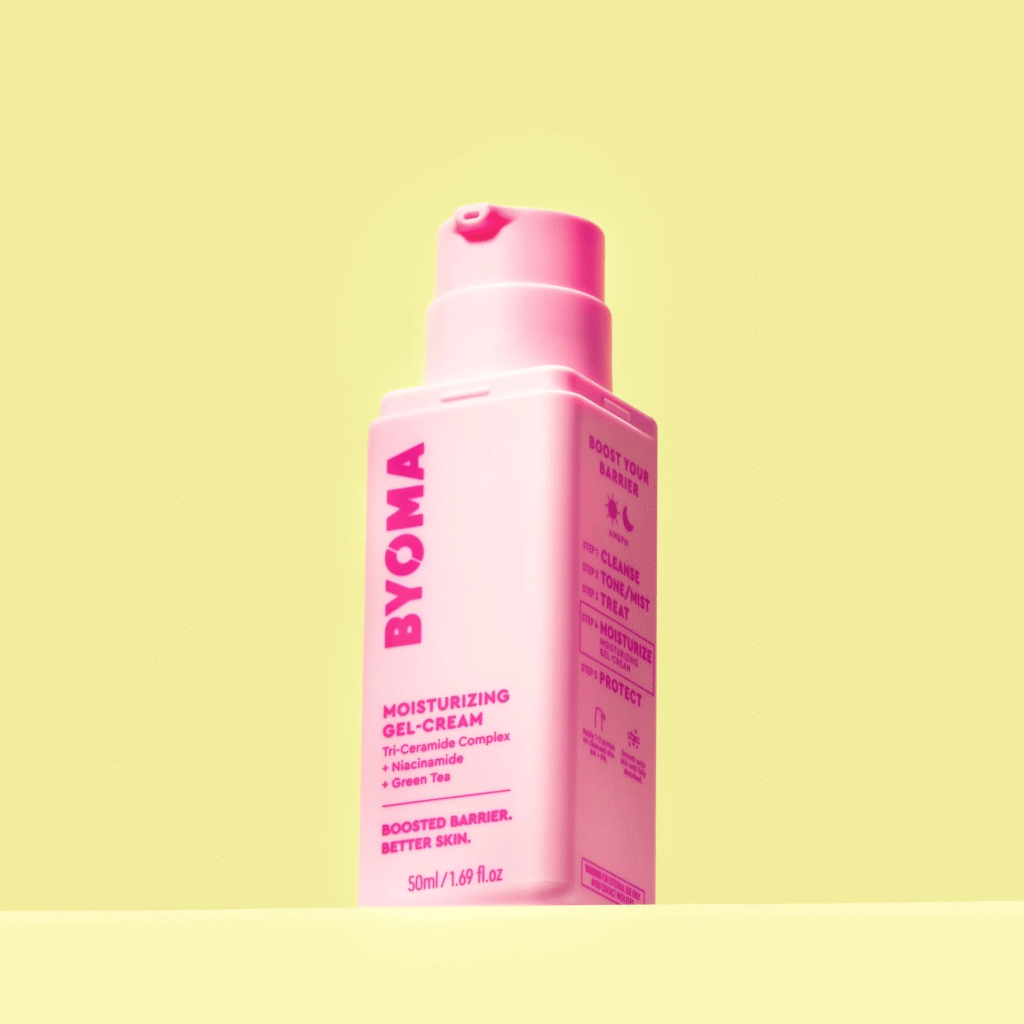
Its Tri-Ceramide Complex combines ceramides, cholesterol, and fatty acids. The lightweight gel-cream texture offers barrier-focused hydration without a heavy finish.
Dieux Instant Angel
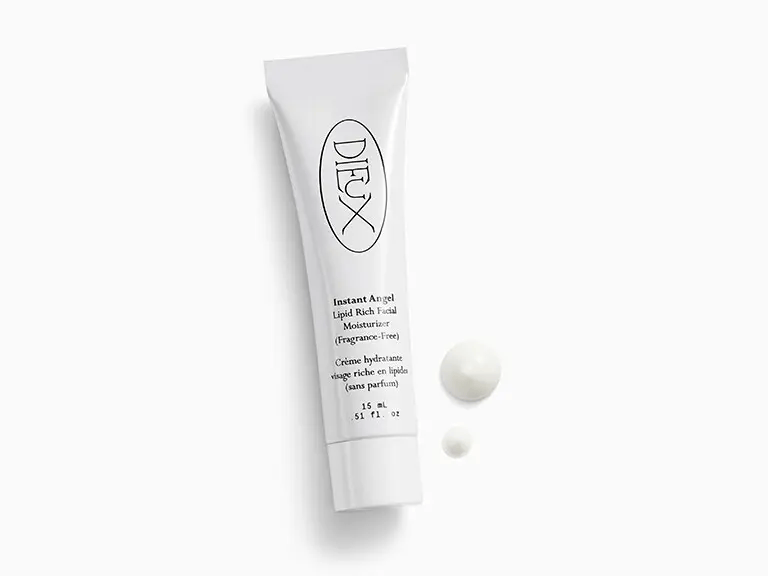
An interesting pick from the independent skincare label Dieux. Its formula combines ceramides, squalane, peptides, and multiple moisturizing ingredients. It offers rich nourishment without the traditionally heavy cream finish.
Barrier care isn’t about buying ten new moisturizers or following every viral skincare recommendation. It’s about understanding what your skin needs, choosing formulas that support its natural protective function, and giving your routine enough consistency to work.