
Art history often celebrates movements through the names that dominated their time. Yet, many influential women artists worked beyond the recognition their contributions deserved. This November, Dubai will revisit that history through an exhibition dedicated to Arab women modernists.
As part of Alserkal Art Week, the exhibition brings together works by pioneering artists from the region. Presented in partnership with the Barjeel Art Foundation, it highlights women who helped develop modern artistic languages across the Arab world.
Running from November 15 to 22 at Alserkal Avenue, this year’s Art Week takes Smouldering as its central theme. The wider program explores memory, resilience, identity, and artistic responses to social and political change.
However, the exhibition’s most compelling contribution lies in its focus on the women who helped shape the region’s modern art history.
The Women Behind a Movement
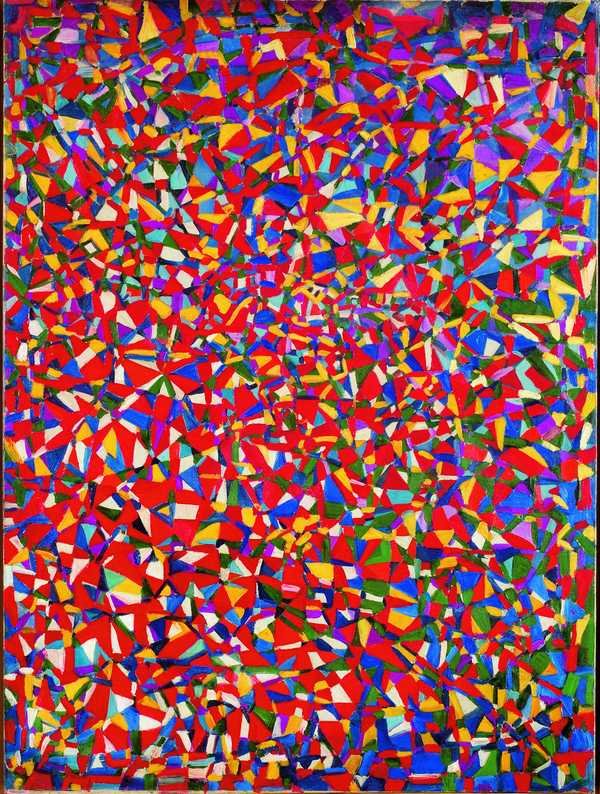
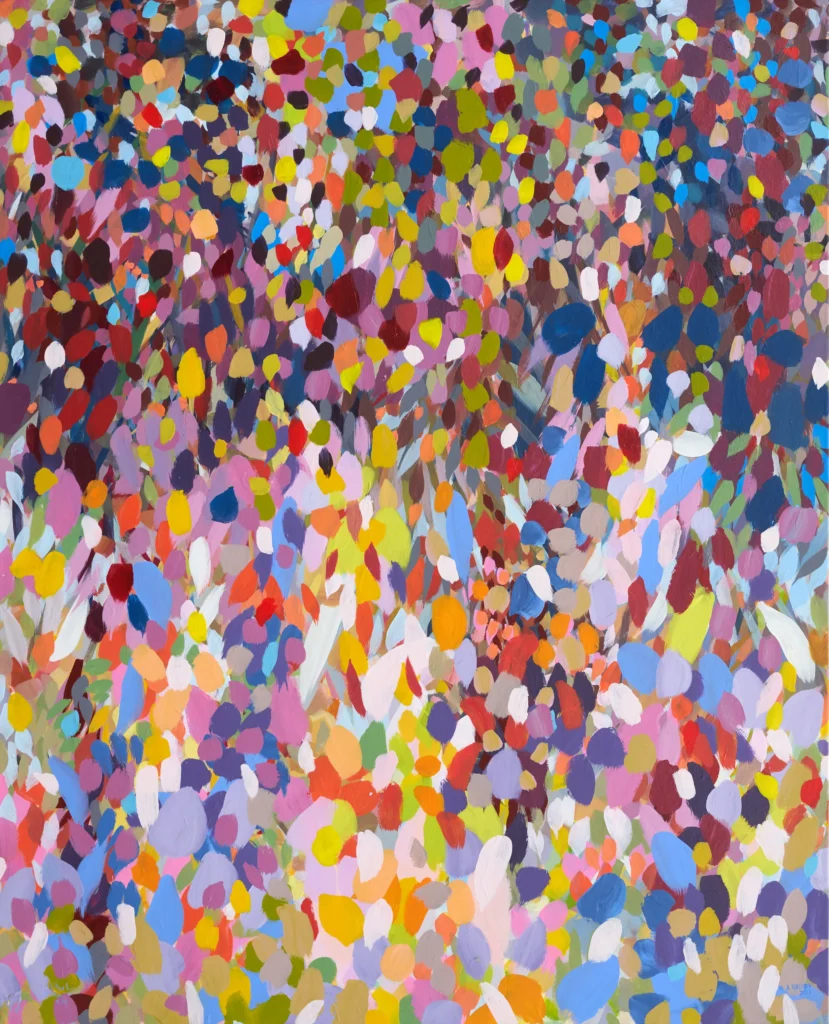
Among the featured artists are Fahrelnissa Zeid, Samia Halaby, Inji Aflatoun, and Etel Adnan. Each developed a distinctive visual language, challenging conventional ideas about artistic expression.
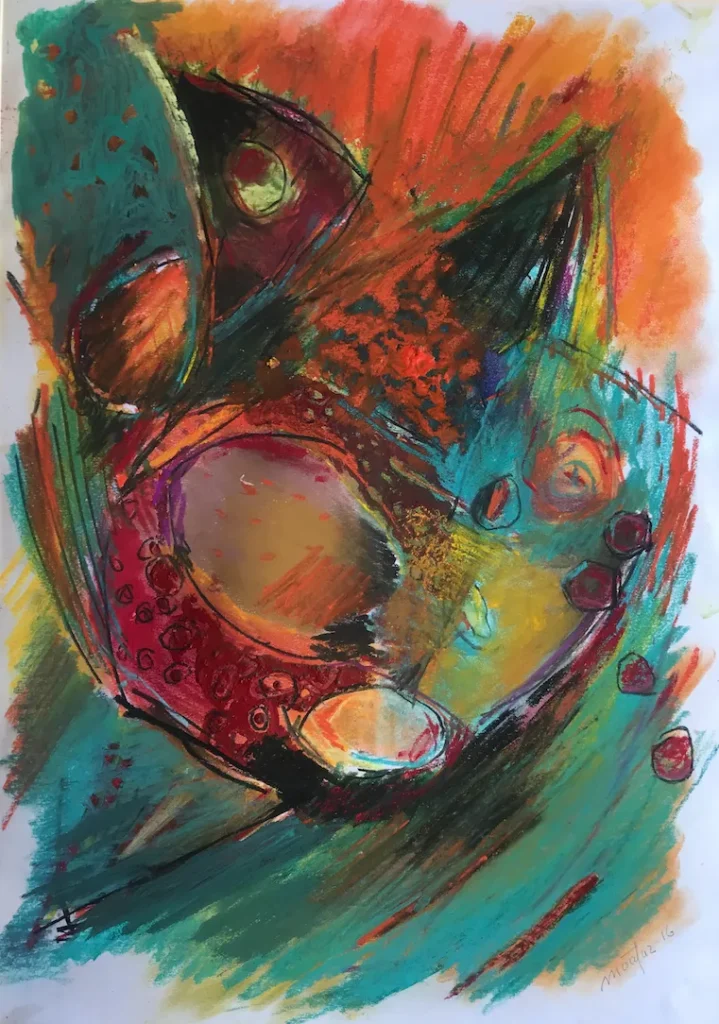
Fahrelnissa Zeid became known for monumental abstract compositions. Her paintings combined vibrant colors and intricate geometric patterns, creating energetic visual worlds. Her work crossed cultural boundaries while maintaining a distinct artistic identity.
Meanwhile, Samia Halaby explored abstraction through movement, geometry, and color. Her practice challenged traditional approaches to painting and expanded conversations about modernism in the Arab world.
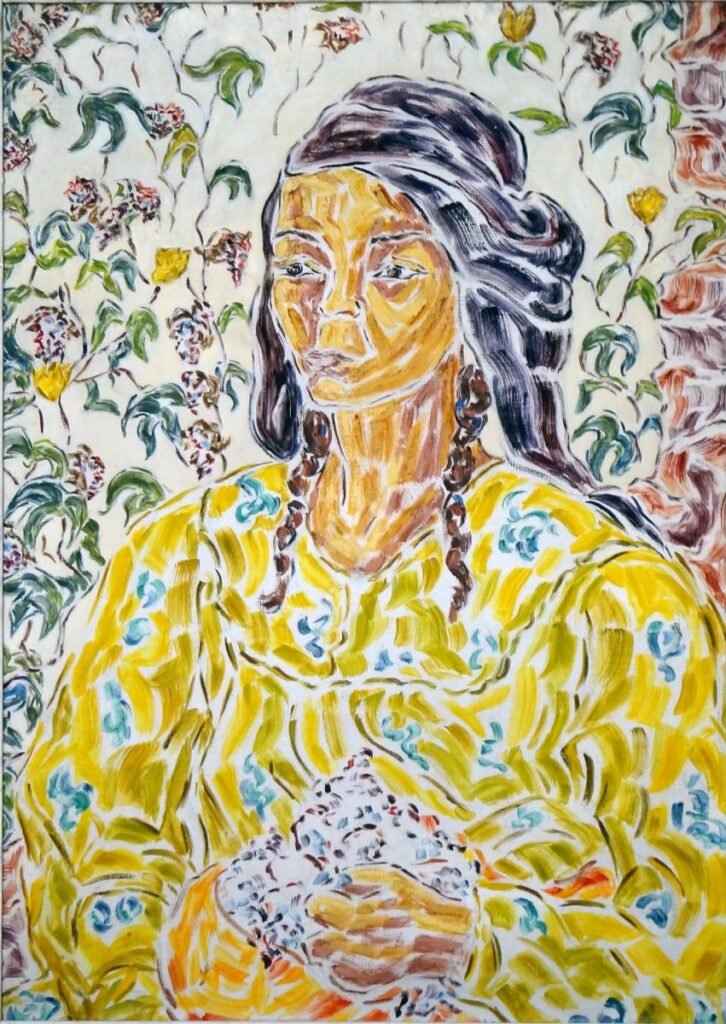
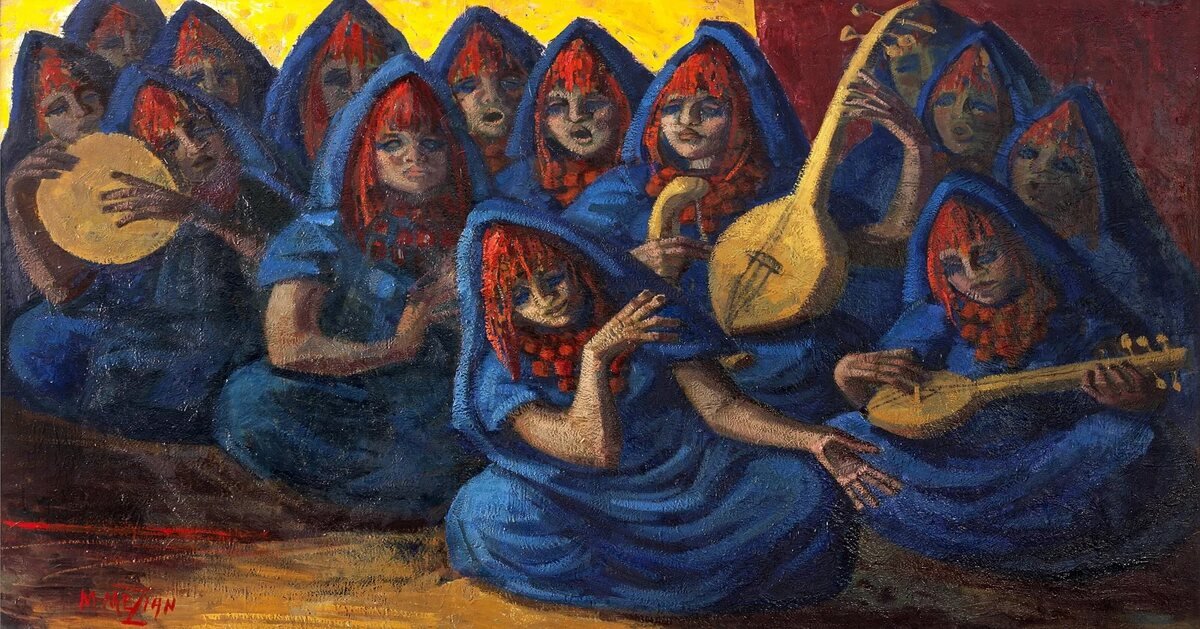
Egyptian artist Inji Aflatoun brought another perspective. Her work frequently addressed social realities, women’s experiences, and political change. Through painting, she connected personal expression with wider questions about society and identity.
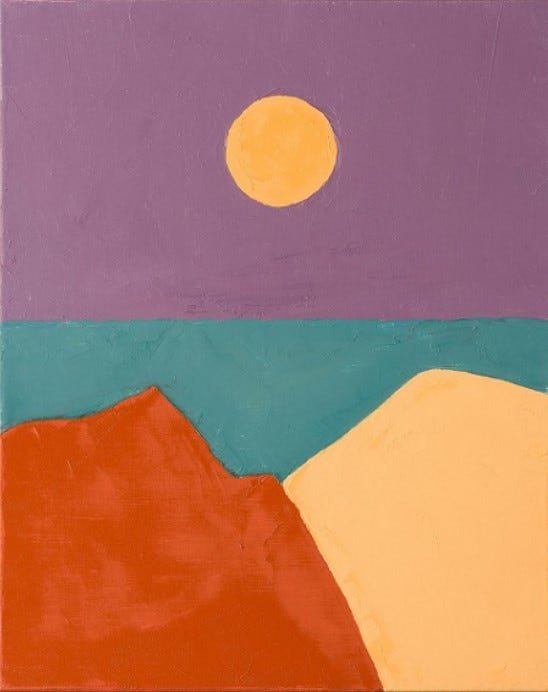
Etel Adnan, meanwhile, developed a distinctive approach to abstraction and landscape. Her paintings transformed mountains, skies, and natural forms into expressive compositions. Her multidisciplinary practice also connected visual art with poetry and literature.
Although their approaches differed, these artists shared an interest in challenging artistic boundaries. Their work reflected changing societies while introducing new ways to interpret the world.
Why Their Stories Matter Today
Revisiting these artists isn’t simply an exercise in nostalgia. It offers an opportunity to understand how contemporary Arab art developed.
For decades, conversations about modernism often focused on Western artistic movements. However, artists across the Arab world developed their own responses to modernity, identity, politics, and cultural change.
Women played an important role in those conversations. Their work explored subjects that extended beyond traditional artistic expectations.
Furthermore, their influence continues to resonate with younger generations. Today’s artists often navigate similar questions about belonging, representation, cultural memory, and personal expression.
Recognizing these connections helps place Arab modernism within a wider international art history.
More Than an Exhibition
Alserkal Art Week will extend this conversation through exhibitions, talks, film, and installations across Alserkal Avenue.
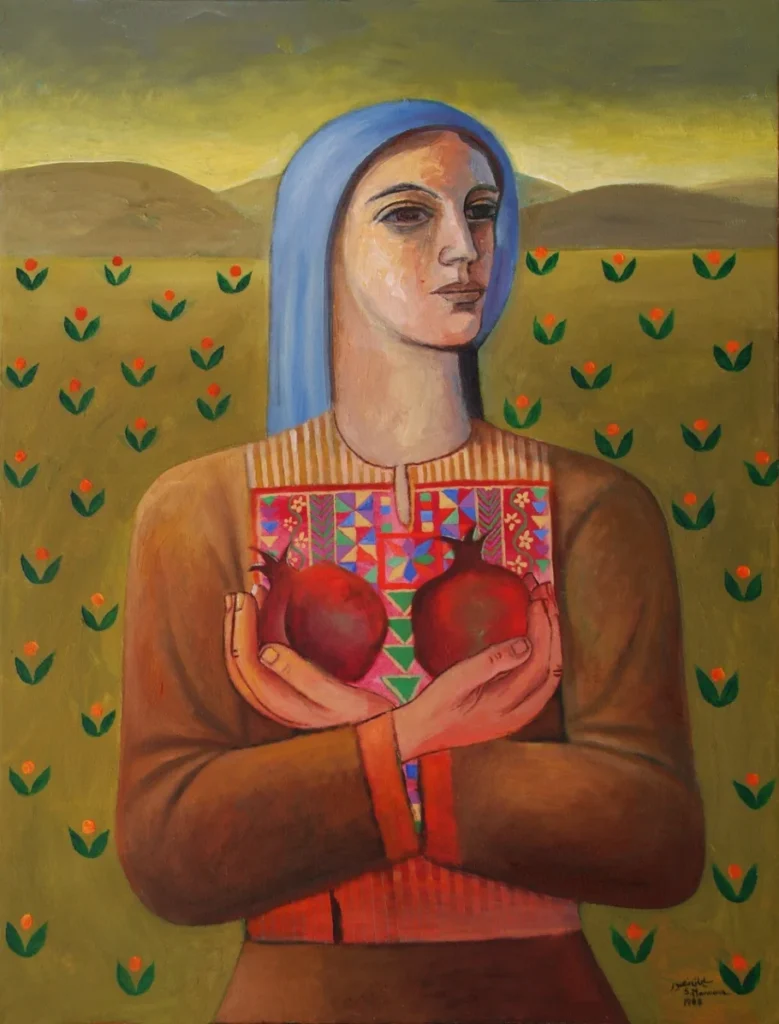
Its program also includes Promises and Scars, an exhibition dedicated to Palestinian artist Sliman Mansour. Meanwhile, Egyptian artist Moataz Nasr will curate a roundtable exploring art, resistance, memory, and community.
These different presentations create a broader conversation about the relationship between art and lived experience.
Ultimately, the exhibition dedicated to Arab women modernists offers an important opportunity to revisit the region’s creative history. It brings together artists whose contributions continue to shape how audiences understand modern Arab art.
Their work deserves more than occasional recognition. It deserves a permanent place in the conversations shaping art history today.