

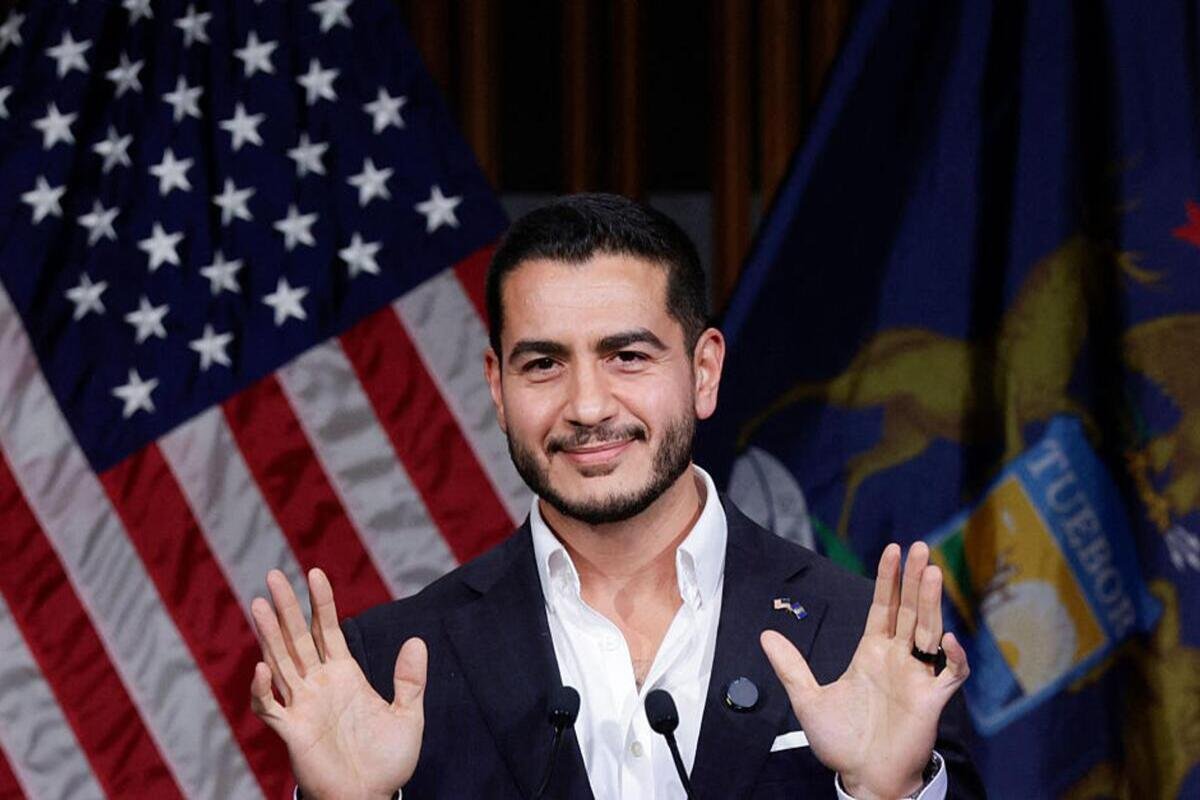
Abdul El-Sayed has made history in American politics. The Egyptian American Democrat defeated Republican Mike Rogers in Michigan’s closely watched Senate race. His victory makes him the first Muslim elected to the United States Senate.
According to the Associated Press, El-Sayed won the contest on November 3. He will succeed retiring Democratic Senator Gary Peters when he takes office in January 2027. The result also keeps the seat in Democratic hands.
For El-Sayed, 42, the victory represents a remarkable chapter in a career shaped by public health, community work, and political activism. For Muslim Americans, it marks a breakthrough in representation at the highest level of the federal legislature.
From Egyptian Roots to Michigan Politics
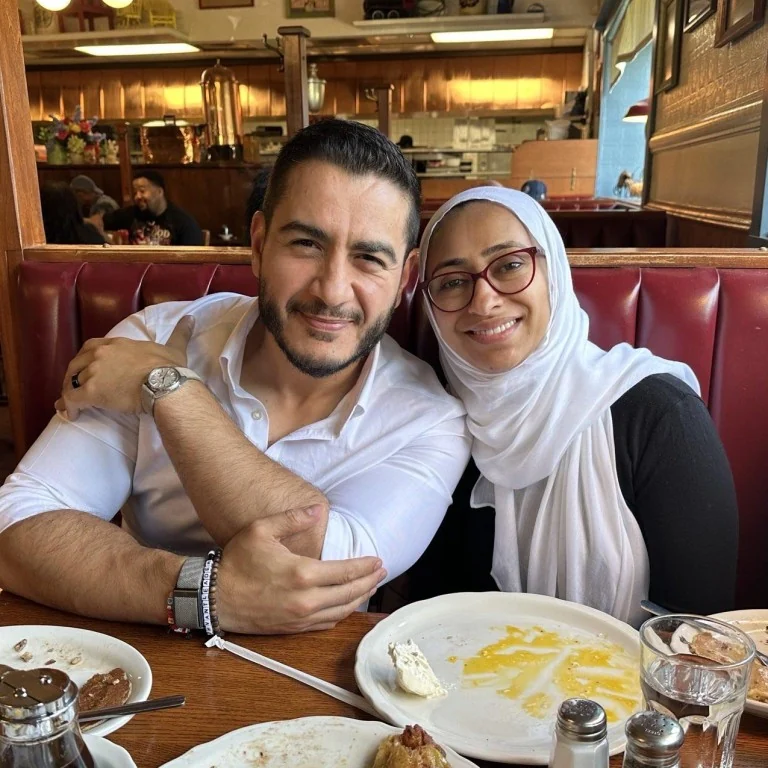
Born in Rochester Hills, Michigan, Abdul El-Sayed is the son of Egyptian immigrants. His background connects his personal story to a wider conversation about immigrant communities and their place in American public life.
His professional journey began in medicine and public health. He graduated from the University of Michigan in 2007 before earning a doctorate in public health from the University of Oxford. He later received his medical degree from Columbia University.
In 2015, El-Sayed became Detroit’s health director. He held the position until 2017, overseeing public health initiatives in a city facing significant economic and social challenges. He later served as director of Wayne County’s Department of Health, Human and Veterans Services.
These experiences shaped his political priorities. They also shaped his focus on healthcare access, economic inequality, and the everyday pressures working families face.
A Campaign Focused on Healthcare and Affordability
Abdul El-Sayed built his Senate campaign around an ambitious progressive platform. His priorities included Medicare for All, lowering costs for families, and reducing the influence of wealthy donors and corporations in politics.
His foreign policy stance also drew national attention. He strongly criticized American military support for Israel and called for an end to unconditional assistance. These views became a major point of debate throughout the campaign.
His opponent, Mike Rogers, was a former congressman and FBI agent. The race also attracted national attention because Michigan remains a closely contested state. Both parties viewed the open seat as important to the broader fight for control of the Senate.
A Historic Victory for Abdul El-Sayed Amid a Divisive Campaign
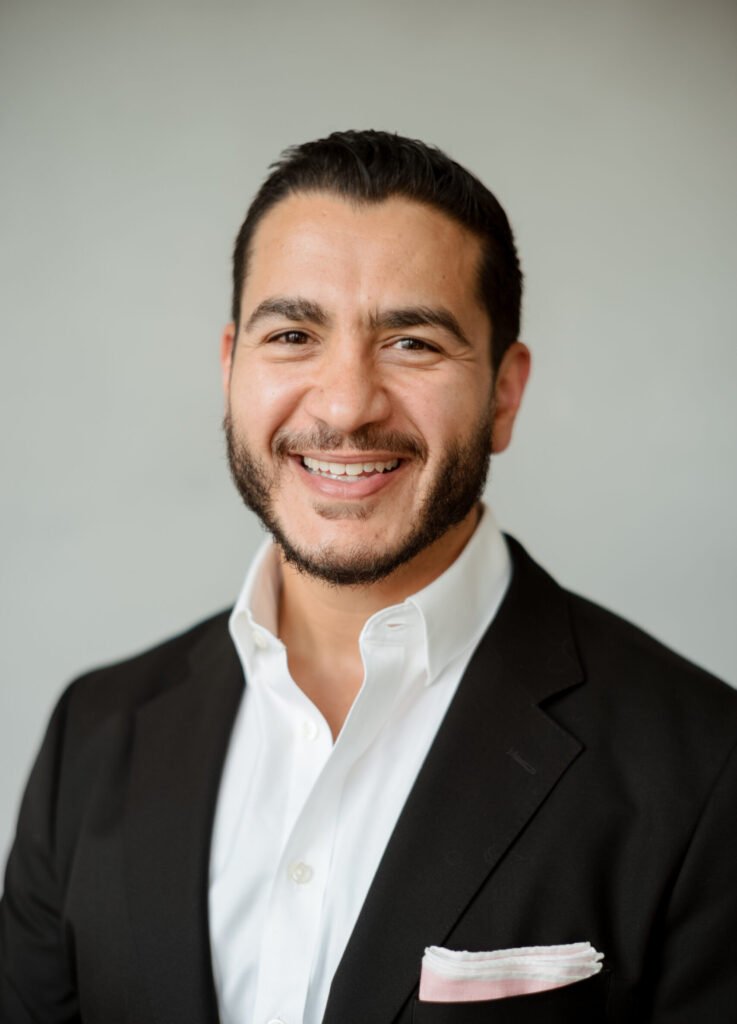
Abdul El-Sayed’s campaign faced intense scrutiny over his political positions and Muslim identity. President Donald Trump and other Republican figures repeatedly attacked him. Some also attempted to associate him with extremist organizations, allegations El-Sayed denied.
The campaign highlighted the challenges Muslim and immigrant-background candidates can face in American politics. It also placed questions of religious identity, representation, and political belonging at the center of national attention.
Nevertheless, El-Sayed secured the victory. His election adds a new chapter to the history of Muslim representation in the United States Congress. Muslim Americans have previously served in the House of Representatives, including Keith Ellison, Rashida Tlaib, and Ilhan Omar. However, no Muslim had previously been elected to the Senate.
What His Election Represents
Abdul El-Sayed’s victory carries significance beyond Michigan. It creates a historic first for Muslim Americans and adds an Egyptian-American voice to the United States Senate.
His election also reflects the growing diversity of the country’s political leadership. It gives greater visibility to communities whose experiences have not always been represented in national institutions.
However, the milestone is only the beginning of his Senate career. El-Sayed will take office in January 2027, when he begins translating his campaign priorities into legislative work.
For the son of Egyptian immigrants who began his career in public health, the journey to the Senate marks an extraordinary personal and political milestone. His election now places him at the center of America’s next chapter in representation and public life.