

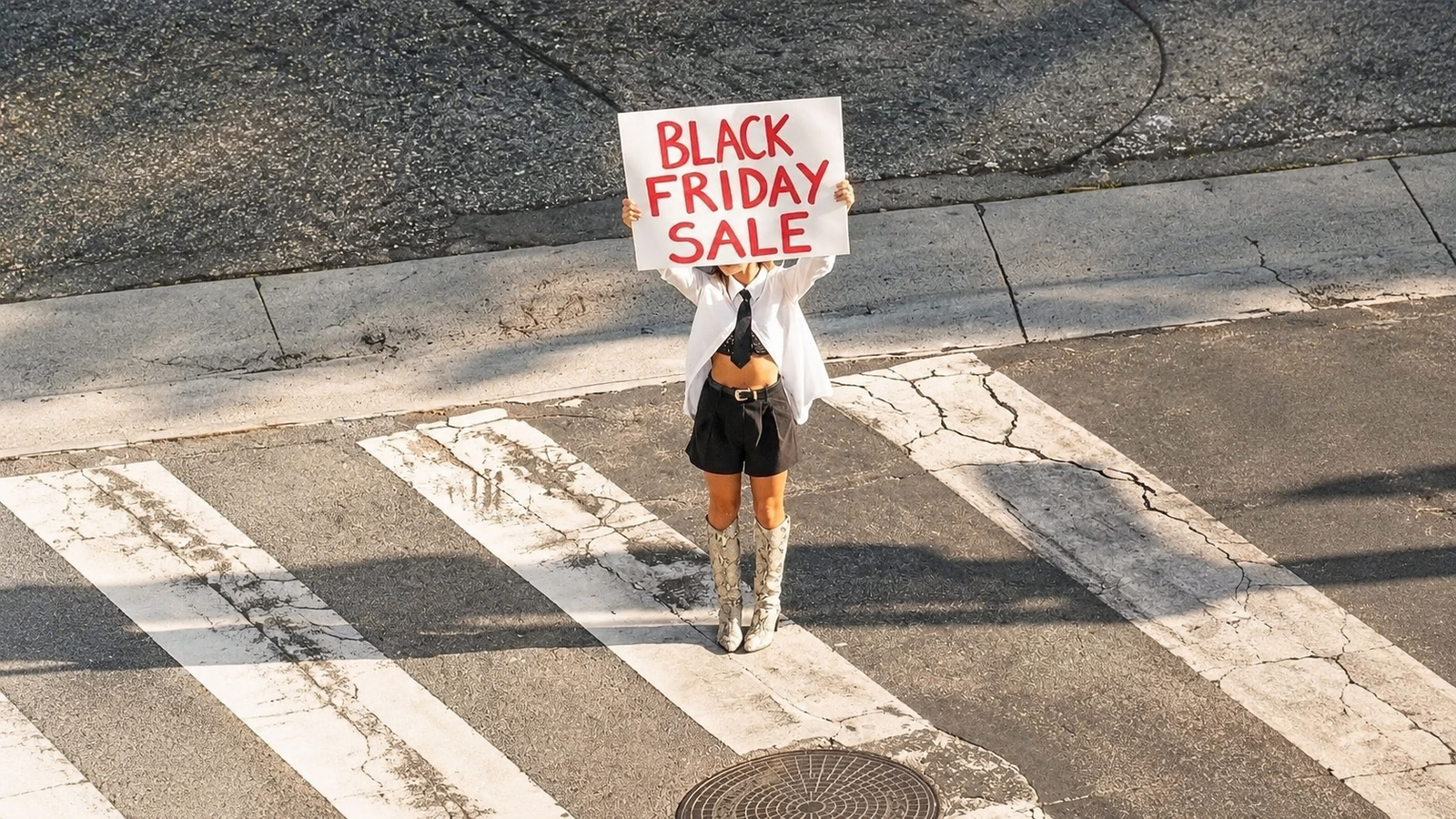
Every November, the same ritual returns. Shopping platforms fill with countdowns, brands announce their biggest discounts, and social media becomes a never-ending stream of sale announcements. Suddenly, everything seems urgent. That item you barely noticed last week now feels like something you cannot afford to miss.
There is nothing inherently wrong with a good bargain. Buying something you genuinely need at a lower price is simply a smart decision. However, Black Friday has gradually become something much bigger than an opportunity to save. It has evolved into a marketing phenomenon that encourages people to spend more, buy faster, and question their purchasing decisions less.
And perhaps the most concerning part is how easily we mistake all of this for saving money.
When Saving Money Means Spending More
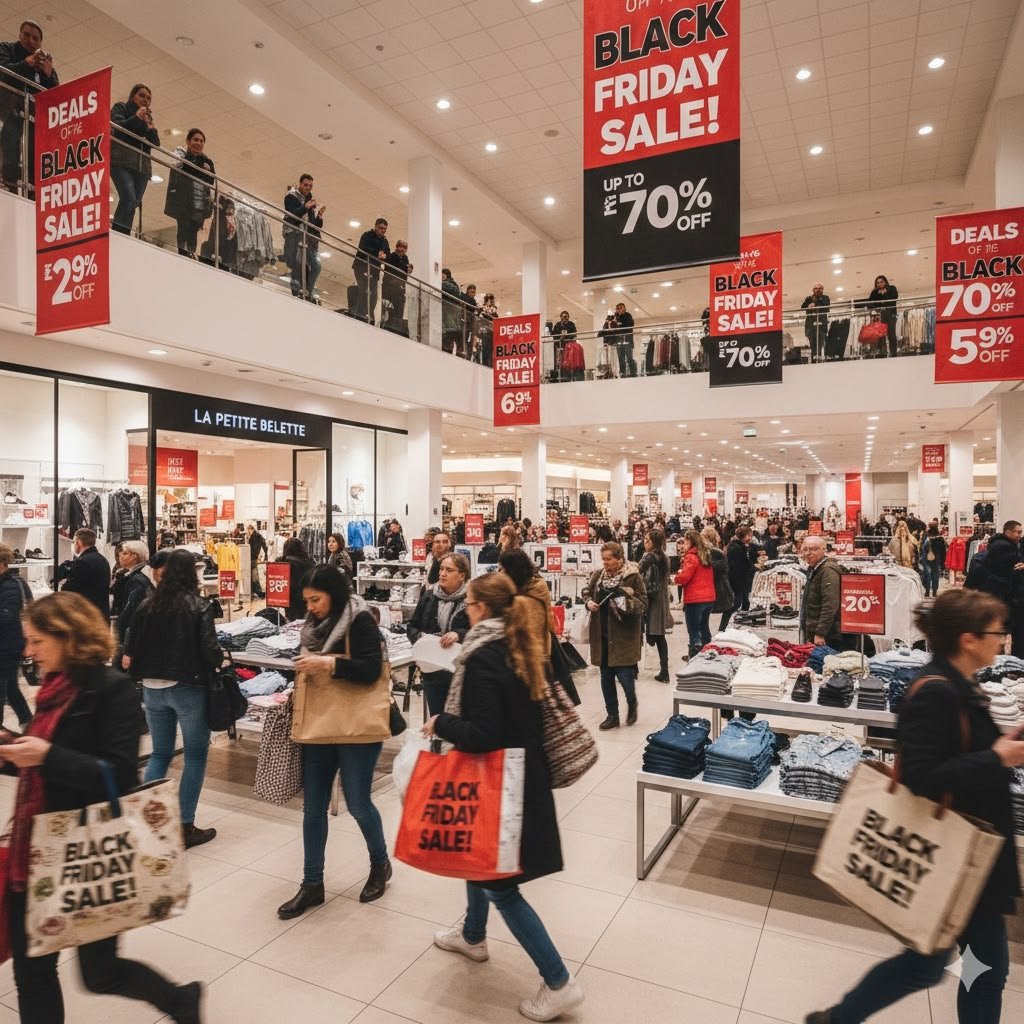
Think about how many times you have added something to your shopping cart simply because it was discounted. You might not have needed it, considered buying it, or even known it existed before seeing the promotion. Yet, the moment a discount appears, the purchase suddenly seems justified.
This is where the problem begins. Instead of asking whether we need something, we start asking whether we can afford to miss the deal.
Retailers understand this psychology remarkably well. Countdown timers, limited-stock notifications, and phrases such as “last chance” are designed to create urgency. They make consumers feel that waiting is equivalent to losing an opportunity.
Research published in the Journal of Promotion Management in 2024 examined how limited-time promotional messages influence impulse purchases. The researchers found that fear of missing out (FOMO) can help explain why these messages encourage impulsive buying. The effect was particularly relevant among consumers with stronger buying impulses.
In other words, the pressure to purchase does not necessarily come from wanting the product. Sometimes, it comes from not wanting to miss the opportunity.
Social media makes the situation even more complicated. When everyone appears to be shopping, sharing their purchases, and celebrating their discounts, spending starts to feel like a collective experience. We become more concerned with what we might miss than with what we actually need.
The Illusion of a Great Deal
Perhaps the biggest misconception surrounding Black Friday is that spending less on individual items automatically means saving money.
A product marked down by 20% might seem like a bargain. But if you had no intention of buying it before the sale, you have not saved 20%. You have spent money you otherwise would have kept.
The mathematics are simple, yet the psychology is surprisingly powerful. We focus on the amount supposedly taken off the original price instead of the amount leaving our bank accounts. The discount becomes the selling point, while the actual purchase becomes an afterthought.
There is also the question of whether these discounts are as impressive as retailers make them appear.
A 2026 investigation by UK consumer organization Which? tracked more than 250,000 prices across 756 products sold by eight major retailers. It found that only 22% of the products reached their lowest price of the year during the 2025 Black Friday sales period. Another 44% simply matched their lowest prices from elsewhere in the year.
This is hardly the picture of an unmissable shopping opportunity.
The European Commission also reported in March 2026 that 30% of 314 online traders checked during a consumer protection sweep had incorrectly referenced discounts. Under EU rules, advertised reductions generally need to be calculated against the lowest price charged during the previous 30 days.
Of course, these findings concern specific retailers and markets. They do not prove that every Black Friday offer is misleading. However, they remind us that a percentage sign and a crossed-out price are not enough to establish genuine value.
Have We Forgotten What a Real Discount Looks Like?
I cannot help but think about how Black Friday used to feel around a decade ago. Perhaps part of this is nostalgia, but shopping promotions seemed to carry a different sense of excitement.
There was something about seeing a genuinely significant reduction that made a purchase feel worthwhile. Today, discounts of 15% or 20% are frequently presented as extraordinary opportunities, even though they are hardly remarkable.
Meanwhile, sales campaigns have become longer, louder, and more difficult to escape. Black Friday is no longer necessarily a single shopping day. It can stretch across weeks, followed by Holiday offers and countless other promotional events.
When everything is constantly on sale, the idea of a special offer starts to lose its meaning.
More importantly, consumers are encouraged to treat every shopping season as an opportunity to acquire something new. We move from one sale to another, often without stopping to consider whether our purchases add anything meaningful to our lives.
The Bigger Problem Is Overconsumption
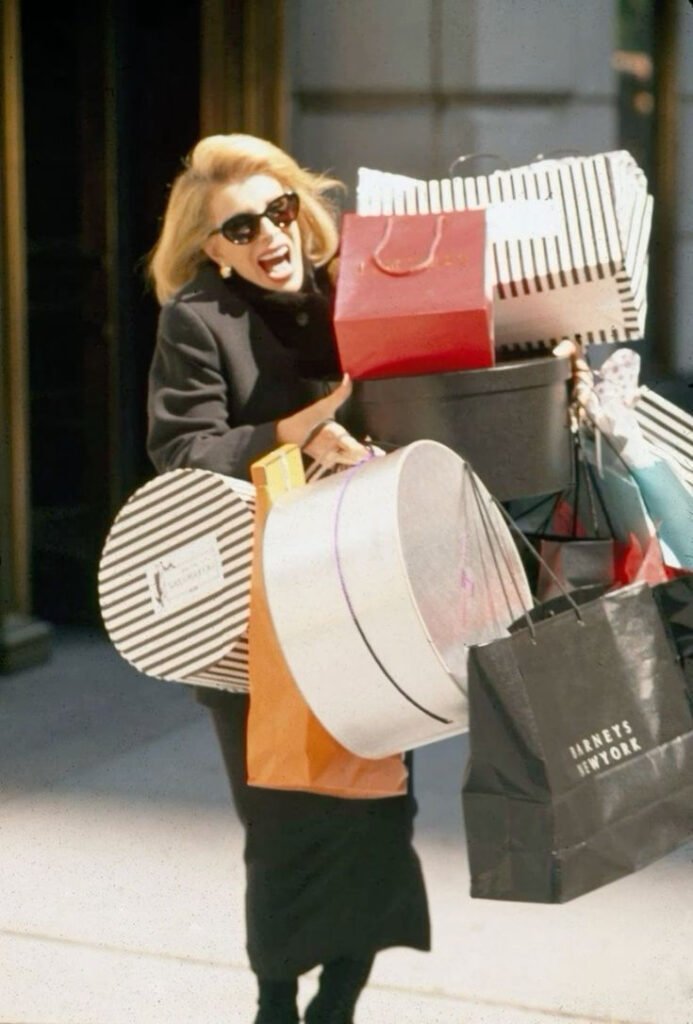
Beyond the money, there is a much bigger conversation about the culture of overconsumption.
We live in a world that constantly encourages us to upgrade, replace, collect, and accumulate. Fashion trends move faster, beauty launches never seem to stop, and technology companies regularly introduce new versions of products we already own.
Black Friday fits perfectly into this culture. It gives overconsumption a convenient justification by making unnecessary purchases feel financially responsible.
But buying something simply because it is cheaper does not make it necessary. And owning more does not automatically make our lives better.
This is not an argument against shopping, enjoying beautiful things, or taking advantage of genuine discounts. People should be able to spend their money however they choose. However, it is worth questioning a system that makes us feel deprived when we do not participate in its sales events.
Perhaps we should start approaching Black Friday differently. Before adding another item to our carts, we could ask ourselves whether we wanted it before seeing the discount. Would we still buy it at its original price? Would we use it regularly? And, most importantly, would we miss it if we never bought it?
Sometimes, the smartest purchase is the one we decide not to make.