
Who Gets to Decide Where Egyptian Mummies Belong? The Debate Over Museum Displays
The removal of Egyptian human remains from display in Glasgow has reopened a complex conversation about museum ethics, cultural heritage, and repatriation.
For generations, visitors to European museums have encountered ancient Egyptian mummies behind glass. These displays have shaped how audiences understand Egypt’s history and funerary traditions. However, museums are increasingly reconsidering how they present human remains.
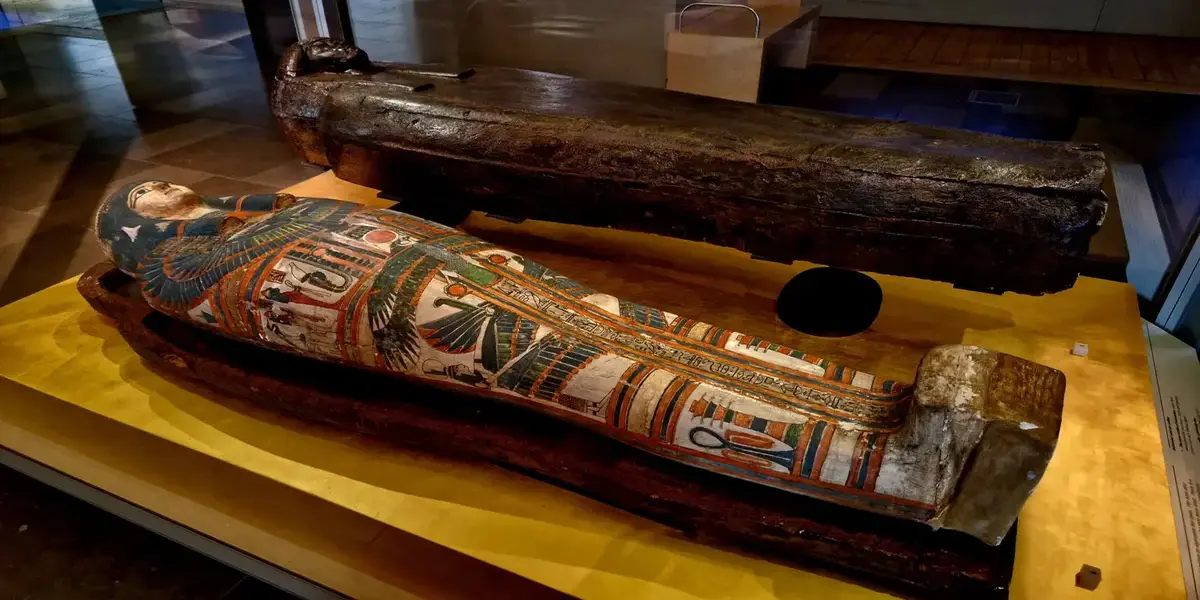
Recent decisions in Glasgow have brought that discussion into sharper focus. Kelvingrove Art Gallery and Museum has removed the remains of an ancient Egyptian priest named Nekht. Meanwhile, the Hunterian Museum has covered the remains of Lady Shep-en-Hor inside her open sarcophagus.
Both decisions reflect changing attitudes toward the display of human remains. Yet they also raise a larger question: who has the right to decide where these individuals belong?
A Change in Museum Practice
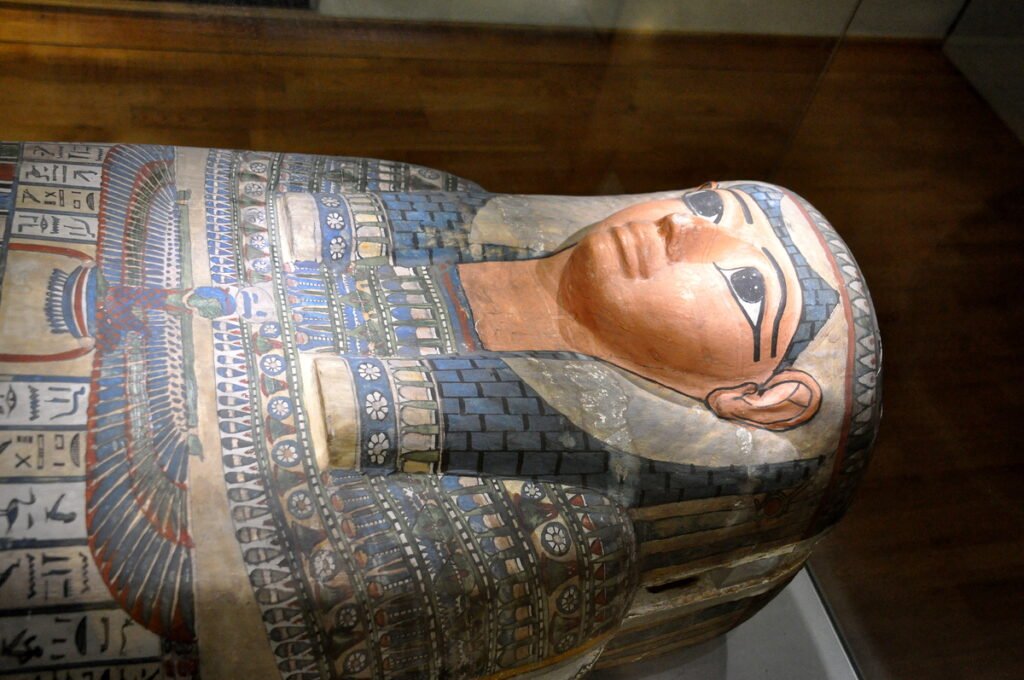
Glasgow Life, the organisation responsible for Glasgow’s museums, confirmed Nekht’s removal from public view. The institution explained that its draft human remains policy prioritises documented and informed consent.
The policy proposes displaying human remains only when the deceased or appropriate descendants provided consent. Without that documentation, the organisation considers removal more respectful.
The decision also follows the International Council of Museums’ revised ethical code. Published in June 2026, the code highlights the inherent dignity of human remains.
However, the updated guidance does not require every museum to remove mummies from display. Instead, it encourages institutions to consider their responsibilities toward the deceased and relevant communities.
At the Hunterian, the museum has taken a different approach. Staff covered Lady Shep-en-Hor’s remains while keeping her sarcophagus visible.
These decisions show how museums can reconsider displays without necessarily adopting identical policies.
The Question of Repatriation
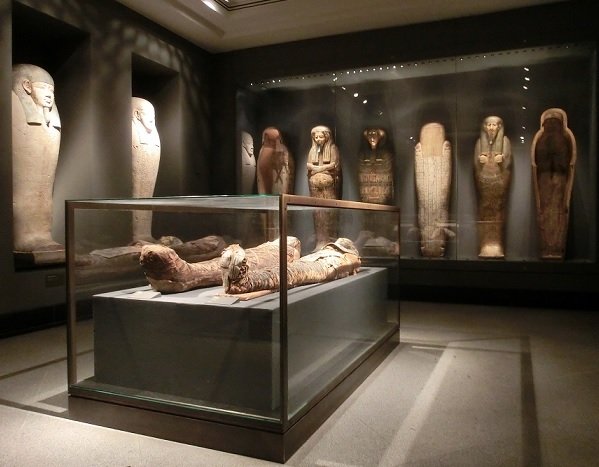
The debate extends beyond whether museums should display human remains. It also concerns where those remains should ultimately rest.
Glasgow Life confirmed that it received a request to repatriate Nekht’s remains to Egypt. However, the organisation has not identified the source of that request.
That distinction matters. The request does not, by itself, confirm a completed Egyptian government repatriation process.
Nevertheless, it brings renewed attention to the wider question of returning Egyptian antiquities and ancestral remains.
For Egypt, the issue carries cultural and historical significance. Human remains connect archaeological collections to individuals, communities, burial traditions, and the circumstances surrounding their removal.
Meanwhile, museums must consider conservation, research, public education, and the wishes of communities connected to these collections.
Beyond Display: What Does Respect Look Like?
There is no single answer to this debate. Some argue that museums should remove human remains from public view. Others believe carefully contextualised displays can support education and historical understanding.
The discussion also raises questions about the standards museums should apply. Can institutions establish meaningful consent for individuals who lived thousands of years ago? How should they consult descendant communities? And who should make the final decision?
These questions become especially important when collections originated through colonial-era excavation, unequal exchanges, or unclear acquisition histories.
Ultimately, removing a mummy from display does not resolve every question about ownership or repatriation. Similarly, keeping remains in a museum does not automatically guarantee respectful treatment.
The Glasgow decisions offer an opportunity to reconsider how museums approach ancient Egyptian remains. More importantly, they invite audiences to see mummies as people rather than objects.
Perhaps the central question is no longer simply whether museums should display them. It is whether institutions can balance public knowledge with the dignity of those who came before us.