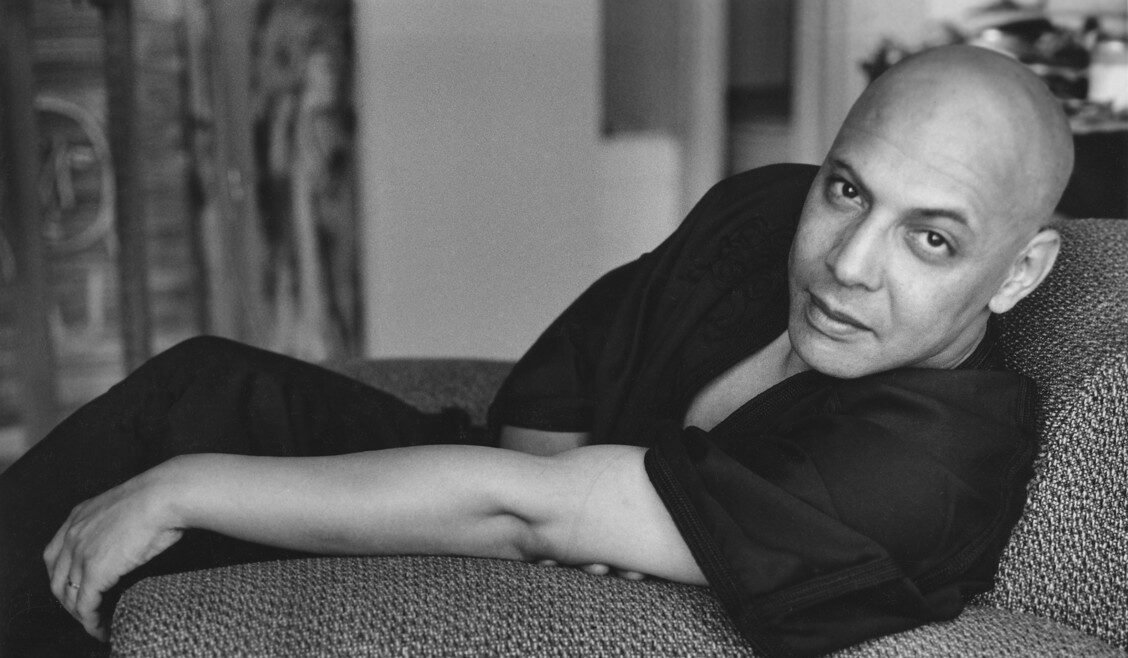

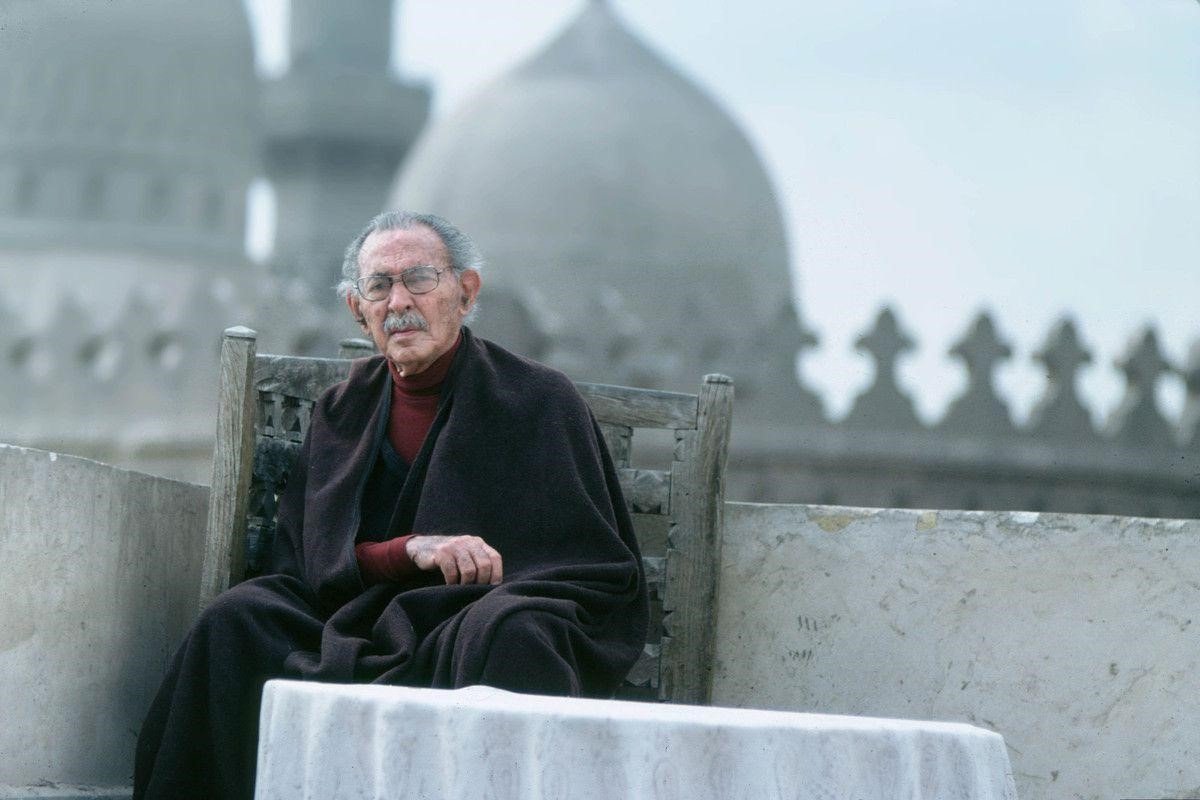
Hassan Fathy was born in Alexandria, Egypt, on March 23rd, 1900, and graduated in architecture from King Fuad I University, now Cairo University, in 1926, at the height of the European Art Deco and modernist movements that had already begun shaping his earliest work.
He spent the decades that followed doing something that the architectural establishment of his time considered either naïve or irrelevant, building with mud brick, reviving ancient Nubian construction techniques, and arguing, consistently and without apology, that architecture’s primary obligation was to the people who would actually live inside the buildings, not to the aesthetic fashions circulating in European design schools.
In a century dominated by concrete and steel, Fathy championed mud-brick construction and what he called “appropriate technology,” becoming known as the “architect of the poor” for creating affordable, climate-responsive housing that drew on centuries of accumulated local knowledge rather than imported materials and methods.
The Teaching and the Early Work
Fathy initiated his career as a teacher at the College of Fine Arts, Cairo University in 1930, a trilingual, cosmopolitan professor-architect-engineer, as well as an amateur musician and dramatist who brought an unusual breadth of sensibility to a discipline that, in Egypt at the time, was moving rapidly toward Westernised modernism.
By the late 1930s, his work was already showing a growing awareness of indigenous Egyptian architecture and how it worked with its environment to maximise light and ventilation inside homes, as he began examining pre-industrial building systems not as historical curiosities but as practical models for contemporary construction. In the late 1930s, he constructed his first adobe buildings, beginning the material investigation that would define his entire practice.
New Gourna and the Project That Changed Everything
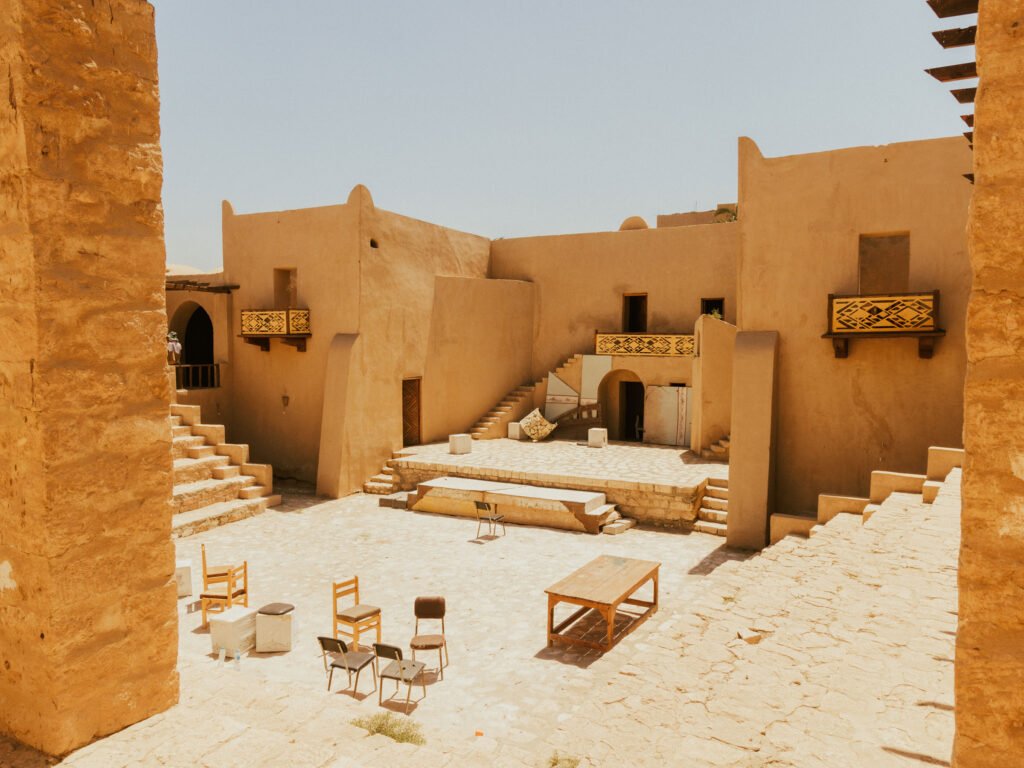
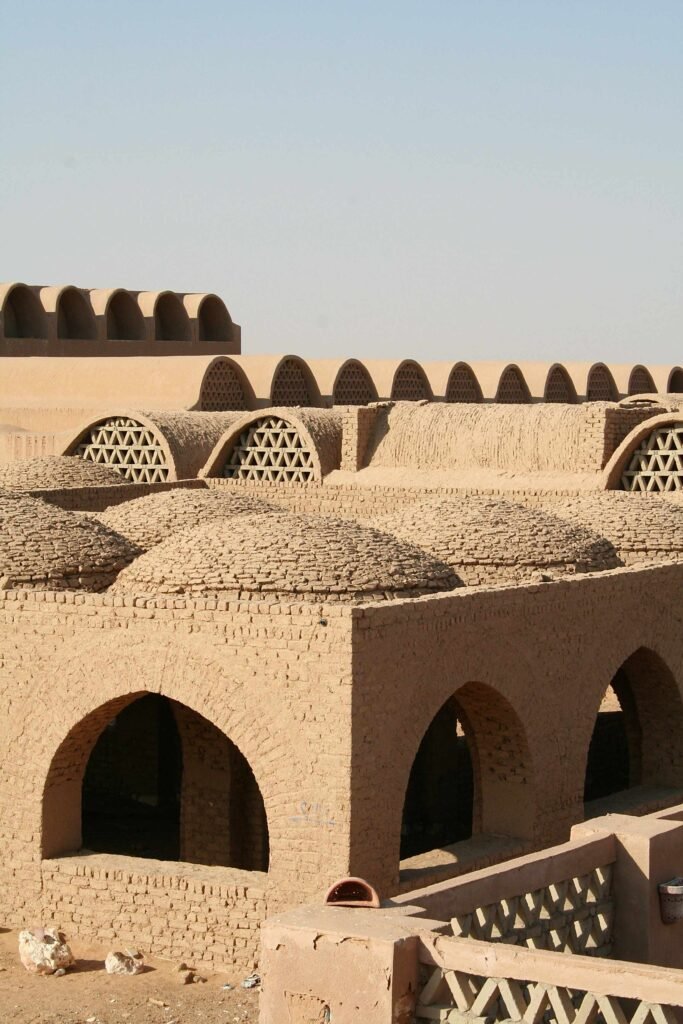
In 1945, Fathy was commissioned by the Department of Antiquities to design the village of New Gourna in Luxor, his most iconic project, and one that would haunt him for years. The village was intended to relocate an informal community living within the archaeological areas of the Valley of the Kings and the Valley of the Queens, and Fathy approached the commission as a complete social and architectural experiment, designing homes tailored to the specific needs and traditions of each family, training local inhabitants to make their own materials, and reviving the Nubian technique of constructing domes and vaults without timber, which produced naturally cool interiors in Egypt’s extreme heat without any mechanical intervention.
The project received international critical attention; Fathy was applauded in a popular British weekly in 1947, but its reception within Egypt was considerably more complicated. The residents resisted relocation, the government’s commitment wavered, and the village was never fully occupied in the way Fathy had envisioned. His beliefs marginalised him for some time within the Egyptian community of architects, which initially did not fully accept his rejection of modernism, but Fathy was immovable, and eventually, still within his lifetime, he was vindicated.
Architecture for the Poor and Global Recognition
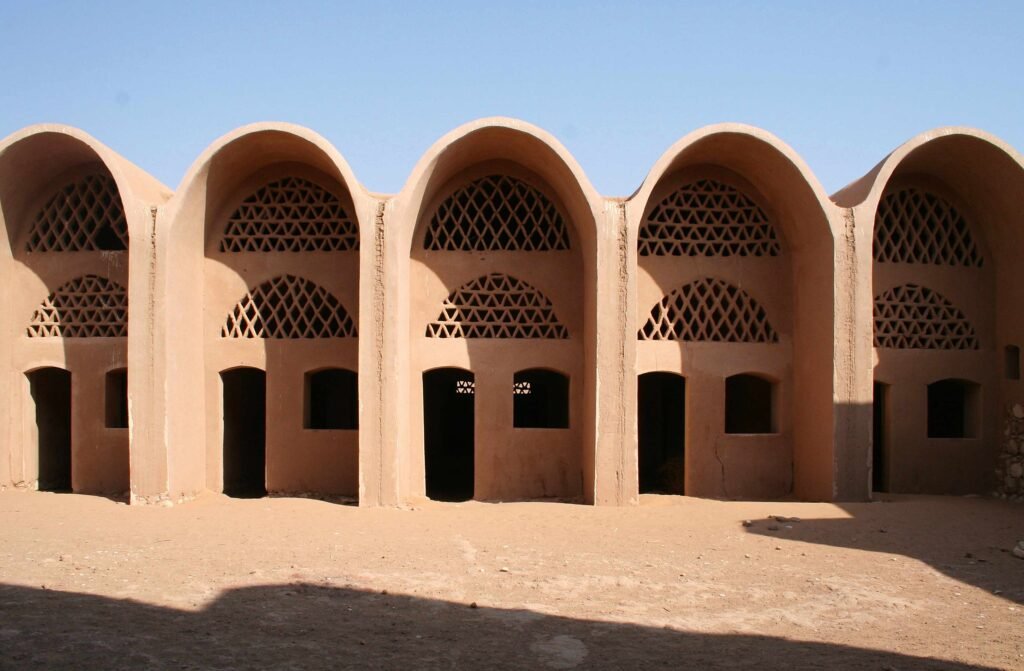
His authoritative book on Gourna, published in a limited edition in 1969, became even more influential in 1973 when it gained a new English title, Architecture for the Poor, which brought his work to sustained international attention and established him as one of the most significant architectural thinkers of the 20th century.
The book describes in detail Fathy’s experience in planning and building the village of New Gourma, using mud bricks and employing traditional Egyptian architectural features such as enclosed courtyards and domed and vaulted roofing, and has since become a classic staple for architecture students around the world.
His participation in the first UN Habitat conference in 1976 in Vancouver was followed by two significant developments: he began to serve on the steering committee for the nascent Aga Khan Award for Architecture, and he founded the Institute of Appropriate Technology.
In 1980, he received the Aga Khan Award for Architecture and the Right Livelihood Award, informally known as the “alternative Nobel Prize,” and was also awarded the Union of International Architects Gold Medal and the Egyptian National Prize for Arts and Letters.
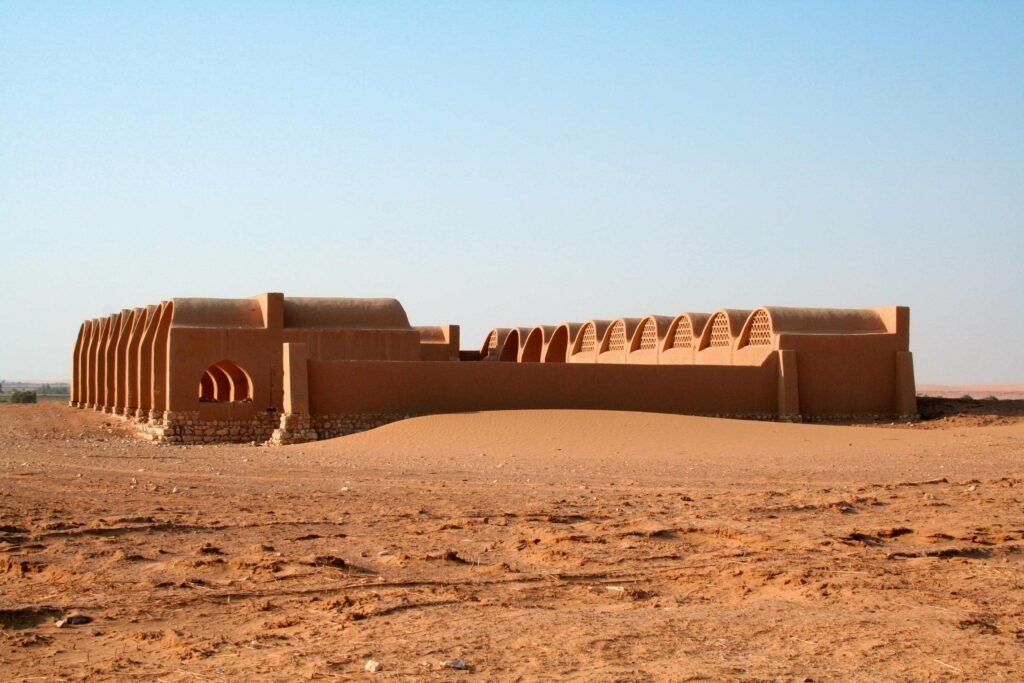
Over a career spanning six decades, Fathy designed nearly 160 separate projects, ranging from individual homes to entire communities across Egypt and the wider Arab world, including the Dar al-Islam Mosque in New Mexico.
His Legacy
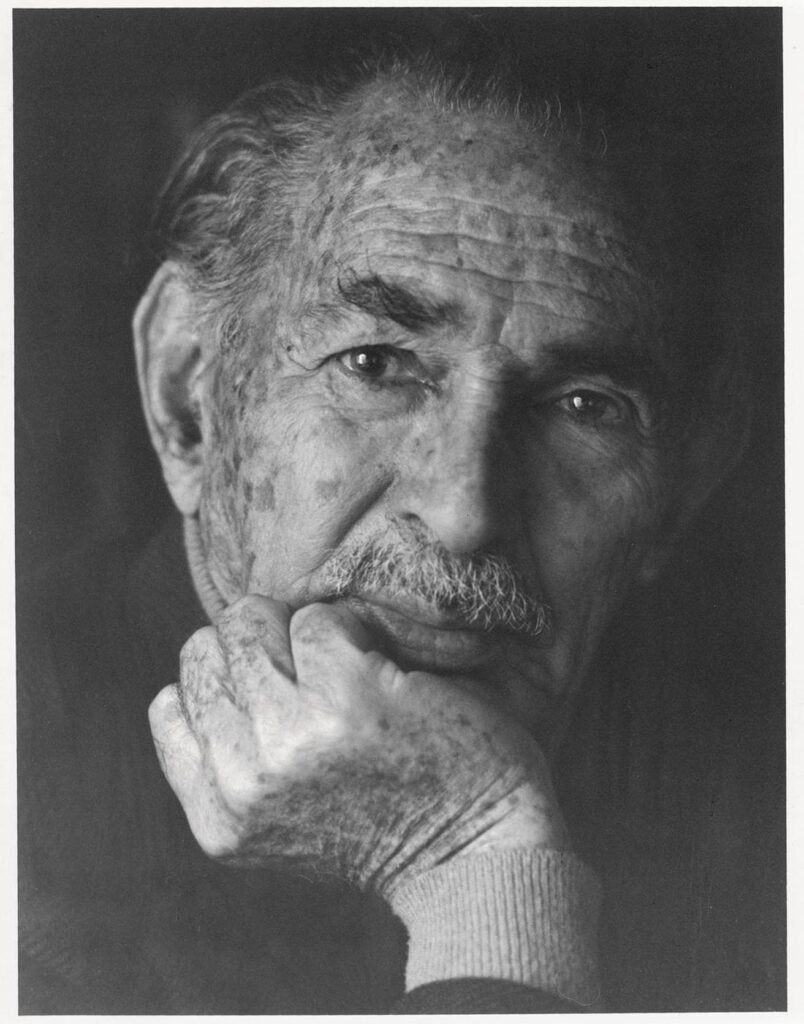
He died in Cairo on November 30th, 1989, at the age of 89, having spent nearly six decades arguing that the materials and techniques developed over centuries by the people who lived in Egypt’s climate were more intelligent, more sustainable, and more humane than anything imported from outside.
Today, over three decades after Fathy’s death, his ideas are still proving to be relevant and insightful, perhaps even more than in his own day. For all the excitement about Egypt’s current construction boom, some are voicing concerns very similar to the core of Fathy’s message of humanism, cultural authenticity, and sustainability.
The passive cooling systems he championed, windcatchers, enclosed courtyards, thick mud-brick walls, are now being studied and applied by architects working on climate-responsive design across the world.
He arrived at those solutions not through technological innovation but through careful attention to what Egyptian builders had always known, and his insistence that this knowledge was worth preserving is what makes him, by any reasonable measure, the most important Arab architect of the 20th century.