
In 2009, a year after the global financial crisis had rattled the region’s economy and at a moment when the UAE fashion scene was almost entirely focused on haute couture, Reema Al Banna quit her graphic design job, enrolled in evening classes at ESMOD Dubai, and entered a regional design-a-dress competition hosted by local concept store Sauce. She reached the finals. The store’s owner, Zayan Ghandour, was sufficiently impressed to ask Al Banna to create a full collection for the boutique.
Reemami was born, and it was, at that point, the first contemporary ready-to-wear label to come out of the UAE. That fact is worth sitting with for a moment. The country’s entire fashion ecosystem was built around couture and occasion dressing, and Al Banna arrived with something entirely different: bold architectural silhouettes, hand-sketched graphic prints, and a design philosophy rooted in the life she was actually living, not in the formality that the market expected. She was 24 years old and had no business plan. She had a point of view, which turned out to be enough.
The Palestinian Foundation

Reema Al Banna is originally Palestinian, born and raised in the UAE, a dual identity that runs through the brand’s DNA in ways that are not always immediately visible but consistently present. The brand has hosted a Compassion Show in support of the Palestine Children’s Relief Fund, integrated artworks by special-needs artists from The Mawaheb School into a full collection, and built an ethos around intersectionality and artistic expression that connects the personal to the political without reducing the clothes to a statement.
What originated from Al Banna’s creative exploration and Palestinian heritage has expanded into a movement of intersectionality and artistic expression, a trajectory that has remained consistent across fifteen years and multiple phases of growth.
The Design Language
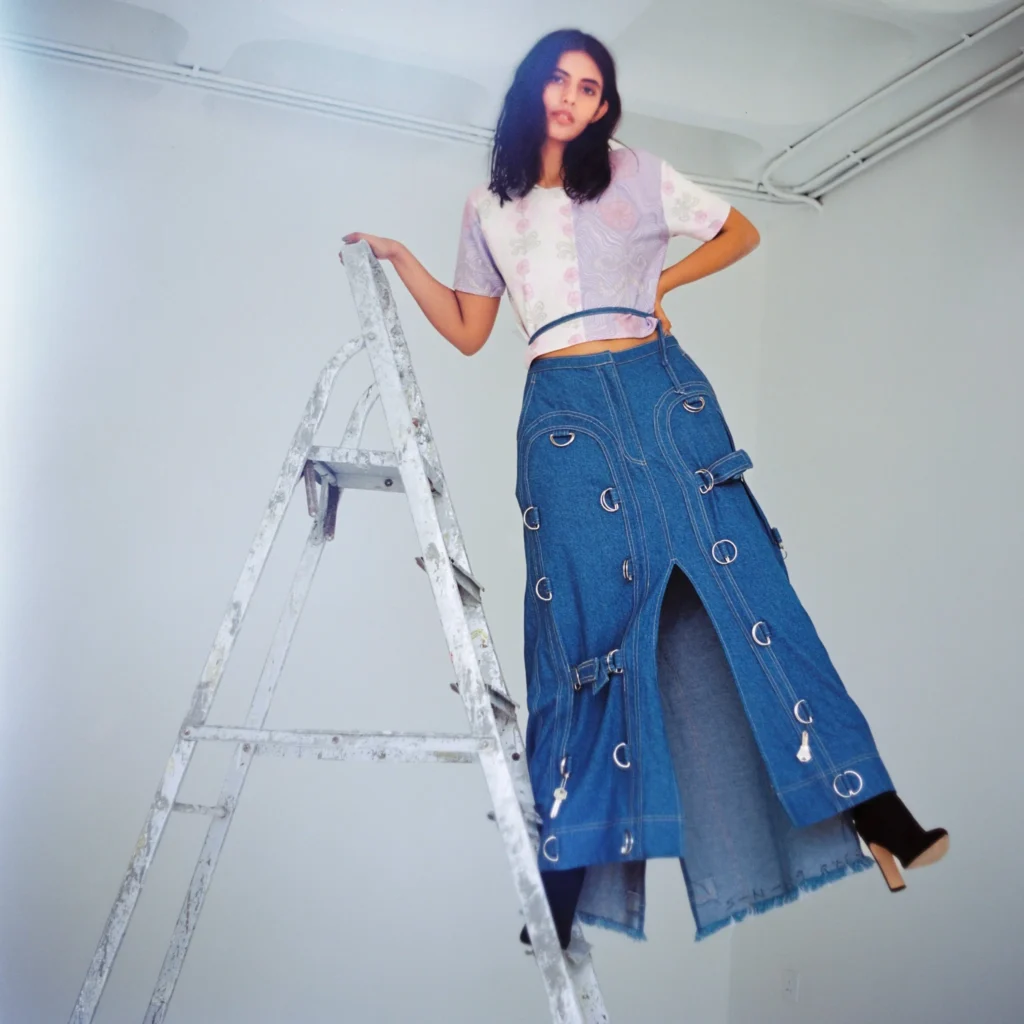
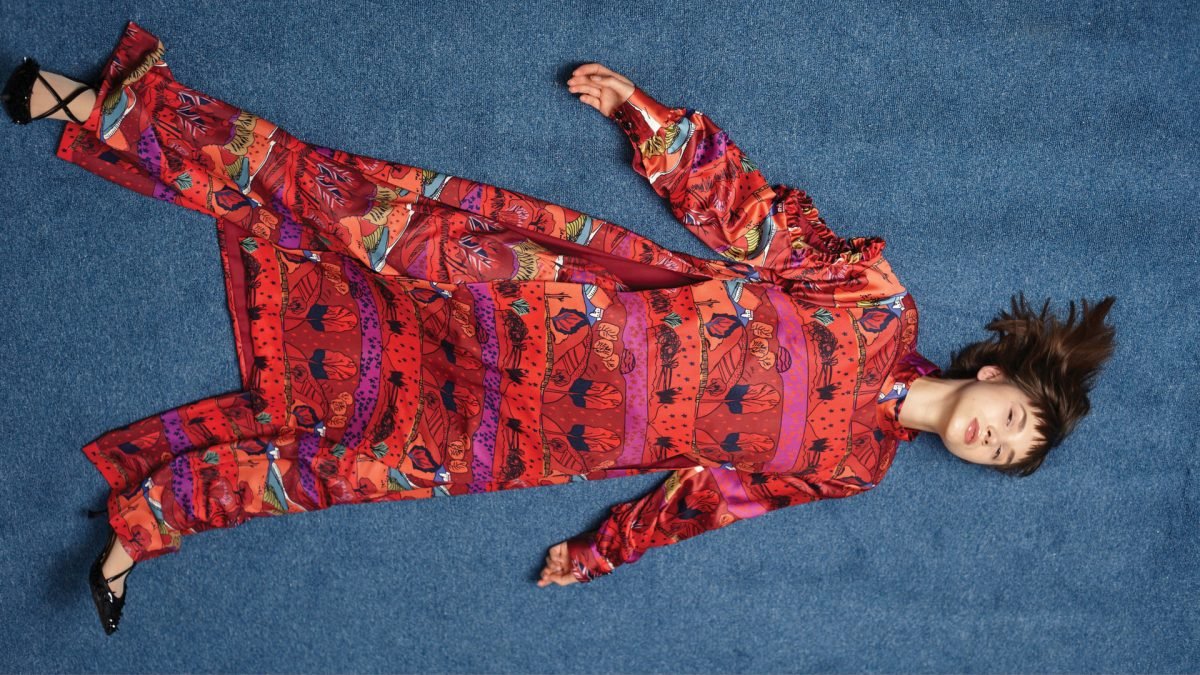
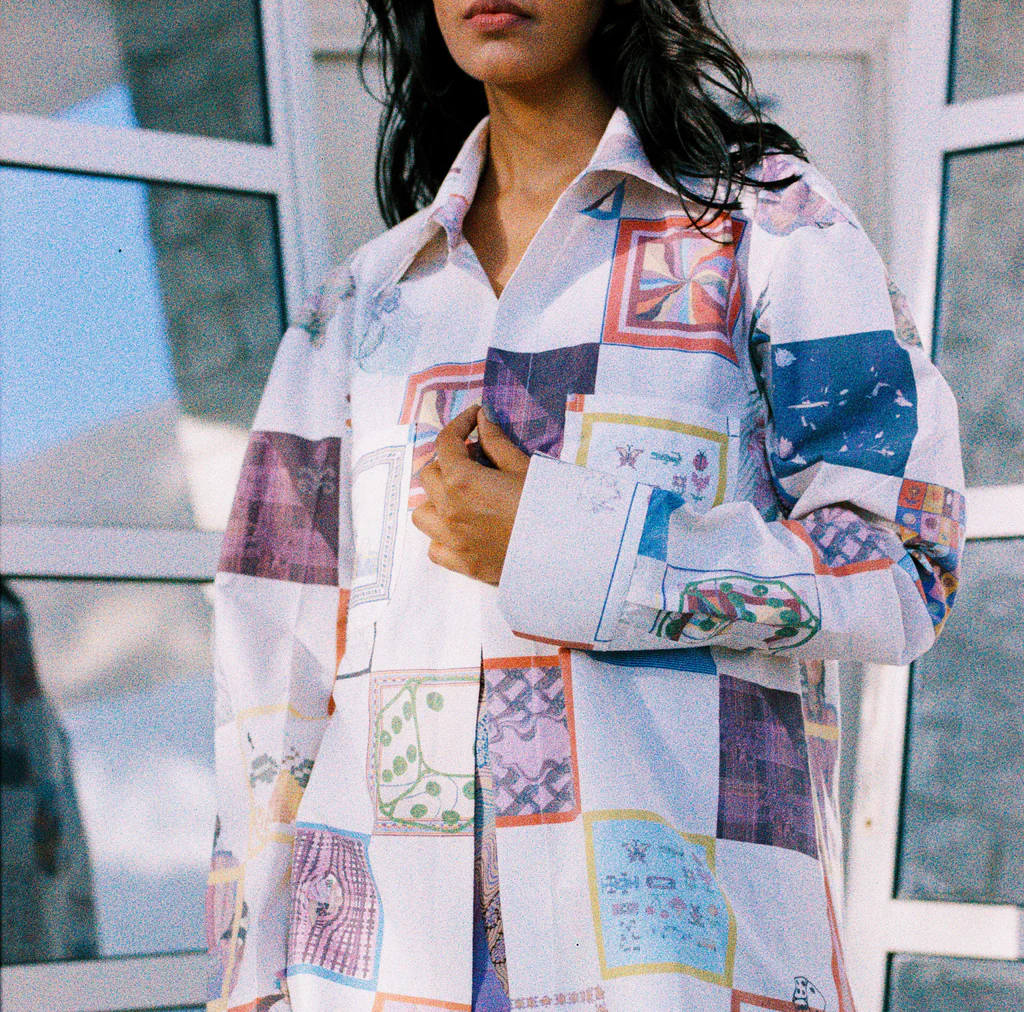
Reemami’s visual identity is built around three things that rarely occupy the same label simultaneously, architectural silhouettes, hand-illustrated graphic prints, and a storytelling approach that treats each collection as a chapter in an ongoing autobiography.
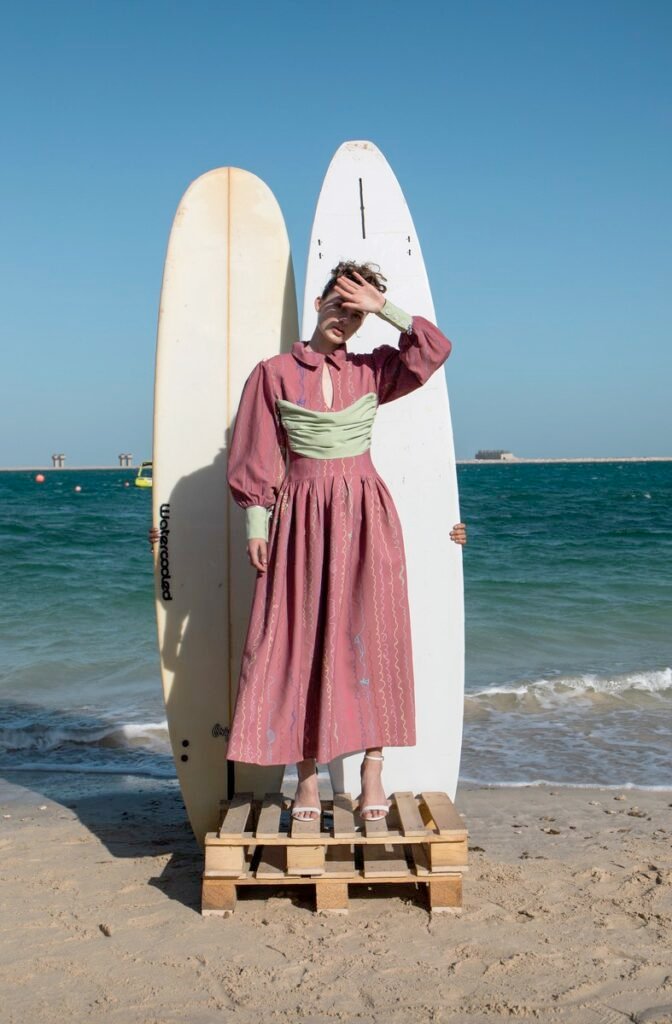
Every season tells a story of a new sport, hobby, or passion that Al Banna is going through at the time, with the collections drawing from boxing, mountain climbing, music, travel, food culture, and whatever else is occupying her creative attention in that particular moment. The prints are not sourced or licensed; they are hand-sketched by Al Banna herself, developed in-house, and applied to silhouettes that balance sharp architectural structure with the looseness and movement that makes a piece wearable across a full day.
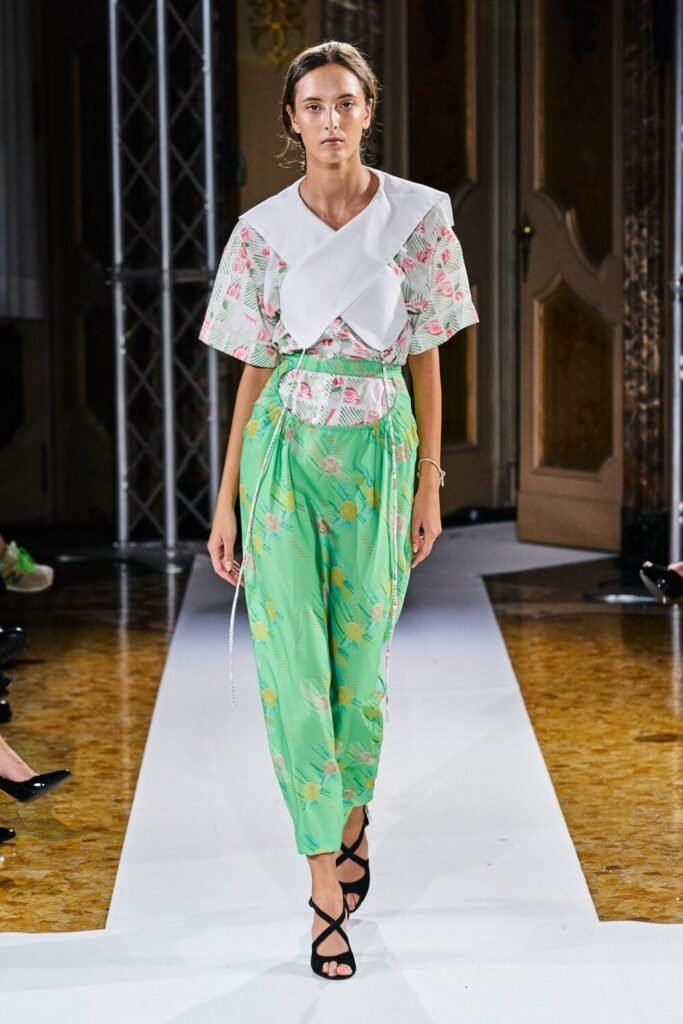
The combination is genuinely distinctive in a regional market that can default toward either maximalist embellishment or safe minimalism; Reemami occupies neither territory.
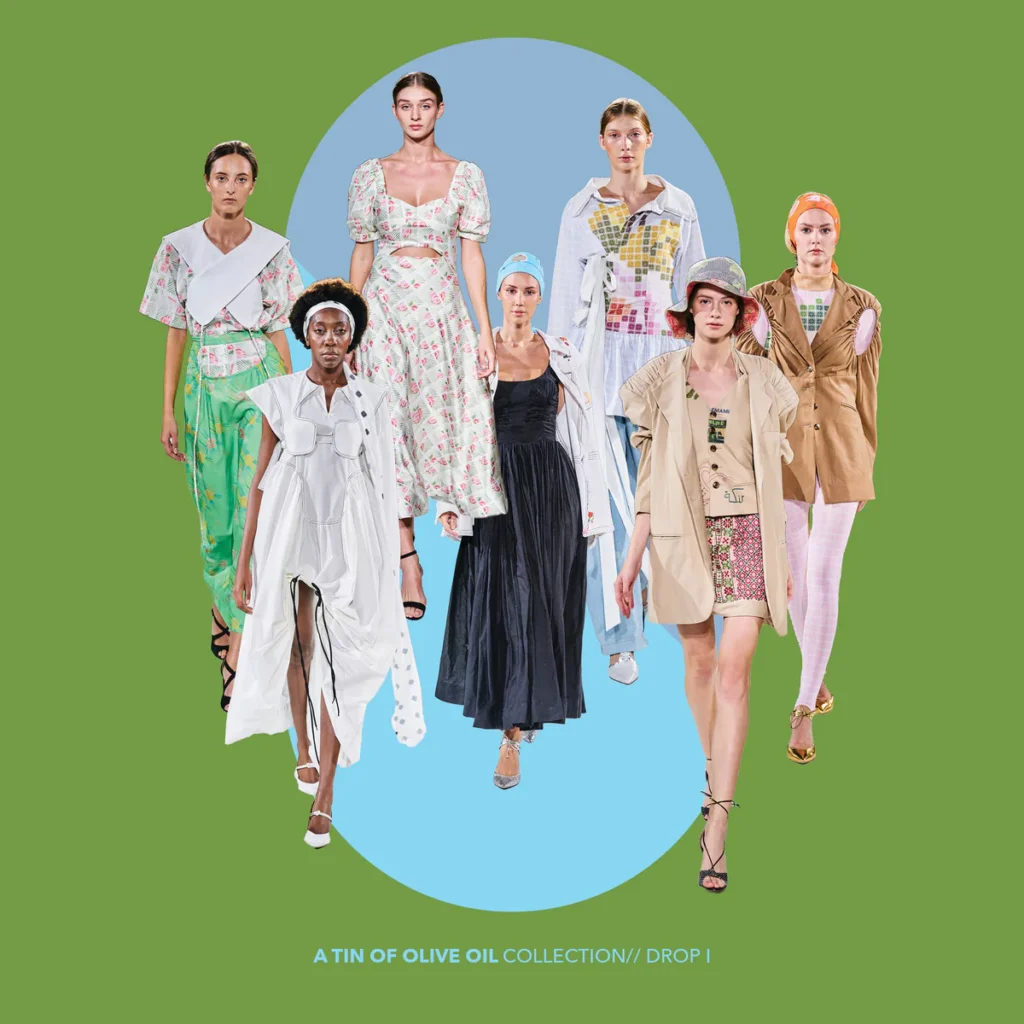
It was the SS16 collection that catapulted the brand into the international fashion sphere, after being snapped at fashion weeks in Milan and Paris by style mavens Hannali Mustaparta and Vogue Arabia’s Editor-in-Chief, Saudi Princess Deena Aljuhani Abdulaziz. The collection was inspired by the surge of food bloggers and featured hand-sketched prints of eggs, fruit, and other edible-related graphics, an idea that could have read as a gimmick and instead read as completely coherent with everything the brand had been building since 2009. The international visibility it generated confirmed that Reemami’s language was legible well beyond the Gulf, which is precisely what Al Banna had always believed.
The Awards and Recognition
The industry validation has been specific and meaningful. Reemami picked up the DDFC/Vogue Fashion Prize for ready-to-wear, a recognition that carries particular weight because it was awarded by judges who understood exactly what the category demanded and what the brand had managed to build within it.
Reemami was nominated in 2011, 2012, and 2013 as the best regional/local designer at the Grazia Style Awards, was crowned Most Creative Designer at a fashion show in 2011, and was listed among Ahlan’s Best 10 Fashion brands that same year. Fashion Trust Arabia included the brand in its editions, placing Reemami in the company of the most significant emerging design talent from across the Arab world.
The recognition has not been ceremonial. It has translated into buyers, stockists, and a following that has grown steadily without the kind of viral moment that arrives by accident and disappears just as quickly.
The Sustainability Commitment
Reemami champions sustainability and ethical design, with minimizing harm to the earth as an integral part of the brand’s ethos, having taken considerable measures to hold themselves accountable. That commitment is structural rather than decorative, built into material sourcing, production decisions, and the brand’s broader communication with its community.
In a region where sustainability conversations in fashion have been slower to develop than in European markets, Reemami’s consistent positioning in this space represents both a values statement and a forward-looking commercial decision about the kind of consumer the brand is building a relationship with.
What the Brand Has Actually Built
Fifteen years after Reema Al Banna entered a dress competition with no business plan and a very clear creative instinct, Reemami stands as one of the most genuinely original labels to have emerged from the UAE, and one of the few that has maintained its identity across the inevitable pressures of growth, market shifts, and the accelerating pace of the regional fashion industry.
The brand’s ethos, fun, optimism, positivity, and creativity, has held across collections that span graphic prints, architectural tailoring, sustainability commitments, and social responsibility initiatives, all filtered through Al Banna’s instinct to dress the cool, quirky, and stylish woman without telling her who to be.
The UAE’s fashion ecosystem looks significantly different now than it did in 2009. There are more labels, more infrastructure, more international attention, and more institutional support for Arab designers than at any previous point in the industry’s regional history. Reemami was part of making that environment possible, one of the first brands to prove that contemporary ready-to-wear with a genuine point of view could find its audience in this market, and that the audience was larger and more sophisticated than the industry had assumed. That is not a small contribution. It is, in the truest sense, a foundation.