
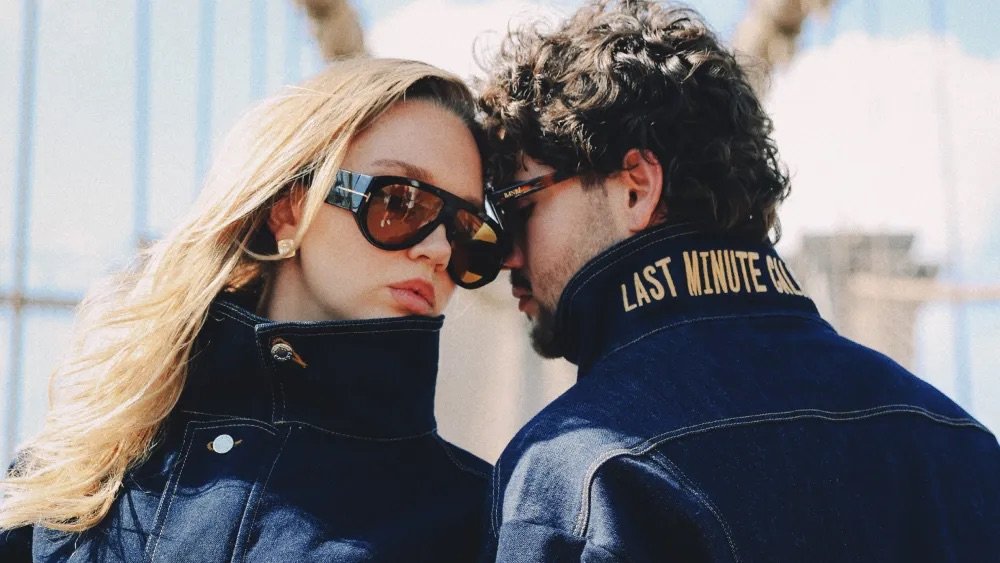
Last Minute California is a new ready-to-wear label founded by Gen Z entrepreneur Lauren Lawson, built around a monthly capsule model, launching this week with its inaugural collection. The origin story is the kind that tends to produce either very good brands or very forgettable ones: a university student, uninspired by everything available to her, decides to build something herself, and the difference between those two outcomes usually comes down to whether the founder has identified a genuine gap or simply a personal preference dressed up as one. Lawson found herself uninspired by a retail landscape where products felt either overly trend-driven or overly basic, with quality, fit, and price rarely aligning, and what began with a single sweatshirt and T-shirt concept developed from her dorm room at Villanova University evolved into more than 18 months of product development before launch. The 18 months is the detail worth paying attention to. That is not a brand built in a hurry.
The Model

The monthly capsule format is central to everything Last Minute California is arguing about how fashion should work, and it is a deliberate counter-position to the model that currently dominates the market. Rather than producing large seasonal collections driven by trend cycles, the brand releases small, curated drops on a recurring cadence, with each capsule designed to work alongside what already exists in the wardrobe rather than replace it. Lawson described the thinking clearly: “I started Last Minute California to create the kind of brand my generation has been craving, one that values quality capsule pieces, individuality, and emotional connection over constant consumption. As everything becomes more digital and automated, consumers are buying more intentionally; they’re looking to buy less, keep pieces longer, and find a brand that reflects who they are and what they value, and that’s the opportunity I saw.”
What It Stands For
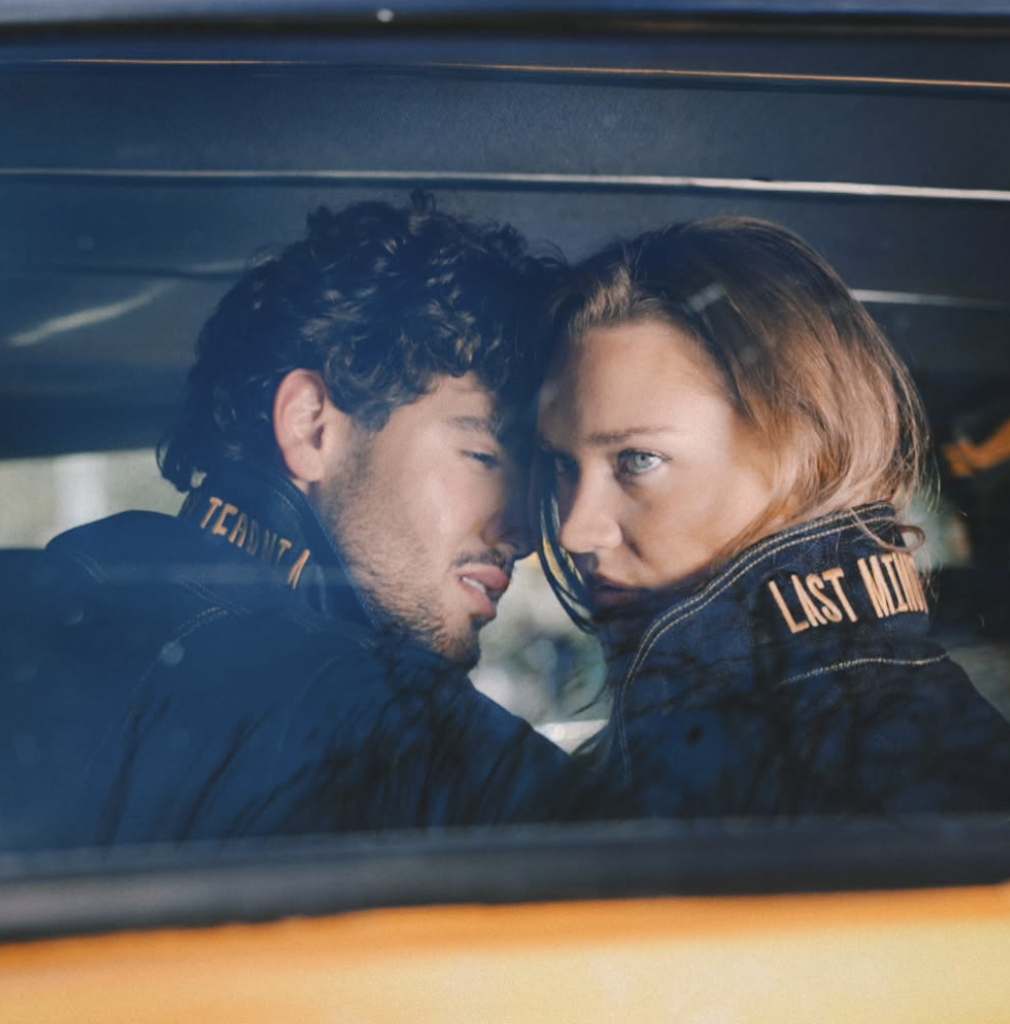
The positioning is not just a business model; it is a values statement, and one that aligns with a consumer shift that has been building for several years and is now impossible to ignore. Younger buyers are increasingly resistant to the disposable fashion cycle, not because they have been told to be, but because they have grown up inside it and watched it produce wardrobes full of things that feel meaningless two months after purchase. A brand that offers fewer pieces, made better, designed to last and to layer, is not a niche proposition in 2026. It is a direct response to what the generation that grew up on fast fashion actually wants as an alternative.