
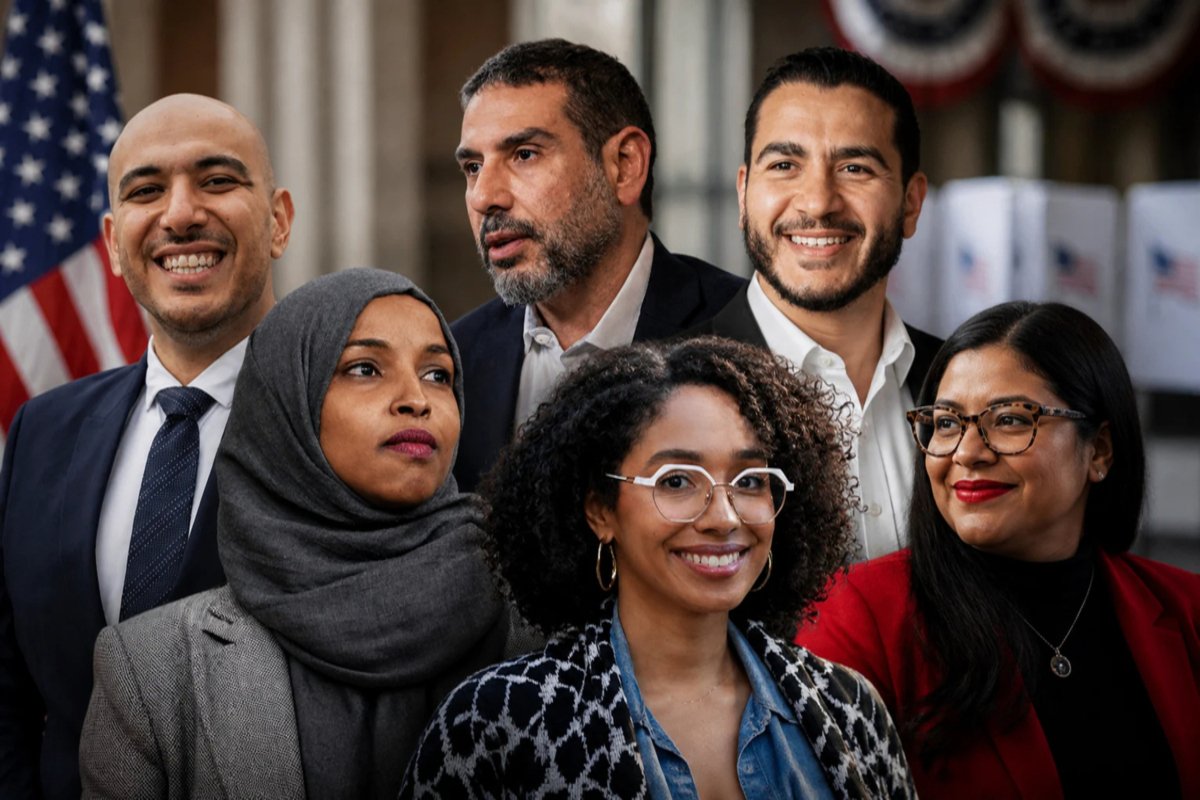
The November 3 elections brought a series of historic victories for Arab and Muslim American candidates across the United States. From Washington to state legislatures, their wins reflected a broader presence in American public life.
Among the most significant results was Egyptian American Democrat Abdul El-Sayed‘s victory in Michigan’s Senate race. He defeated Republican Mike Rogers, becoming the first Muslim elected to the United States Senate.
However, his victory was not the only milestone. Other candidates with Arab and Muslim backgrounds secured congressional seats, retained existing positions, and won state-level elections. Together, these results marked a notable moment for communities whose political representation has continued to grow.
A New Chapter Following Zohran Mamdani’s Historic Victory
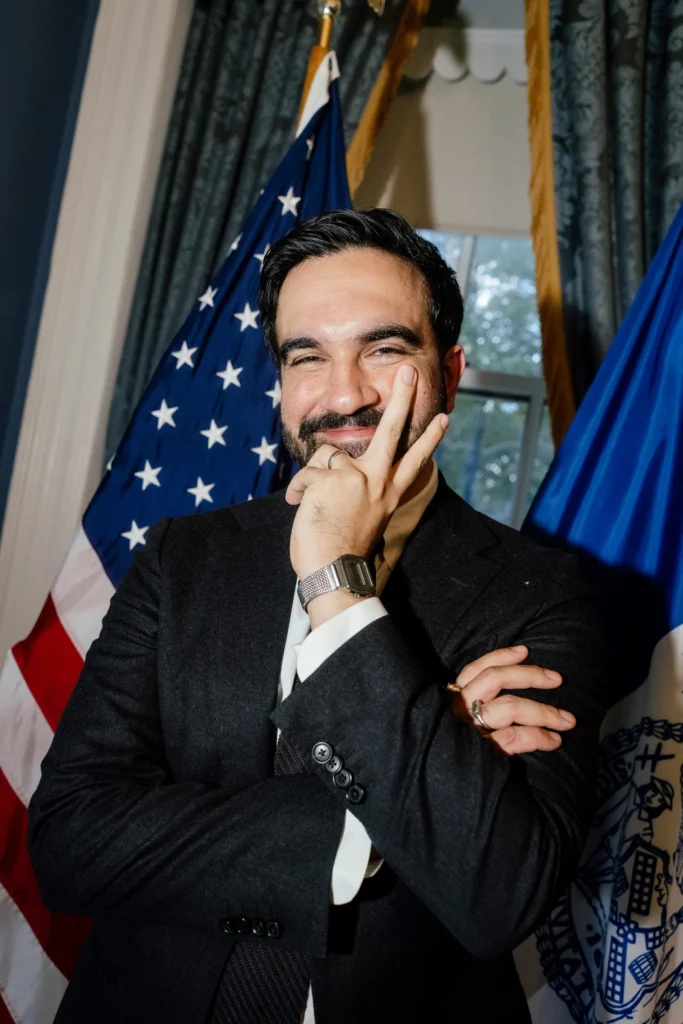
The 2026 election results also follow another milestone in Muslim American political representation. In November 2025, Zohran Mamdani won New York City’s mayoral race, becoming the city’s first Muslim mayor.
Born in Uganda to Indian parents, Mamdani represents a different part of the Muslim American experience. His victory brought renewed attention to Muslim communities’ participation in American politics. He took office in January 2026, making his leadership an important part of the wider political context surrounding this year’s election results.
Together with Abdul El-Sayed’s Senate victory, these milestones highlight the growing visibility of Muslim Americans across different levels of government.
Abdul El-Sayed Makes Senate History
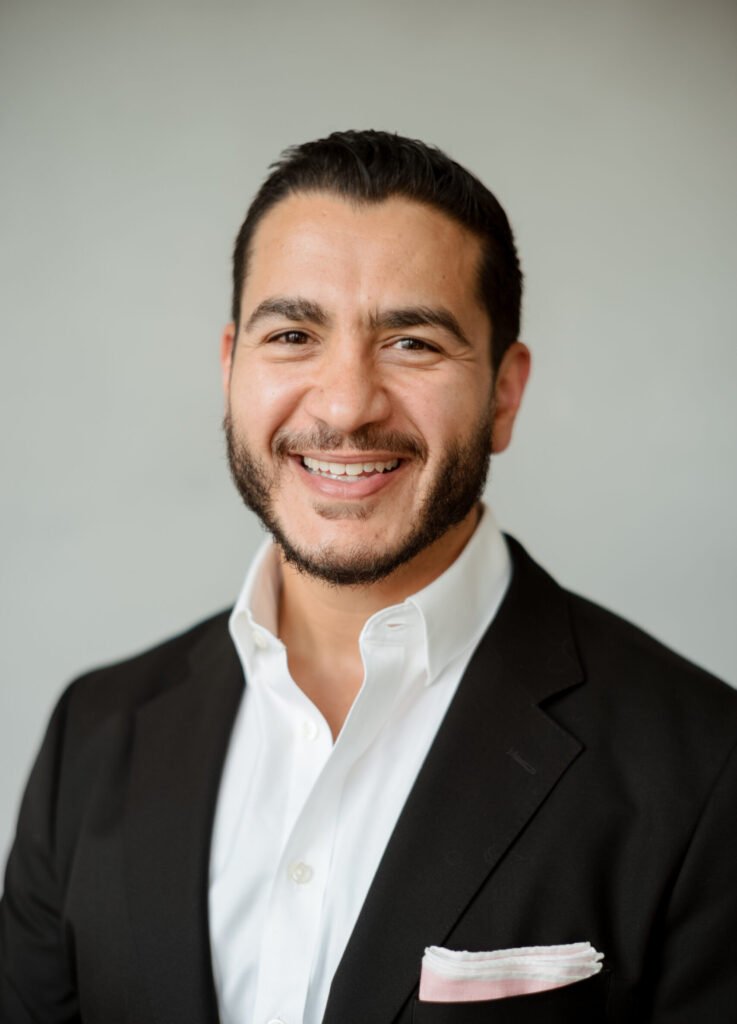
At 42, El-Sayed brings a background in medicine and public health to the Senate. The son of Egyptian immigrants, he previously served as Detroit’s health director and later led Wayne County’s health department.
His campaign focused on healthcare access, affordability, and reducing corporate influence in politics. He also faced repeated attacks targeting his Muslim identity, including accusations linking him to extremist groups. He rejected those allegations.
His victory makes him the first Muslim elected to the Senate. He is expected to take office in January 2027, after Michigan Senator Gary Peters retires.
Adam Hamawy Wins a New Jersey Congressional Seat
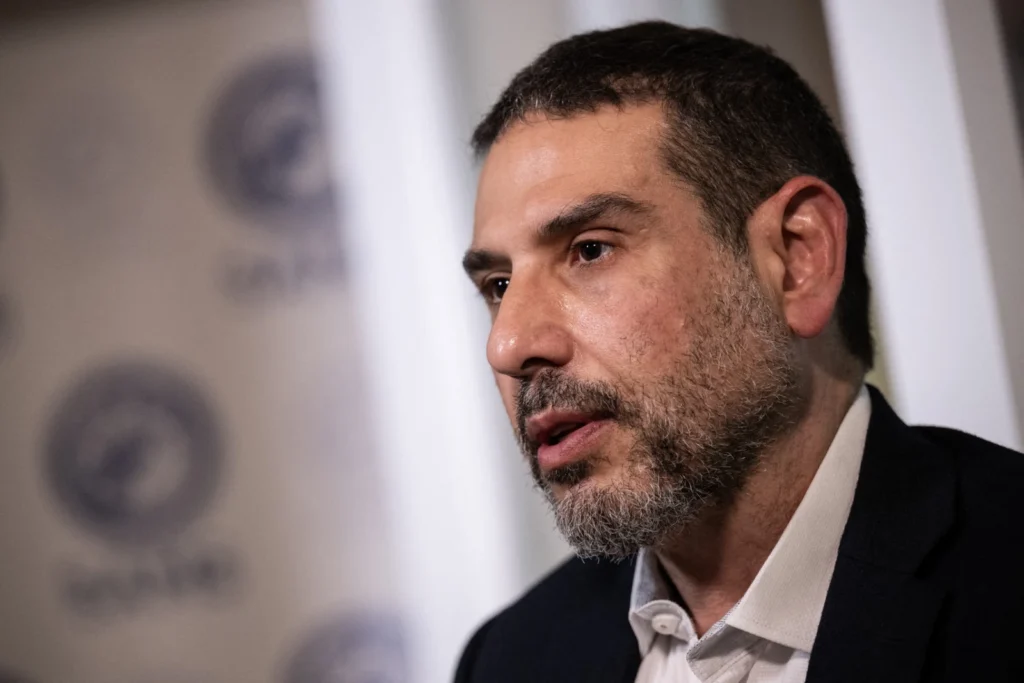
Another Egyptian American candidate made headlines in New Jersey. Dr. Adam Hamawy defeated Republican Gregg Mele in the state’s 12th Congressional District.
A surgeon and former US Army combat physician, Hamawy also served as an Iraq War veteran. In 2024, he volunteered at a hospital in Gaza, treating Palestinians injured during the war.
His election makes him the first Muslim elected to represent New Jersey in Congress. His victory also brings a medical perspective shaped by military service and humanitarian work into the House of Representatives.
New Voices and Returning Representatives
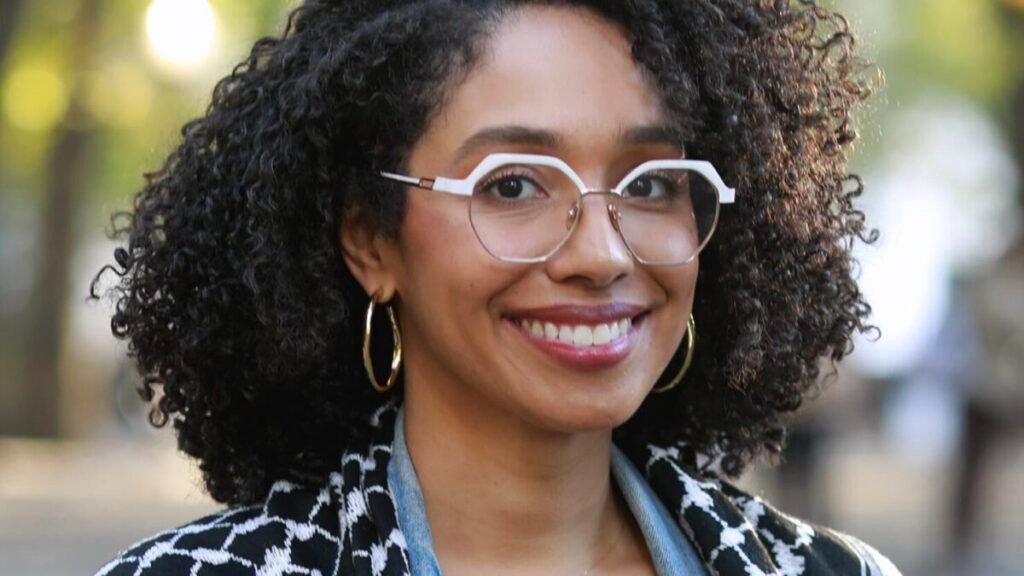
The election also brought new representation to the House. Democrat Darializa Avila Chevalier won New York’s 13th Congressional District after previously defeating longtime incumbent Adriano Espaillat in the Democratic primary.
The daughter of Dominican immigrants and a convert to Islam, she becomes the first Afro-Latina Muslim elected to Congress.
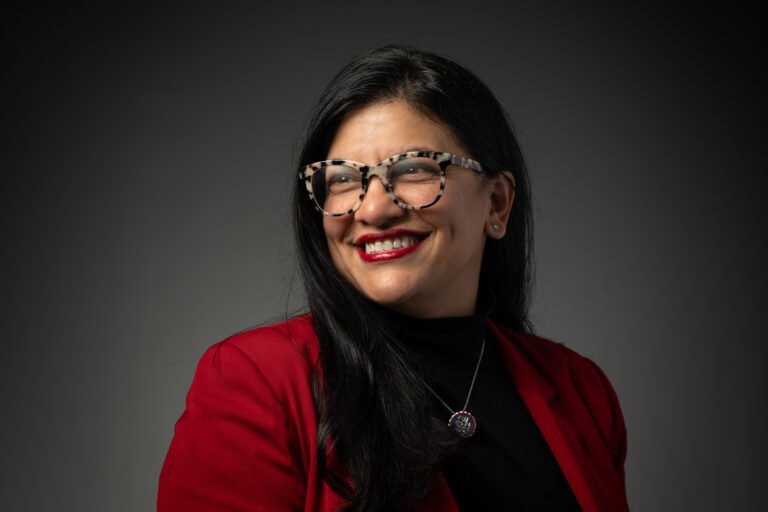
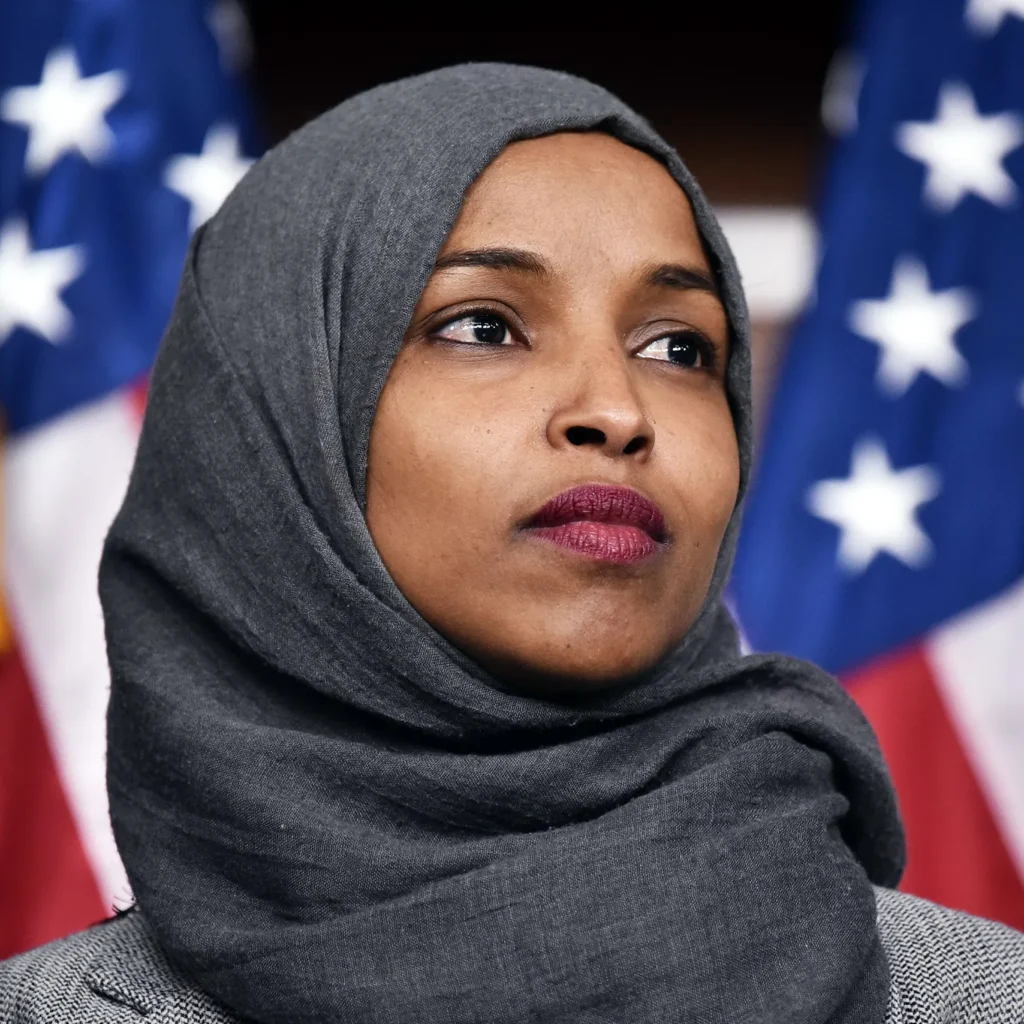
Meanwhile, several Muslim lawmakers secured another term. Palestinian American Rashida Tlaib won reelection in Michigan, while Somali American Ilhan Omar retained her Minnesota seat. André Carson of Indiana and Lateefah Simon of California also won their races.
Together, the results bring the number of Muslim members elected to Congress to at least seven. That figure includes one senator and six representatives, marking a new record.
Arab American Representation Beyond Congress
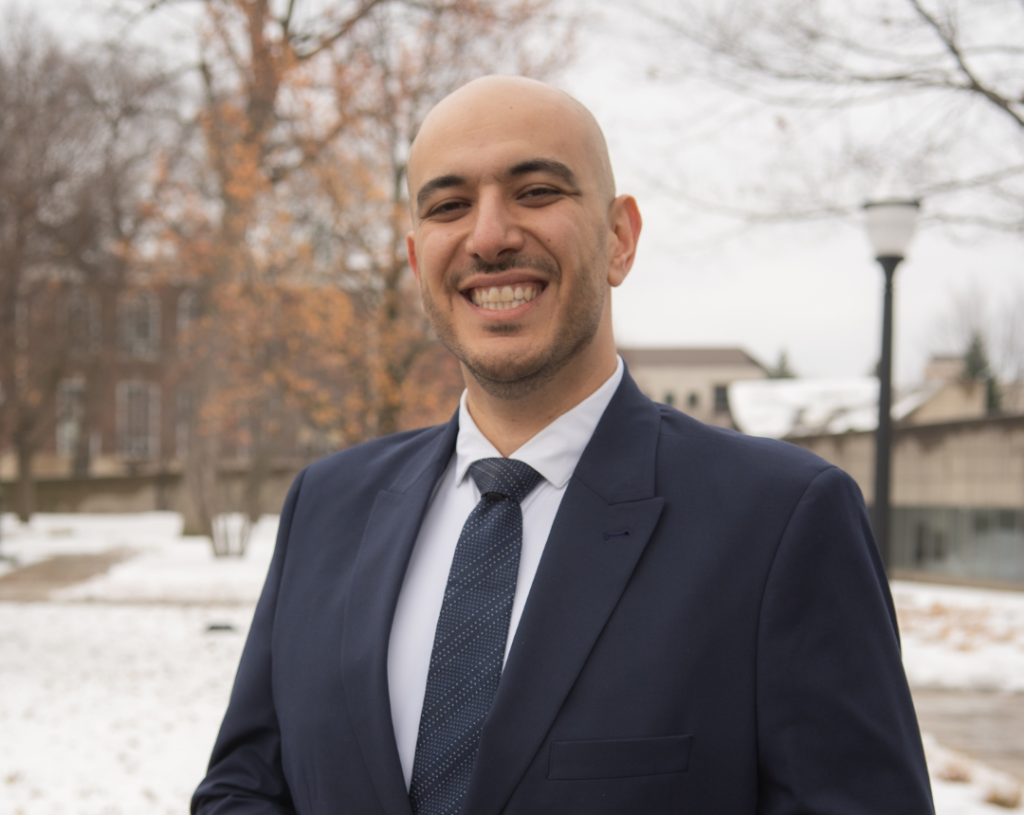
The results extended beyond federal politics. In Michigan, Lebanese American Abbas Alawieh won a state Senate seat, while Alabas Farhat retained his state House position. Jalal Abdallah also won a state House race.
Elsewhere, Palestinian American candidates secured victories in state legislatures. Aber Kawas won a New York State Senate seat, while Iman Jodeh and Ruwa Romman secured victories in Colorado and Georgia.
Muslim American candidates from other backgrounds also made gains. Indian American Nabeela Syed won an Illinois State Senate seat, while Munira Abdullahi and Ismail Mohamed secured seats in Ohio’s state legislature.
These victories reflect the diversity within Arab and Muslim American communities. They also show how representation is expanding across different levels of government.
A Wider Political Presence
The Council on American-Islamic Relations reported tracking more than 160 Muslim American candidates during the 2026 election cycle. Their campaigns covered local, state, and federal offices.
The results offer a snapshot of growing political participation. However, electoral representation does not automatically translate into policy change. The newly elected officials will still face legislative negotiations, competing priorities, and the responsibilities of public office.
For Arab and Muslim Americans, the election nevertheless marks an important chapter. More candidates from these communities are entering institutions that shape national conversations and public policy.
Their victories also bring different personal histories and professional experiences into American politics. From an Egyptian American physician in the Senate to a surgeon entering Congress, these elected officials carry backgrounds that reflect the country’s wider diversity.
The significance of November 3, therefore, extends beyond individual races. It marks a moment when Arab and Muslim American representation became more visible across the American political landscape.