
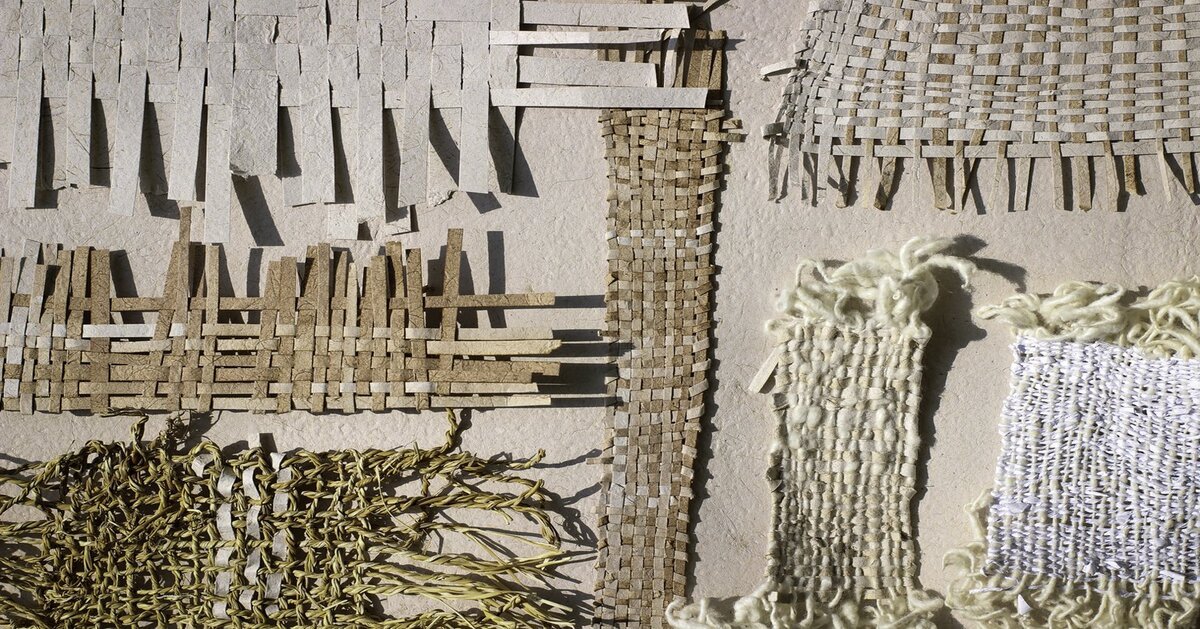
From architecture and furniture to craft and material innovation, Arab designers are reshaping how the region’s creative identity is understood.
Arab design is moving beyond the familiar boundaries of heritage and tradition. Across the region, designers are rethinking materials, challenging established forms, and finding new ways to tell cultural stories. This November, Doha will bring many of these ideas together through Arab Design Now 2026.
A Biennial Spotlight in Doha
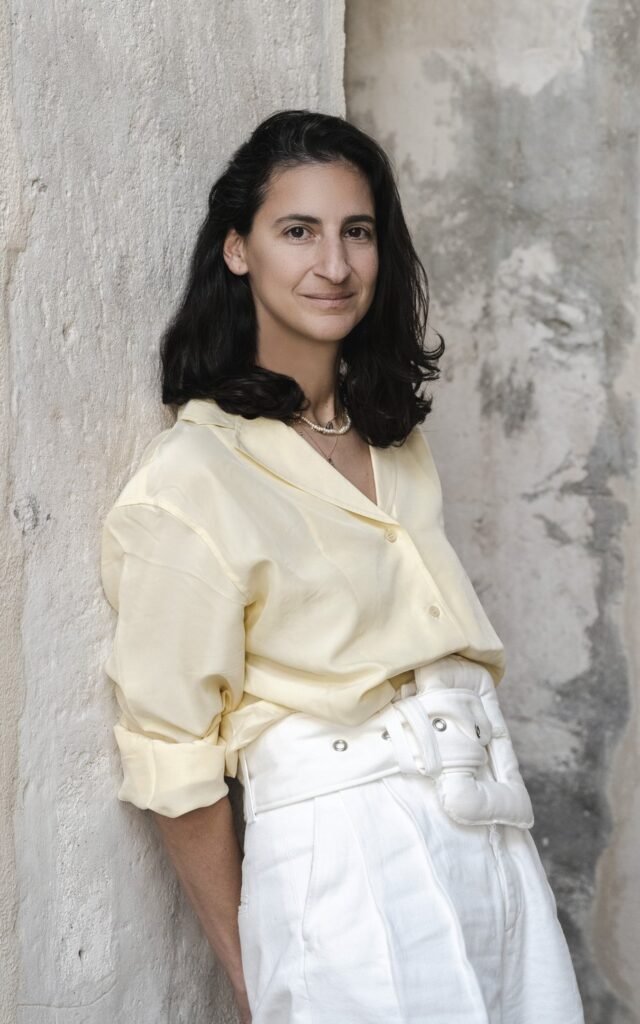
The headline exhibition of the second Design Doha Biennial opens on November 5. Curated by Noura Al Sayeh, it presents work by 81 designers. The exhibition includes 78 new commissions and 16 specially commissioned films. It runs until December 31 across Fareej Al Asmakh and Msheireb Downtown Doha.
Beyond the Finished Object
However, the exhibition offers more than a showcase of finished objects. Its central idea is to reveal the thinking, people, and processes behind contemporary design. Designers appear alongside the artisans, craftspeople, and makers who help bring their work to life. The result places equal importance on creative outcomes and the knowledge behind them.
That approach reflects a wider shift in regional design. Heritage is no longer treated as something to preserve without change. Instead, designers are exploring how inherited skills and local materials can inform contemporary life. They are also asking who creates an object, whose knowledge it carries, and who benefits from its production.
Five Curatorial Themes
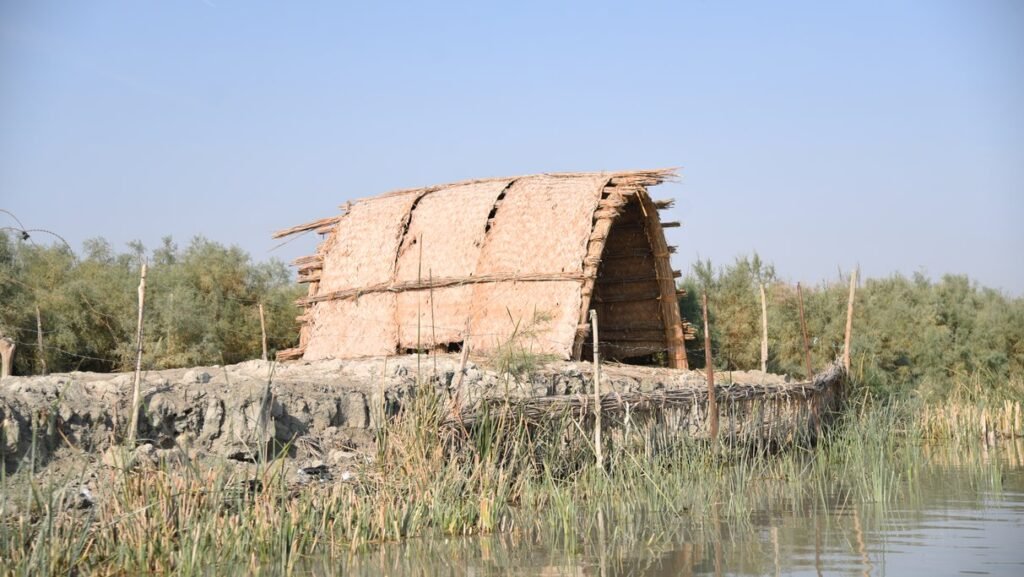
Arab Design Now organizes this conversation around five thematic threads. They explore narration and ornamentation, land and agrarian practices, and landscapes of production and extraction. The remaining themes examine crafts, technology and community, alongside belonging and migration.
Together, these themes connect design to questions beyond appearance. They consider how geography, politics, ecology, and identity influence what people make. They also reveal the relationships between creative practices across different Arab communities.
Diverse Perspectives and Unseen Networks
(Photo: designdoha.org.qa)
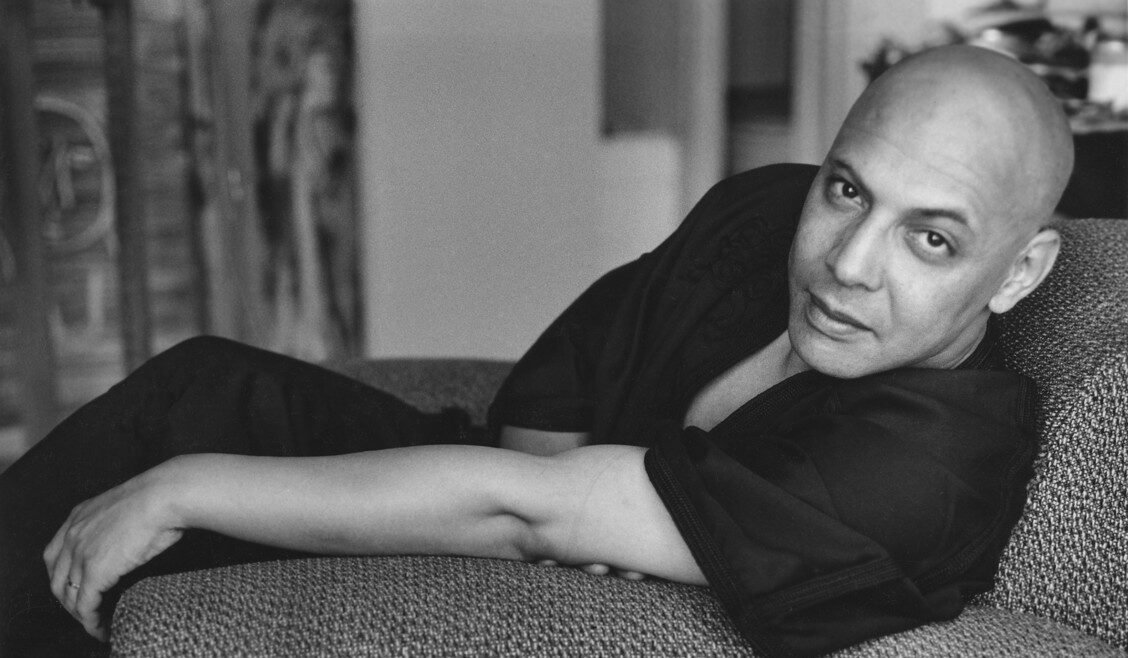
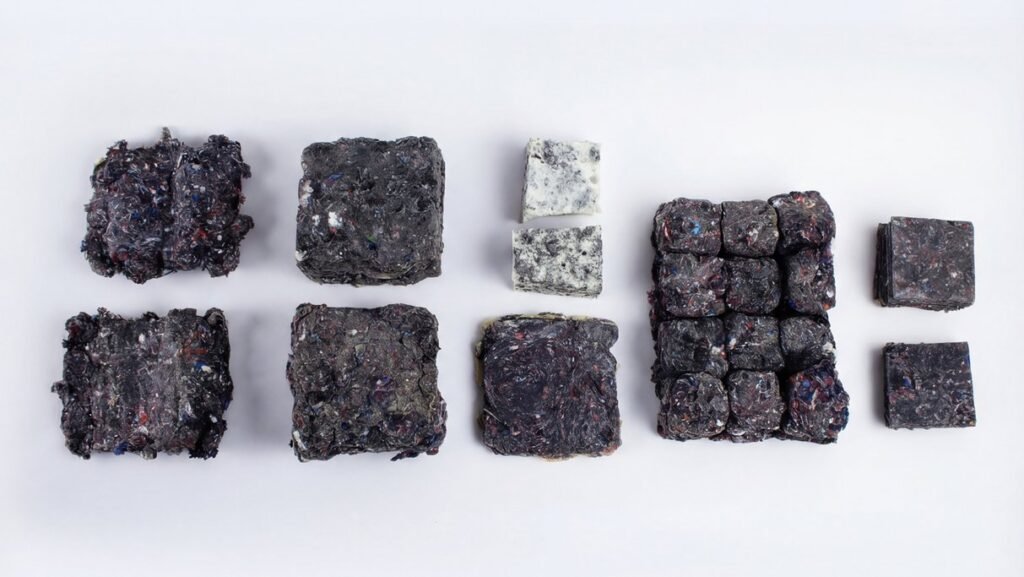
The participating designers reflect that diversity. Egyptian architect Shahira Fahmy brings an architectural perspective to the exhibition. Egyptian-Palestinian artist and designer Dima Srouji explores the relationship between material, place, and cultural memory. Other participants include Iraqi designer Rand Abdul Jabbar, Palestinian designer Samer Selbak, and Moroccan designer Zoubida.
The exhibition also brings attention to less visible creative networks. One commissioned film follows the artisans involved in a work by Qatari designer Abdulrahman Al Muftah. Directed by Amal Al Muftah, it highlights the people and skills behind the finished installation. Other visual works take visitors across the region, from Nubian homes along the Nile to Jordan’s textile waste landscapes.
This focus matters because design rarely begins or ends with an individual designer. It depends on materials, specialist knowledge, manufacturing, and collaboration. Recognizing those connections also gives traditional craftspeople a more visible place within contemporary creative industries.
Building a Creative Infrastructure
Arab Design Now forms part of a much larger biennial program. Design Doha 2026 presents more than 15 exhibitions across over 20 countries. It also includes public design commissions, awards, talks, workshops, and professional networking opportunities. The program aims to connect creative talent with institutions, industry, and potential markets.
For emerging designers, that infrastructure can be as important as exhibition space. Visibility creates opportunities, but lasting growth also requires production support and meaningful partnerships. By bringing these elements together, Doha is positioning design as both cultural expression and economic possibility.
A New Design Language
Ultimately, Arab Design Now reflects a region that is defining its own design language. It draws from inherited knowledge without remaining bound by it. And it places the people, places, and processes behind each creation at the center of the conversation.