
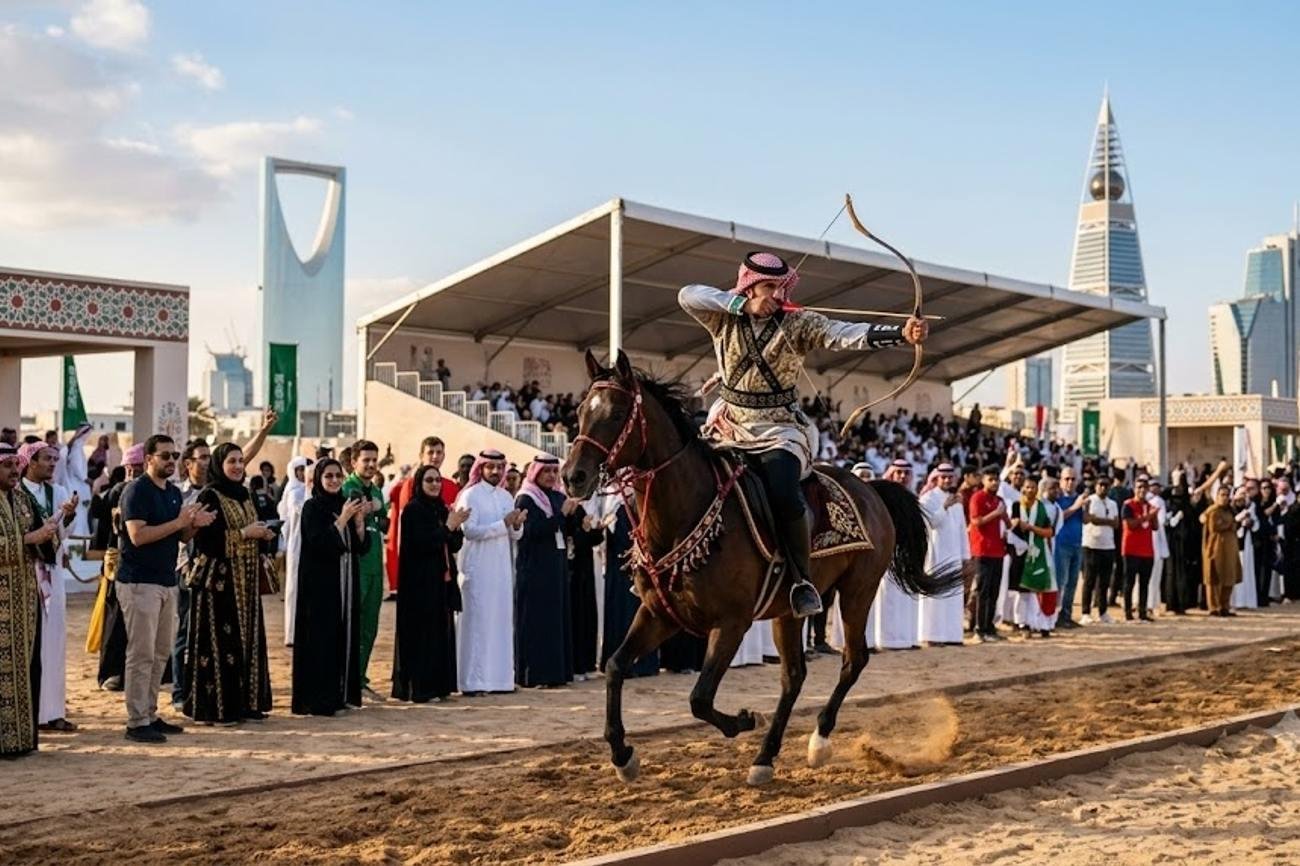
What do traditional wrestling, horseback archery, folk games, and international dance performances have in common? They all meet in Riyadh this November, where sporting heritage takes center stage at the Ethnosport Culture Festival.
Running from November 19 to 28, 2026, the festival brings together athletes, performers, artisans, and cultural representatives at New Murabba. Organized by the World Ethnosport Union as part of Riyadh Season, it marks the festival’s first edition outside Türkiye.
The event was initially promoted around 38 traditional sports and games representing more than 18 countries. Its programme has since expanded, with organizers reporting more than 40 sports and games during the festival’s fifth day.
A World of Traditional Sports in One Place
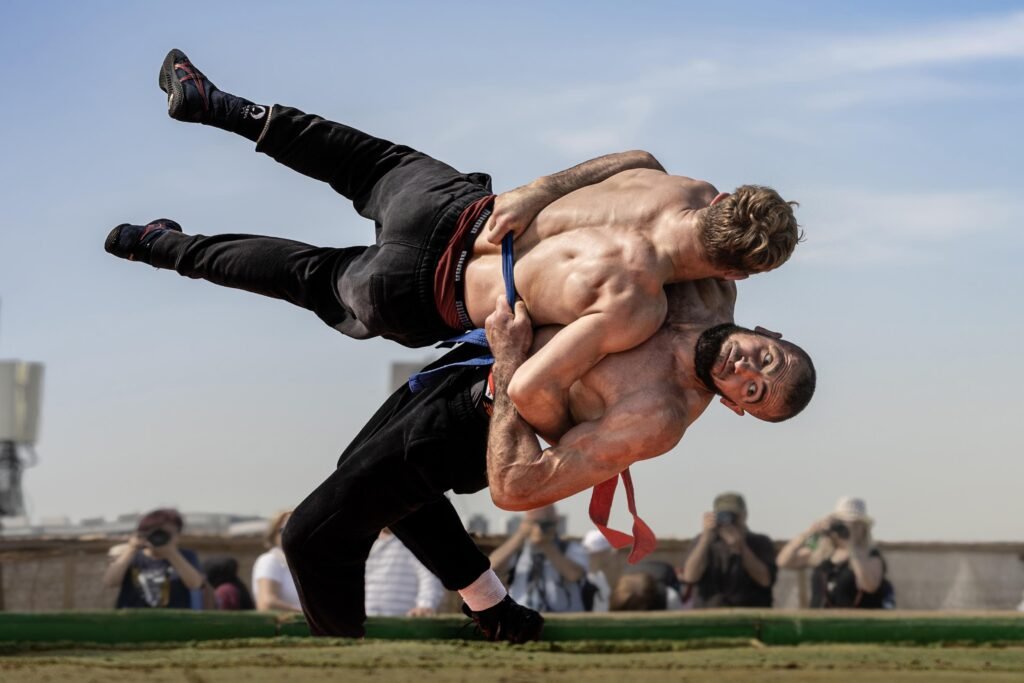
The festival’s sporting program introduces visitors to practices that communities have preserved across generations. Traditional wrestling takes a prominent place, with different styles representing distinct regional sporting traditions.
Among the featured disciplines are oil wrestling, Karakucak, Alysh, Kurash, and Qazaq Kuresi. Each brings its own techniques, clothing, and competitive traditions to the arena.
Equestrian sports add another dimension to the program. Horseback archery combines riding skills with precision, while traditional horse games and acrobatic displays highlight the relationship between horsemanship and cultural heritage.
Visitors can also discover traditional archery through demonstrations and interactive activities. Meanwhile, folk games bring a more participatory element to the festival, with activities such as tug of war, Lapta, Ripka, and talus-bone games.
Beyond Competition: Culture in Motion
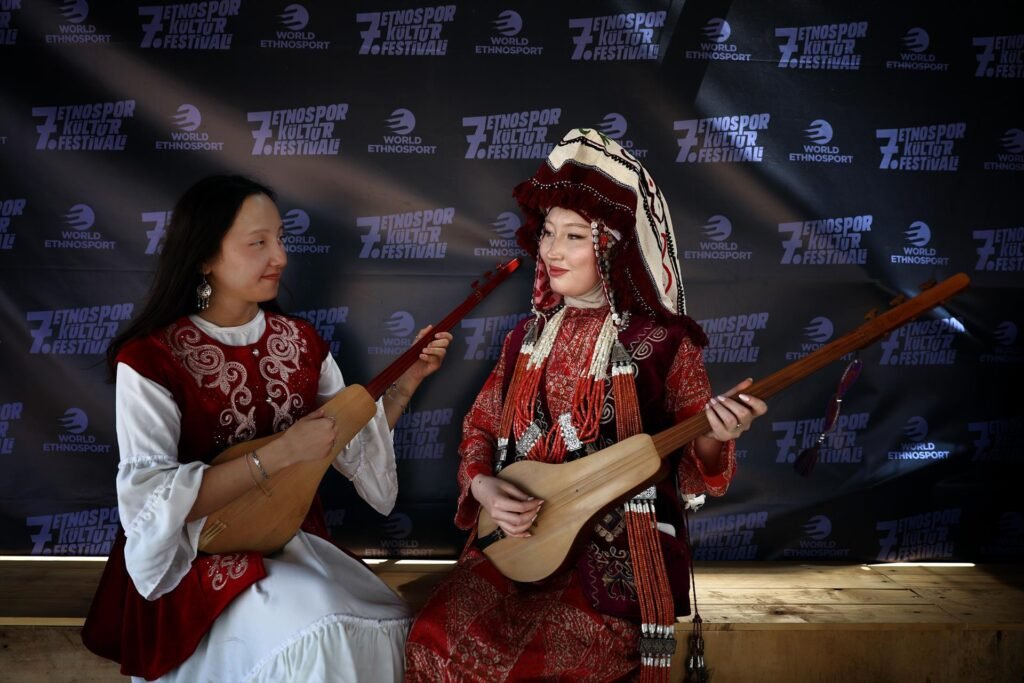
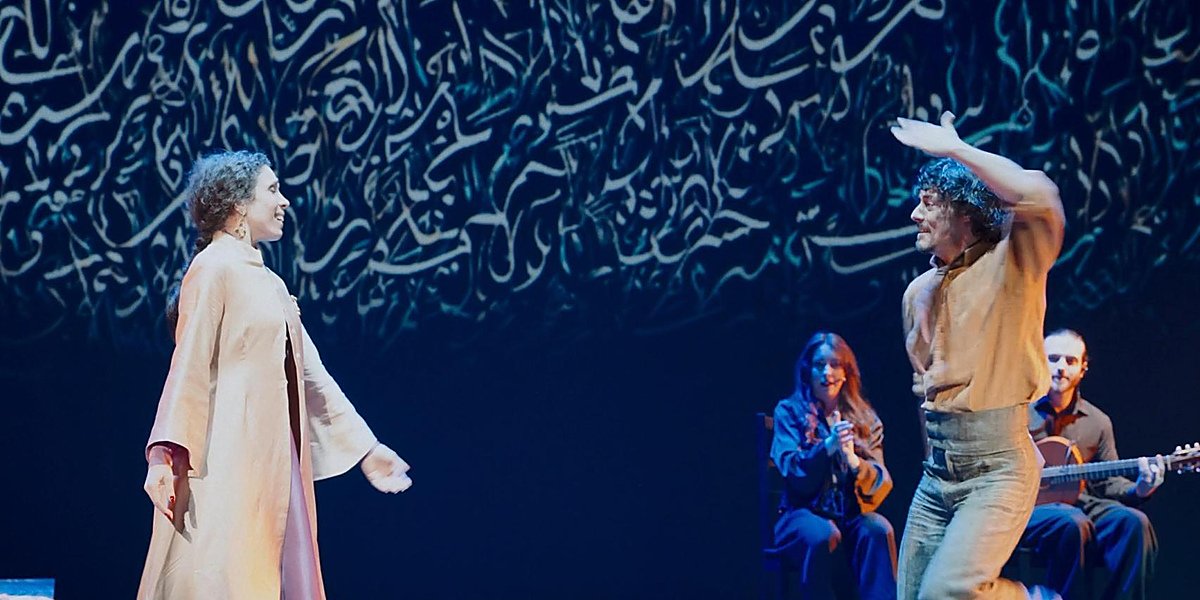
The festival extends well beyond its sporting arenas. Cultural performances, traditional music, and folk dances bring the participating countries’ identities into the wider experience.
One of the program’s highlights is the variety of performances from different regions. Recent activities have included Kazakh dance presentations, while visitors can also discover traditional music played on instruments such as the dombra.
Traditional crafts form another part of the experience. Workshops allow visitors to watch artisans demonstrate their techniques and learn more about the tools behind different handmade objects.
Food also plays an important role. An international food village introduces visitors to cuisines and coffee traditions from different parts of the world.
Together, these experiences present cultural heritage as something people can actively explore. It becomes visible through movement, sound, craftsmanship, food, and shared participation.
A Festival for Every Generation
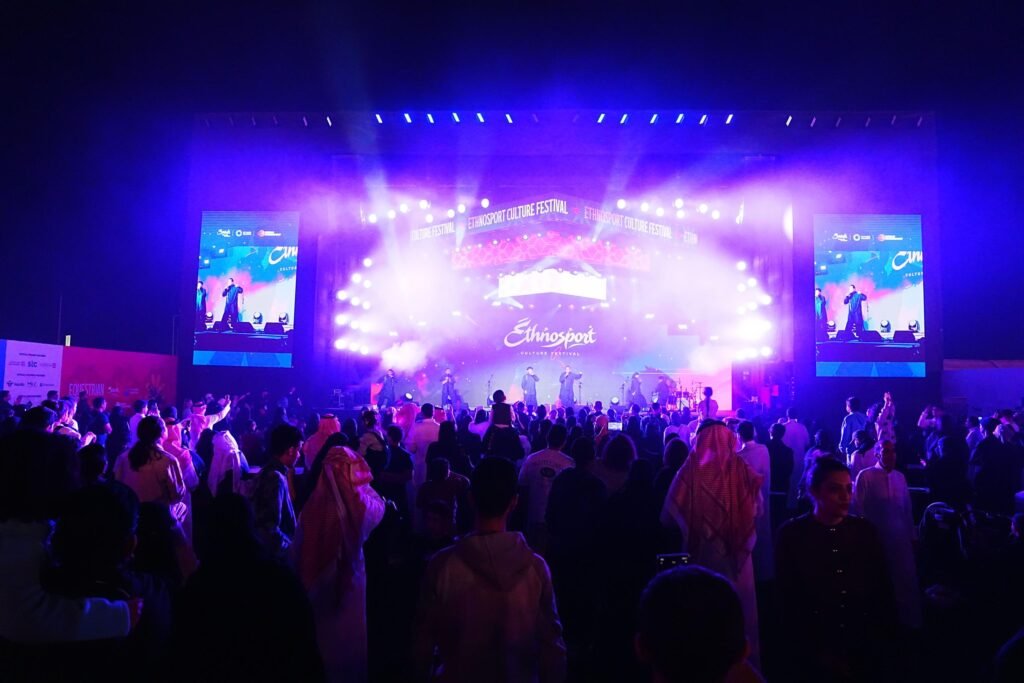
Family participation is central to the festival’s wider program. Ethnopark offers children dedicated activities, traditional games, creative workshops, and opportunities to discover sporting practices through play.
Visitors can also take part in selected activities rather than simply watching from the sidelines. Interactive archery, group games, and hands-on workshops encourage audiences to engage with traditions directly.
This approach also gives younger generations an opportunity to understand cultural practices beyond photographs and historical displays. Instead, they experience the skills, stories, and social connections behind them.
Bringing the World’s Traditions to Riyadh
The Ethnosport Culture Festival reflects a growing interest in preserving traditional sports while introducing them to wider audiences.
Its arrival in Riyadh also marks a new chapter for the international gathering. Following its previous editions in Türkiye, the festival has expanded its reach through a partnership with Riyadh Season.
For ten days, New Murabba becomes a meeting place for different sporting traditions and cultural experiences. The program brings together competition, entertainment, craftsmanship, and community participation.
As the festival continues through November 28, it offers a reminder that preserving heritage does not mean keeping it in the past. Traditional games can remain part of contemporary life when new generations have opportunities to discover, learn, and participate.