
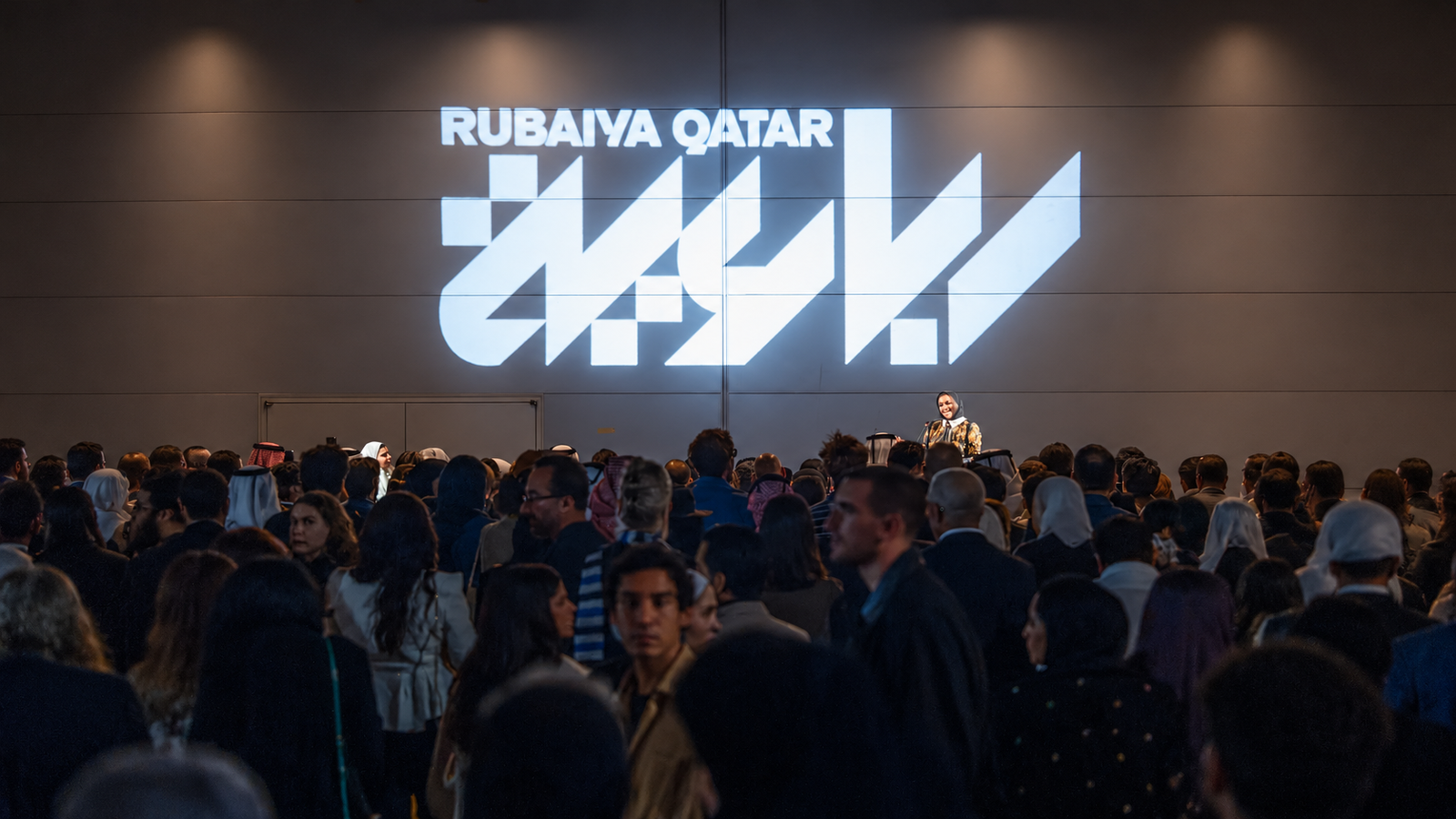
Qatar is opening a new chapter in its contemporary art scene with the launch of Rubaiya Qatar 2026. Bringing together artists, curators, and cultural voices from around the world, the inaugural edition transforms the country into a meeting point for artistic exchange and creative exploration.
Organized by ALRIWAQ Arts + Architecture under Qatar Museums, Rubaiya Qatar is a multidisciplinary contemporary art quadrennial. The programme takes place every four years, creating a platform for artistic research, experimentation, and collaboration. Its first edition runs from November 21, 2026, through April 30, 2027.
With more than 120 artists representing over 45 countries, the programme explores the relationship between humanity and water. It also examines Qatar’s maritime heritage and the environmental, social, political, and cultural questions surrounding this essential resource.
Why Water Takes Centre Stage
Water is more than a natural resource. It has shaped migration, trade, cultural exchange, and the development of communities throughout history. For Qatar and the wider Gulf, the sea has also played a defining role in everyday life and collective memory.
Rubaiya Qatar builds on these connections through its inaugural theme. Rather than approaching water from a purely environmental perspective, the programme explores its wider influence on people, places, and shared histories.
The exhibitions bring together contemporary artworks, historical references, and new commissions. They invite visitors to consider how waterways connect distant regions, while also examining the environmental challenges facing them today.
Three Major Exhibitions to Discover
The inaugural edition opens with three major exhibitions across Qatar’s cultural institutions:
Unruly Waters
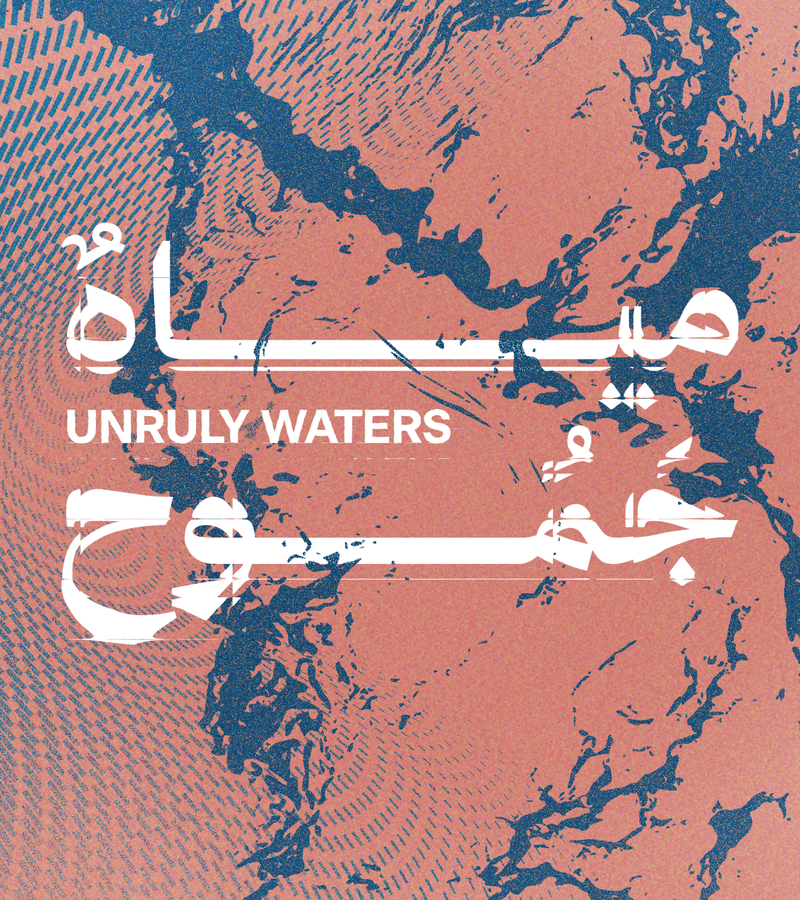
Serving as the flagship exhibition, Unruly Waters opened on November 21 at ALRIWAQ Arts + Architecture, with additional presentations at the Museum of Islamic Art and MIA Park.
Curated by Tom Eccles, Ruba Katrib, Shabbir Hussain Mustafa, and Mark Rappolt, the exhibition brings together more than 50 artists. It also features 30 new commissions exploring the relationship between water, humanity, and the movement of people and ecosystems.
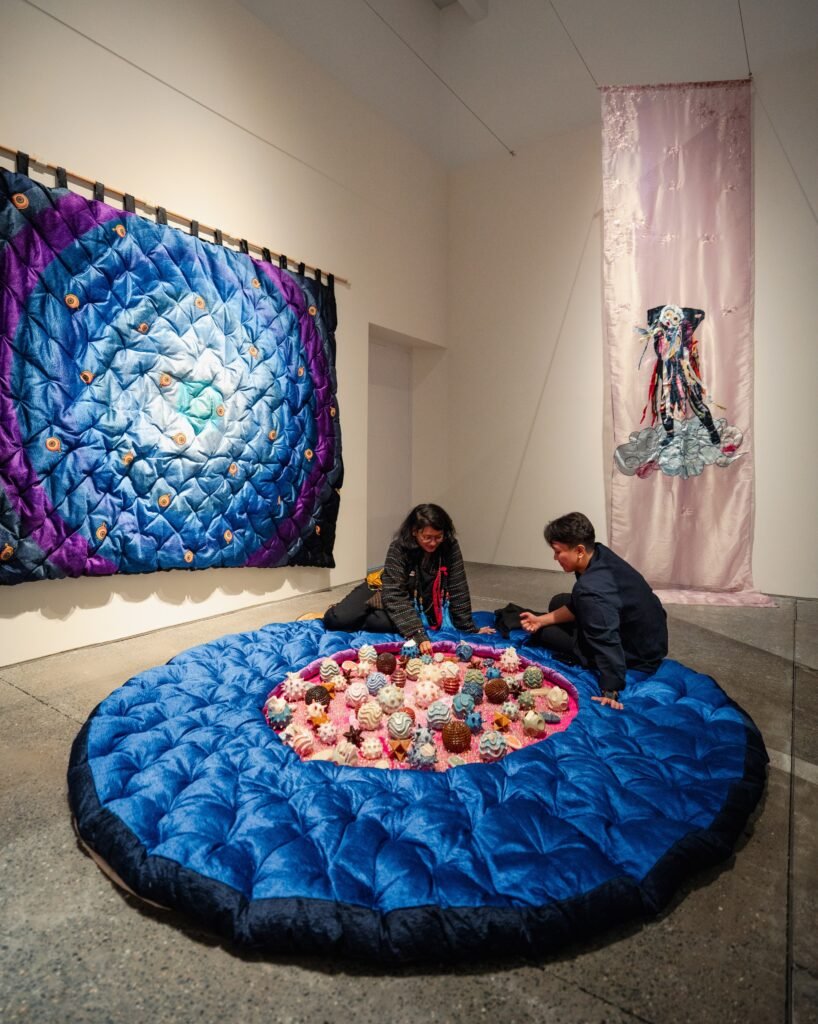
Through films, sculptures, paintings, installations, and performances, the exhibition considers how ocean currents, trade routes, and migration have shaped connections between cultures. It also looks at the Gulf’s place within these wider networks.
Our Common Currents
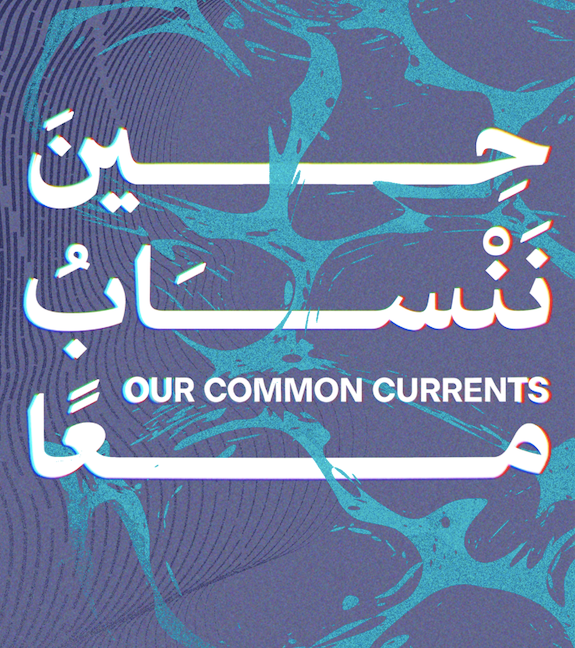
Opening on November 22 at Katara QM Gallery, Our Common Currents examines humanity’s relationship with water across different geographical and cultural contexts.
Curated by Lina Patmali, the exhibition features 12 international artists and collectives. It includes four new commissions alongside other works.
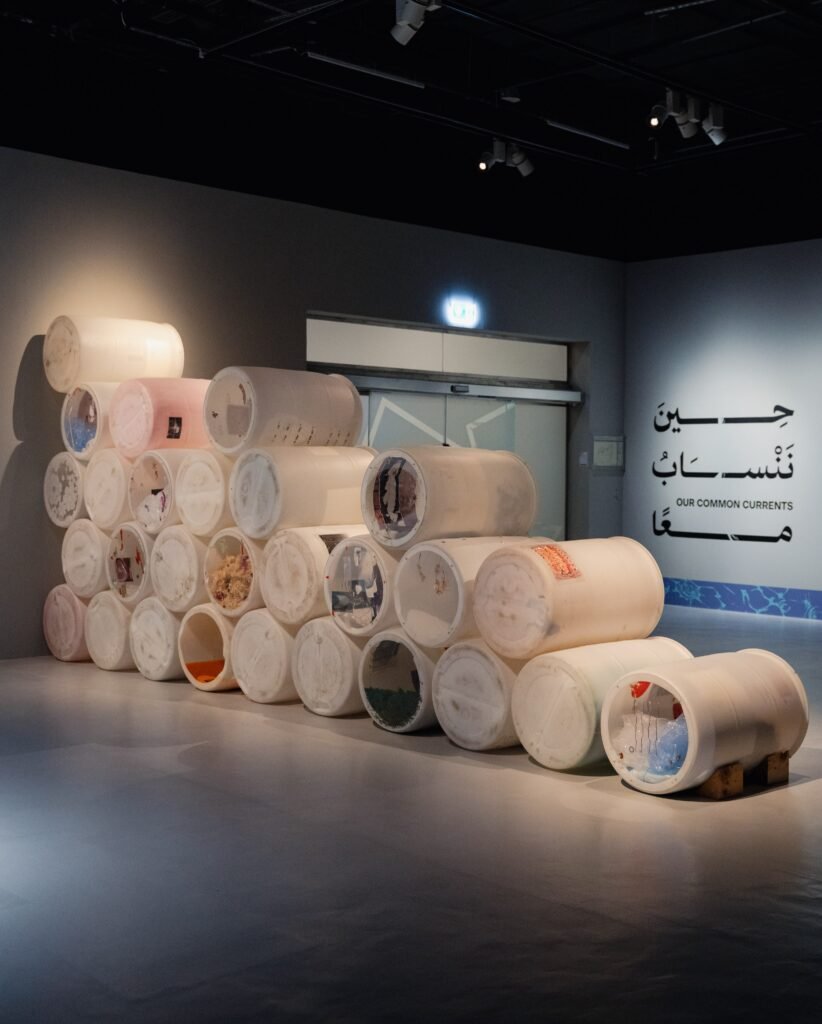
From everyday consumption to agriculture and industry, the exhibition explores the many ways people depend on and transform water. It also considers how environmental change challenges the relationship between communities and their natural surroundings.
Seething Sea
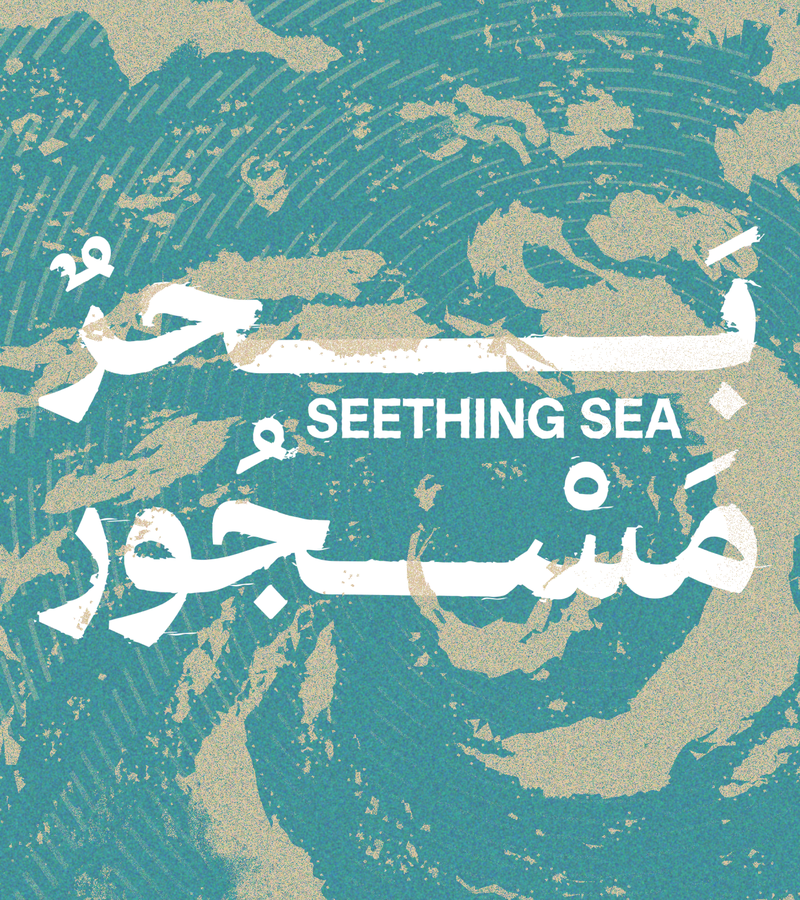
Also opening on November 22, Seething Sea is presented at Mathaf: Arab Museum of Modern Art.
Curated by Wadha Al Aqeedi, the exhibition brings together more than 80 works by over 50 artists. Through faith, folklore, ritual, and craft, it explores the Gulf’s longstanding relationship with the sea.
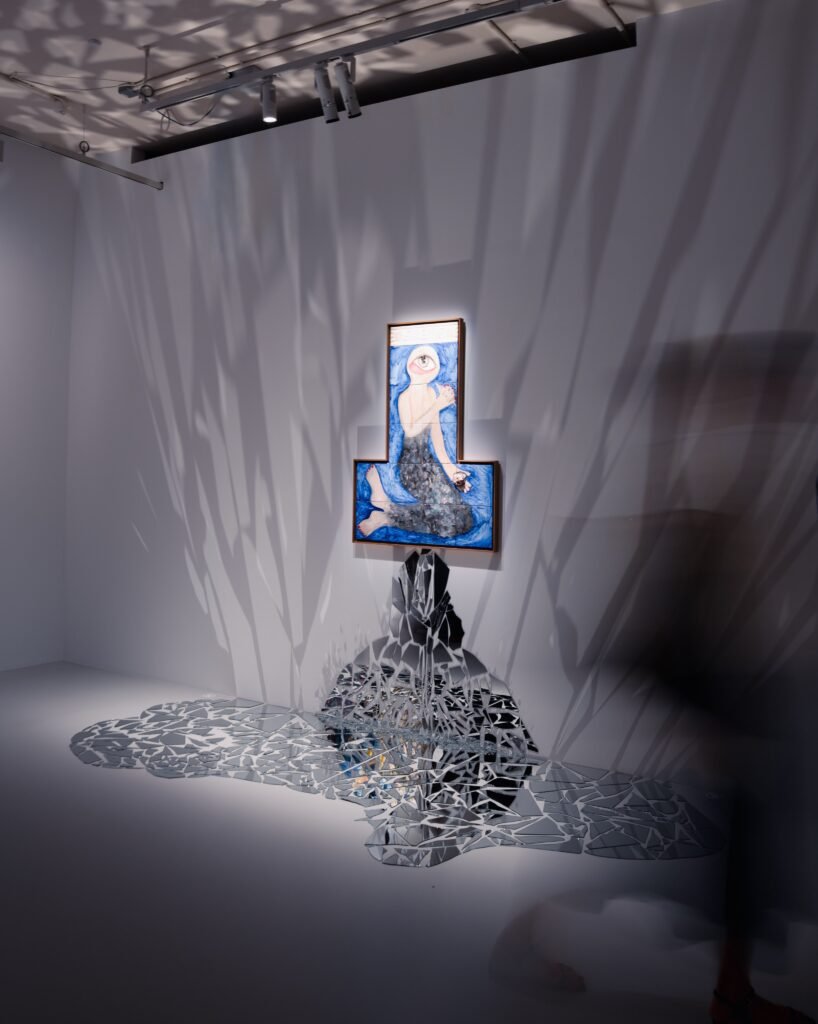
The exhibition also considers how extraction, environmental degradation, and conflict have affected this relationship. By bringing together different artistic perspectives, it reflects on the sea as both a source of life and a landscape facing growing pressures.
Beyond the Galleries: Art Across Qatar
Rubaiya Qatar extends beyond traditional exhibition spaces. Its public art programme introduces installations across several locations, including MIA Park, Barzan Towers, the National Museum of Qatar metro station, Al Khor, and Al Qubaib Plaza.
These works bring contemporary art into everyday public spaces, encouraging audiences to encounter artistic expression beyond museums and galleries.
The programme also includes talks, lectures, performances, film screenings, guided tours, and workshops. Together, these activities create opportunities for visitors to engage directly with artists and the ideas behind their work.
One of the opening week’s highlights is Ru’a Rubaiya, a three-day programme of seven conversations taking place from November 22 to 24 at ALRIWAQ Arts + Architecture. The discussions explore contemporary art, identity, migration, ecology, public spaces, and cultural exchange.
A New Chapter for Qatar’s Cultural Landscape
Beyond its exhibitions, Rubaiya Qatar reflects a wider investment in long-term cultural production. Its four-year cycle allows artists to research, experiment, develop new work, and build relationships with institutions and communities.
The inaugural edition also places particular attention on perspectives from the Global Majority. It creates opportunities for artists from different regions to contribute to international conversations about contemporary art.
By connecting artistic practice with environmental questions and cultural heritage, Rubaiya Qatar offers audiences more than a series of exhibitions. It creates space to reconsider how history, geography, and shared resources shape the world around us.
Running through April 30, 2027, the first edition invites visitors to explore these connections across Qatar. It also establishes a new recurring platform for contemporary art, dialogue, and creative exchange.