

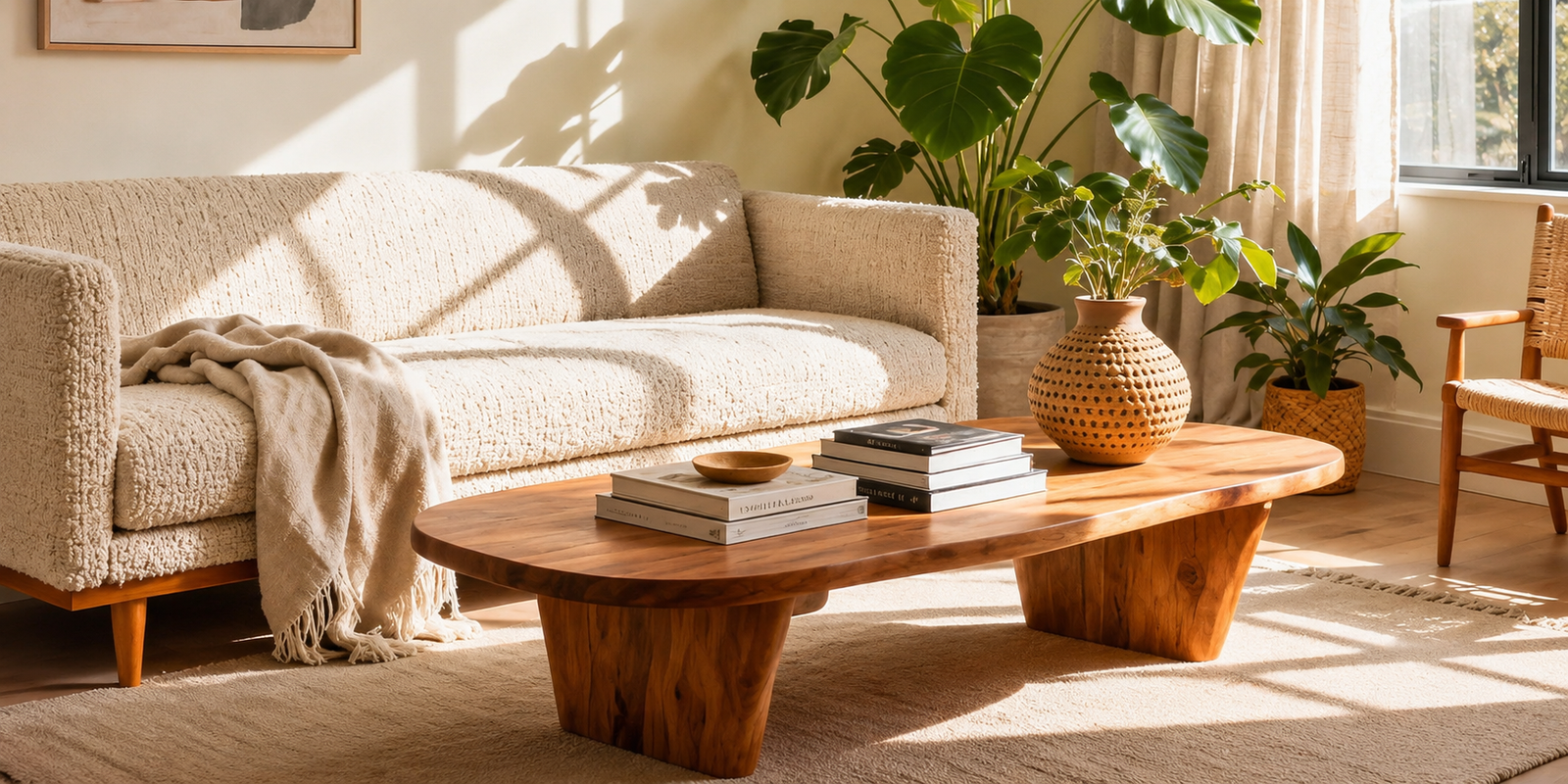
A restorative home is built through everyday habits as much as interior design. These five simple rituals bring more intention, comfort, and calm into your surroundings.
A calm home does not require a complete makeover. Sometimes, it begins with opening the curtains, clearing a crowded surface, or making time for a quiet cup of tea. Small habits can change how we experience familiar spaces, turning ordinary rooms into places where we can pause and recharge.
The idea of a restorative sanctuary goes beyond neutral palettes and carefully styled interiors. It considers how light, texture, organization, and daily routines shape the atmosphere of a home. Rather than pursuing a picture-perfect space, the goal is to create an environment that feels comfortable and personal.
These five rituals offer a simple place to begin.
1. Welcome the Morning with Light and Fresh Air
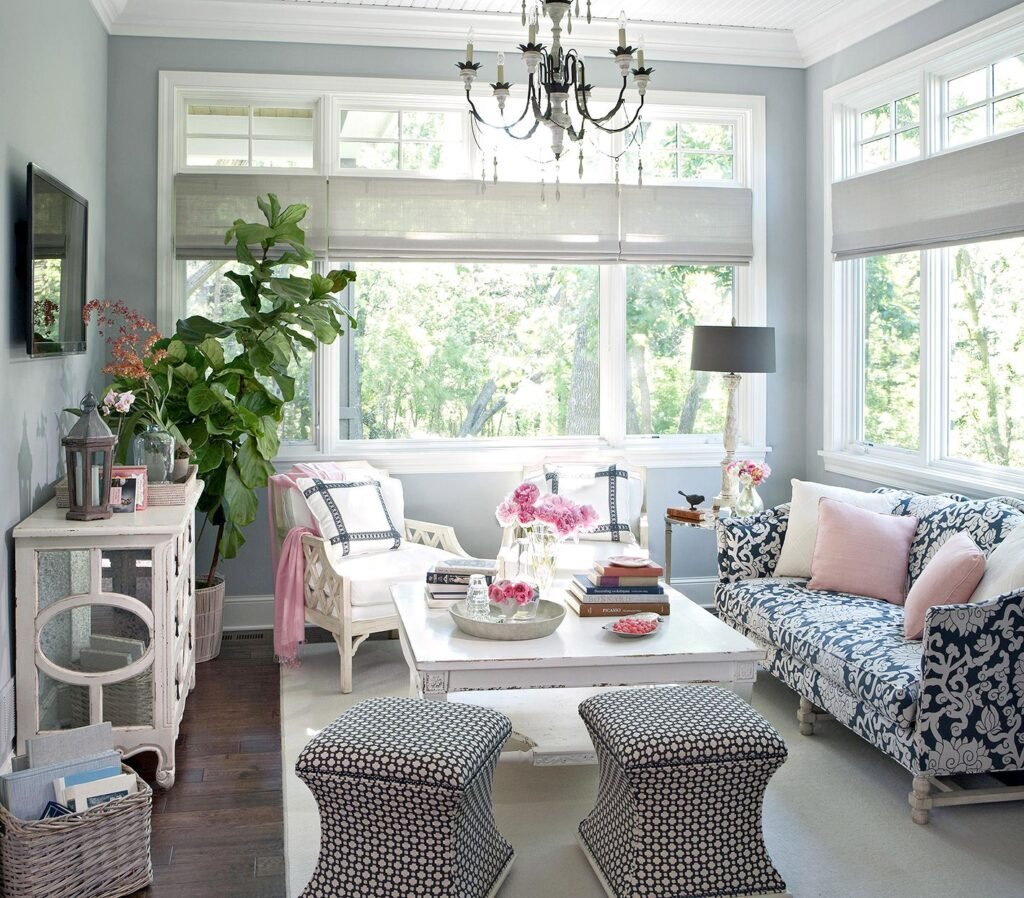
Start the day by opening the curtains and allowing natural light into your main living space. Sunlight provides an important cue for the body’s internal clock, helping regulate the sleep-wake cycle.
When outdoor conditions allow, open a window briefly to refresh the room. In cities such as Cairo, check the outdoor air quality first, particularly during dusty or heavily polluted periods. Ventilation can help improve indoor air quality, but opening windows is not always the best option.
You can make the ritual more intentional by watering your plants, making the bed, or enjoying your morning coffee near a window. Let the first few minutes of the day connect you with your surroundings before reaching for your phone.
2. Give Your Space a Five-Minute Reset
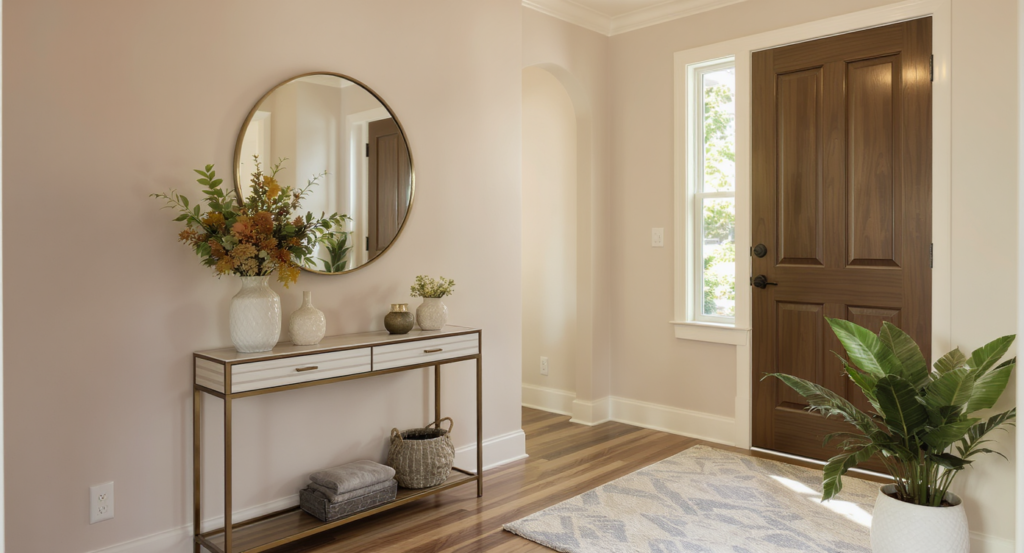
Visual clutter can make a room feel busy even when the furniture and decoration are already well arranged. Instead of attempting a full clean every day, create a short reset ritual for one area.
Clear the coffee table, return misplaced objects to their usual places, fold the throw, and put away anything that no longer belongs in the room. A small tray can collect everyday essentials, while baskets provide an easy solution for loose items.
The aim is not minimalism for its own sake. It is to make the space easier to use and enjoy. Cleveland Clinic psychologists note that organizing can help some people regain a sense of control when they feel overwhelmed. A few manageable tasks can therefore feel more rewarding than an ambitious cleaning session.
3. Bring a Little Nature Indoors
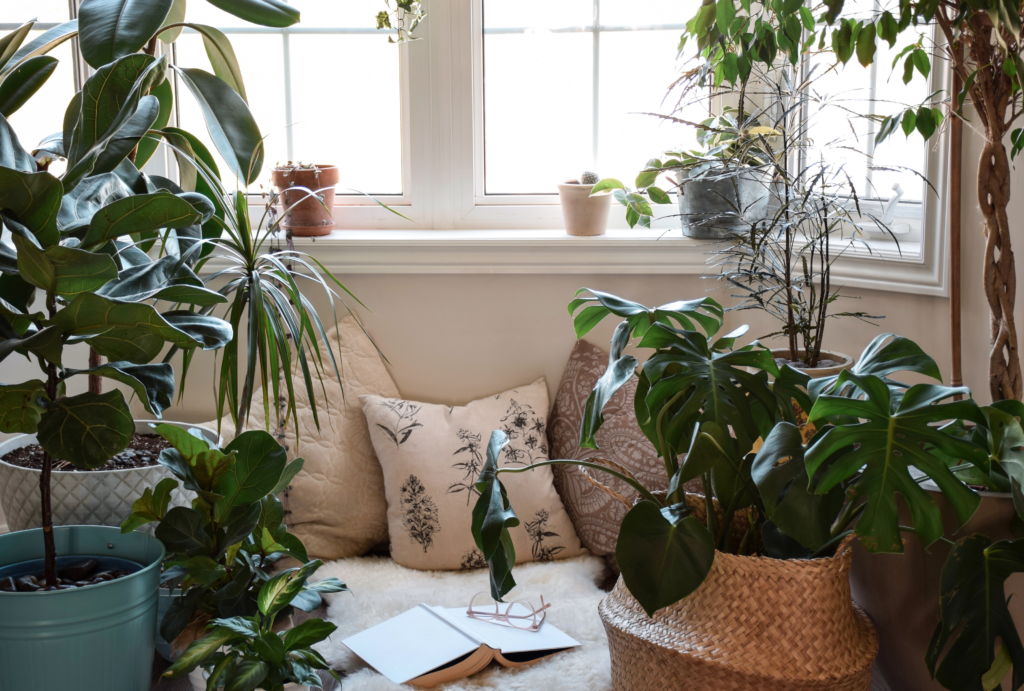
A connection to nature can soften the atmosphere of even the simplest interior. Start with a plant near a window, a small arrangement of seasonal flowers, or natural materials such as wood, linen, and stone.
Choose greenery that suits your available light and how much care you can realistically provide. A single well-placed plant can become a visual focal point without overcrowding the room.
You can also make plant care part of your weekly routine. Watering, trimming, and noticing new growth create small moments of attention that encourage you to slow down.
Research into indoor plants and mental health has found generally positive associations, although the available studies remain limited. Think of greenery as a thoughtful design addition rather than a guaranteed wellness solution.
4. Create a Dedicated Corner for Pausing
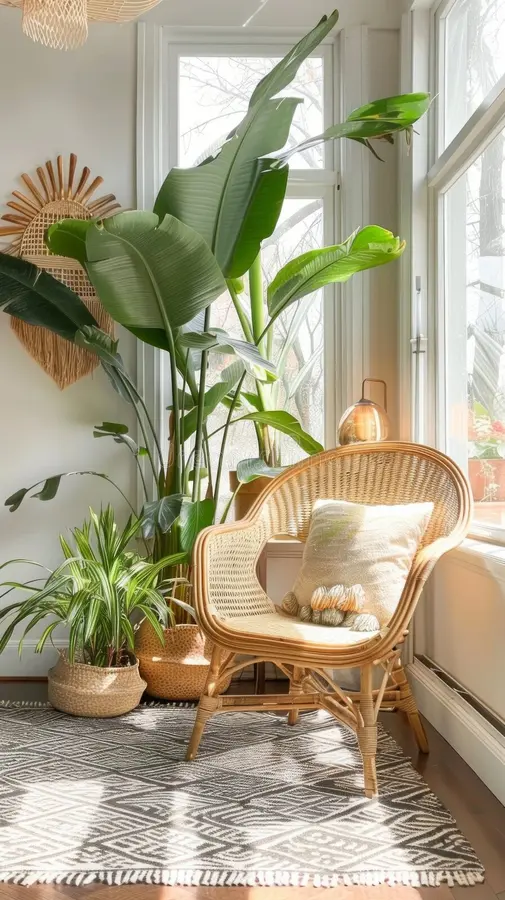
Every home benefits from a place that invites you to step away from daily responsibilities. It does not need to be an entire room. An armchair beside a window, a floor cushion near a bookshelf, or a comfortable spot on the balcony can become a personal retreat.
Keep the setup simple. Add a comfortable cushion, a soft throw, a small side table, and something you genuinely enjoy, whether a book, sketchbook, or favorite playlist.
The most important part is the ritual attached to it. Spend ten minutes reading, listening to music, journaling, or simply sitting without multitasking. Over time, this corner can become a familiar space for taking a break.
5. Let the Evening Settle into a Slower Rhythm
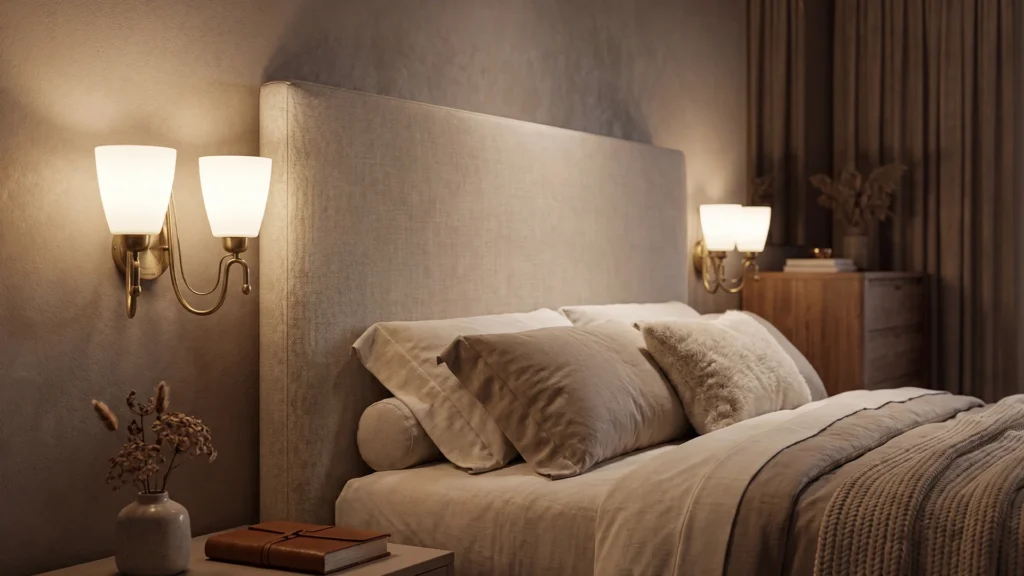
As the day ends, gradually change the atmosphere of your home. Turn off unnecessary overhead lighting and switch to softer lamps. Put away work materials, lower background noise, and give your bedroom a little attention.
Dimmer evening lighting can help support the body’s transition toward sleep. Keep the bedroom comfortably cool, reduce disruptive noise, and limit bright screens before bedtime. Fresh bedding, a clear bedside table, and a simple reading routine can make the room feel more inviting.
You can also create a small closing ritual: prepare tomorrow’s essentials, put your phone aside, and spend a few minutes reading. These repeated actions help distinguish the end of the working day from the beginning of rest.
A Home That Feels Like Your Own
Creating a restorative sanctuary is less about following a particular design aesthetic and more about understanding what makes you feel comfortable. Some homes need softer lighting and fewer distractions; others benefit from more greenery, meaningful objects, or a dedicated place to unwind.
The best rituals are the ones that fit naturally into everyday life. Start with one small change, repeat it until it becomes familiar, and allow your space to evolve around the way you live.
A calmer home does not have to look perfect. It simply has to feel like somewhere you can return to yourself.