
K-Beauty gave us glass skin. J-Beauty reminded us that skincare does not need to be complicated. Now, another beauty movement is stepping into the global spotlight: A-Beauty.
Short for Arab Beauty, A-Beauty draws inspiration from the region’s beauty traditions, distinctive aesthetics, and centuries-old rituals. Think expressive eyes, defined brows, luxurious fragrances, rosewater, oud, and the art of layering scents. However, the movement is becoming much bigger than a signature makeup look.
From internationally recognized beauty empires to emerging regional labels, Arab brands are introducing new perspectives on skincare, makeup, and fragrance. They are also challenging the idea that global beauty trends must always come from the same familiar destinations.
So, is A-Beauty ready to follow in K-Beauty’s footsteps? The answer might be more interesting than we think.
What Exactly Is A-Beauty?
A-Beauty is not simply a makeup aesthetic. It represents a broader approach to beauty inspired by Arab identity, regional traditions, and the needs of Middle Eastern consumers.
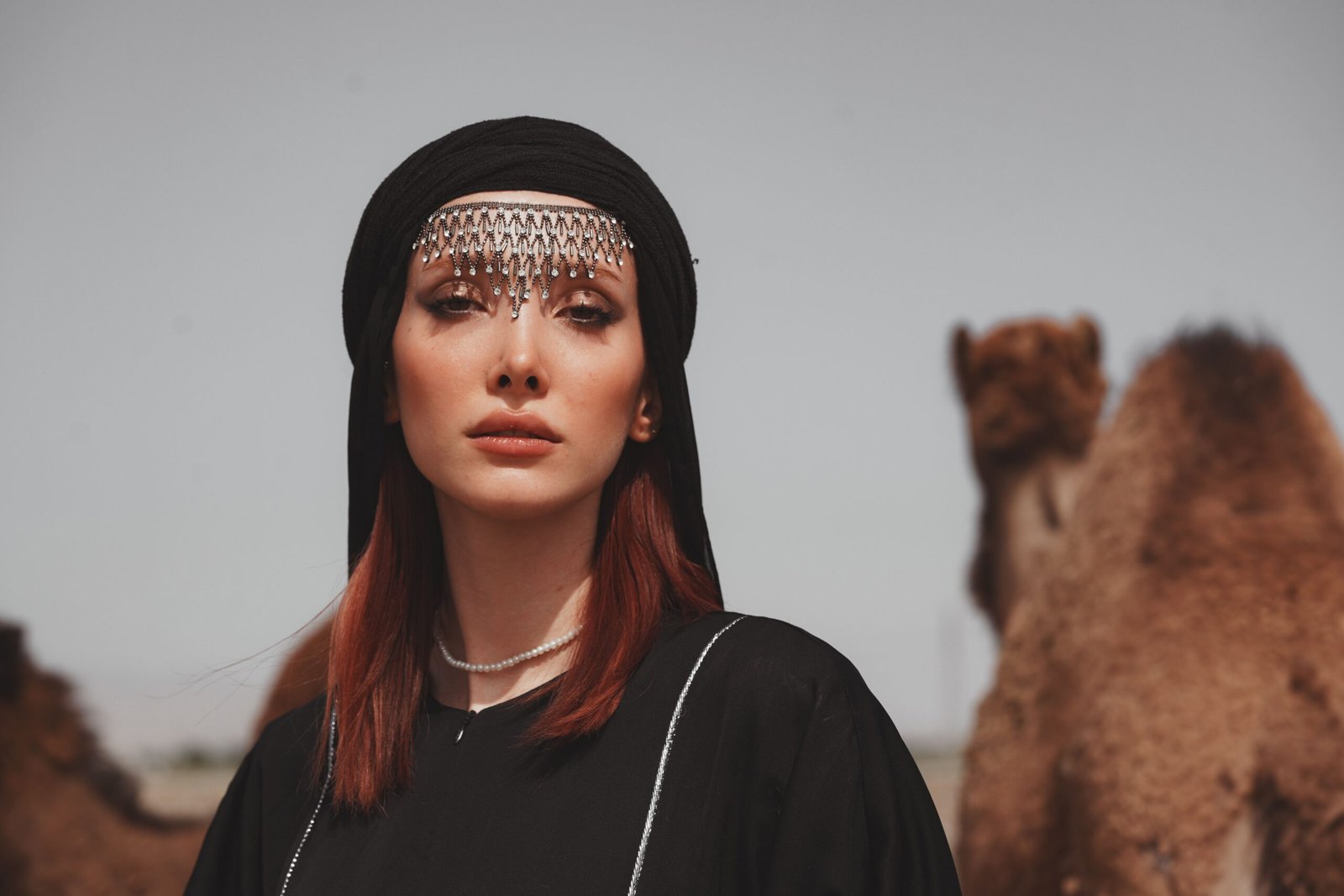
For decades, Arab beauty has been associated with expressive eye makeup, bold brows, full lashes, and carefully layered fragrances. These elements remain part of its identity, but the modern movement goes further.
It brings traditional ingredients and rituals into contemporary beauty routines. Rosewater, argan oil, frankincense, oud, and other regionally significant ingredients are finding new applications in modern formulations. Meanwhile, hammam rituals, hair oiling, and fragrance layering continue to inspire products and experiences.
There is also a growing conversation around products designed with regional climates, skin tones, hair textures, and consumer preferences in mind.
In other words, A-Beauty is not about asking Arab consumers to adapt to global beauty standards. It is about creating products and experiences that understand their needs from the beginning.
From Beauty Rituals to Global Influence
One of the most interesting aspects of A-Beauty is how naturally it connects heritage with modern beauty culture.
Take fragrance, for example. In many Arab households, perfume is more than a finishing touch. It is part of getting ready, welcoming guests, and expressing personal identity.
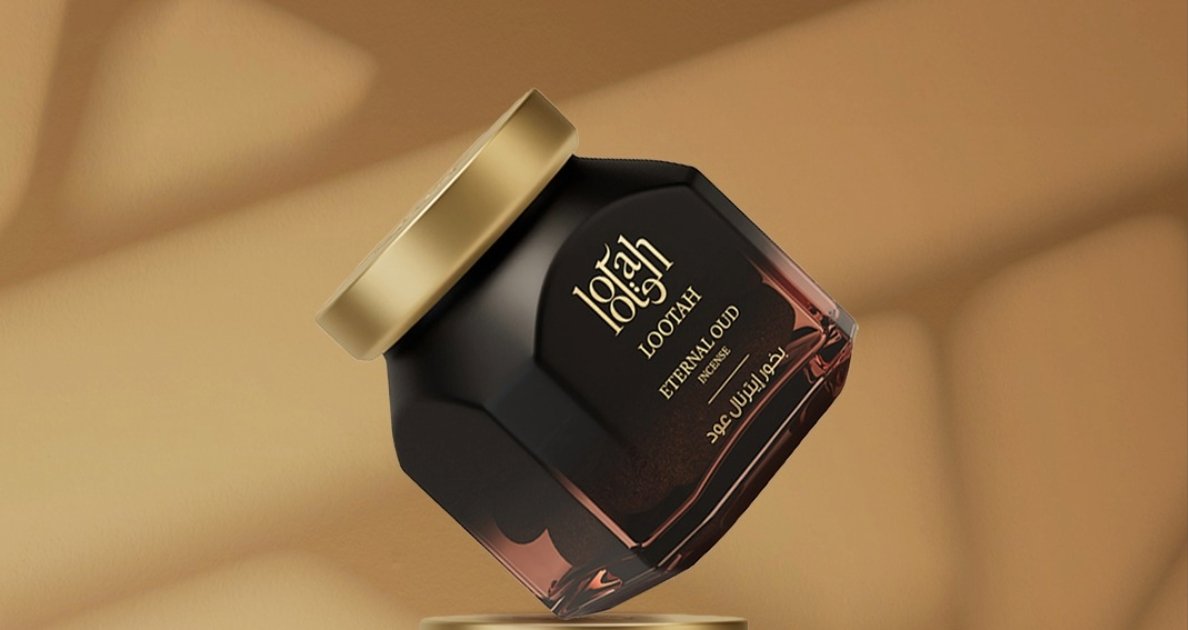
Oud, musk, amber, and rose have long been central to regional fragrance traditions. Today, international consumers are increasingly exploring these notes, while global perfume houses continue to reinterpret them.
The growing popularity of fragrance layering also reflects a familiar regional practice. Combining perfume oils, body products, and different scents allows people to create a signature fragrance rather than rely on one bottle.
Skincare tells a similar story. Rosewater, argan oil, and traditional cleansing rituals have inspired modern products and routines. The hammam, once considered a distinctly regional wellness experience, has also influenced the wider global conversation around body care and self-care.
These traditions are not new discoveries. What is changing is how the beauty industry presents, develops, and shares them with a wider audience.
The Arab Beauty Brands Making Their Mark
A-Beauty’s growing influence would be difficult to discuss without looking at the brands helping shape it.
Huda Beauty
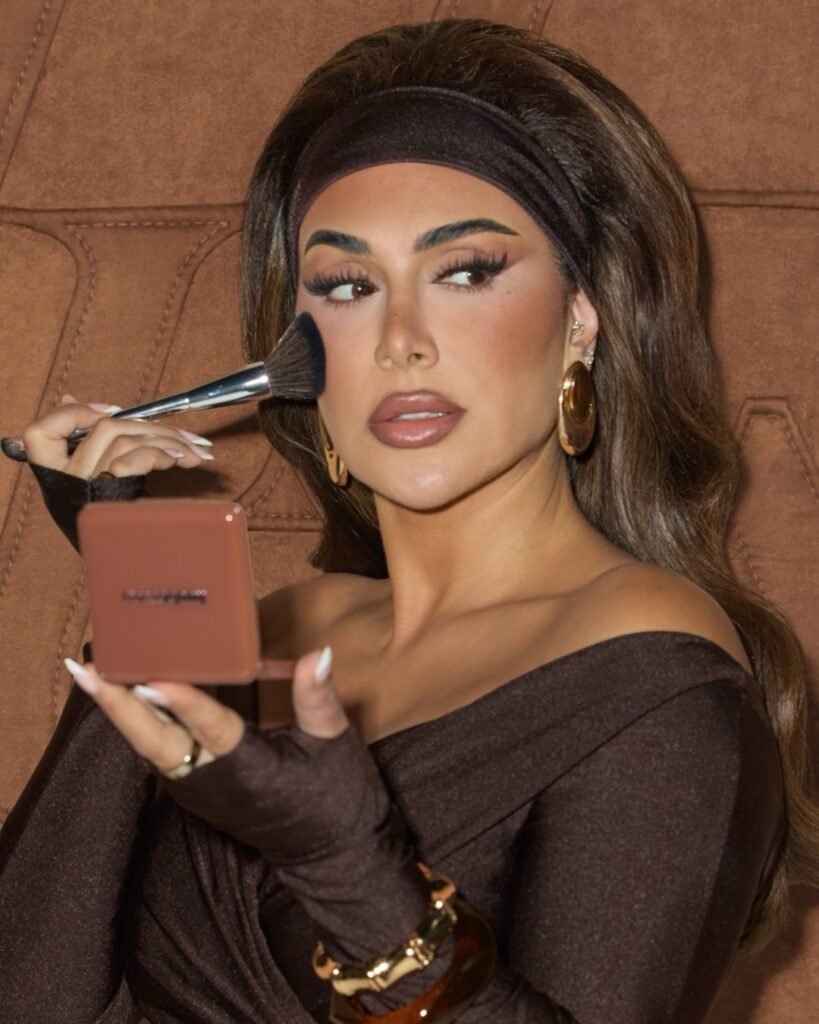
One of the most recognizable examples on the rise of A-Beauty. Huda Beauty was founded by Iraqi-American entrepreneur Huda Kattan and built in Dubai, the brand helped introduce Arab-founded beauty entrepreneurship to a global audience. Its bold makeup aesthetic, product innovation, and strong digital presence transformed it into an international beauty powerhouse.
Kayali

A fragrance that has its own influential name. Founded by Mona Kattan, the Dubai-based brand draws inspiration from Middle Eastern fragrance traditions, particularly the art of scent layering. Its approach combines familiar regional notes with contemporary fragrance compositions, making the experience accessible to a global audience.
Asteri Beauty

In Saudi Arabia, Asteri Beauty is building a makeup identity rooted in Arab women and regional needs. Founded by Sara Alrashed, the brand focuses on highly pigmented formulas designed to perform in the region’s climate.
Shiffa Beauty
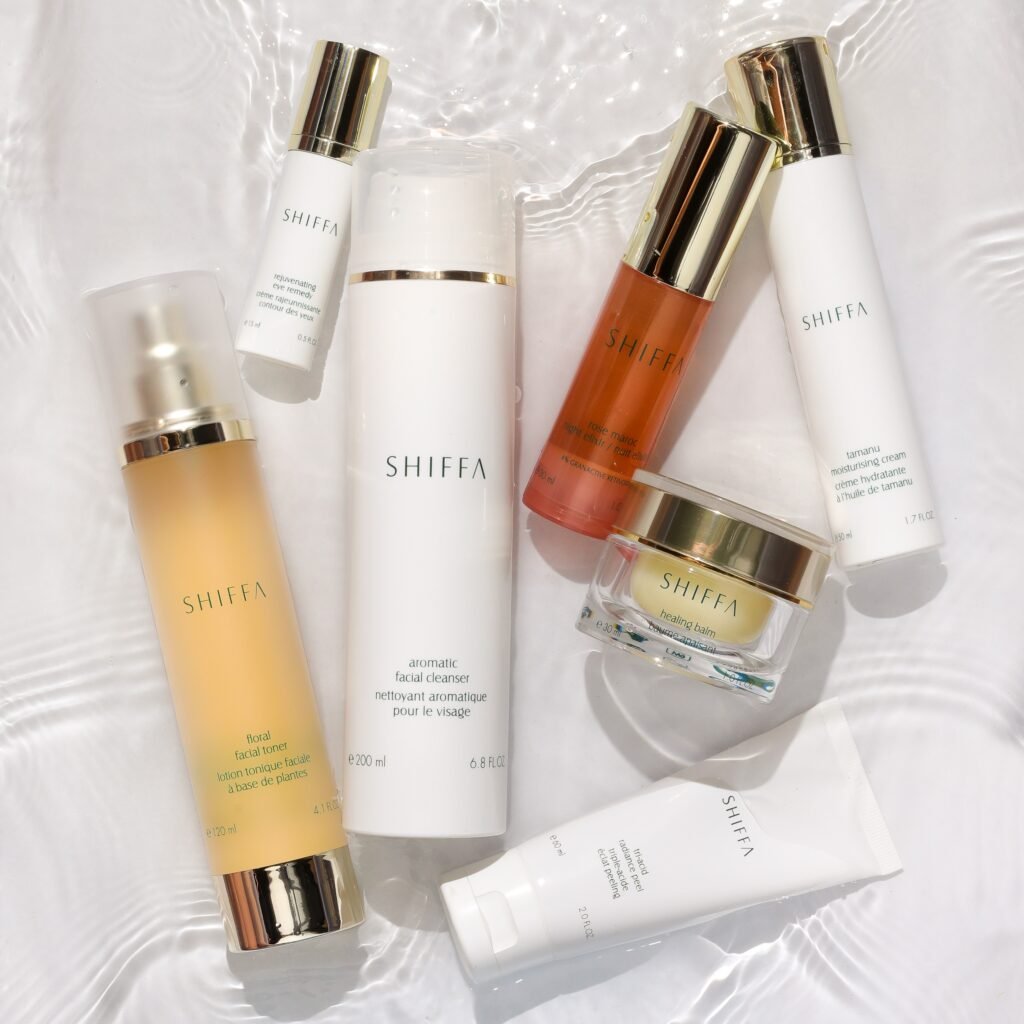
Founded by Emirati entrepreneur Dr. Lamees Hamdan, Shiffa Beauty brings together botanical ingredients and modern skincare science. Its approach reflects the growing interest in wellness-led beauty and thoughtful formulations.
Amouage
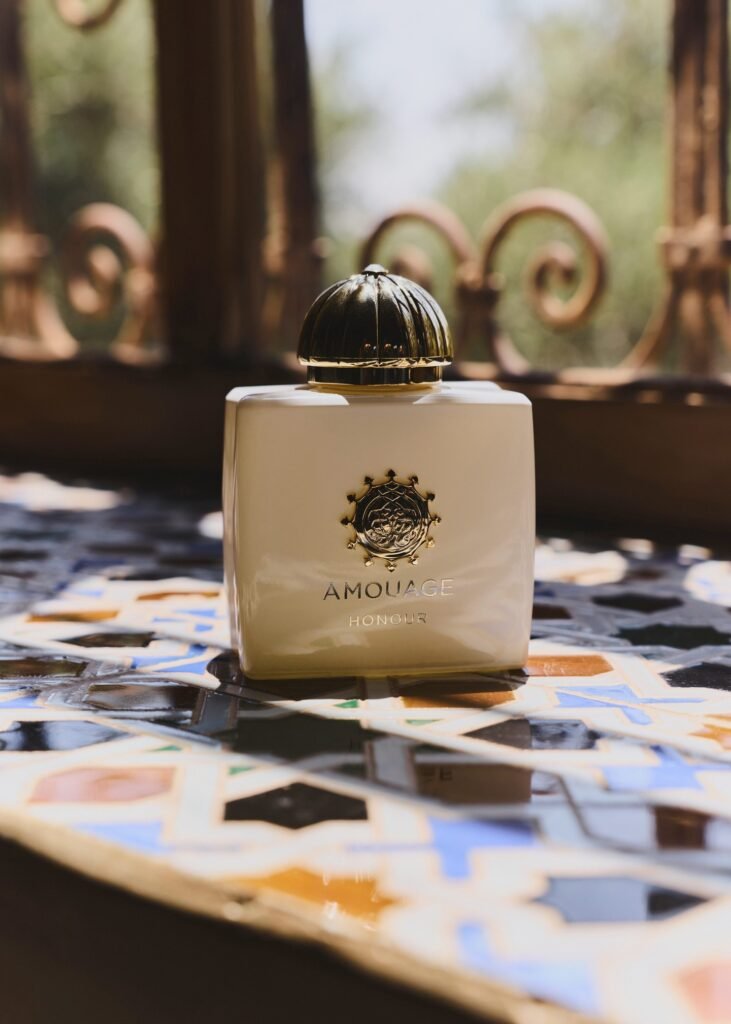
Then there are established fragrance houses such as Amouage, founded in Oman, which have helped introduce the richness of regional perfumery to international luxury markets.
Together, these brands demonstrate that Arab beauty is not limited to one category. It stretches across makeup, skincare, wellness, and fragrance.
Why Is the Global Beauty Industry Paying Attention?
The growing interest in A-Beauty reflects a wider shift in how consumers approach beauty.
People are becoming more interested in products that reflect their identities, address their individual needs, and offer something beyond attractive packaging. Cultural relevance and authenticity are becoming increasingly important.
This creates an opportunity for Arab brands. Instead of adapting products developed for other markets, they can build formulas and experiences around regional preferences from the beginning.
Climate is one example. Heat, humidity, and strong sun exposure influence how makeup, skincare, and even fragrance perform. Consumers may look for lightweight textures, lasting formulas, effective hydration, and products that suit their daily routines.
Representation matters, too. Arab-founded brands can introduce a wider range of features, skin tones, and beauty preferences into global campaigns and product development.
The market itself offers plenty of room for growth. The Middle East and North Africa beauty and personal care market reached approximately $46 billion in 2024, according to figures reported by Arabian Beauty Business. This reflects a region with significant consumer demand and growing opportunities for homegrown brands.
Can A-Beauty Become the Next K-Beauty?
It is tempting to compare A-Beauty with K-Beauty. Both movements draw on cultural identity and traditional knowledge while embracing modern innovation.
However, A-Beauty does not need to follow the same formula. The Arab world is culturally diverse, and its beauty traditions vary across countries and communities. Reducing them to one aesthetic would miss the point entirely.
Its strongest opportunity lies in combining heritage with research, innovation, and a clear understanding of modern consumers. That means investing in product development, expanding international distribution, and telling cultural stories without turning them into marketing clichés.
It also means recognizing the people and traditions behind the ingredients, rituals, and techniques that inspire these products.
Perhaps the most exciting thing about A-Beauty is that it does not need to invent a new identity. Its stories, rituals, and influences have existed for generations.
The next chapter is about giving them the recognition, innovation, and global platform they deserve.
And if K-Beauty taught the world to look toward Seoul, perhaps A-Beauty will encourage it to look a little closer at the Arab world.