
As its third edition brings together Egyptian designers, international partners, and industry investors, Egypt Fashion Week is making a case for fashion as a business ecosystem, not simply a creative showcase.
Fashion weeks often measure their success through the collections they present. But for emerging fashion industries, the more important work happens beyond the runway. Access to manufacturing, investment, skilled craftsmanship, and international markets can determine whether a promising label becomes a sustainable business.
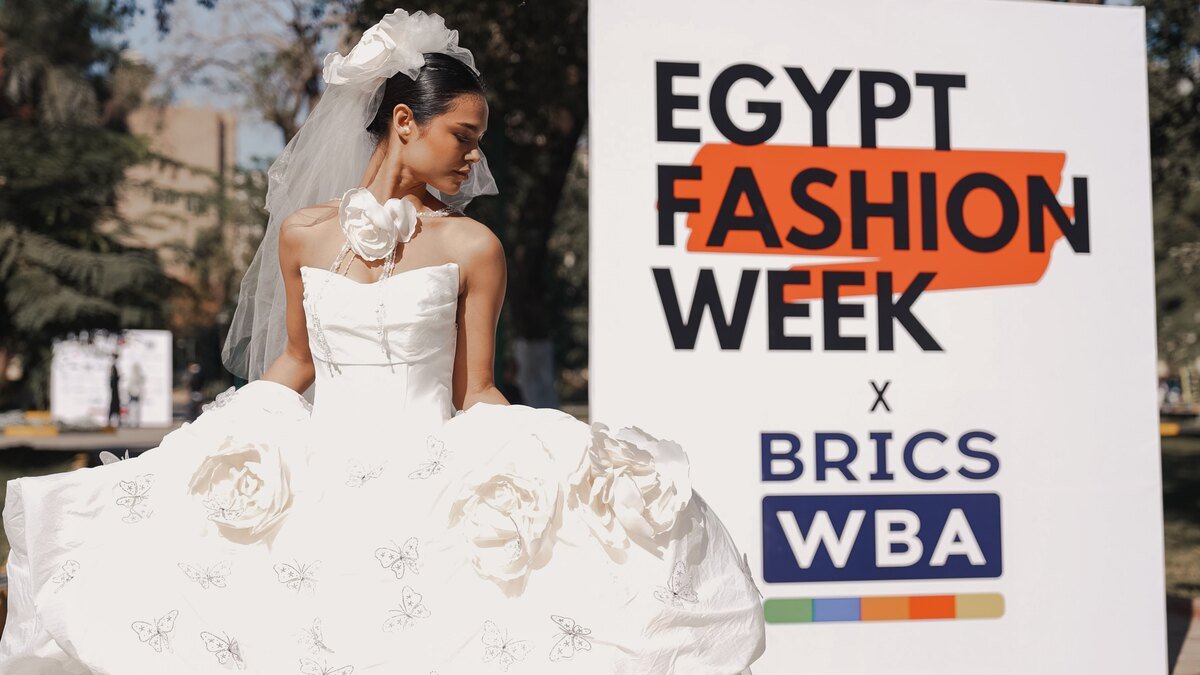
The third edition of Egypt Fashion Week, held from November 12 to 14, placed these questions at the centre of its programme. Organised by the Egyptian Fashion and Design Council (EFDC), the event brought together more than 50 Egyptian designers alongside international participants from India, China, Russia, Turkey, and Jordan.
Hosted at Cairo’s Agricultural Museum in Dokki, the programme combined runway presentations with workshops, exhibitions, industry discussions, and business initiatives. Its wider ambition was clear: to connect Egypt’s creative talent with the professional infrastructure needed to support its growth.
From Egyptian Cotton to Global Manufacturing
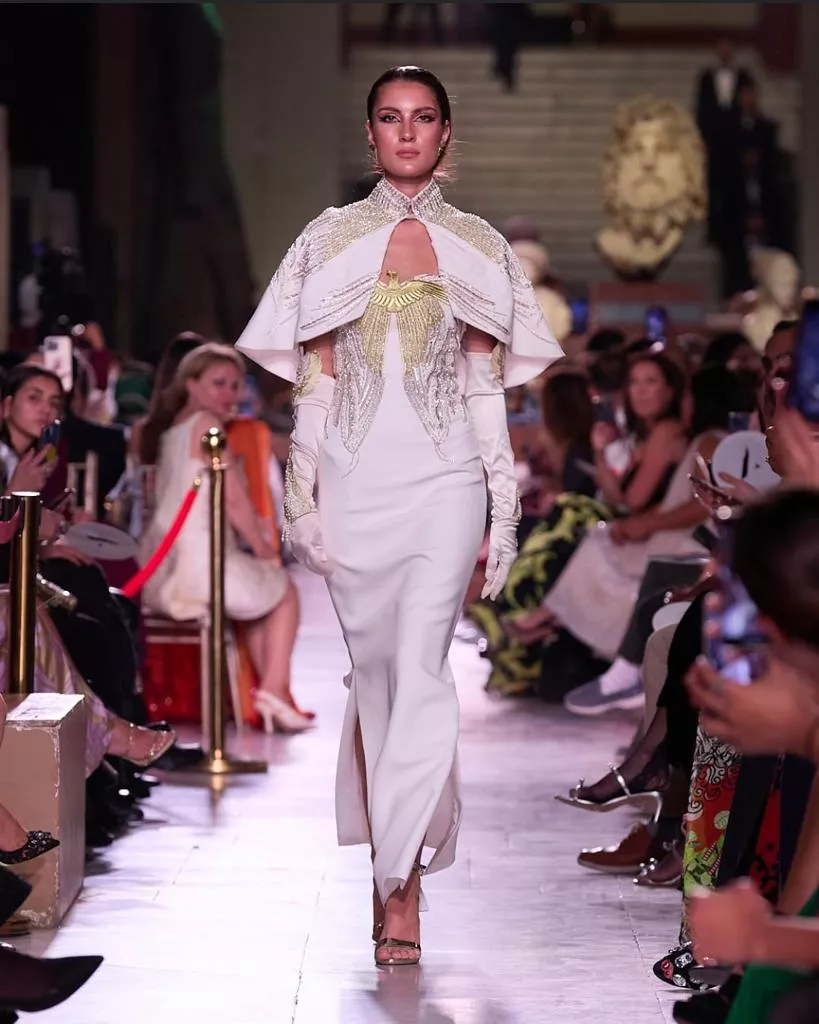
The choice of venue offered a fitting starting point. The Agricultural Museum houses Egypt’s Cotton Museum, connecting the country’s fashion industry with one of its most recognized materials.
Yet Egypt’s position in the global garment industry presents an interesting contradiction. The country’s garment exports exceeded USD 3 billion in 2025, according to figures cited by EnterpriseAM. Much of this production serves international brands rather than Egyptian labels.
That distinction raises an important question. How can Egypt translate its established manufacturing capabilities into stronger local brands with international reach?
Egypt Fashion Week approached this through international cooperation. India served as the guest country of honour, bringing designers, textile representatives, and industry delegates to Cairo. The partnership also involved the Egyptian chapter of the BRICS Women’s Business Alliance.
Discussions explored opportunities for cooperation in textile production, technical fabrics, and traditional craftsmanship. EFDC President Marie Louis Bishara also highlighted the potential for joint ventures that could expand local capabilities in synthetic spinning and specialised textiles.
The programme therefore looked beyond sourcing finished garments. It considered how international partnerships could strengthen the production capabilities behind Egyptian fashion.
Connecting Creativity with Investment
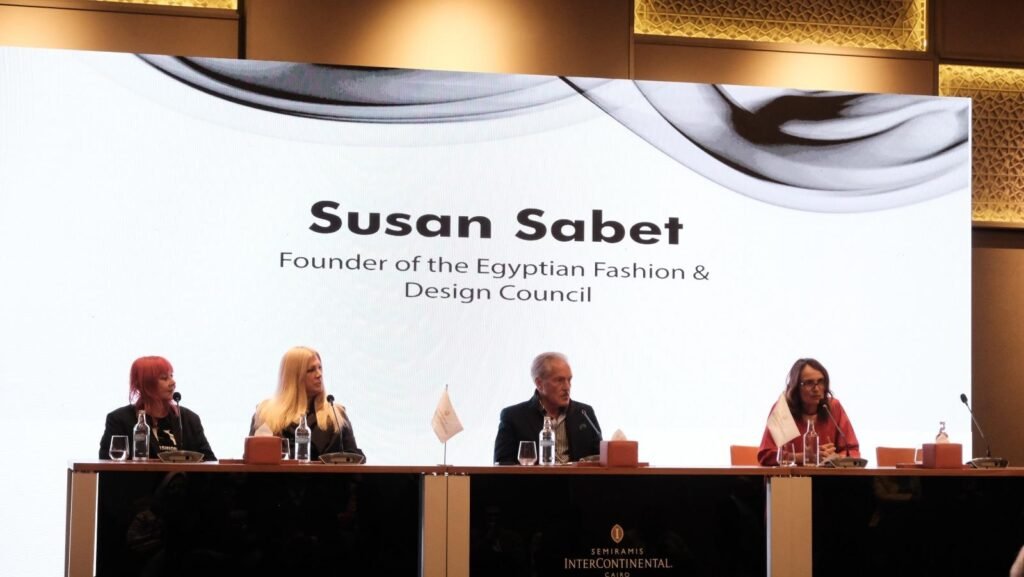
Financing remains one of the industry’s persistent challenges. Emerging designers may have distinctive ideas and strong creative identities, but developing a commercial label requires resources beyond the initial collection.
Production costs, material sourcing, marketing, distribution, and access to retail networks all demand investment. Without that support, promising businesses can struggle to move beyond small-scale operations.
This year’s edition introduced Investor Pitch Sessions, powered by Erada Finance. The initiative gave fashion entrepreneurs opportunities to present their businesses to potential investors and explore financing options.
The event also introduced the Next Gen Designer Hub, creating a dedicated platform for emerging talent. Meanwhile, the Egyptian Beauty Hub expanded the programme’s scope to include businesses operating across fashion and beauty.
Together, these initiatives reflect a broader understanding of what the fashion industry needs. Designers require more than exposure. They need opportunities to develop commercial strategies, understand production, and build relationships with people who can support their businesses.
Craftsmanship as a Competitive Advantage
Another important part of the programme focused on the relationship between traditional craftsmanship and contemporary design.
Egypt’s fashion identity draws on a long history of textile production, embroidery, and artisanal skills. These traditions offer designers a valuable creative resource, but they also require investment and opportunities for new applications.
Workshops and discussions during the event explored how craftsmanship can move into contemporary fashion production. Sessions also addressed practical subjects such as product costing, pricing, technical development, and preparing emerging designers for professional careers.
The programme’s international dimension added another perspective. By bringing together designers and industry representatives from different markets, Egypt Fashion Week created opportunities to exchange knowledge about materials, techniques, and production methods.
This exchange matters because heritage alone cannot guarantee commercial success. Designers must find ways to reinterpret traditional skills while meeting contemporary expectations around quality, production, and accessibility.
What Comes After the Runway?
Egypt Fashion Week’s third edition reflects a growing ambition to position the country as more than a manufacturing destination. Its creative sector has the potential to develop recognisable labels, support independent designers, and build stronger connections with international buyers.
However, achieving that ambition requires continuity. A three-day event can introduce opportunities, encourage conversations, and bring industry players together. Building a sustainable fashion ecosystem requires those connections to continue long after the final runway presentation.
That means improving access to financing, strengthening design education, supporting local manufacturing, and creating reliable routes to retail and export markets.
The opportunity is already visible in Egypt’s production capabilities and creative talent. The next challenge is connecting them through a system that allows local businesses to grow.
Ultimately, the significance of Egypt Fashion Week 2026 lies not only in the collections presented, but in the questions it brought into focus. The future of Egyptian fashion will depend on how successfully the industry connects creativity with craftsmanship, investment, and commercial opportunity.