

Mohammed Khoja named his brand after an ancient Arabic term meaning “to possess perfect form in harmony and aesthetic.” If that sounds like a declaration of intent rather than a product name, that is because it is. Hindamme is a Saudi contemporary ready-to-wear label operating in the luxury sector, built on architectural lines, precisely constructed cuts, and strong shapes that tell deeper stories at second glance — stories about the beauty of Saudi culture, its traditions and its people, translated into a language that invites the world in. Khoja launched it in 2016, at a moment when Saudi Arabia had no established fashion infrastructure, no Fashion Week, and no ecosystem of the kind that European designers take for granted from their first season. He built it anyway, and a decade later the brand has a piece in the permanent collection of the Victoria and Albert Museum in London and another in the Council of Fashion Designers of America museum in New York. That is not a regional success story. That is a global one.
The Man Behind It
Mohammed Khoja grew up in Al-Khobar, Saudi Arabia. Still, his childhood was shaped by his family’s relocations to Houston and Paris, experiences that gave him a perspective on fashion as a medium for storytelling that sat between cultures rather than inside any single one. That biography is not incidental to the brand; it is the brand’s entire premise. “As a very proud Saudi who has grown up in different parts of the world, I have a duty to highlight my culture to a more global audience,” he told Arab News. The duty he describes is not abstract. It shows up in every collection he has made since 2016, in the patterns he chooses, the references he researches, and the consistency with which he refuses to make Saudi heritage look like costume rather than living design language.
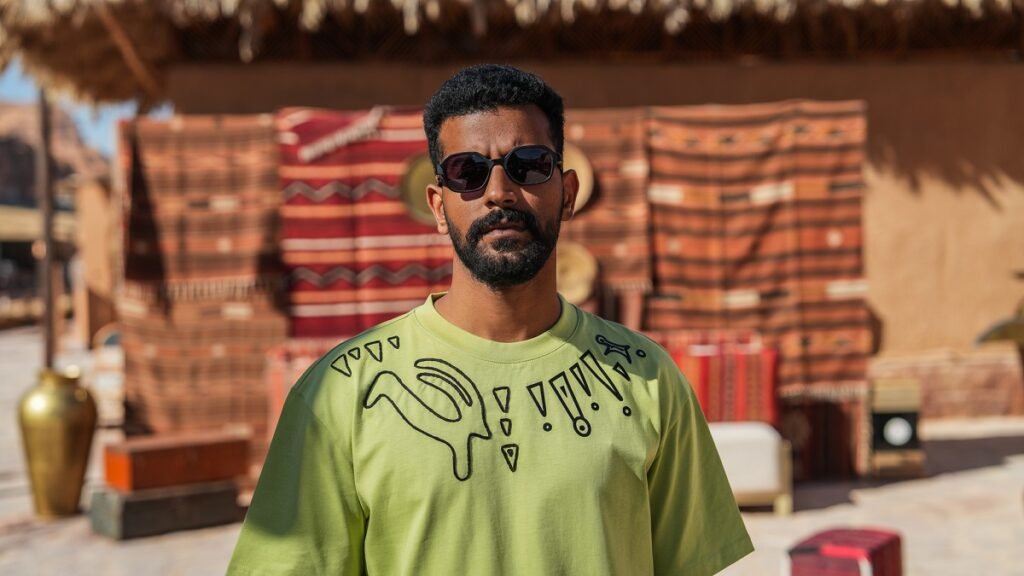
He launched Hindamme, incorporating patterns like Al-Qatt Al-Aseeri from his native land, highlighting frequently ignored elements of heritage to a new audience in a contemporary and forward-thinking format. The Al-Qatt Al-Aseeri is a decorative art form originating in the Aseer region of Saudi Arabia, geometric, bold, and deeply specific to its cultural origin, and bringing it into a luxury menswear context was a statement about what Saudi visual culture deserved to be recognised as.
The Collections as Cultural Research
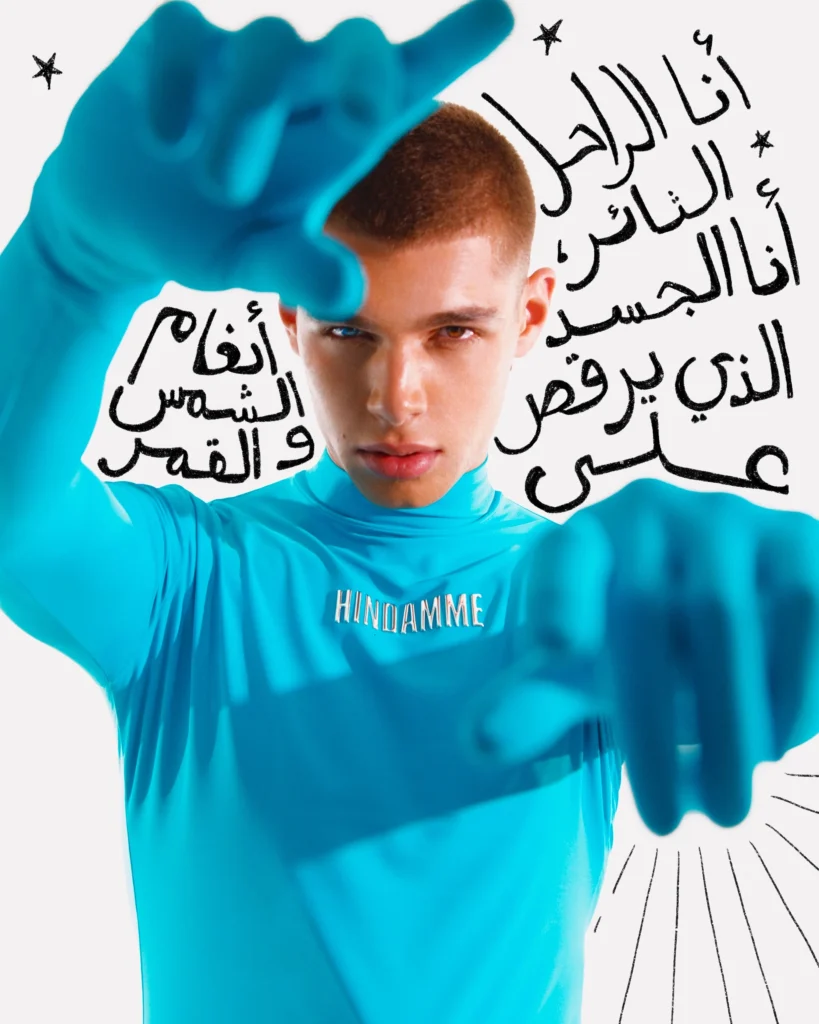
Each Hindamme season is built around a concept that is researched rather than aesthetic, and the distinction matters, because it is what separates the brand from the growing number of labels that invoke heritage as decoration without doing the intellectual work behind it. The brand’s name, Hindamme, means “to possess perfect harmony” in an old Arabic dialect, and each collection is autobiographical in spirit, investigating deeper and more meaningful connections rather than surface-level cultural signalling.
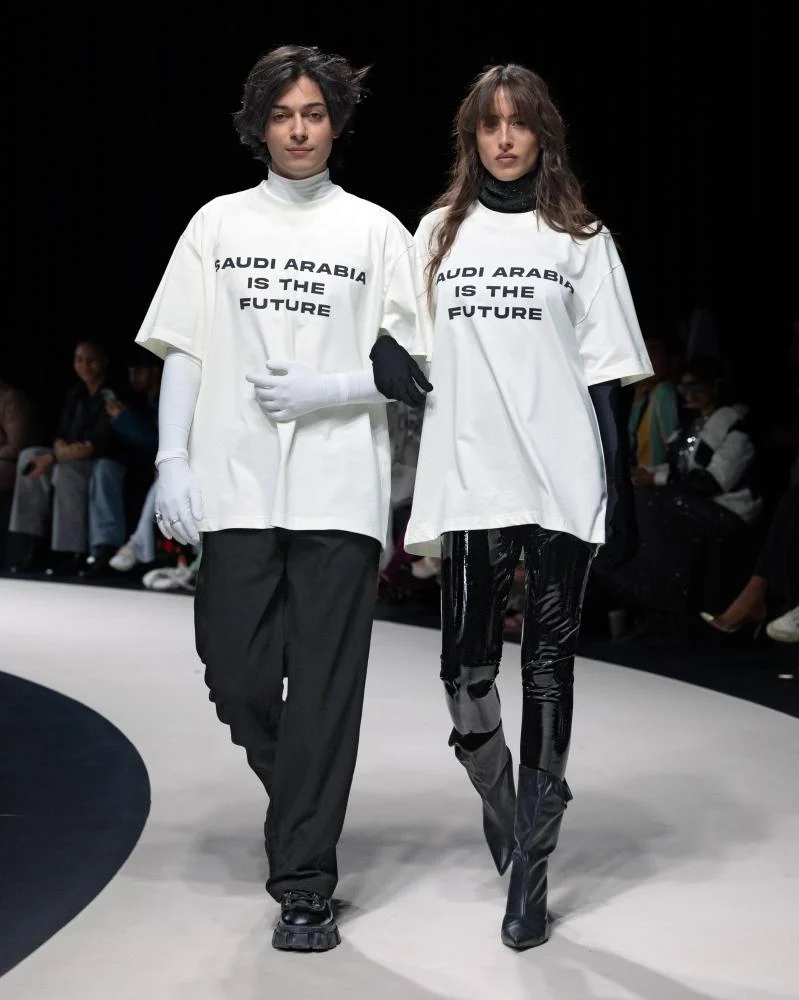
Season IV was titled Al Ula, produced in collaboration with the Winter at Tantora festival, drawing directly from the ancient civilisation and landscape of AlUla in northwest Saudi Arabia. The SS25 Petroglyphs Collection was inspired by ancient rock art, with pieces blending tradition and innovation across mohair knitwear in muted tones, opulent metallics, vibrant eveningwear, and surrealist jewellery. Season V applied the science of colour theory through mood-inducing gradients and nature-inspired motifs, while investigating what Khoja described as the deeper connections between community, family, and the natural world. His collections draw on everything from ancient petroglyphs to space exploration, always told through a lens of identity, elegance, and intention, with heritage treated not as a static reference but as a living resource for building a strong contemporary identity.
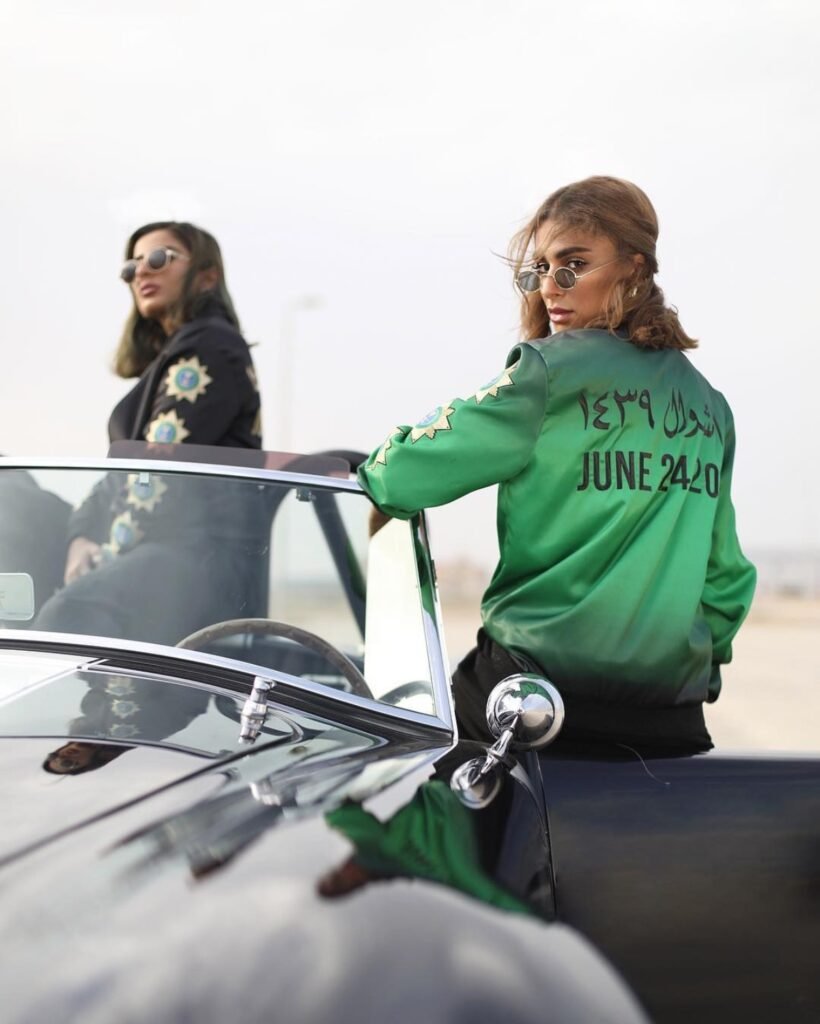
The clothes themselves are what makes all of this work. Without strong garments, the conceptual framework would be interesting but unwearable. Elaborate details, expressive prints, embroidery, and carefully selected rare fabrics carry the conceptual weight without allowing it to overwhelm the wearability, and the result is a wardrobe that rewards the person who knows the reference and functions beautifully for the person who does not.
The Museum Moments
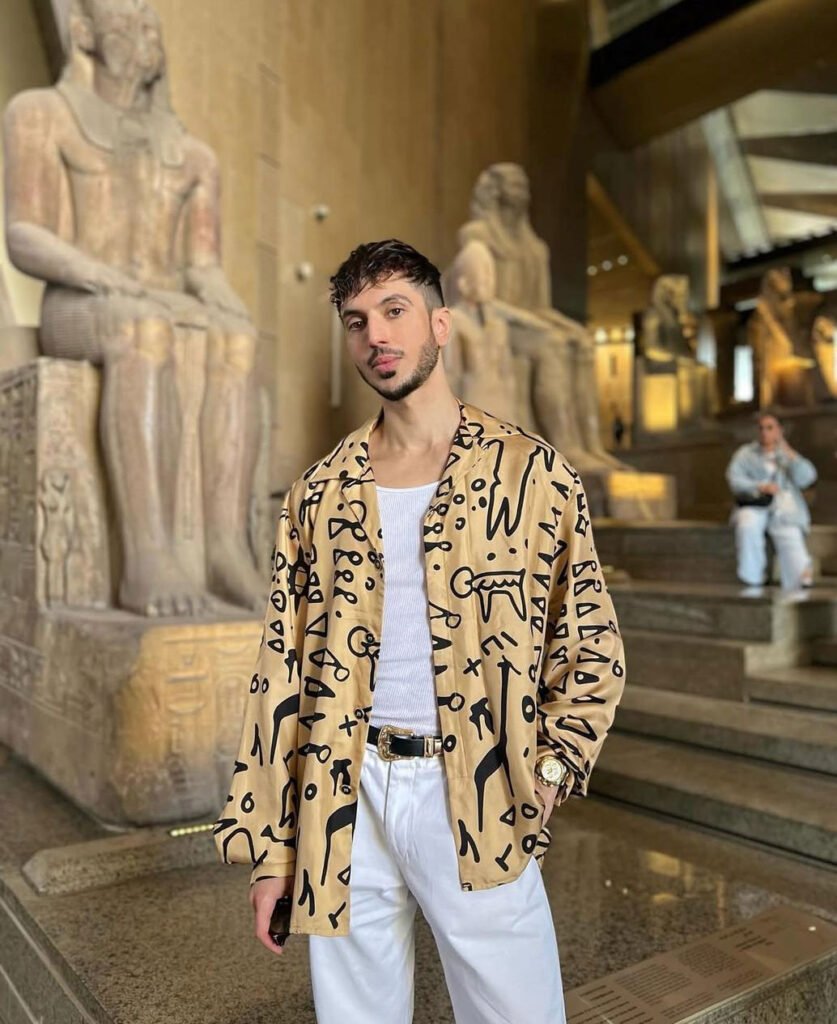
The institutional recognition has been specific and significant. A Driving Jacket from Hindamme’s 2018 collection was acquired by the Victoria and Albert Museum in London and placed on permanent display in the exhibition titled “Design: 1900 – Now,” a context that puts the jacket alongside over 250 objects including pieces by Salvador Dali and designs that span the entire history of 20th and 21st century design. Khoja described finding out about the permanent display as a surprise: he had known the V&A wanted to acquire the jacket, but had not known it would be shown. Separately, Hindamme landed a piece in the permanent collection of the Council of Fashion Designers of America museum, making Khoja one of a very small number of Arab designers represented in the permanent institutional collections of both British and American design museums.
These are not honorary plaques. They are statements about where the institutions themselves believe Saudi design belongs in the global canon of fashion history, which is to say, inside it, permanently.
What Hindamme Has Built
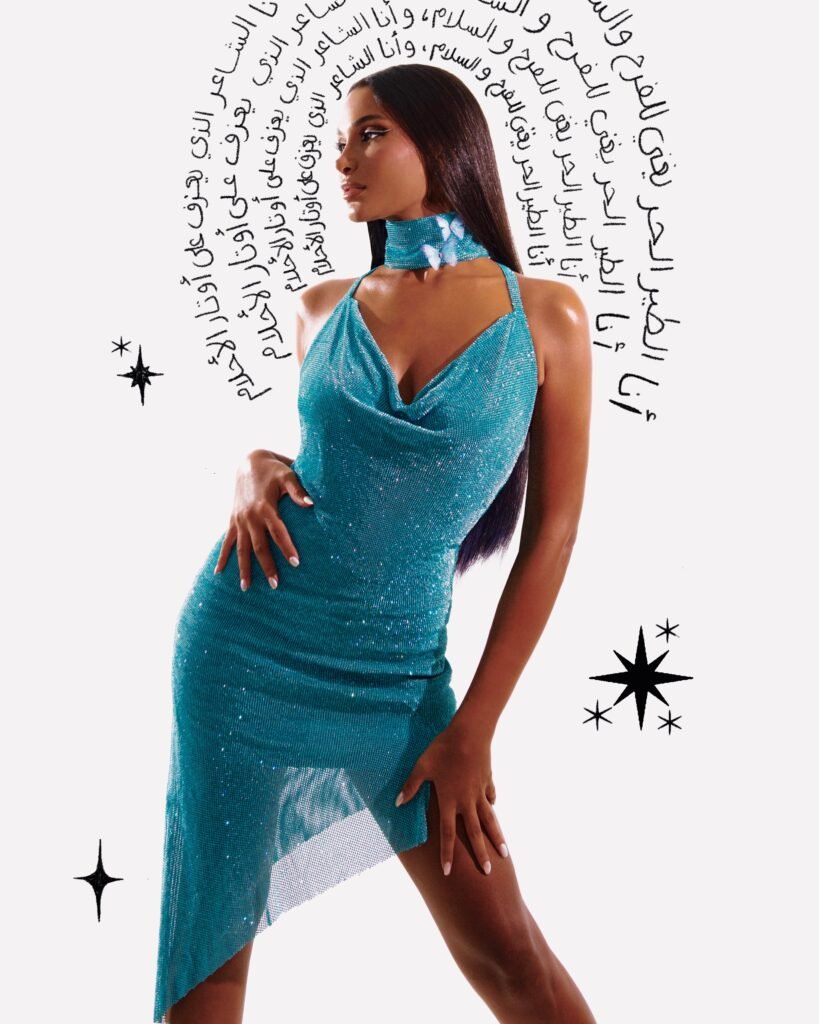
Ten years into its existence, Hindamme occupies a specific and hard-won position in the landscape of Arab fashion. Among young Saudis and Arabs, the brand holds iconic status, not just for its aesthetics but for what it represents: self-expression, autonomy, pride, and future-building, with Khoja seen as a trailblazer who paved the way for a new generation of creatives to engage with fashion as more than consumerism. That cultural weight is not manufactured; it accrued over a decade of consistent work in a market that had no template for what he was trying to build.
Hindamme has contributed to a broader cultural repositioning of the Saudi image on the global stage, providing an alternative to reductive stereotypes through the specific and carefully researched visual language of its collections. Saudi Arabia is not the backdrop for Hindamme; it is the material. And Mohammed Khoja, working between Al-Khobar and Houston and Paris and London, has spent a decade turning that material into something the V&A thought worth keeping forever.