
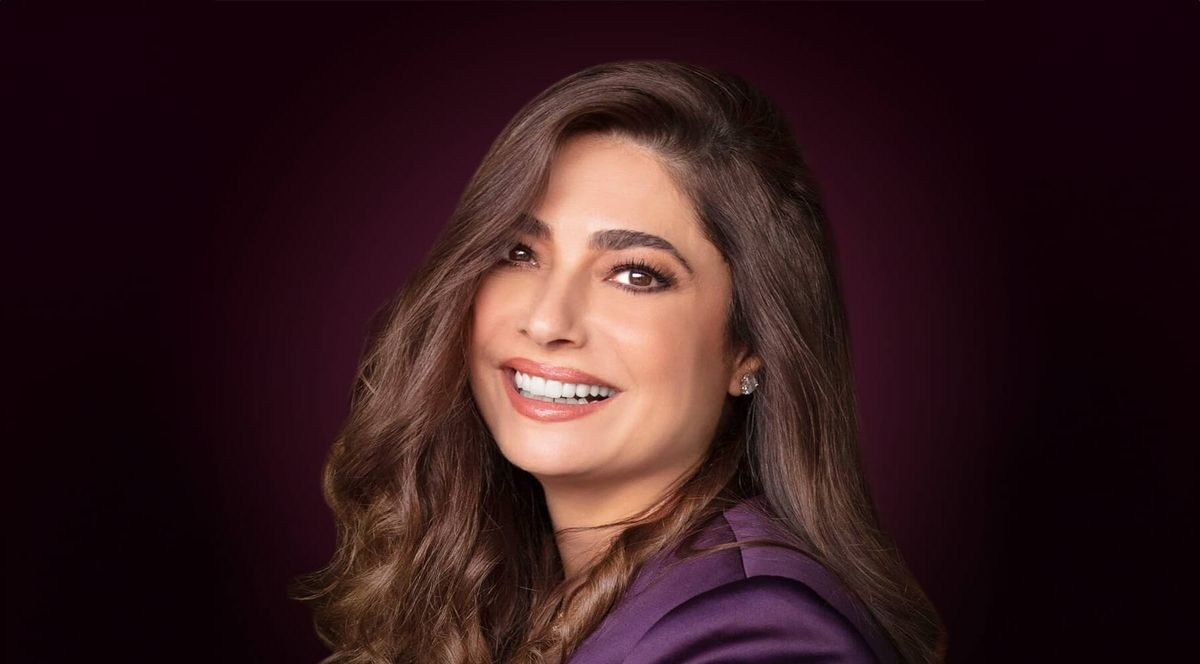
There is a version of this story that starts with the accolades, Harrods, Saks Fifth Avenue, Priyanka Chopra in a sequinned gown, the front row at Riyadh Fashion Week, and works its way backwards to make everything look inevitable. That version would be doing Honayda Serafi a serious disservice, because the truth is that almost nothing about what she built was supposed to happen the way it did, and the fact that it happened at all says more about her than any department store placement ever could.
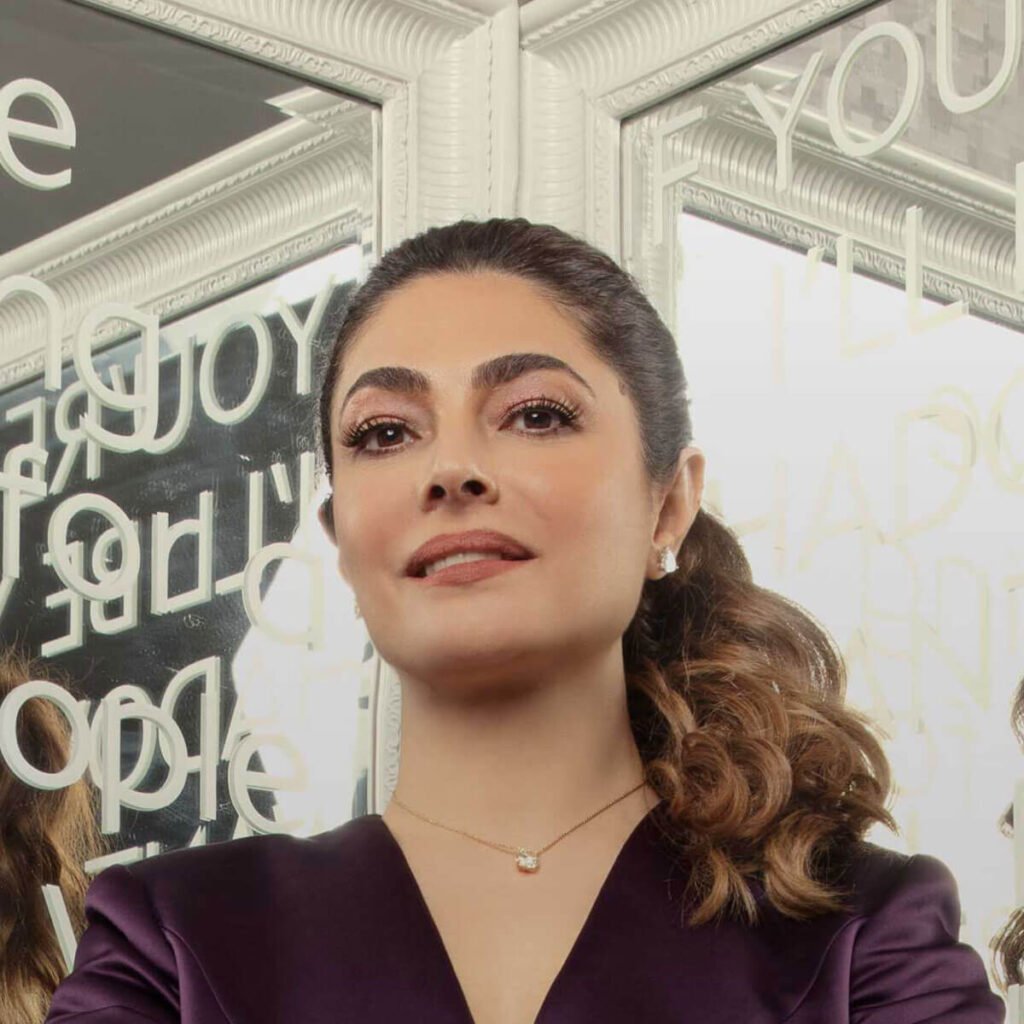
When she started the label, she had two employees, no local infrastructure to lean on, and a Saudi fashion industry that had not yet been identified as a priority in the Kingdom’s cultural or economic vision. She travelled constantly, chasing the right manufacturers, the right suppliers, the right everything, making mistakes and absorbing them and moving forward anyway. She learned the entire design and production cycle firsthand, through trial and error, because when she asked people in the industry for guidance, most of them gave her very little. Looking back now, she says that difficulty is precisely what built the brand into what it is, and you believe her, because you can see it in every collection she has made since.
Who She Is Before She Is a Designer
Honayda Serafi studied art at King Abdulaziz University in Jeddah before moving to Paris, where she immersed herself in technical design and the kind of craftsmanship that underpins everything she does today. That combination, the cultural grounding of Jeddah, the technical rigour of Paris, is what gives the brand its particular texture, the sense that it is rooted somewhere specific while speaking a language that translates everywhere. She later studied at Parsons School of Design as well, which only deepened her understanding of how fashion functions as both an art form and a global industry.
She launched the label in 2016, at a moment when, as she has said herself, nobody really believed in a Saudi woman who wanted to create a ready-to-wear brand for the international market. The assumption, she has pointed out, was that Saudi women were consumers of fashion, not creators of it. She decided, with very little fanfare, to prove that wrong.
Every Collection Tells a Woman’s Story
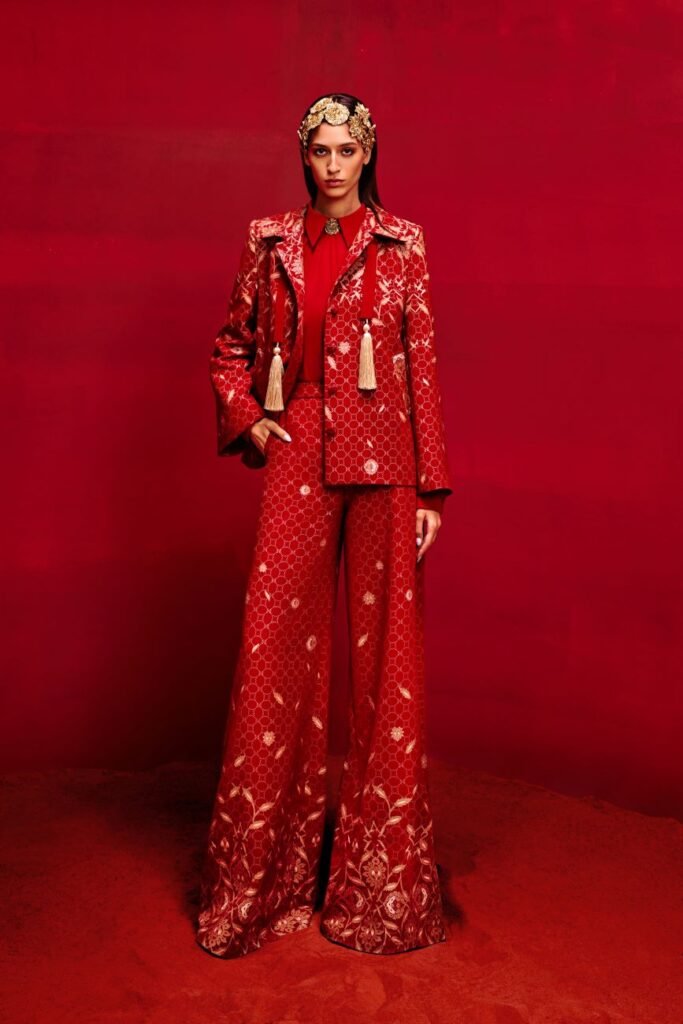
What separates Honayda from a great many contemporary luxury brands is that there is a genuine idea at the centre of everything it does, and that idea has never shifted: every collection is inspired by a woman who marked history, celebrating her strength and individuality, with meaning and symbolism injected into every design. This is not marketing language. It is the actual organising principle of the brand, and it shows.
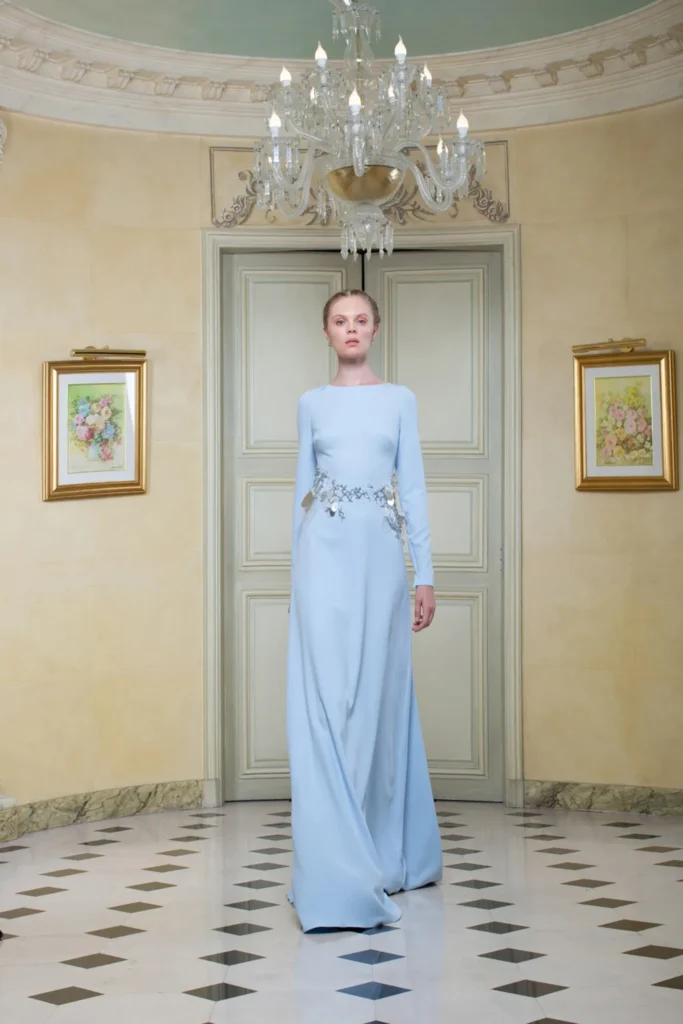
One collection honoured Ruth Bader Ginsburg and her lifelong fight for gender equality, translated into silhouettes and embroidery that carried the weight of that legacy without ever becoming literal or heavy-handed. Another was inspired by the resilience of Afghan women, which is how the A Charm from Afghan collection came to be, the very collection that Harrods chose when they decided to stock a Saudi designer for the first time in their history. The Cosmos collection, which launched at Riyadh Fashion Week and later landed at Saks Fifth Avenue, was inspired by the women who paved the way for Rayyanah Barnawi, the first Saudi female astronaut, with a colour palette of purple, blue, and silver that referenced the horizon, the moon, and the stars.
The through-line in all of it is not aesthetics, though the aesthetics are consistently beautiful; it is intention. Honayda Serafi builds collections the way a writer builds essays: with a subject, a point of view, and something she actually wants to say.
The Milestones That Mattered
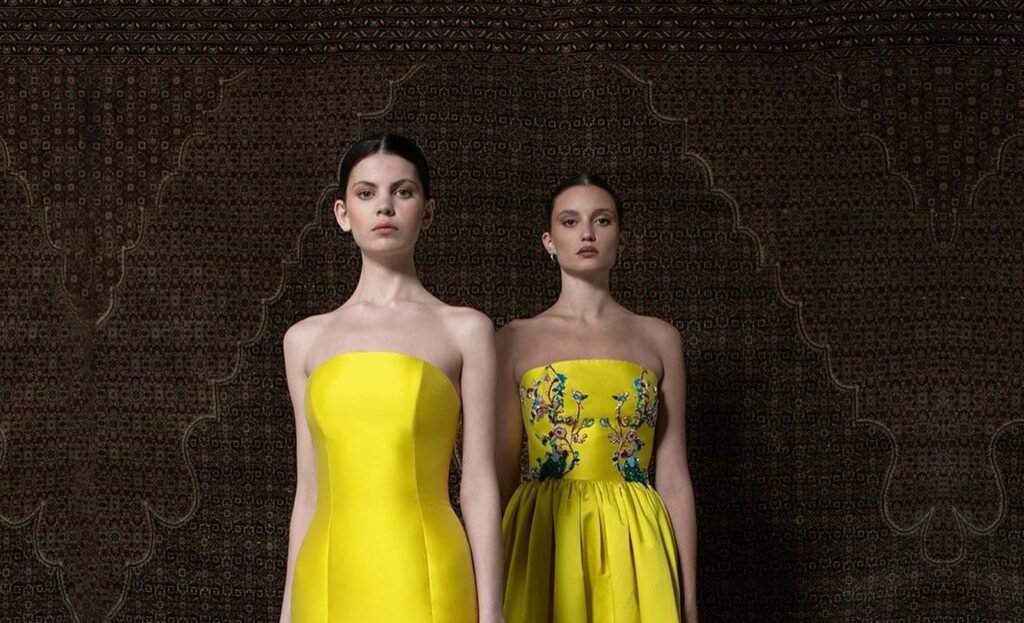
In 2022, Honayda became the first Saudi designer to showcase a collection at Harrods in London, a moment that landed differently than most fashion milestones because it was not just a commercial achievement but a cultural one, proof that a woman from Jeddah who had started with two employees and no industry support could walk into one of the world’s most prestigious retail institutions and belong there completely.
Two years later, she became the first Saudi woman designer to be stocked at Saks Fifth Avenue in New York, the first female-owned Saudi brand to appear in the American luxury institution’s history. Two cities, two firsts, and in both cases, the collections that got her there were the ones most deeply rooted in the stories she cares about, not the ones designed to travel, but the ones designed to mean something.
Along the way, the celebrity dressing followed naturally: Priyanka Chopra Jonas, Lupita Nyong’o, Adriana Lima, and Nicole Scherzinger have all worn the brand, each of them drawn to a designer whose clothes feel like they were made with a specific woman in mind, because they always are.
What the Brand Actually Stands For
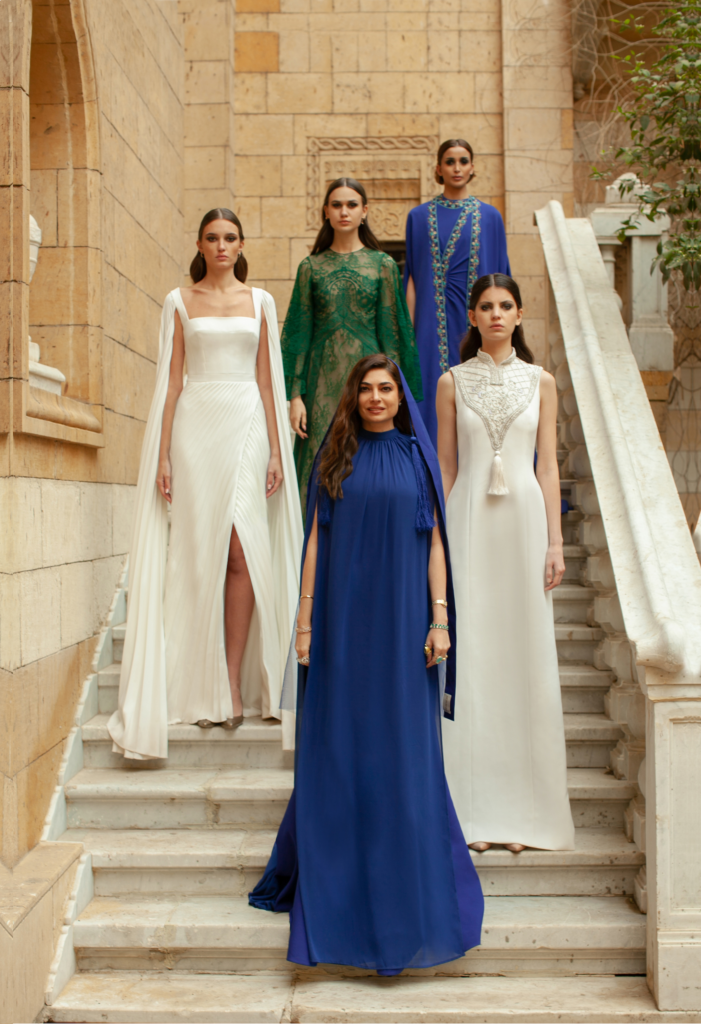
There is a sentence from Serafi that keeps staying with me, something she said about her early years in the industry: that she struggled, that she relied on herself only, and that she believes that is exactly what made the brand what it is today. It is such a particular kind of confidence, not the confidence of someone who was always certain they would succeed, but the confidence of someone who has been tested at every stage and came through it with their vision entirely intact.
She has since launched NGOs and educational initiatives in Saudi Arabia to support aspiring designers, and during the pandemic, she launched the Sketch & Give campaign, rooted in the belief that a business should have a social impact as well as a commercial one.
Honayda is a Saudi brand, built by a Saudi woman, telling women’s stories through clothes, on the floors of Harrods and Saks and Riyadh Fashion Week simultaneously. That it exists at all is remarkable. That it is this good is something else entirely.