
From architectural tailoring in Riyadh to Paris Fashion Week, a new generation of designers is transforming the traditional thobe into a contemporary expression of identity, craftsmanship, and modern menswear.
The thobe has never needed a revival. Across the Gulf, it remains an essential part of everyday dressing and cultural identity. However, contemporary designers are reconsidering how the traditional garment can evolve through modern fashion.
Today, the transformation goes beyond fabric choices or decorative details. Designers are experimenting with proportions, construction, layering, and volume. Some introduce structured shoulders and contemporary outerwear, while others reinterpret traditional garments through unconventional silhouettes.
This movement reflects a wider shift in Middle Eastern menswear. Rather than treating heritage as something to preserve unchanged, designers are using it as a foundation for new creative possibilities.
KML: Taking Saudi silhouettes to Paris


Few labels illustrate this shift as clearly as Saudi brand KML. Founded by siblings Ahmed and Razan Hassan, the label approaches menswear through research into cultural memory, historical clothing, and contemporary construction.
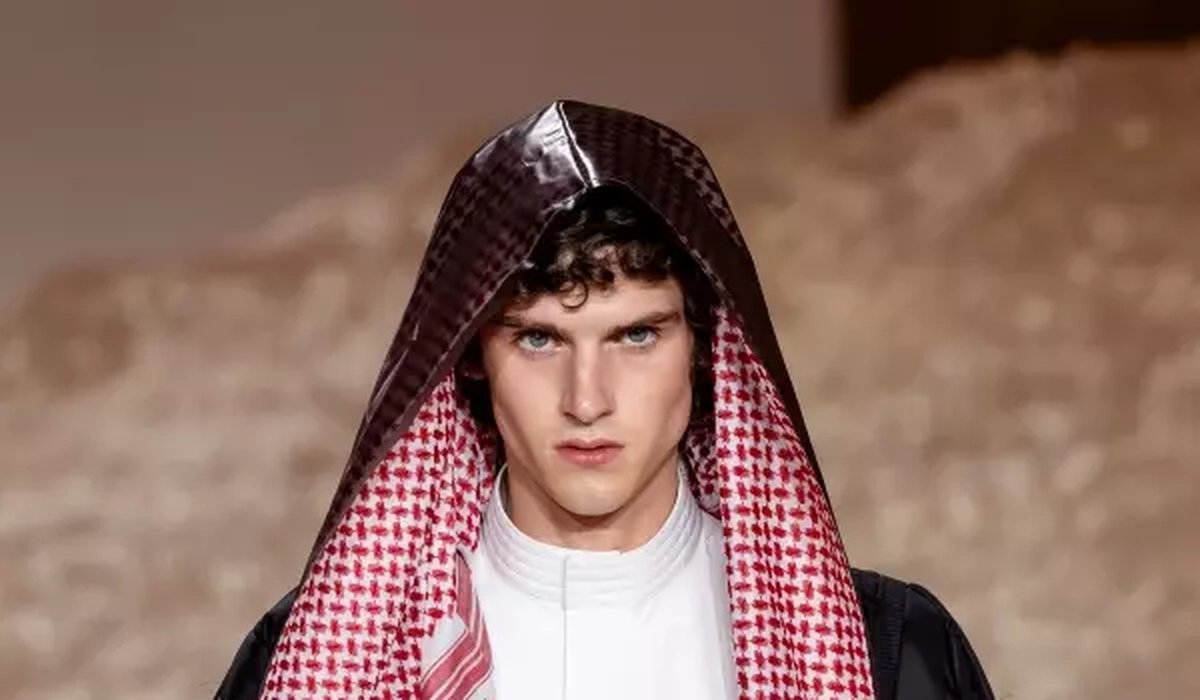
In January 2026, KML presented its Fall/Winter 2026–27 collection during Paris Fashion Week. The presentation took place at the Institut du Monde Arabe, marking a significant international milestone for the Saudi label.
The collection reinterpreted traditional silhouettes through wrap constructions, asymmetry, and elongated proportions. Its designs included structured wrap tops, robe-like coats, and flowing skirts. Leather belts also referenced traditional accessories worn by Bedouin men.
Ahmed Hassan’s architectural background influences the label’s approach to structure and proportion. The result balances fluidity with precise construction, creating garments that move beyond conventional menswear categories.
KML’s international presentation also marked a milestone for Saudi ready-to-wear fashion. The label became the first Saudi ready-to-wear brand included on Paris Fashion Week’s official calendar.
Lomar: Reworking the traditional thobe
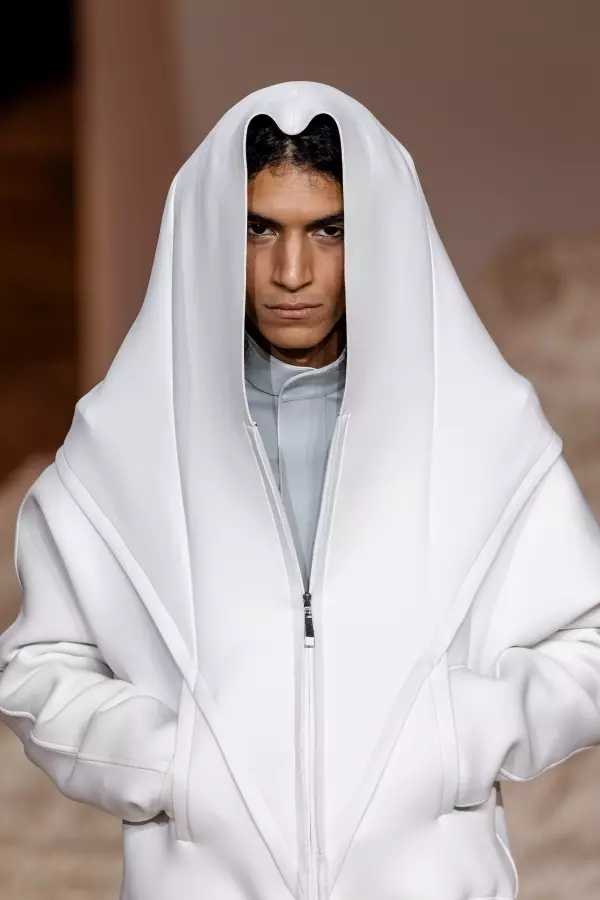
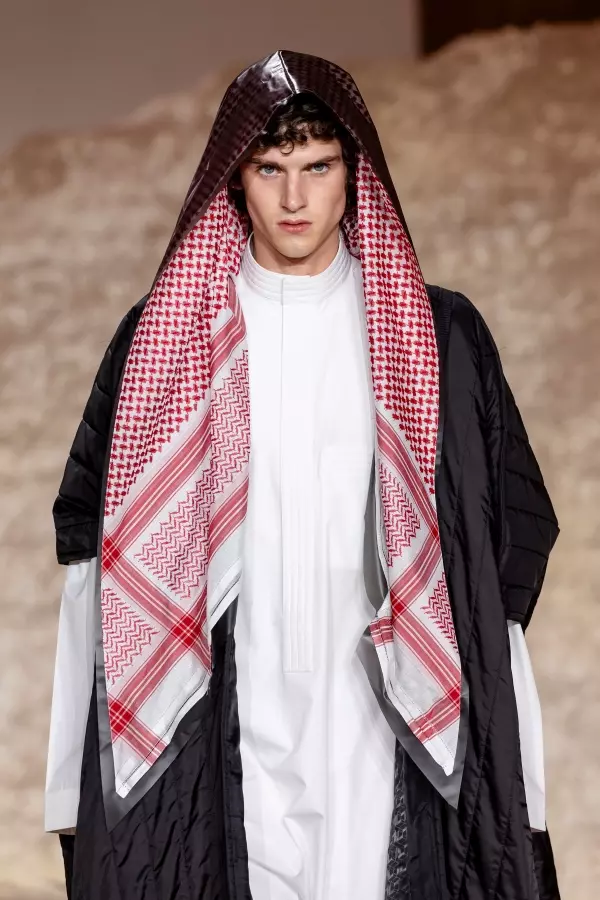
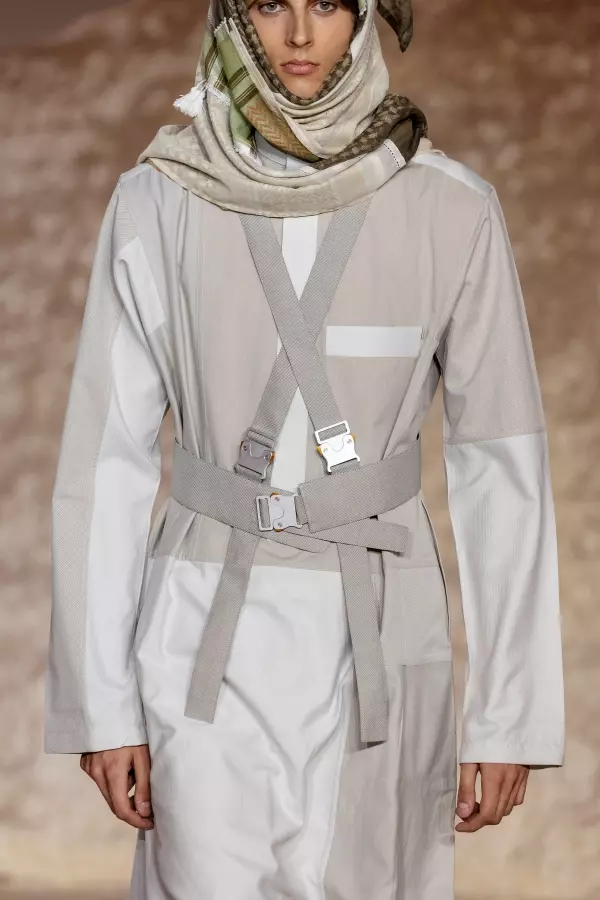
Saudi menswear label Lomar has explored the relationship between traditional dress and contemporary fashion for years.
During Riyadh Fashion Week, the brand presented reinterpretations that combined thobes with modern tailoring and streetwear elements. Its collection introduced fitted turtlenecks beneath long robes, button-down jackets, and sporty belt details.
Under the creative direction of Christophe Beaufays, the designs also incorporated geometric patterns inspired by traditional Najdi architecture.
The collection explored different fabrics for different occasions. Lighter cotton pieces addressed warmer weather, while heavier materials offered options for winter dressing.
This approach demonstrates how designers can change the thobe’s visual language without abandoning its familiar construction.
Mihyar: The architecture of everyday dressing


Mihyar offers another perspective through its emphasis on minimalist design and refined tailoring.
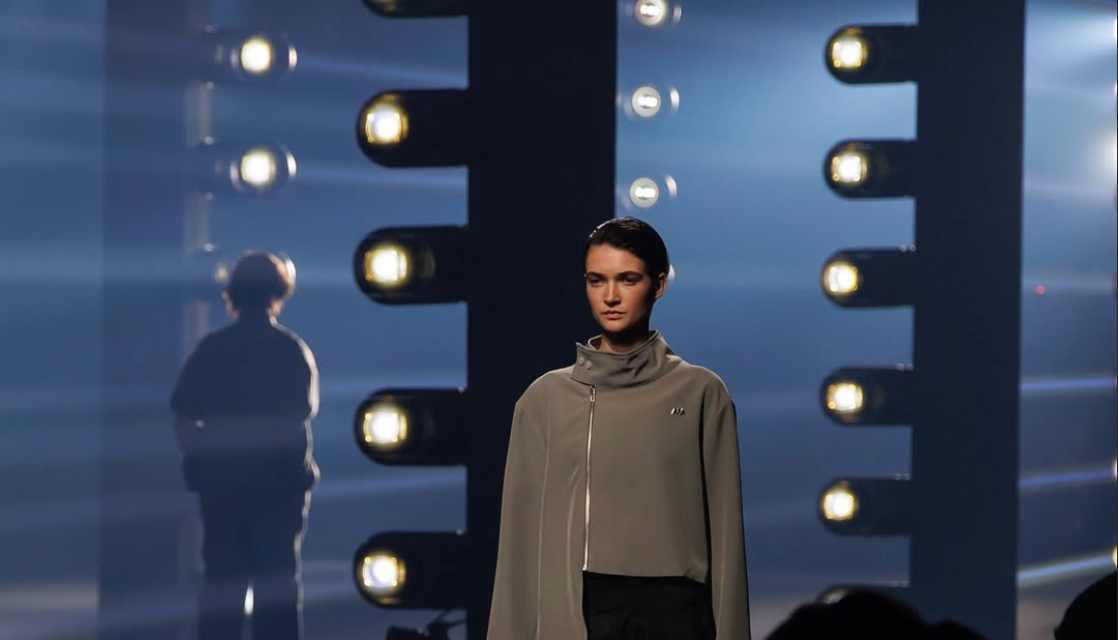
At Riyadh Fashion Week 2025, the Saudi menswear label presented a collection that explored contemporary interpretations of traditional attire. Its approach focused on clean cuts, organic textiles, and adaptable everyday pieces.
The collection treated the thobe as a flexible design language rather than a fixed uniform. Subtle adjustments to proportion and structure created a contemporary appearance without relying on dramatic transformations.
This restrained approach also reflects changing expectations around luxury menswear. Craftsmanship, fit, fabric, and versatility can communicate sophistication without excessive ornamentation.
Beyond the traditional silhouette
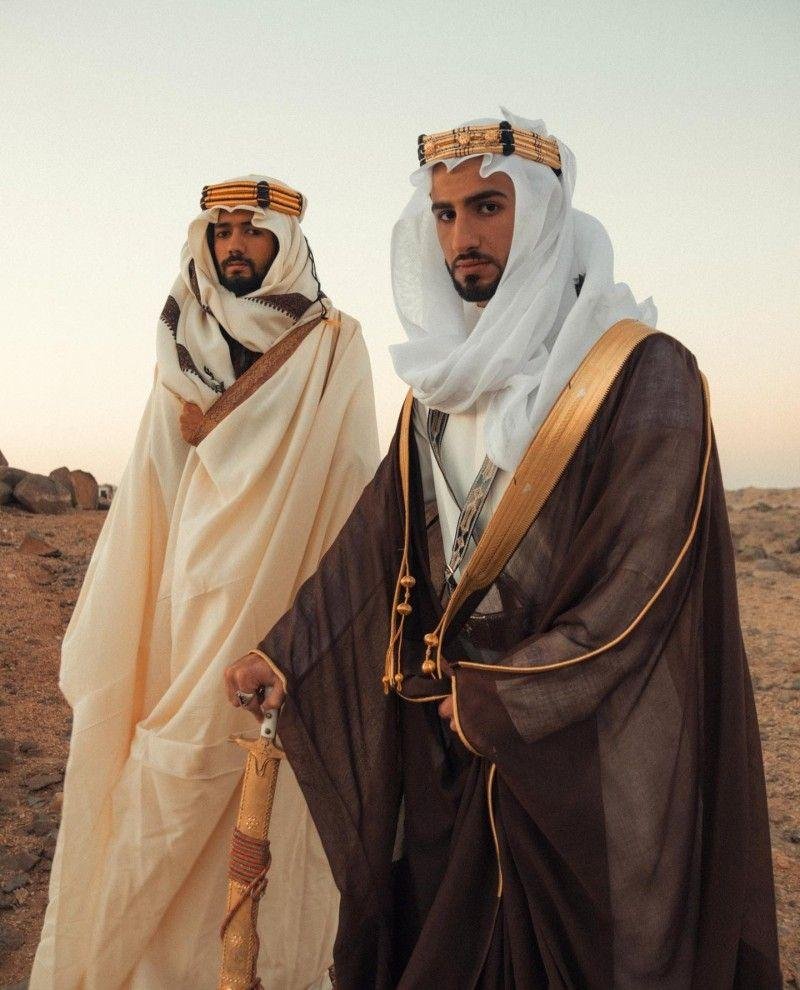
The modern thobe’s evolution forms part of a larger conversation about Middle Eastern menswear. Designers increasingly explore how cultural references can inform international fashion without becoming decorative stereotypes.
Saudi labels such as KML and Lomar demonstrate different approaches to this relationship. One explores architectural construction and unconventional proportions, while the other connects traditional dress with contemporary everyday styling.
Their work also raises a wider question about fashion’s relationship with cultural identity. Does a traditional garment need to retain its original silhouette to preserve its meaning?
For these designers, the answer lies in interpretation rather than imitation. The thobe can change through experimentation while maintaining its connection to the people and traditions that shaped it.
As regional designers enter international fashion conversations, the garment offers more than a distinctive runway reference. It presents an opportunity to introduce a different design vocabulary into global menswear.
The modern thobe is not a departure from tradition. It is evidence that tradition can continue to develop through the hands of contemporary designers.