
There is something rather peculiar about the internet’s latest obsession with millennial optimism. Across TikTok, old photographs, forgotten fashion trends, indie playlists, and seemingly ordinary moments from the late 2000s and early 2010s are making a comeback. Suddenly, everyone wants a piece of an era that feels almost impossibly distant. Even those who were too young to remember it seem to miss it.
But what exactly are we missing?
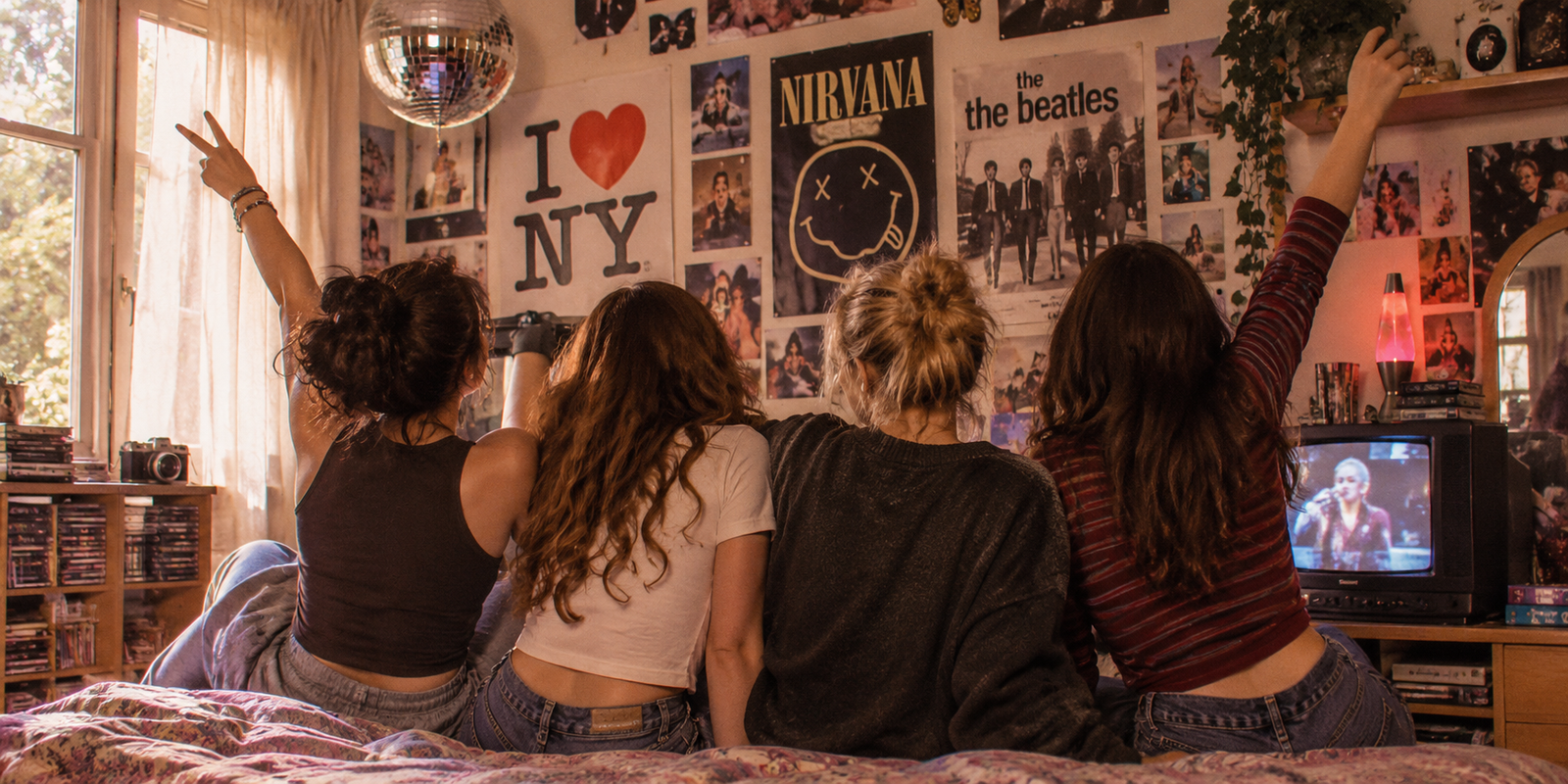
Perhaps it’s the wild fashion sense, the music, the messy bedrooms, the colorful photographs, and the unapologetic enthusiasm for life. Or perhaps it’s something much harder to put into words. They had a certain way of looking at the world. Believing that things would eventually fall into place. Approaching life with an almost unreasonable amount of hope.
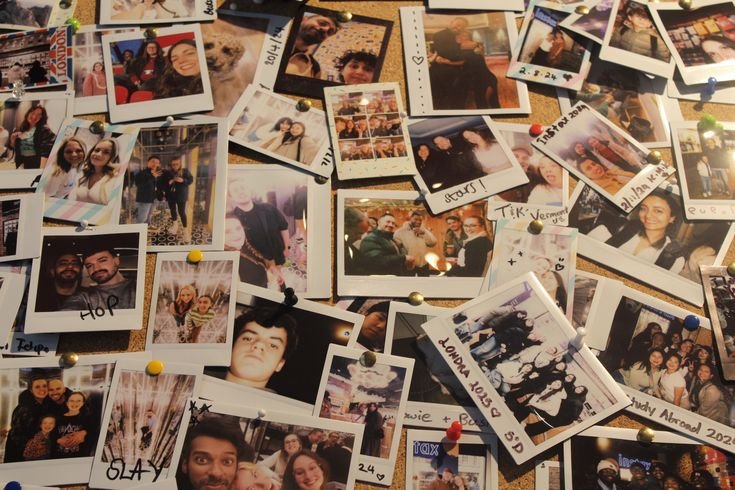
Millennial optimism has become a sort of cultural phenomenon. It represents a time when young people seemed less concerned with how they were perceived. They dressed for themselves, took embarrassing photographs, and made questionable fashion choices. Pretty much, they documented their lives without giving every little detail a second thought. There was something wonderfully unfiltered about it all.
And yet, we can’t help but wonder: Were millennials really that optimistic, or were they simply doing their best to make it through life?

Because, if we look beyond the carefully curated nostalgia, things weren’t necessarily perfect. Millennials experienced heartbreak, financial uncertainty, depression, loneliness, and all the usual anxieties of growing up. They weren’t strangers to difficult times. Perhaps their optimism wasn’t a reflection of how happy they were. Perhaps it was a coping mechanism. A little hope they held onto while waiting for tomorrow to be kinder.
Maybe that’s what makes the trend so interesting. It isn’t necessarily about a generation that had everything figured out. It’s about a generation that hadn’t quite learned to stop dreaming.
Of course, the world itself felt different. Technology was advancing, but it hadn’t completely taken over our lives. Smartphones were becoming popular, yet they weren’t the extensions of ourselves they are today. Cars didn’t need a million features to get us from one place to another. Social media existed, but it hadn’t yet turned every ordinary moment into an opportunity for public scrutiny.
You could go out wearing something ridiculous, take a terrible photograph, and enjoy your evening without wondering how many people would judge you for it. It was possible to go through an awkward phase without worrying about the audience. Back then, changing your appearance, your interests, or even your entire personality didn’t need an explanation.
There was a certain freedom in being young and figuring things out privately.
Today, however, growing up feels like an entirely different experience. We’re constantly exposed to other people’s lives, achievements, appearances, relationships, and seemingly perfect routines. There is always someone doing better, looking better, travelling further, or achieving more. Even our attempts to disconnect can become another thing to document.
Perhaps that’s why millennial optimism feels so appealing to younger generations. Gen Z grew up watching those colorful, carefree versions of young adulthood from a distance. For Gen Z, these were the years spent watching Zooey Deschanel make quirky, whimsical fashion look effortlessly cool. They grew up seeing Taylor Swift evolve from a curly-haired country singer into a global pop sensation. And of course, they witnessed the rise of One Direction and Harry Styles, while Tumblr aesthetics, indie music, oversized sweaters, colorful tights, and bedroom posters shaped the world they once dreamed of growing up in.
For many of them, this wasn’t adulthood. It was something they were waiting for.
They imagined growing up and becoming those people. They wanted the freedom, the confidence, the seemingly endless possibilities. Now that they’ve grown up, they find themselves looking back at an era they barely experienced and feeling nostalgic for it.
And perhaps a little envious, too.
Interestingly, not everyone who actually lived through that period remembers it fondly. Some millennials look at their old outfits, hairstyles, Facebook statuses, and Tumblr posts with an overwhelming sense of embarrassment. Others would happily return to those days, even if only for an afternoon.
But maybe that’s the beauty of nostalgia. It doesn’t always ask whether something was objectively good. Sometimes, it simply reminds us of a feeling we didn’t know we would miss.
And perhaps we should be careful not to mistake the aesthetic of an era for the reality of living through it. The past wasn’t free of problems. It just didn’t come with a constant digital reminder of everyone else’s problems, too.
We don’t think millennials were necessarily happier. Maybe they were allowed to be young in a different way. Hope didn’t need an explanation, and being cringe didn’t come with the fear of a stranger turning an embarrassing moment into a viral video ten years later.
So, what was millennial optimism about exactly?
Maybe millennial optimism wasn’t about believing that life was wonderful. Maybe it was about believing that it could be.
And if there’s one thing worth borrowing from that era, it’s probably that.
So, here’s to the questionable side bangs, the skinny jeans, the colourful bedrooms, the dramatic Facebook statuses, the endless Taylor Swift playlists, and the people who thought Harry Styles was going to marry them.
You might cringe at your younger self today. But somewhere, a Gen Z kid is looking at your old photographs and wishing they could have been you.
And honestly? That’s quite lovely.