
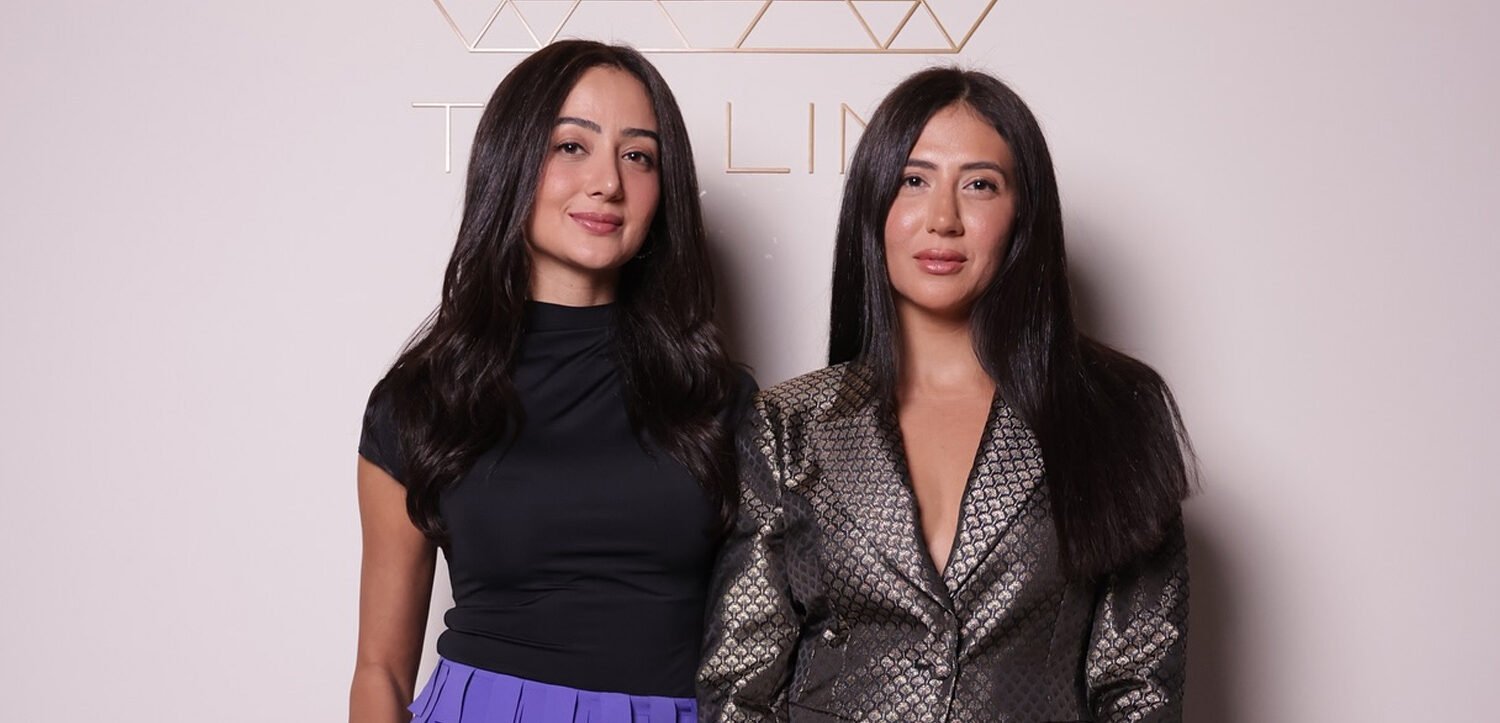
In 2013, Aya and Mounaz Abdelraouf looked at the global luxury accessories market and identified something that should have been obvious to everyone else: the Middle East was one of the world’s largest consumers of luxury handbags, and almost none of the bags being sold there reflected the region’s own visual identity, history, or craftsmanship. They wanted to build a brand that reflects their DNA, strong, design-driven accessories that carry an authentic Arab point of view. So they built one. They called it Okhtein, Arabic for two sisters, and launched it in Cairo with a first collection drawn entirely from the Fatimid Dynasty. In less than a year, the brand had gained recognition throughout the MENA region and Europe. That was not luck. It was the result of a very clear idea executed with precision.
Where It Started
Born and raised in Cairo, Aya and Mounaz were shaped by a deep connection to culture, art, and design from an early age. The more specific origin story involves their grandmother’s closet, a space filled with outfits from the 1950s, 60s, and 70s, each piece carrying its own history. “My first fashion memory was just sitting with our grandmother. She had this closet where she kept everything. We would spend hours with her as she spoke about her vintage eyewear, sharing where she had worn each piece, and somehow making us feel as if we were right there beside her in those moments,” Mounaz recalled. The idea that objects carry memory, that what a woman chooses to carry says something real about who she is, became the philosophical core of the brand before the brand even had a name.
The sisters had been entrepreneurs long before they knew what the word meant. As children, they were already starting small businesses together, designing charms and selling them by the beach. Later, Mounaz began creating and selling her own bookmarks as art pieces. The instinct to make and sell things was there from the beginning.
The Design Language
Their first collection was called “Fatimid Facades,” drawing from the architectural details of Old Cairo, palmette flowers, domes, and fortresses. Every bag name came from a specific architectural element. That approach, treating Cairo’s history as a living design archive rather than a dusty reference, defined everything that followed. The brand draws from art history and cultural memory, building accessories that speak to a contemporary Arab audience without flattening or exoticising the source material.
Each piece is handmade. That is not a marketing position; it is a structural commitment that shapes every production decision the brand makes. Okhtein works closely with local artisans and female-led initiatives to preserve traditional techniques while creating new opportunities. The craft is not incidental to the product. It is the product.
Collections have moved through Egyptian, Arab, and Islamic history with range and confidence. The AW20 “Hotel Victoria” collection addressed the period of British occupation, drawing from Victorian architecture and the cultural collision it produced. The collection fused modern-day designs with old-world aesthetics, with Aya and Mounaz describing it as a narrative about the time Egypt was occupied by Britain, and the strength reflected in the defined shapes and Victorian architectural beauty mirrored in each piece. More recently, the equestrian collection “The Fifth Wind” was launched through Egypt’s first fashion-led Arabian horse dressage experience, the kind of activation that only makes sense for a brand that treats its context as part of the work.
The Celebrity Moment and What It Meant
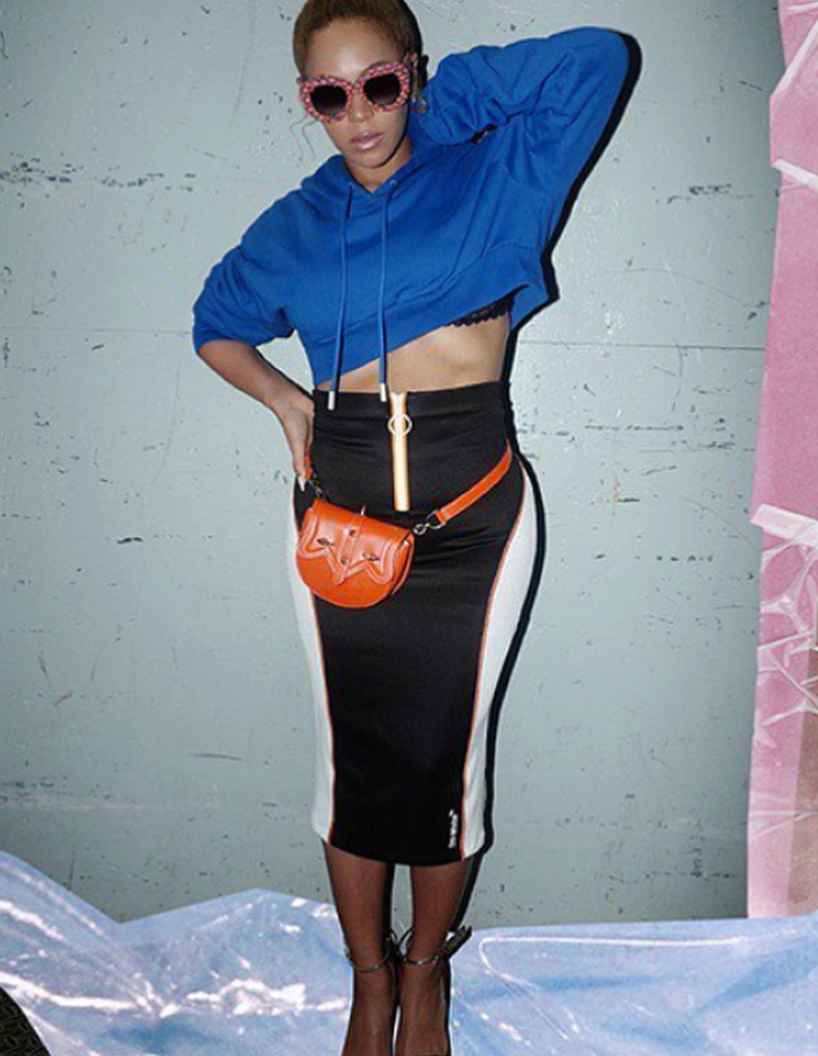
The turning point for Okhtein’s international visibility came when Beyoncé posted images on Instagram wearing their belt bag. In a matter of minutes, the post garnered millions of likes, and international followers flooded the brand’s account. The model sold out. It was a validation that the market had been waiting for a brand exactly like this, it just needed to see it in the right hands. Beyoncé was not the only one. Rihanna, Gigi Hadid, and Emma Watson have all been photographed with Okhtein pieces. The celebrity endorsements, the sisters have said, helped open doors to major stockists and investors worldwide. But the brand’s foundations were built before any of that happened.
Building the Physical World
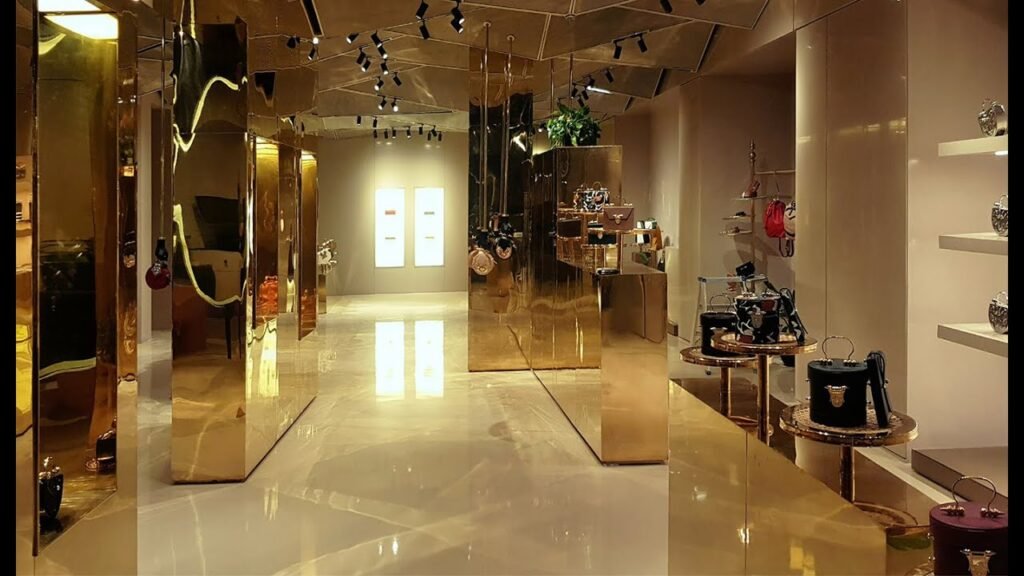
In 2020, the sisters opened their Cairo flagship. In 2024, they opened their first GCC boutique at Dubai’s City Walk. A Riyadh location at Kingdom Mall followed. The brand has also had placements at Harrods and Selfridges in London, two of the world’s most selective retail environments for independent designers. The sisters’ mission received further validation in 2021 when the business received external investment, providing the capital base to expand without losing control of the brand’s direction.
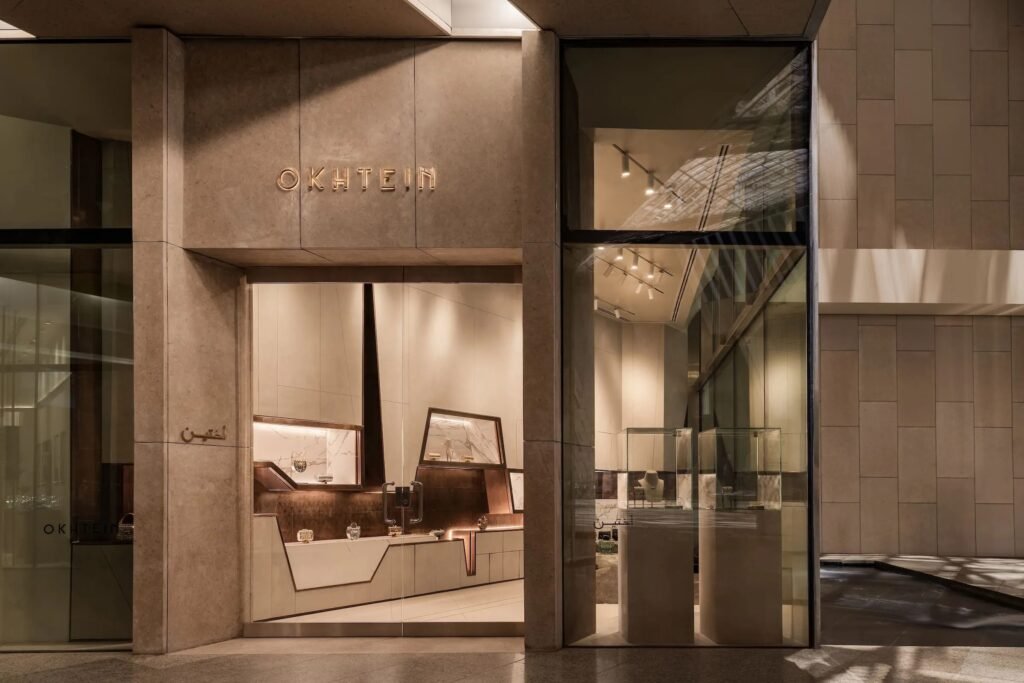
The Grand Egyptian Museum became another key location, not just commercially, but symbolically. A Cairo brand rooted in Egyptian history, selling inside the world’s largest museum dedicated to that history, is not a coincidental placement. It is a statement of intent.
The Bespoke Service
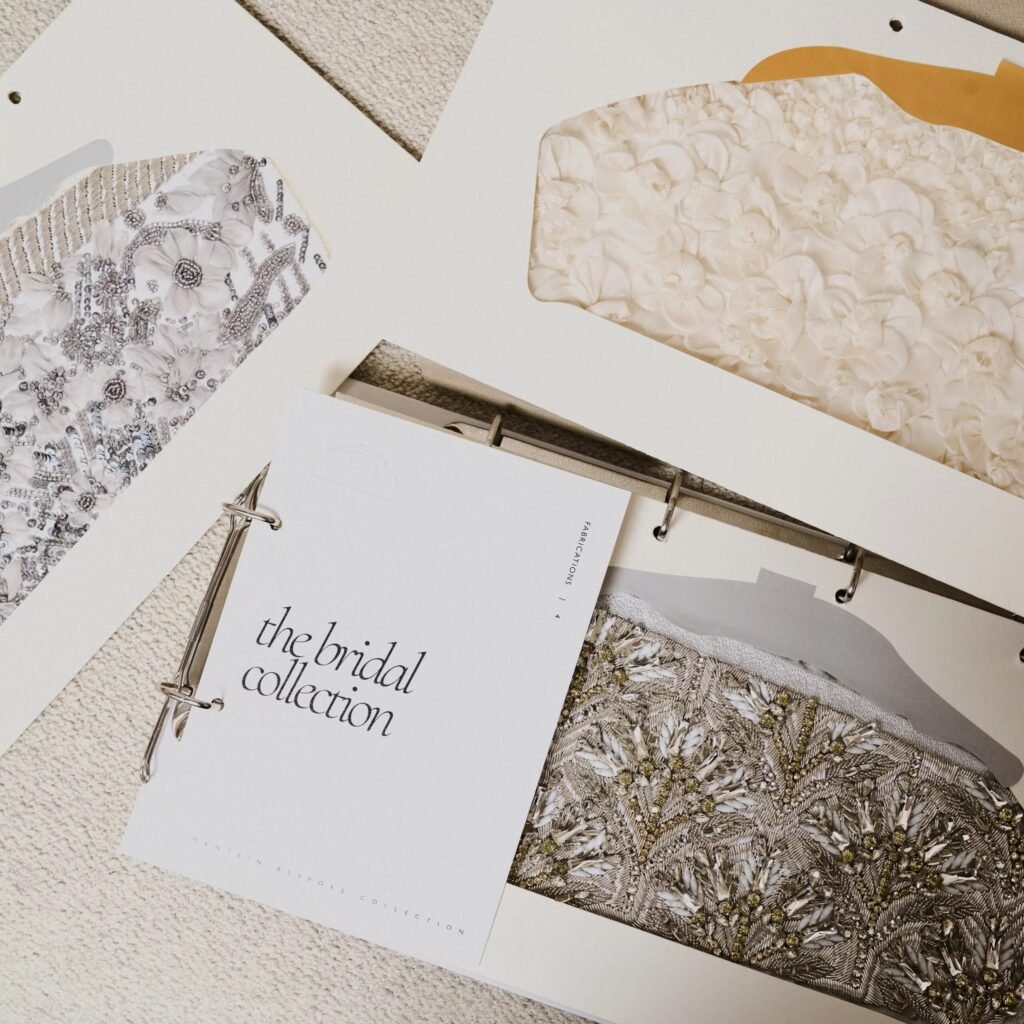
In 2026, Okhtein launched a bespoke service at its Dubai City Walk and Riyadh Kingdom Mall flagships, offering clients the opportunity to co-create bags directly with Aya and Mounaz themselves. The service runs across two catalogues, Bridal and Evening, and covers hand-embroidered fabrics, Swarovski crystals, glass beading, bullion stitching, brass coins, and intricate metalwork. The sisters sketch each piece by hand, guiding clients through the creative journey and translating ideas into form. Every bag is finished with a custom monogram engraved inside. The bespoke service is available by private appointment only.
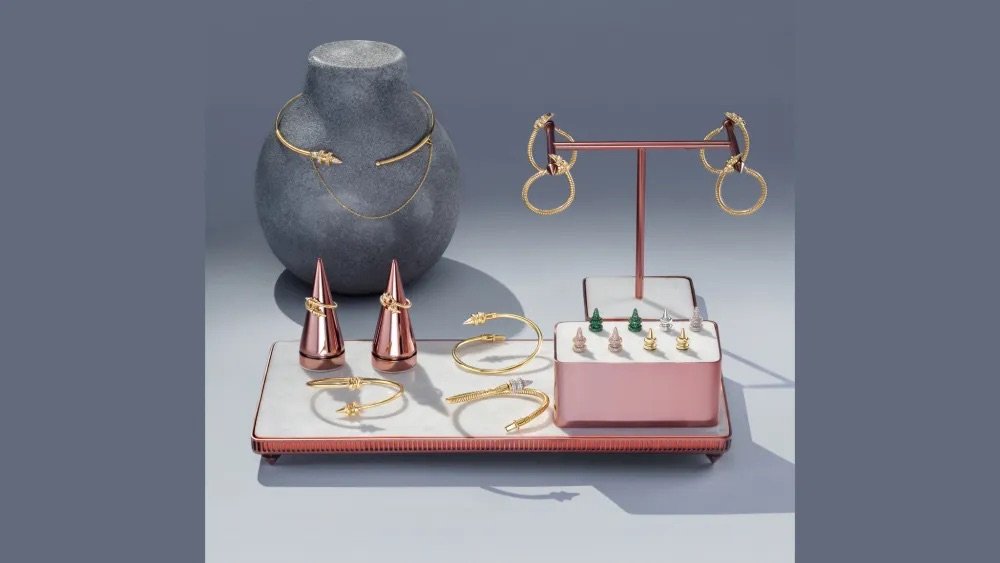
It is the logical conclusion of everything the brand has argued since 2013: that the most meaningful luxury is not the rarest material or the most recognisable logo, but the object that carries a specific person’s story. The brand’s fine jewellery line, launched in 2023 and available through the Grand Egyptian Museum and the Dubai flagship, extends that argument further, with pieces like the Bond ring in 18-karat gold set with diamonds or emeralds, and the Snake Rod choker, a collar in textured gold, both recasting ancient Egyptian motifs in contemporary fine jewellery.
What Okhtein Has Actually Built
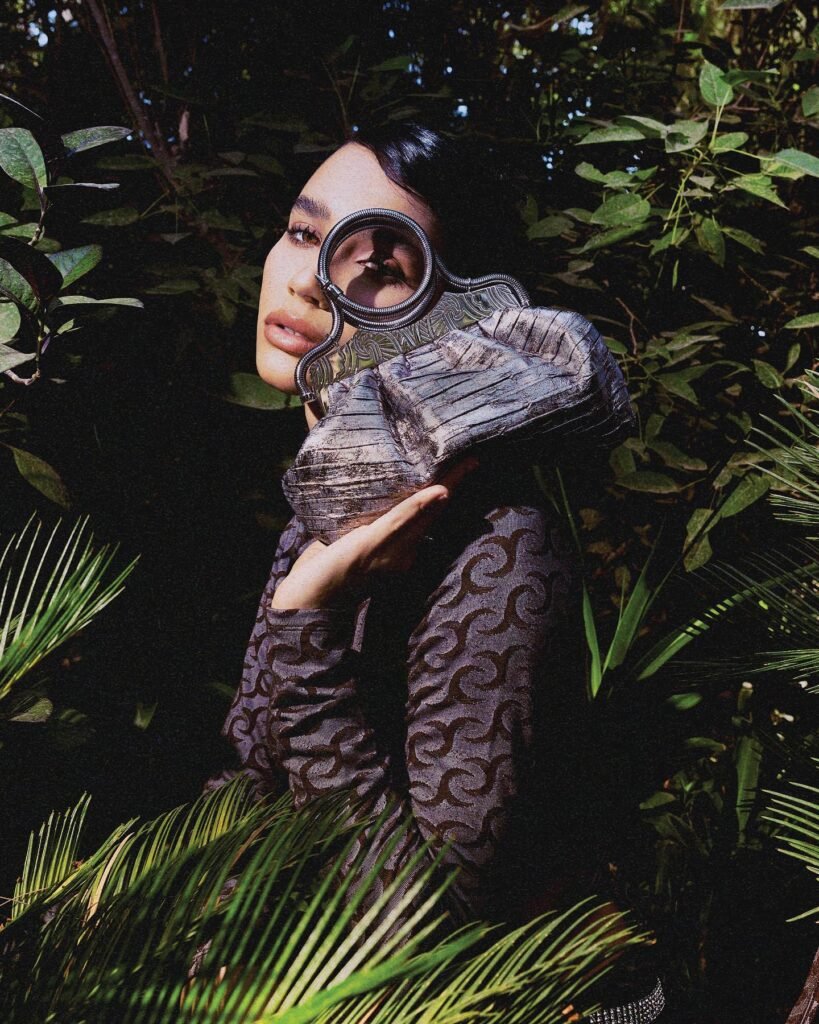
Twelve years in, Okhtein is not a brand that happened to get famous because the right person wore the right bag at the right moment. It is a brand that built a coherent identity, rooted in Egyptian craft, driven by design rigour, and consistent in its argument that Arab heritage is not a niche selling point but a global design language, and then earned its visibility. Beyoncé wearing the belt bag accelerated the conversation. The conversation was already worth having.
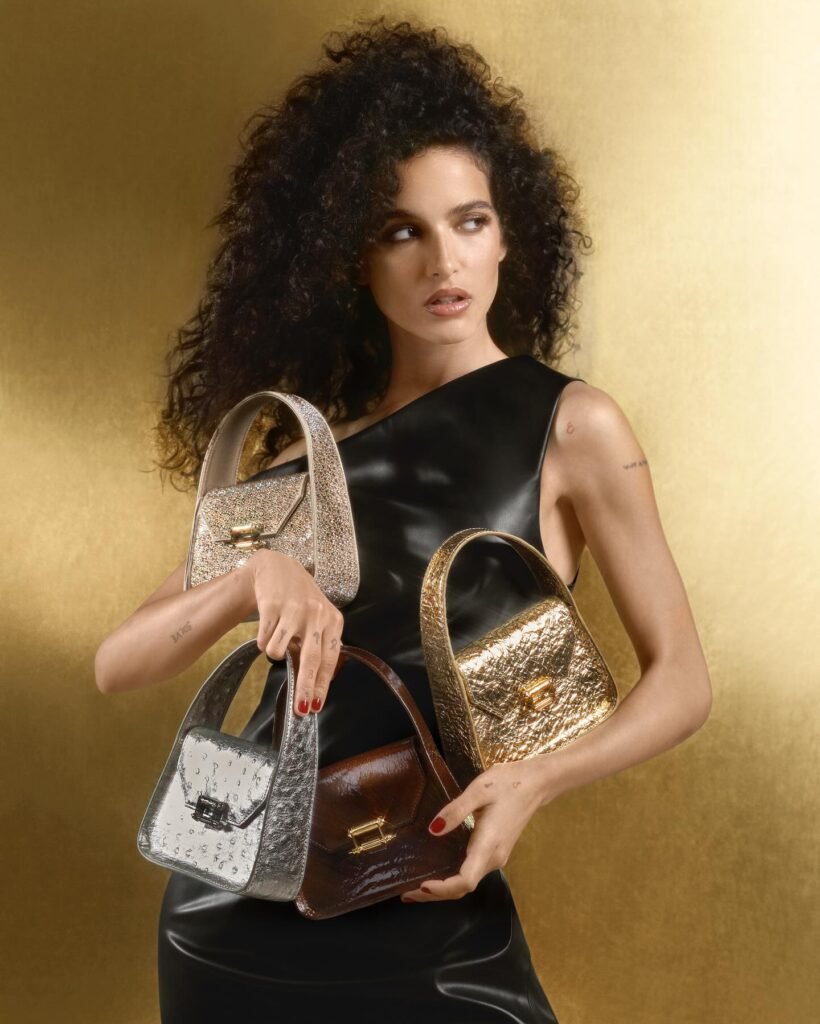
“We always wanted to build something that would last,” Aya has said. “It starts with being seen. Arab designers deserve space on the global stage.” Okhtein has claimed that space. The work now is holding it, and by all evidence, that is exactly what the sisters intend to do.