
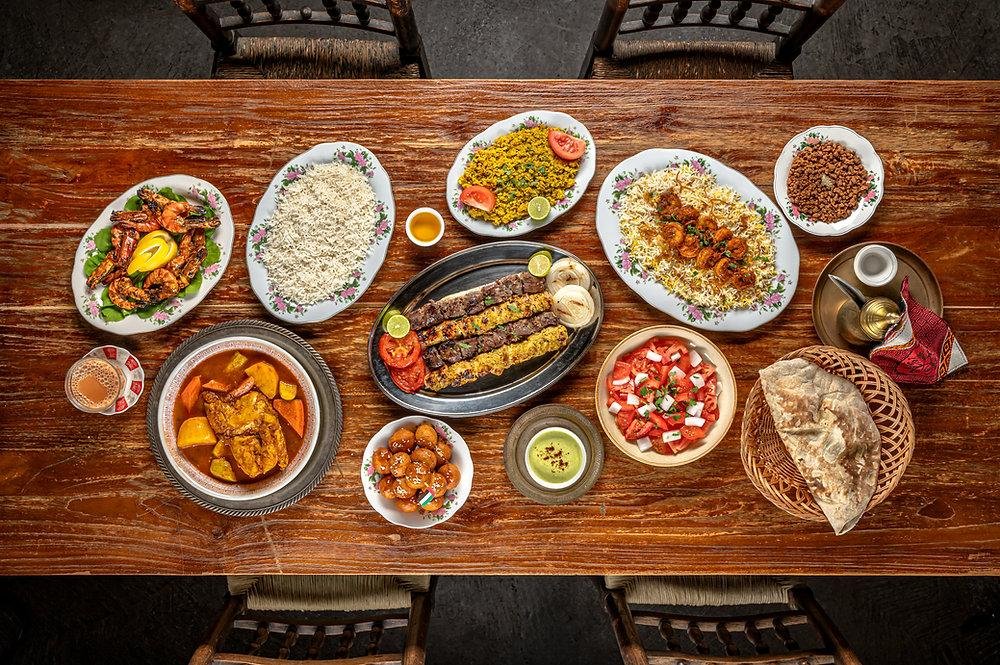
Food has always carried stories beyond the ingredients on a plate. In the UAE, recipes preserve memories of family gatherings, hospitality, trade, and everyday life. For generations, much of this culinary knowledge passed through home kitchens, often without written recipes or formal documentation.
Today, a new generation of Emirati culinary voices is bringing those traditions into the public dining scene. Some are documenting recipes before they disappear. Others are reinterpreting familiar ingredients through contemporary techniques, unexpected combinations, and new dining concepts.
Their approaches differ, but they share a common interest: making Emirati food more visible while keeping its cultural identity intact.
Sahar Parham Al Awadhi: Reimagining the Familiar
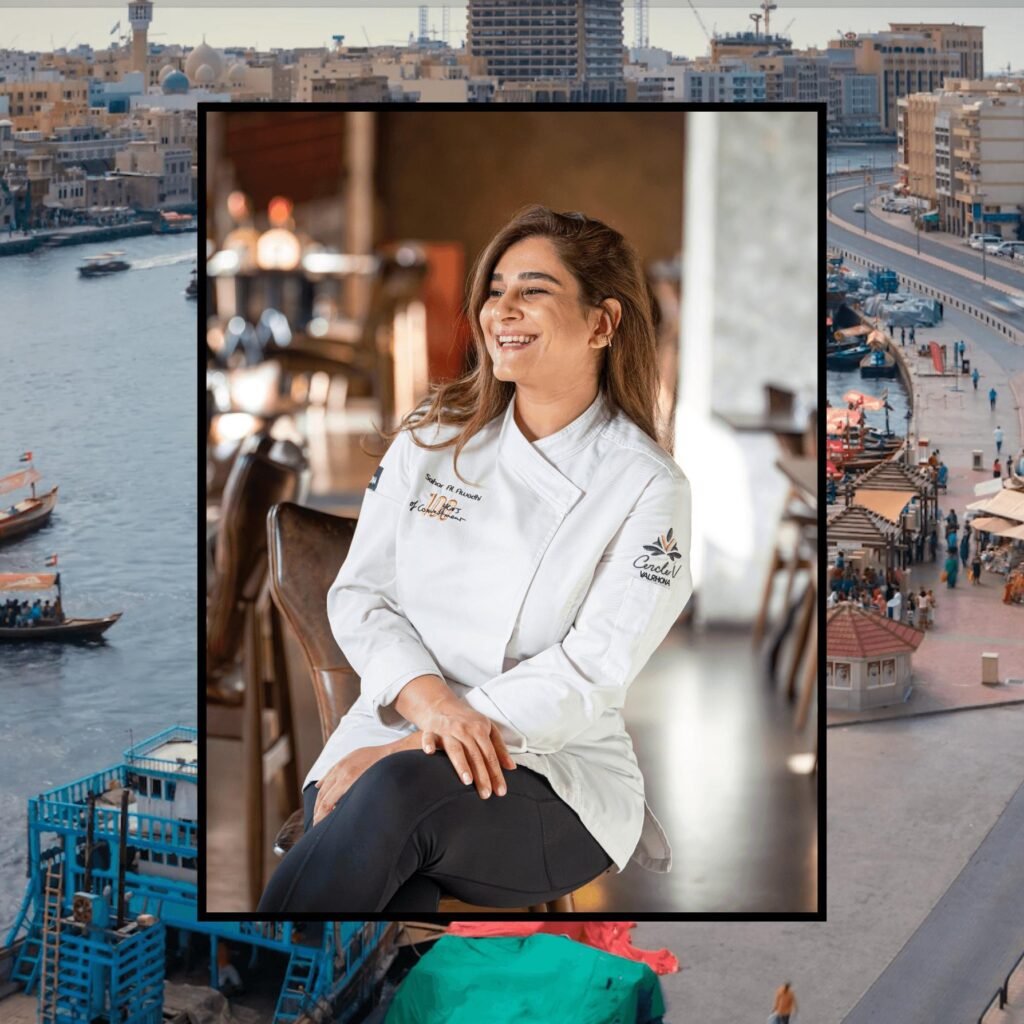
For Emirati chef Sahar Parham Al Awadhi, the future of local cuisine begins with understanding its past. Her concept of New Emirati Cuisine places traditional dishes within a contemporary dining experience.
In 2025, Al Awadhi opened Abra at Dubai’s Etihad Museum. The restaurant explores the relationship between heritage and modern culinary expression. It draws inspiration from the traditional abra boats that once connected communities across Dubai Creek.
Her approach doesn’t abandon familiar flavors. Instead, she explores how presentation, technique, and ingredients can introduce them to new audiences.
Dishes such as margooga, thareed, machboos, and jarish remain central to that experience. Her interpretation of margooga, for example, highlights the texture of bread softened inside a spiced stew. Dried lime, known as loomi, adds the distinctive citrus depth associated with Emirati cooking.
Previously, Al Awadhi served as head pastry chef at Jumeirah Burj Al Arab. Her experience across international kitchens informs her precision, but her cooking remains connected to home.
Abra represents a wider ambition: presenting Emirati cuisine as a dining experience in its own right.
Nabhan Al Ali: Protecting the Recipes of Home
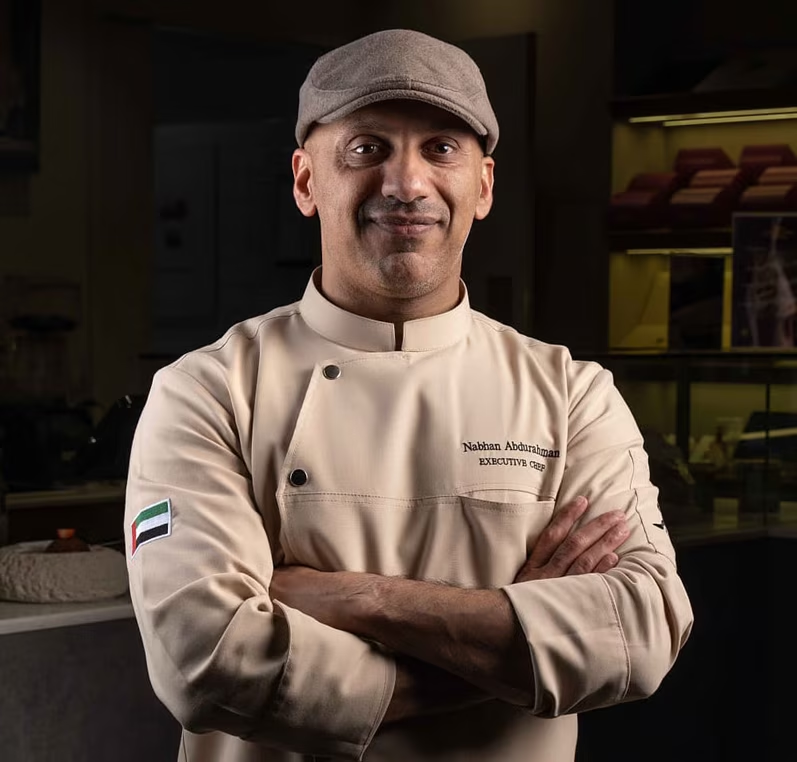
For chef Nabhan Al Ali, preserving Emirati cuisine starts with listening. His work looks beyond restaurant menus and toward the families who have safeguarded traditional recipes for generations.
As he traveled across the Emirates, Al Ali noticed how rarely dedicated Emirati dishes appeared in restaurants. He began visiting older Emirati women, learning their methods, and documenting their family recipes.
He also invited some of these women into his kitchen. Their knowledge helped him understand the details behind each dish, from spice combinations to traditional cooking techniques.
His work now informs ATHAR by Qlab at City Centre Mirdif. The restaurant draws on familiar spaces of Emirati life, including the family table, the majlis, and the traditional dekka. Its signature dishes include majboos, chicken madrooba, and balaleet.
Al Ali’s ambition extends beyond the restaurant. He is developing a digital recipe collection supported by artificial intelligence. He also wants to establish guidelines that help more people understand and prepare Emirati dishes.
For him, preservation means making traditional knowledge accessible to future generations.
Maitha Warshaw: Taking Emirati Flavors Beyond the Restaurant
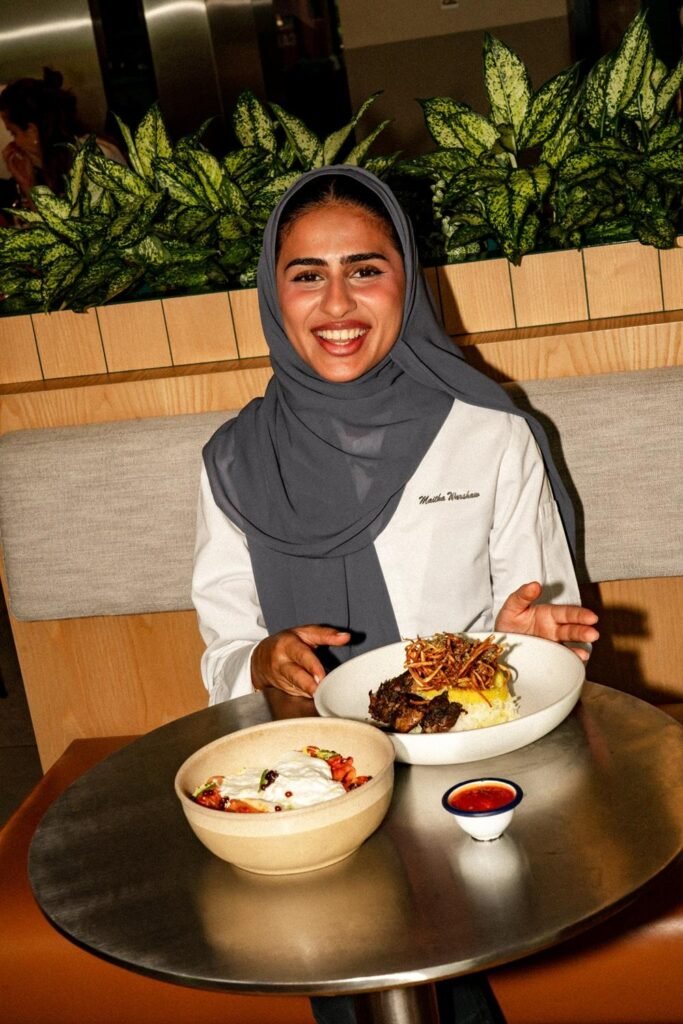
Not every expression of Emirati food culture needs to begin with a traditional restaurant. Chef Maitha Warshaw demonstrates how familiar flavors can reach people through everyday dining experiences.
Her work on the Etihad Rail menu brings Emirati culinary references into a setting shared by passengers traveling between Dubai and Abu Dhabi.
The menu draws on ingredients such as dates, saffron, cardamom, local honey, and Arabic coffee. It also incorporates loomi, harees, and other familiar flavors into contemporary dishes.
One decision reveals her broader understanding of local food culture. Warshaw initially questioned whether paratha belonged on the menu. She eventually included it because of its place in everyday life across the UAE.
The combination of paratha and karak reflects a familiar morning ritual for many residents. It may not be exclusively Emirati, but it forms part of the country’s contemporary food culture.
Her approach recognizes that culinary identity also develops through shared habits and experiences. It doesn’t remain limited to recipes considered traditional.
Al Hassan Al Falasi: Childhood Memories, Reworked
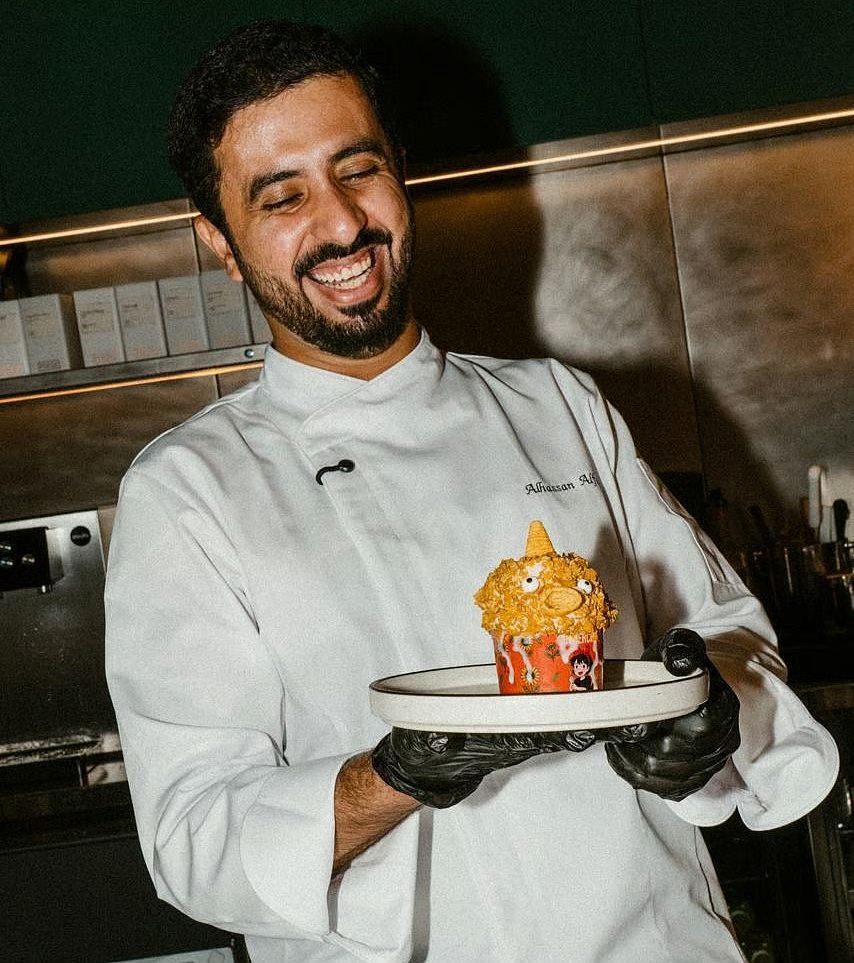
For Al Hassan Al Falasi, dessert offers another way to preserve cultural memory. His concept, Inner Child, transforms familiar flavors and childhood associations into contemporary sweet creations.
Based in Dubai’s Al Khawaneej area, the baking and dessert concept explores nostalgia through texture, flavor, and presentation.
Al Falasi approaches traditional Emirati desserts by identifying their defining ingredients and techniques. He then rebuilds those elements through modern culinary methods.
The intention isn’t to remove the identity of a familiar dessert. Instead, he aims to retain its essential character while introducing a different experience.
His philosophy adds another perspective to the city’s evolving food culture. Heritage doesn’t only live in elaborate meals or traditional family gatherings. It can also appear in the small pleasures associated with childhood, celebrations, and coffee-table rituals.
Through Inner Child, Al Falasi treats dessert as a form of storytelling, one that connects personal memory with contemporary creativity.
Maitha and Abdulrahman Al Hashmi: A New Generation of Culinary Experimentation
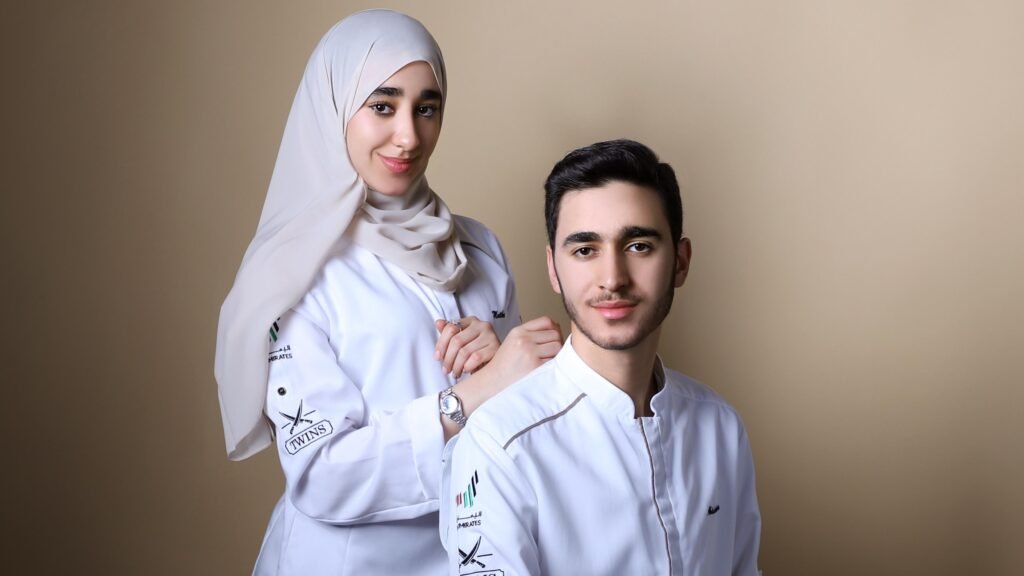
Emirati twin chefs Maitha and Abdulrahman Al Hashmi are exploring how traditional ingredients can move into unexpected formats.
Their work combines familiar Emirati flavors with international techniques. Their creations include harees-inspired arancini, majboos lobster ravioli, and aseeda transformed into tarts and gelato.
They have also developed two concepts of their own: Savor by Twins and Napoli by Twins. The former explores Emirati-inspired gelato flavors, including karak, saffron, and rahash. The latter brings local and regional ingredients into Neapolitan-style pizzas.
A date and chami cheese salad created with Barakat offered another example. The dish combined traditional ingredients with a contemporary presentation, highlighting their versatility.
Their work has also reached larger audiences through collaborations. In 2026, they joined an Emirati chef collaboration with THEATRE by VOX Cinemas.
The twins bring a youthful perspective to the conversation around culinary heritage. Their work suggests that traditional ingredients can remain recognizable while finding new forms.
Zainab Al Mousawi: Turning Local Ingredients into New Concepts
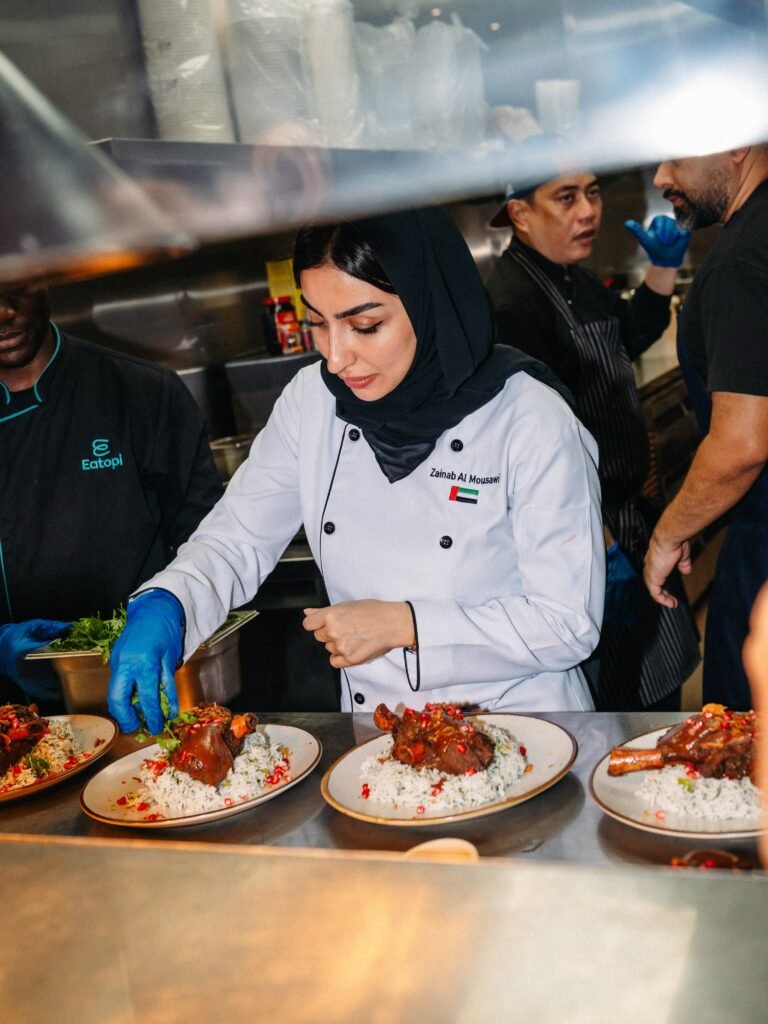
The wider movement also includes Emirati culinary entrepreneurs building independent food concepts.
Zainab Al Mousawi, founder of To The Moon & Back, offers one example. Her concept explores contemporary interpretations of Emirati ingredients and flavors.
Her work gained further visibility through the 2026 expansion of The Emirati Chef’s Table. The initiative, developed by Dubai SME and Kitopi, supported 12 Emirati culinary entrepreneurs across three months.
Al Mousawi’s menu featured dishes such as loomi ribeye, date-braised lamb, hammour fritters, and Emirati panna cotta. These combinations brought local ingredients into a contemporary dining format.
Her participation reflects an important part of Dubai’s culinary landscape. Independent founders can use food platforms to test ideas, build audiences, and introduce new interpretations of local cuisine.
It also shows how Emirati food entrepreneurship now extends beyond conventional restaurant ownership.
A Cuisine Still Finding Its Voice
These chefs don’t represent one single definition of Emirati cuisine. Their work reflects different relationships with tradition, from documenting family recipes to experimenting with contemporary formats.
That diversity is part of what makes Dubai’s dining scene interesting. Its culinary identity continues to develop through established restaurants, independent concepts, pop-ups, and collaborations.
Yet the strongest projects share one important quality. They understand that heritage needs more than recognition. It needs people who continue to cook, document, reinterpret, and share it.
The flavors of the Union live in those connections. They belong to the kitchens that preserved them, the chefs who are giving them new visibility, and the next generation discovering them for the first time.