

There’s always an unspoken sensitivity surrounding the subject of marriage. Some people will confidently argue that 25 is the perfect age to get married. Others might have a rather different opinion, insisting that nobody should consider marriage before reaching the ripe age of 35. And the thing is, neither side is necessarily wrong. There probably isn’t one right answer to this question. Yet, so many factors influence what the right answer might look like for each person.
In a world where everyone seems to have an opinion about when we should settle down, marriage has somehow become another milestone to achieve on schedule. Get married before 30, and you’re considered lucky. Reach 35 without a ring, and suddenly, people start asking questions. But who decided that love should follow a timetable?
Perhaps the more interesting question isn’t how old we should be when we get married. It’s what we gain, what we give up, and what we are ready to take on at each stage of life.
The Case for Getting Married Young

There is something undeniably romantic about growing up alongside someone you love. Getting married in your twenties means experiencing some of life’s biggest transitions together. You discover adulthood, build careers, navigate financial responsibilities, and perhaps start a family while sharing the same journey.
For some couples, this creates a special kind of companionship. You get to witness each other’s evolution, from ambitious young adults to more established versions of yourselves. There is room to make mistakes, learn together, and build traditions that belong entirely to the two of you.
There is also the appeal of experiencing love during your younger years. The spontaneity, the adventures, the late-night conversations, and the excitement of discovering the world together can make young marriage particularly appealing. And for those who want children, starting a family earlier may mean experiencing parenthood while still relatively young.
However, romance alone can’t carry a marriage.
Getting married young can mean making permanent commitments before fully understanding yourself. Your twenties are often years of personal discovery. Your ambitions might change, your priorities might shift, and the person you are at 22 may look very different from the person you become at 30.
There are also practical considerations. Financial independence, career development, and emotional maturity can take time. When two people are still figuring out their own identities, navigating those changes together can become challenging.
None of this means young marriages are destined to fail. It simply means that love needs more than good intentions. Communication, shared values, mutual respect, and the ability to grow together matter far more than the number on your birth certificate.
The Appeal of Waiting

On the other side of the conversation, marrying later in life comes with its own advantages. By your thirties, you may have a clearer understanding of yourself, your ambitions, and the kind of relationship you want.
You might have established a career, achieved financial independence, travelled, explored different interests, and experienced life outside a relationship. You are potentially more confident in expressing your needs and recognizing what you cannot compromise on.
There is also something valuable about choosing a partner from a place of emotional stability rather than urgency. Instead of searching for someone to complete your life, you might be looking for someone who genuinely complements the life you’ve already built.
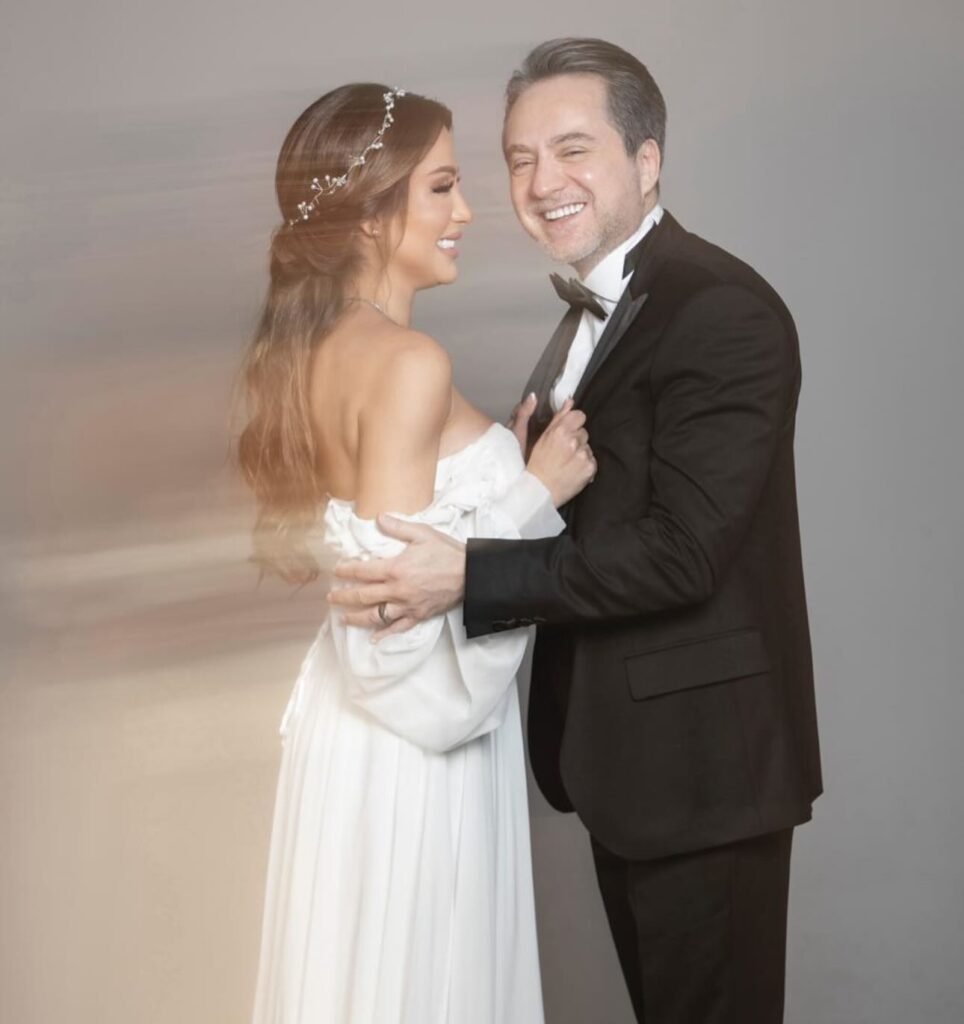
Consider Lebanese singer and composer Marwan Khoury. He married Nada Rammal in December 2022, at approximately 54. In a 2024 interview, he openly acknowledged that he had delayed his decision to marry, but expressed happiness that he eventually made it. His experience offers a reminder that love does not necessarily arrive according to the timeline people expect.
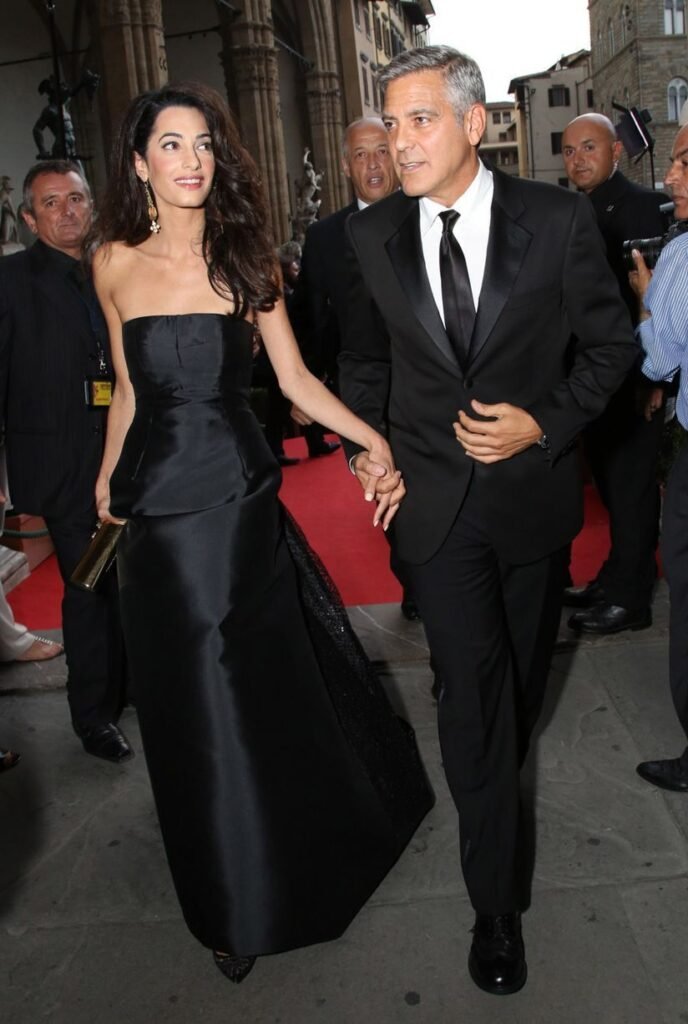
Another familiar example is George Clooney, who married British-Lebanese human rights lawyer Amal Alamuddin in 2014, aged 53. Amal was 36 at the time. Their marriage also challenges the idea that finding a life partner must happen during your twenties. Furthermore, it implies that age gap relationships can thrive with the right mindset.
Of course, waiting has its own trade-offs. You may become more settled in your routines, more protective of your independence, and less willing to compromise. Bringing another person into an established life can require adjustments that might feel unfamiliar.
There is also the emotional side of the equation. Some people look back and wonder what it would have been like to experience their twenties with a partner. They may feel they missed the opportunity to build a young love story, share spontaneous adventures, or grow through life’s uncertainties together.
What Does Science Actually Say?
Interestingly, research does offer some clues, although it cannot settle the debate.
Studies in the United States have often found an association between marrying at a very young age and a higher likelihood of divorce. A 2017 study published in Demographic Research, for example, found that the relationship between age at first marriage and marital stability differed across racial and ethnic groups. For some groups, the likelihood of marital dissolution declined as women married later, while the pattern differed for others.
However, association does not necessarily mean causation. A 2023 study highlighted by the London School of Economics challenged the assumption that marrying young directly causes divorce. Examining China’s 1981 marriage-age reform, researchers found no evidence that allowing women to marry earlier caused higher divorce rates. Other circumstances surrounding marriage may explain some of the patterns researchers observe.
In other words, age alone cannot predict whether a marriage will succeed.
Meanwhile, broader demographic trends show that people are increasingly marrying later. According to the US Census Bureau, the median age at first marriage in 2024 was 30.8 for men and 28.8 for women. These figures reflect changing social and economic circumstances, rather than a scientific recommendation for the ideal age.
There is, however, another biological consideration. Fertility changes with age, particularly for women. The American College of Obstetricians and Gynecologists explains that fertility generally begins declining around age 30, with a faster decline during the mid-thirties. Pregnancy risks also increase with age, although they do not suddenly change on someone’s 35th birthday.
This distinction matters. Marriage and parenthood are two separate decisions, even when people choose to pursue them together. Someone can be ready for marriage without wanting children immediately. Others may have different family plans altogether.
Ultimately, science can help us understand the practical considerations. It cannot tell us when we are ready to love someone for the rest of our lives.
Every Choice Comes With a Trade-Off
Perhaps this is where the conversation becomes less about age and more about perspective.
Marrying young offers the possibility of experiencing love and youth simultaneously. You get to build a life from scratch with someone, discover adulthood together, and potentially become young parents. But you might sacrifice some of the independence and self-discovery that come with spending those years on your own.
Waiting offers a different kind of freedom. You can explore the world, establish your identity, pursue your ambitions, and enter a relationship with greater emotional and financial stability. But you might miss the particular excitement of growing up with someone and sharing those uncertain early years.
Neither experience is automatically better.
Life rarely gives us every version of happiness at once. Every decision comes with something gained and something left behind. We can spend years wondering whether the other path would have been more fulfilling, but we rarely consider that it would have come with its own challenges.
And perhaps that’s the point. We spend so much time trying to make the perfect decision that we forget there is no such thing as a life without compromises.
So, When Is the Right Time?
Maybe the right time to get married is when you understand what marriage actually requires. When you know yourself well enough to choose someone for the right reasons, and when you are willing to make room for another person without losing yourself in the process.
It might happen at 24, 29, 35, or 45. It might happen earlier than you expected or much later than you imagined. And for some people, it might never happen at all.
The problem begins when we measure our lives against someone else’s timeline. A friend getting married at 25 doesn’t mean you are falling behind at 32. Equally, someone who waits until 40 hasn’t necessarily made a wiser decision than someone who married at 24.
There is no universal deadline for finding love, just as there is no guaranteed age for becoming ready.
Perhaps we should stop asking people why they haven’t married yet and start asking whether they are happy with the lives they are building. Because marriage should be a choice made from genuine desire, not a race against time, family expectations, or the fear of being left behind.
After all, the goal isn’t to get married at the perfect age. It’s to build a marriage that feels right, whenever that happens to be.