
Five writers of Arab heritage have earned places among this year’s finalists, bringing stories of displacement, identity, imprisonment, and survival to one of America’s most prominent literary stages.
The 2026 National Book Awards have placed five writers of Arab heritage in the spotlight. Their books span fiction, nonfiction, poetry, and translated literature, reflecting the range of experiences and perspectives shaping contemporary Arab and diasporic writing.
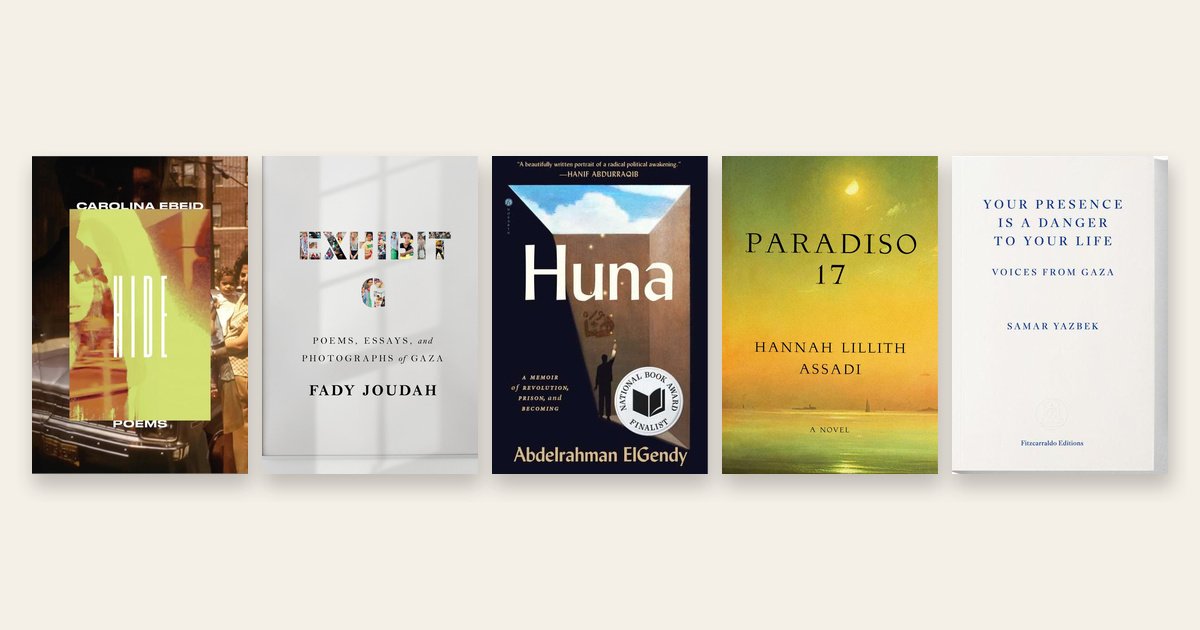
The National Book Foundation announced its 25 finalists on October 6. Among them are Palestinian-American novelist Hannah Lillith Assadi, Egyptian writer Abdelrahman ElGendy, Palestinian-American poet Fady Joudah, Cuban-Palestinian poet Carolina Ebeid, and Syrian writer Samar Yazbek.
Their recognition arrives across four award categories. More importantly, their shortlisted works explore questions of home, memory, political violence, and the lasting effects of displacement. Together, they demonstrate how personal narratives can speak to wider histories without losing their individual voices.
Hannah Lillith Assadi: Fiction and the Search for Home
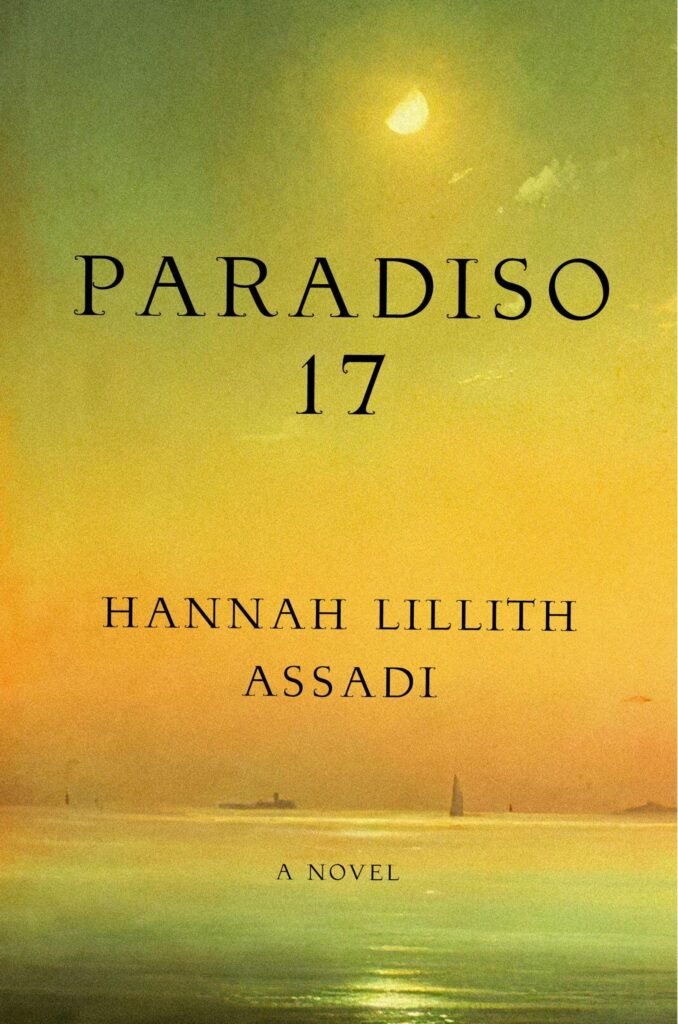
Palestinian-American novelist Hannah Lillith Assadi is a finalist in Fiction for Paradiso 17. The novel follows Sufien, a Palestinian man forced to leave his homeland during the 1948 Nakba. Across countries and decades, he searches for a sense of home while confronting the lasting consequences of exile.
Assadi’s work often examines identity, inheritance, and the complicated relationship between personal history and belonging. She previously received the National Book Foundation’s 5 Under 35 recognition and is the author of Sonora and The Stars Are Not Yet Bells.
With Paradiso 17, she brings the Palestinian experience of displacement into a broader literary conversation about memory and the meaning of home.
Abdelrahman ElGendy: Writing Through Incarceration
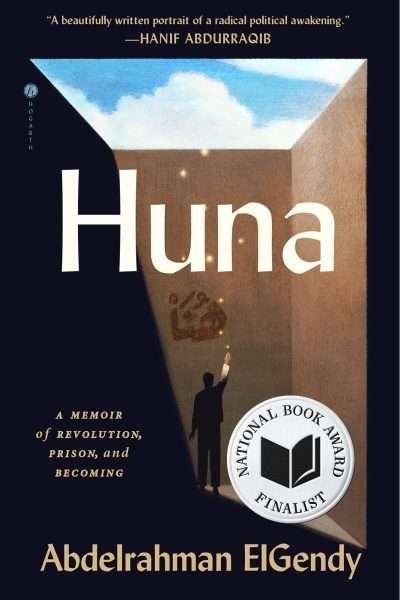
Egyptian writer and translator Abdelrahman ElGendy is a Nonfiction finalist for Huna: A Memoir of Revolution, Prison, and Becoming.
The memoir recounts ElGendy’s experience as a teenage activist following Egypt’s January 25 Revolution. In 2013, he and his father were arrested during a police crackdown on protesters. ElGendy subsequently spent six years in detention, where reading and writing became essential forms of survival.
His story follows the relationship between political resistance, education, and personal transformation. While imprisoned, he completed a bachelor’s degree in engineering and continued developing his literary voice.
Through Huna, ElGendy turns an intensely personal account into a reflection on state violence, resilience, and the power of writing to preserve one’s sense of self.
Fady Joudah: Bearing Witness to Gaza Through Poetry
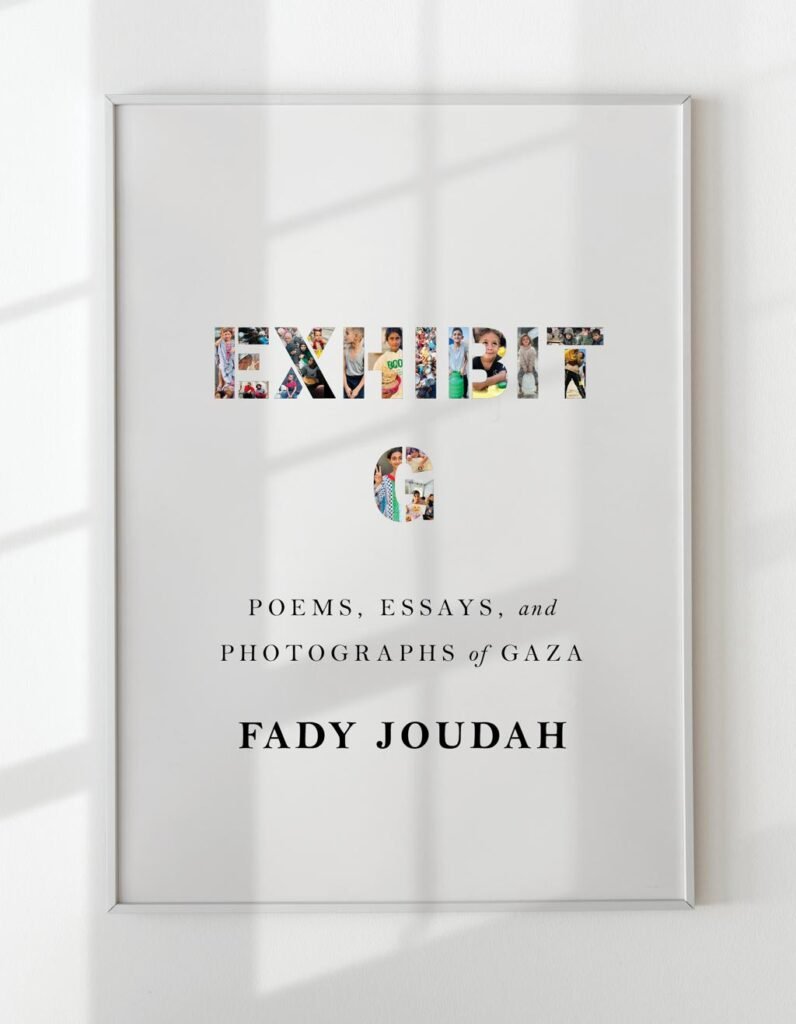
Palestinian-American physician and poet Fady Joudah returns to the National Book Awards shortlist with Exhibit G: Poems, Essays, and Photographs of Gaza, a Poetry finalist.
The collection brings together poetry, essays, and photographs to confront the destruction of Gaza. Joudah writes from the perspective of someone connected to Palestine while living and working in the United States. His position creates a tension between witnessing suffering from afar and searching for ways to respond through language.
The book considers grief, survival, and the persistence of Palestinian life. It also challenges the erasure of individual stories within the scale of collective catastrophe.
Joudah was previously a National Book Award Poetry finalist in 2024. His return to the shortlist reinforces his continuing contribution to contemporary Palestinian and American poetry.
Carolina Ebeid: Exploring Identity Through Inherited Memory
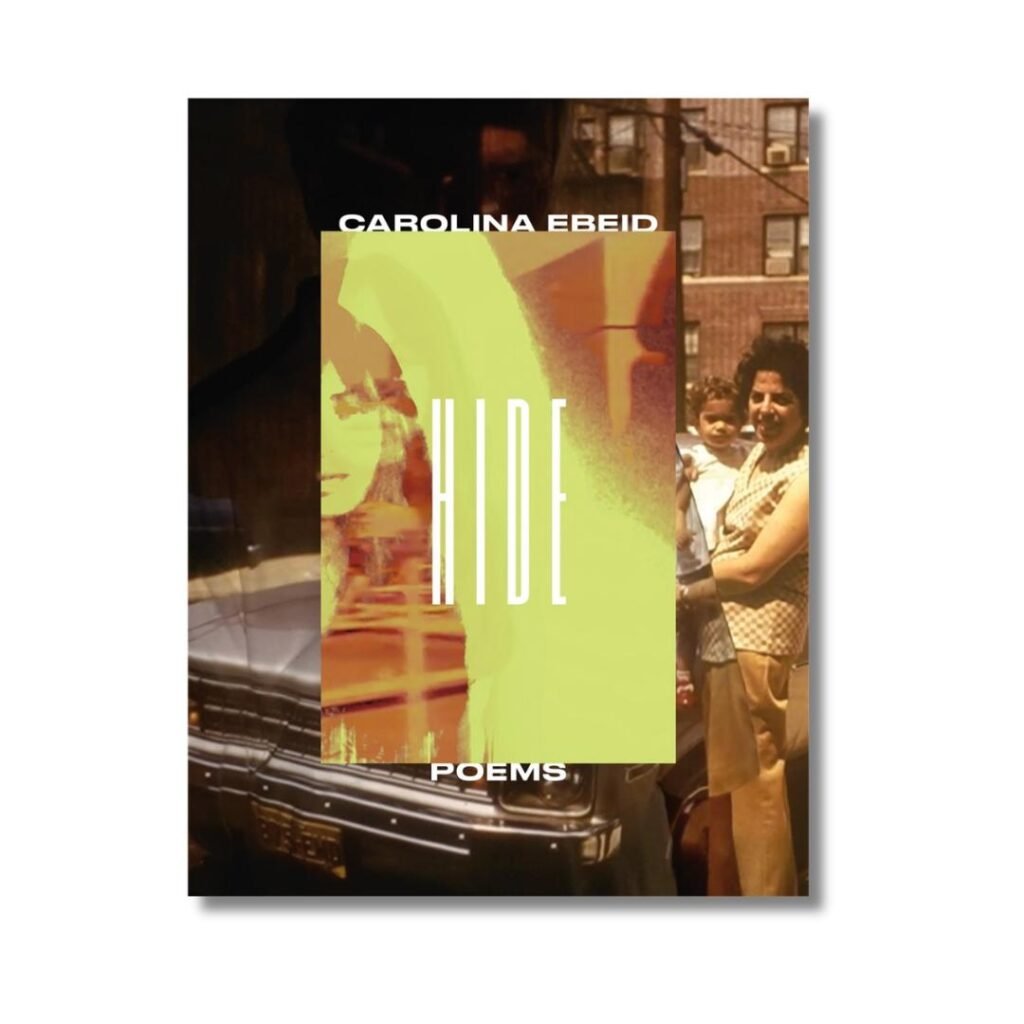
Poet Carolina Ebeid is also a Poetry finalist, recognized for Hide. The daughter of a Palestinian father and Cuban mother, Ebeid draws on both family histories to explore ancestry, migration, and the construction of identity.
The collection moves between American English, Palestinian Arabic, and Cuban Spanish. It combines fragments of memory, family archives, and experimental forms to examine how personal histories survive across generations.
Ebeid’s work extends beyond conventional poetry. She is a multimedia poet whose writing has also appeared in visual and gallery-based contexts. In Hide, language becomes a way to recover stories that migration and time can leave fragmented.
Samar Yazbek: Translating Testimony Into Literature
Syrian writer and journalist Samar Yazbek is a finalist in Translated Literature for Your Presence Is a Danger to Your Life: Voices of Survival and Witness in Gaza. Leri Price translated the book from Arabic.
Built around testimonies from people in Gaza, the work documents experiences of survival and loss following October 7, 2023. It grew from Yazbek’s engagement with displaced and wounded Palestinians and her desire to preserve their accounts.
The recognition also highlights the essential role of literary translation. Price’s work brings Yazbek’s Arabic-language testimony to English-speaking readers, extending its reach beyond its original language.
Yazbek has previously been a National Book Award finalist in 2021 and 2024. This year’s recognition marks another significant moment for her work and for the visibility of translated Arabic literature.
A Wider Literary Conversation
From Assadi’s exploration of exile to ElGendy’s account of imprisonment, the five finalists approach different experiences through distinct literary forms. Joudah and Ebeid use poetry to examine memory, identity, and the realities of Palestine, while Yazbek foregrounds testimony through translation.
Their presence on the shortlist does not represent a single Arab literary perspective. Instead, it reveals the diversity of voices and experiences that Arab writers bring to international publishing.
The 77th National Book Awards ceremony will take place on November 18, 2026, when winners across the five categories will be announced. Regardless of the final results, the five finalists have already brought their stories to one of American literature’s most visible platforms.