

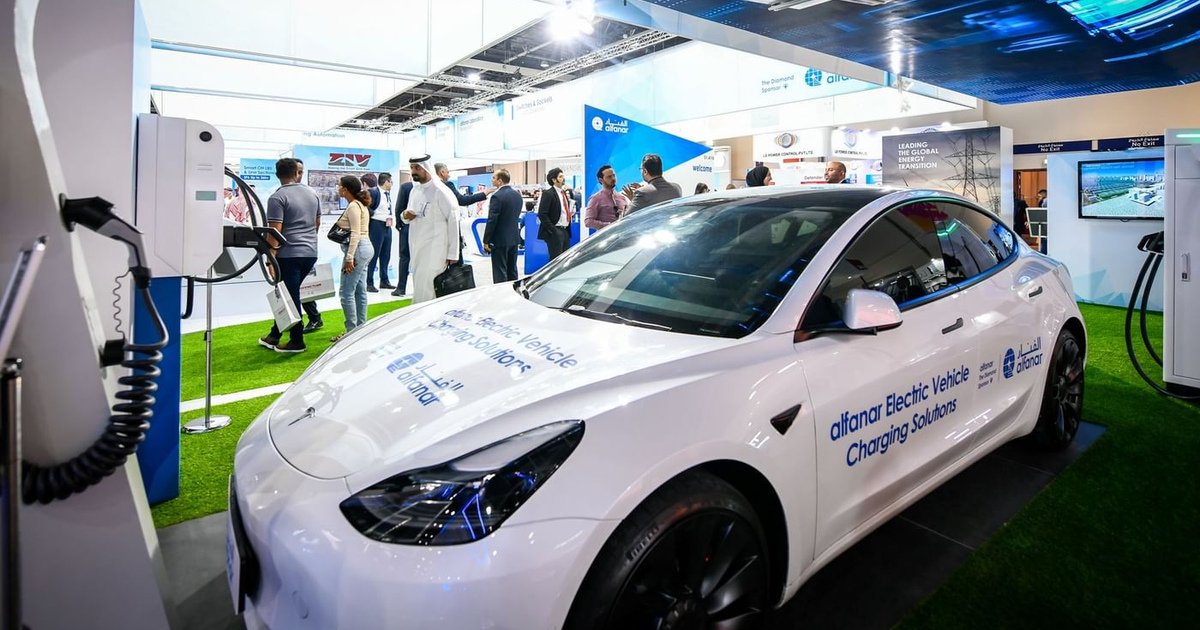
As Dubai hosts its first international electric vehicle exhibition and conference, the region’s mobility ambitions are moving beyond vehicle adoption towards infrastructure, investment, and connected transport systems.
Dubai is placing electric mobility at the center of a wider conversation about the future of transportation. The inaugural EV World 2026 opened on November 10 at Dubai World Trade Centre, bringing together more than 300 companies, authorities, and organizations.
Organized by Dubai’s Roads and Transport Authority (RTA), the event runs until November 12. It brings together manufacturers, investors, charging providers, technology companies, and policymakers under the theme “Driving a Smart and Sustainable Mobility Future.”
The program reflects a broader shift across the Gulf. Electric vehicles are becoming part of national strategies involving energy efficiency, infrastructure development, and transport innovation.
Beyond electric cars
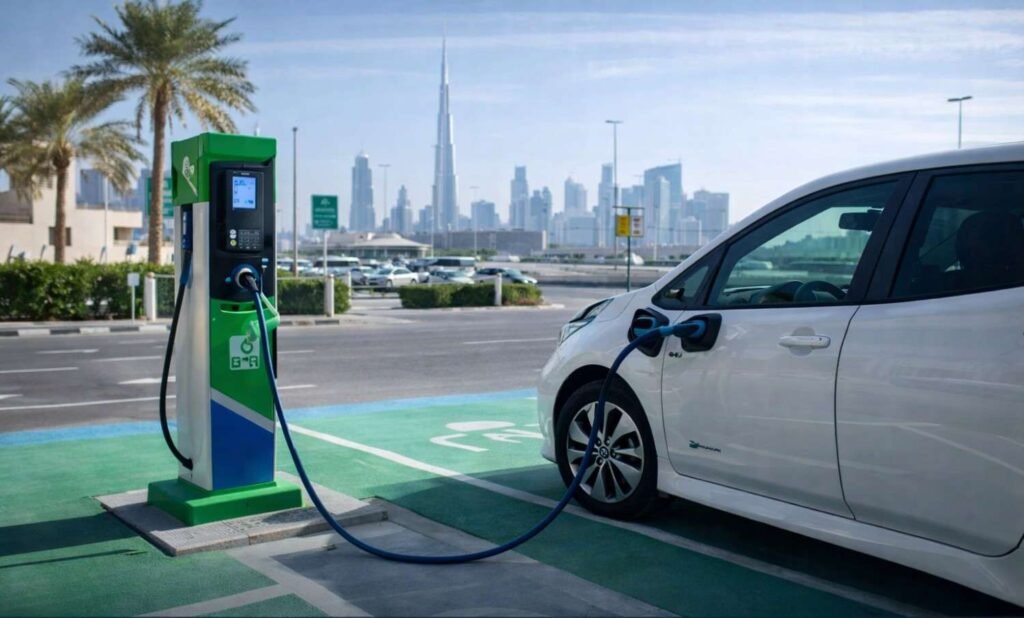
The electric vehicle transition involves more than replacing conventional cars with battery-powered alternatives. It requires an interconnected ecosystem that supports charging, energy supply, maintenance, and public transportation.
EV World reflects this wider approach. Its exhibition covers electric and hydrogen-powered vehicles, charging technologies, battery systems, autonomous mobility, and sustainable energy solutions.
More than 300 participating organizations and approximately 120 speakers are expected to contribute to the discussions. Companies and institutions include BYD, XPENG, Al-Futtaim Group, DEWA, and Heriot-Watt University Dubai.
Their participation highlights the different sectors involved in the transition. Vehicle manufacturers need charging networks, while energy providers and infrastructure developers must prepare for changing transport demands.
Dubai’s ambitions for electric mobility
The UAE has established a national policy to support electric vehicle adoption. Its objectives include reducing energy consumption in the transport sector by 20 percent and developing a nationwide network of charging stations.
The country also aims to increase electric vehicles’ share to 50 percent of vehicles on its roads by 2050.
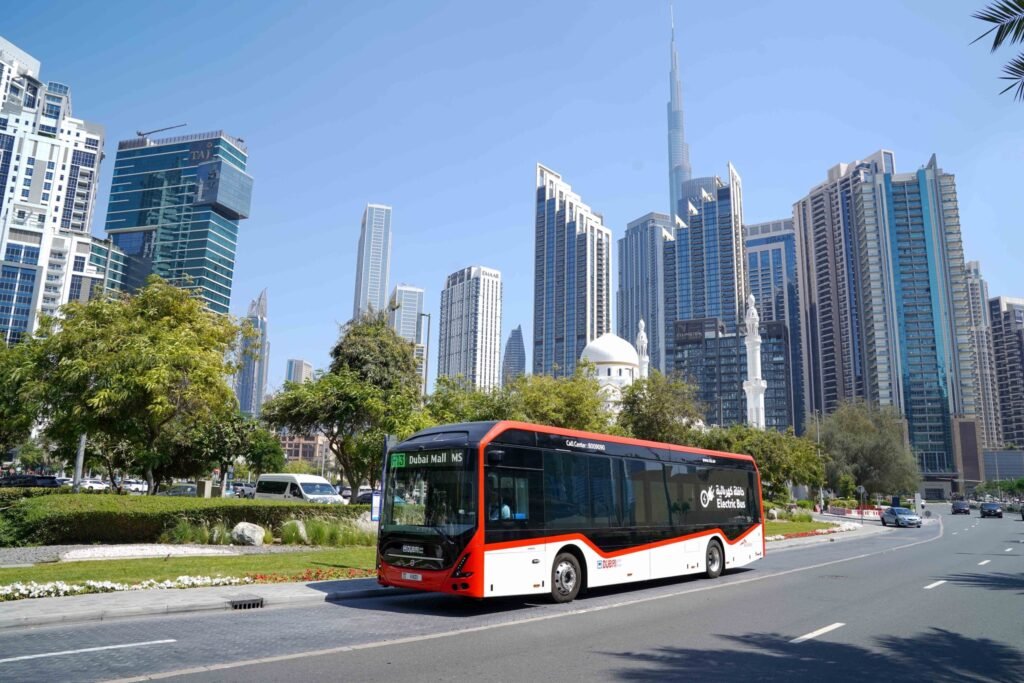
Dubai has introduced additional measures through its own transport strategies. The RTA aims to transition public transportation towards zero emissions by 2050.
The emirate is also developing electric mobility across different transport categories. At EV World, the RTA is showcasing electric buses, electric motorcycles, battery-swapping stations, electric abras, and autonomous taxi technology.
These projects demonstrate how the transition extends beyond private vehicle ownership. Public transport, delivery services, marine mobility, and autonomous systems all form part of the wider strategy.
The investment opportunity behind the transition
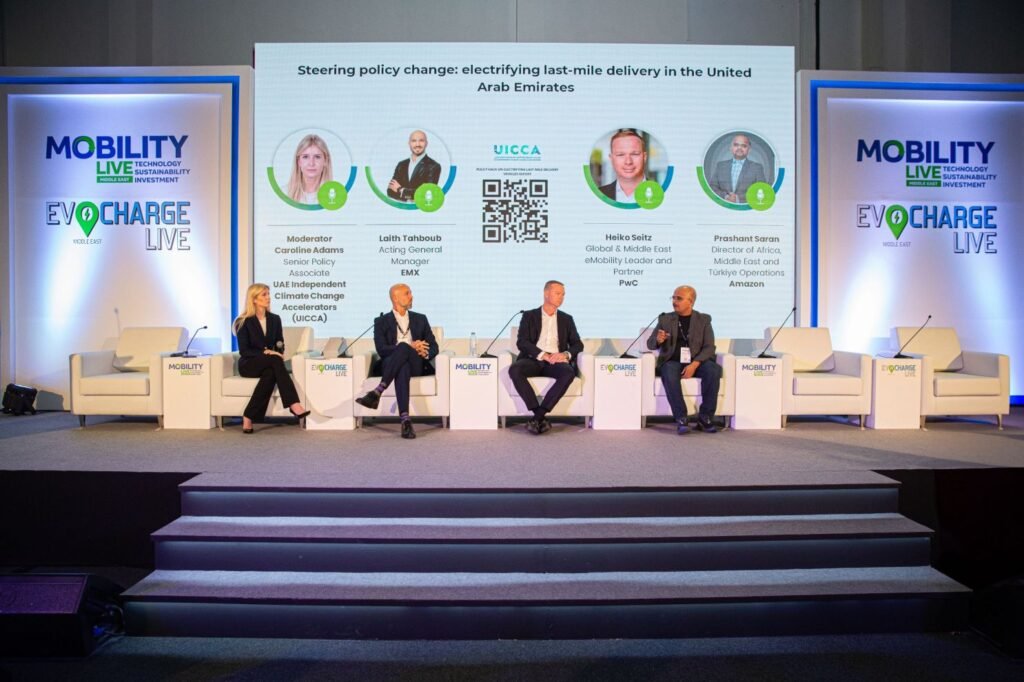
The Gulf’s electric vehicle ambitions are creating opportunities across several industries. Charging infrastructure, battery technology, energy storage, fleet management, and mobility software all require investment.
According to figures published by the Emirates News Agency, the GCC electric vehicle market could grow from approximately US$11.64 billion in 2026 to US$31.66 billion by 2031.
That forecast highlights the commercial potential of the transition. It also explains why international manufacturers and technology companies are increasingly looking towards the region.
Dubai offers an important platform for these businesses. Its position as a regional trade and logistics hub connects international companies with government entities, distributors, investors, and potential partners.
EV World aims to strengthen these connections. Beyond showcasing vehicles, it provides a setting for partnerships and discussions around the infrastructure required to support future mobility.
What comes next?
The region’s electric mobility ambitions will depend on how effectively it turns policy into everyday infrastructure.
Charging availability, vehicle affordability, battery performance, maintenance networks, and consumer confidence remain important considerations. Public transportation will also play a major role in determining how quickly electric mobility becomes part of daily life.
EV World signals that the Gulf’s conversation is becoming more comprehensive. The focus is no longer limited to introducing new electric models. It now includes the energy systems, investment frameworks, and technologies needed to support them.
For Dubai and its neighbours, the next stage will be measured by implementation. The region’s ability to connect innovation with accessible infrastructure could determine how quickly its electric mobility ambitions become reality.