
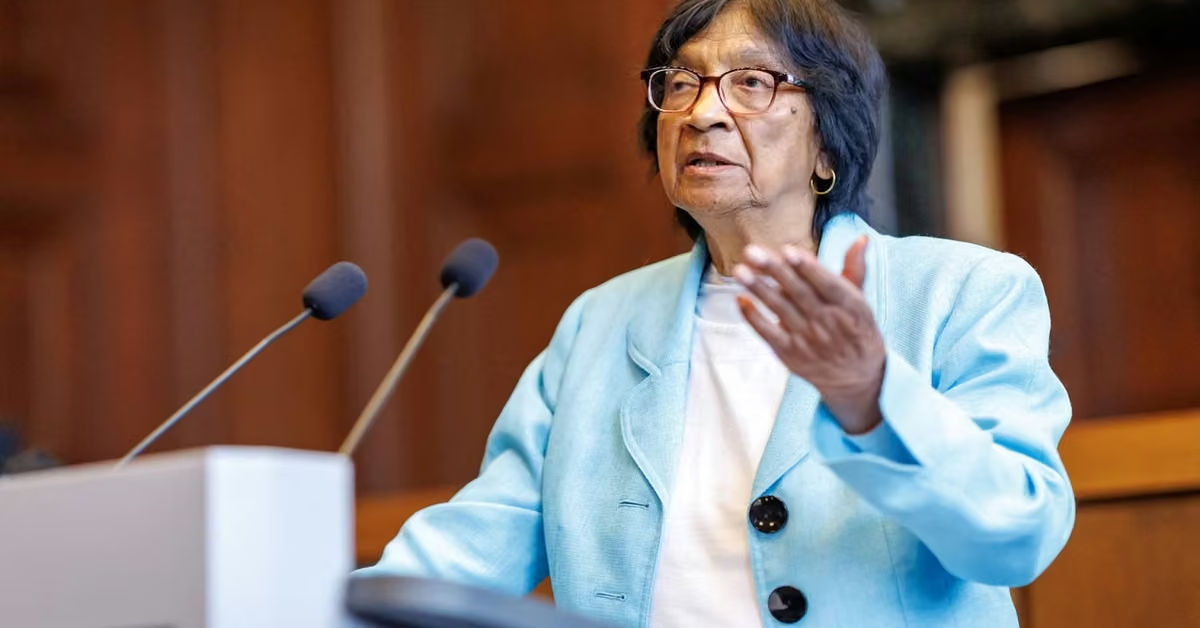
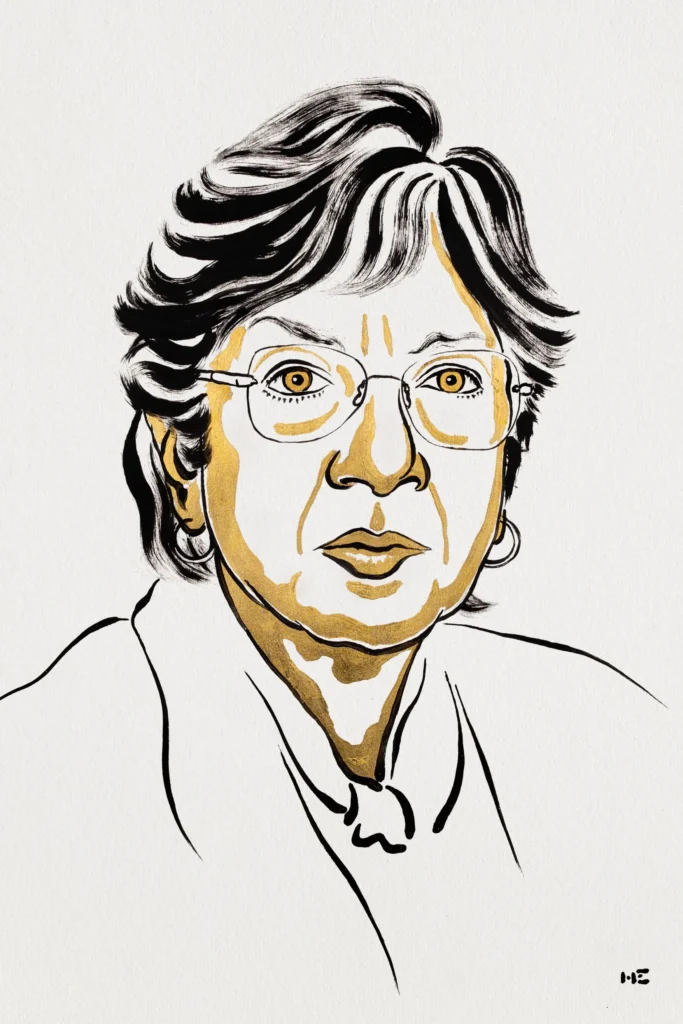
South African jurist and former U.N. human rights chief Navanethem “Navi” Pillay has won the 2026 Nobel Peace Prize. The Norwegian Nobel Committee announced the award in Oslo on October 9. It honored her “efforts to promote peace and international law.” This year’s Nobel season ended on Monday with the economics prize. Here are all six awards.
A Career in Law and Justice
Pillay was born in Durban in 1941 to a family of Indian Tamil origin. She grew up under apartheid. In 1967, she founded her own law firm, and she became the first woman to open a law practice in Natal province. As a lawyer, she defended anti-apartheid activists and helped establish rights for prisoners on Robben Island.
In 1995, she became the first non-white woman judge on South Africa’s High Court. That same year, she joined the International Criminal Tribunal for Rwanda. There, she later served as president. The Nobel Committee notes that she helped establish that sexual violence and propaganda could lead to charges of crimes against humanity and genocide.
Next came the International Criminal Court, where she served from 2003 to 2008. Then she served as UN High Commissioner for Human Rights from 2008 to 2014. More recently, she chaired the UN Independent International Commission of Inquiry on the Occupied Palestinian Territory from 2021 to 2025. The commission concluded last year that Israel had committed genocide in Gaza. She is also an ad hoc judge at the International Court of Justice in the case in which Myanmar stands accused of genocide.
Reaction
Pillay learned of the prize while attending the Nuremberg Forum in Germany. She dedicated the award to survivors of international crimes. South African President Cyril Ramaphosa congratulated her, and the UN human rights office praised her as a staunch defender of human rights. Uppsala University’s Ashok Swain called the choice the “best possible choice,” according to Al Jazeera. However, US President Donald Trump criticised the decision on social media.
She is the fifth South African to win the Peace Prize.
Physiology or Medicine: Light That Controls Cells
(Illustration: Niklas Elmehed)
(Illustration: Niklas Elmehed)
(Illustration: Niklas Elmehed)
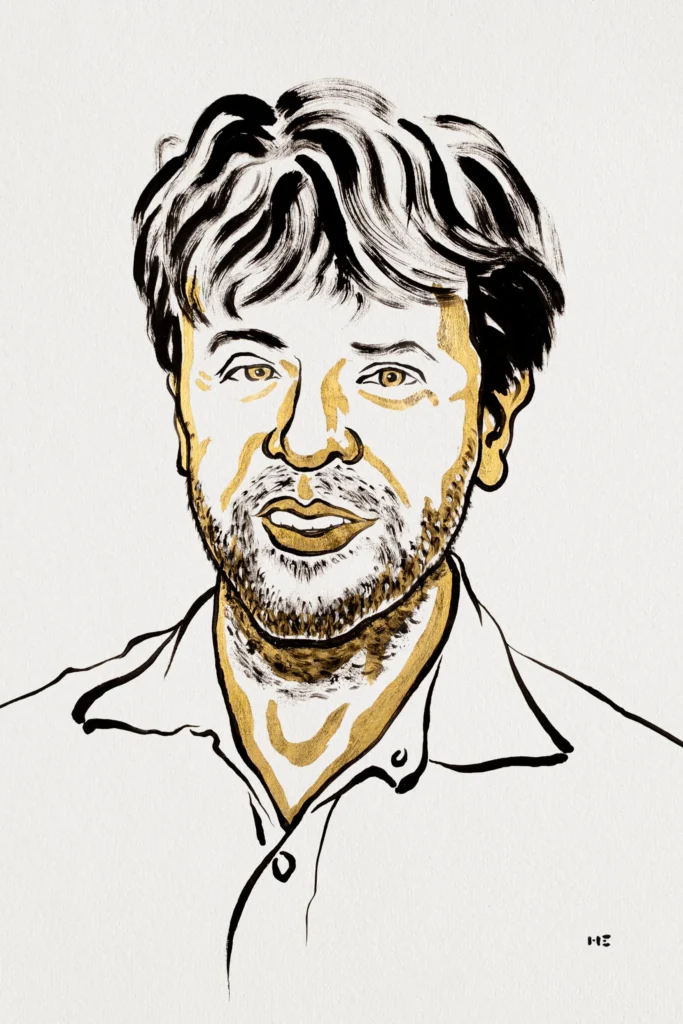
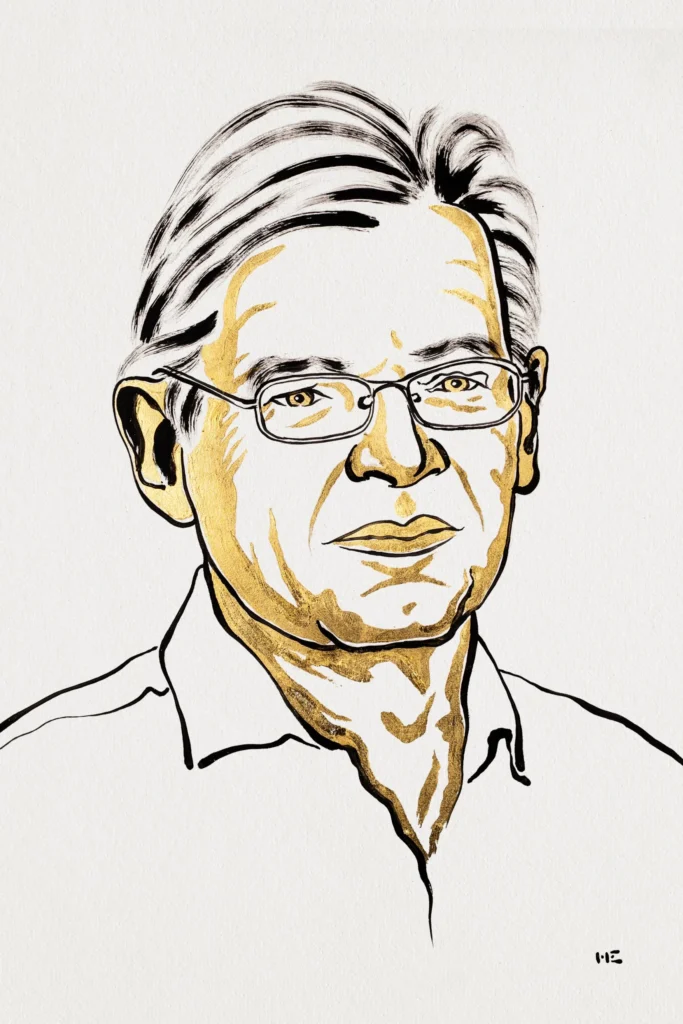
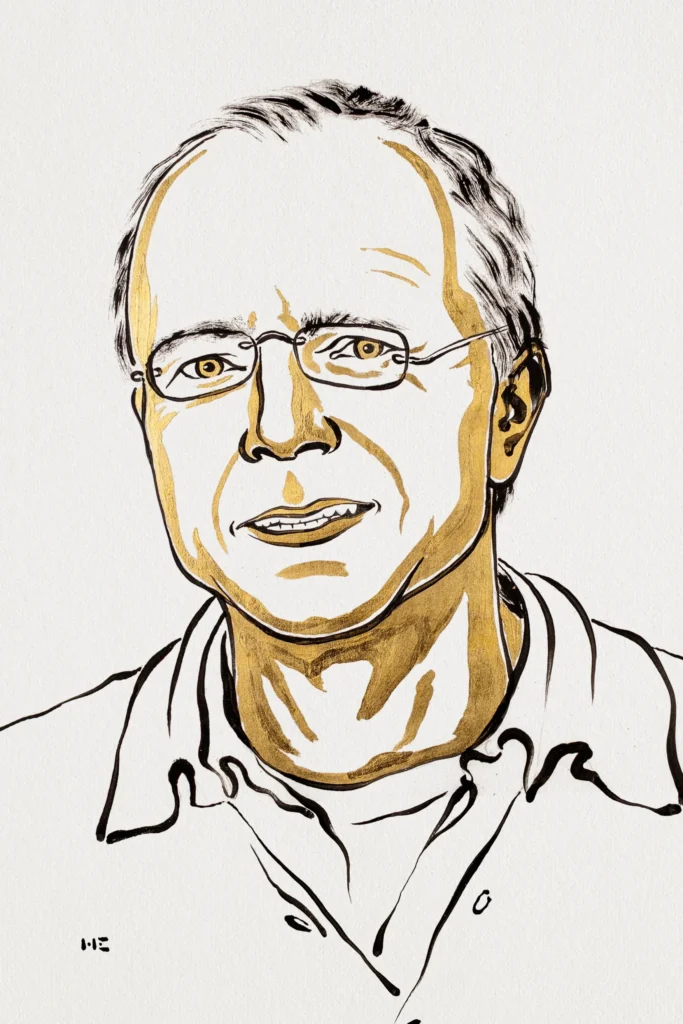
American psychiatrist and bioengineer Karl Deisseroth shared the prize with German scientists Peter Hegemann and Georg Nagel. The Nobel Assembly cited their discoveries on light-gated ion channels and optogenetics. This technique uses light to switch cells on and off. As a result, researchers can study the brain in far greater detail.
Physics: Hunting Ghost Particles
(Illustration: Niklas Elmehed)
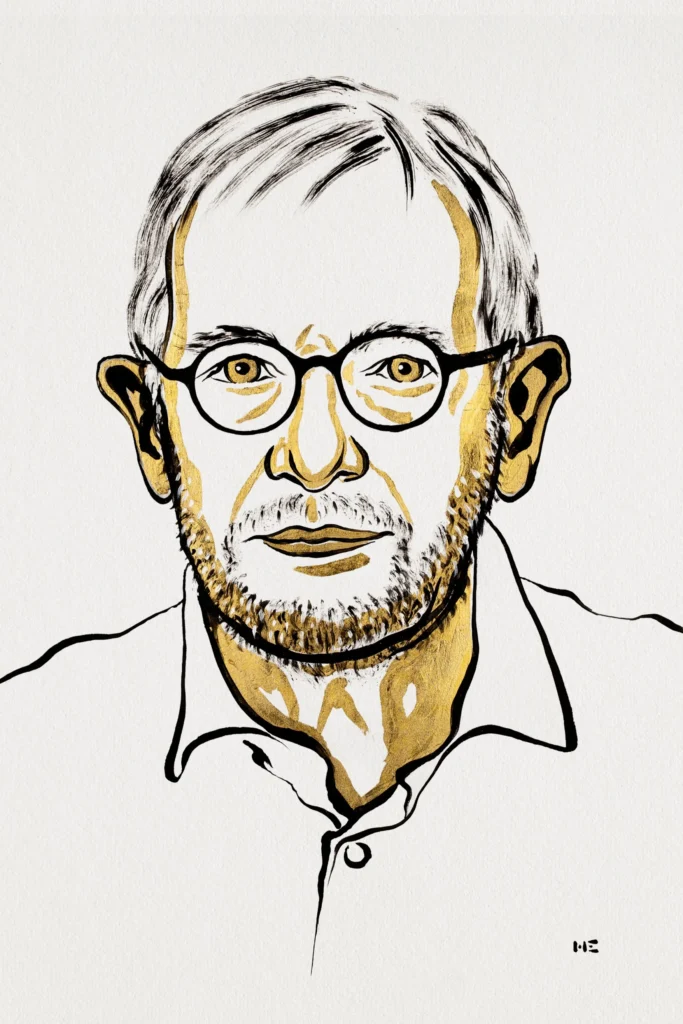
Francis Halzen won the Physics prize alone. The Belgian-born physicist, who works at the University of Wisconsin-Madison, was honored for decisive contributions to the IceCube Neutrino Observatory. The detector sits in Antarctic ice. It helped discover high-energy neutrinos of astrophysical origin.
Chemistry: Mirrored Molecules
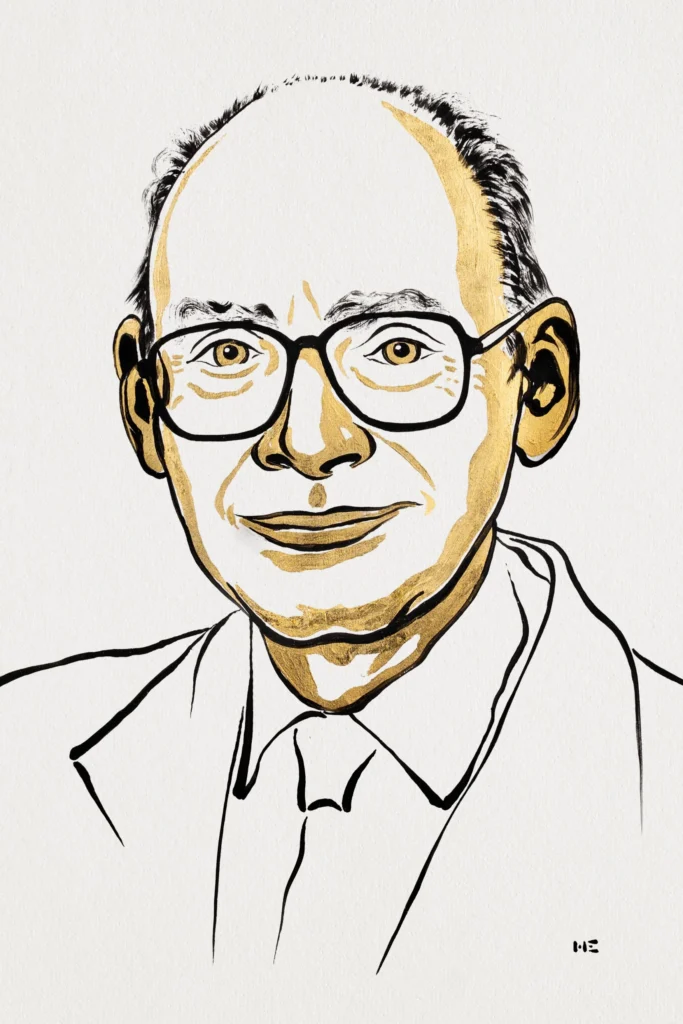
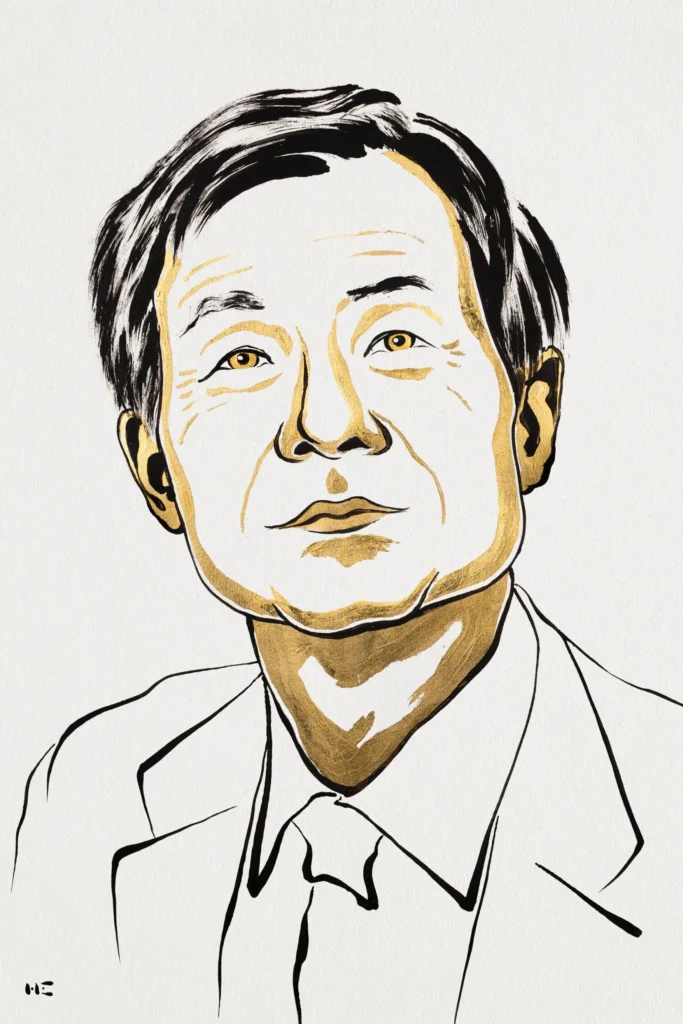
French chemist Henri B. Kagan, 95, and Japanese chemist Kenso Soai shared the Chemistry prize. They were recognised for discovering non-linear effects and autocatalysis in asymmetric organic synthesis. In simple terms, their work explains how mirror-image molecules can be controlled. This matters because it underpins many modern drugs.
Literature: Anne Carson
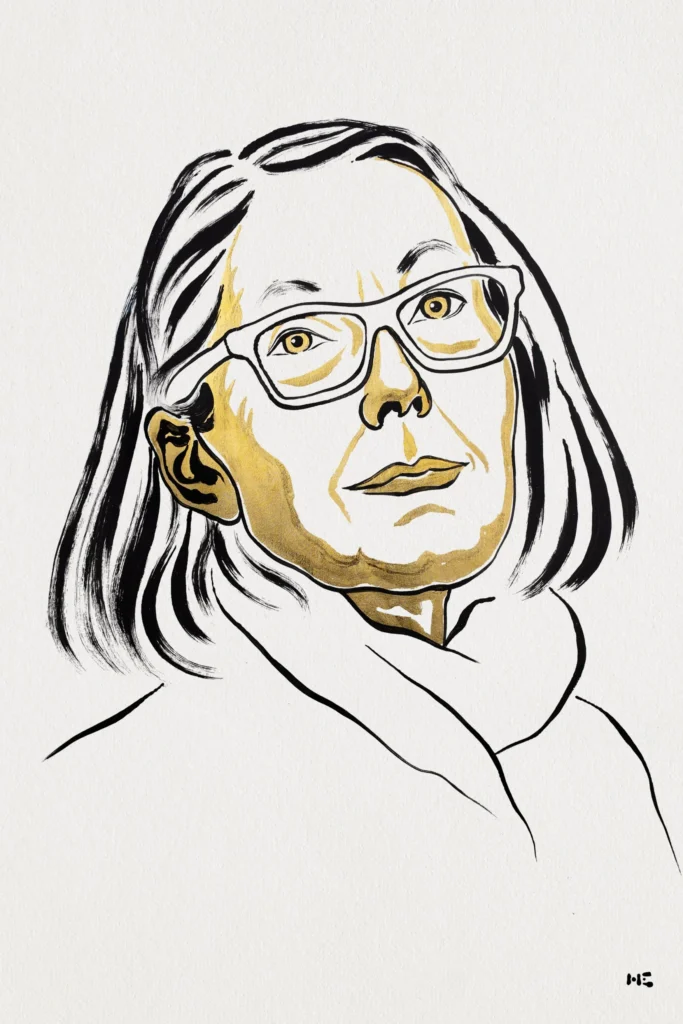
Canadian poet and classicist Anne Carson won the Literature prize on October 8. The Swedish Academy honored her bold and inventive work, which created new literary forms in dialogue with the classical tradition. She is the 19th woman to win the prize.
Economics: Stabilising Economies
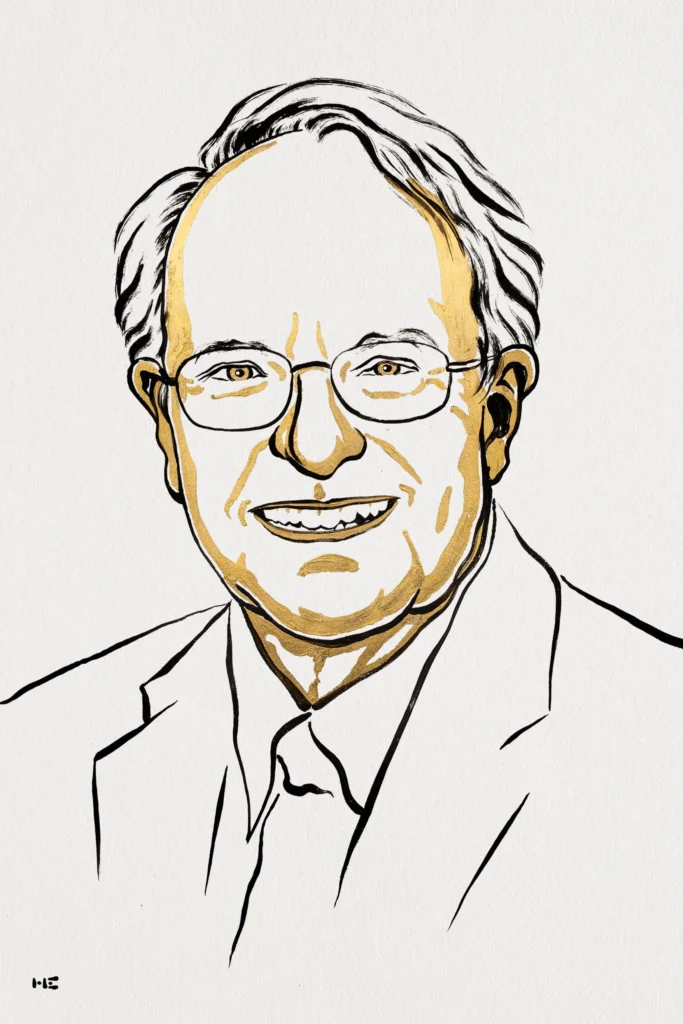
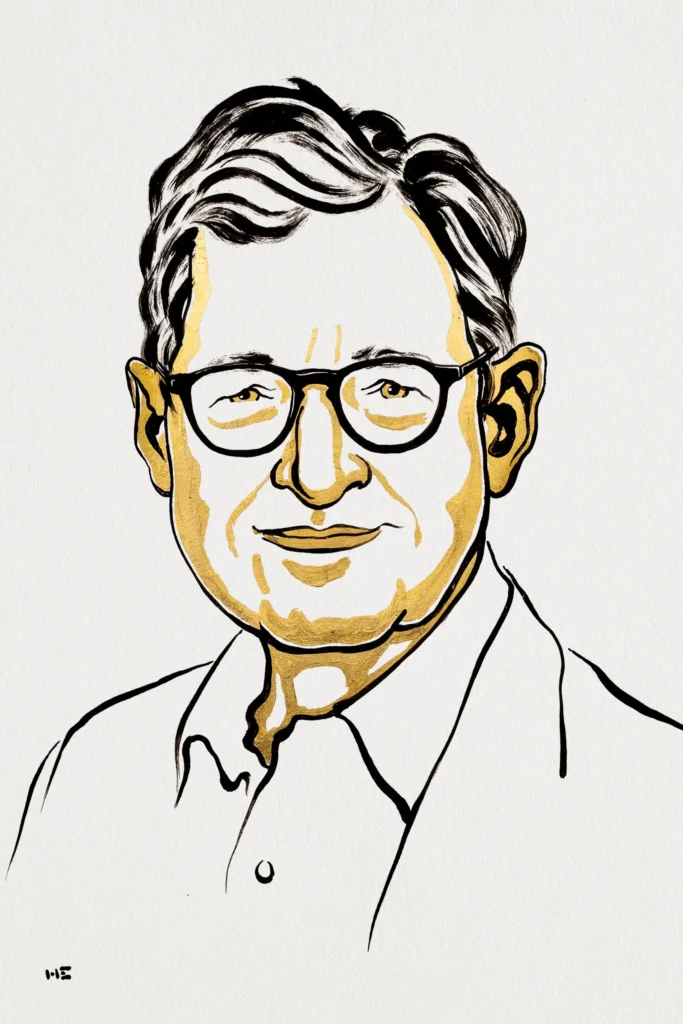
Americans Robert E. Hall of Stanford and Michael Woodford of Columbia won the Economics prize on Monday. The Royal Swedish Academy of Sciences honored their models for stabilising economies. Their insight was that households and businesses are forward-looking when they save or set prices. Therefore, central banks and governments now use their work to manage downturns. The economics prize has now gone to 101 individuals, only three of whom are women.
Prizes and Ceremonies
Each prize carries 12 million Swedish kronor, about $1.2 million, shared among co-laureates. The formal ceremonies take place on December 10, the anniversary of Alfred Nobel’s death. The Peace Prize is awarded in Oslo, and the other prizes in Stockholm.