

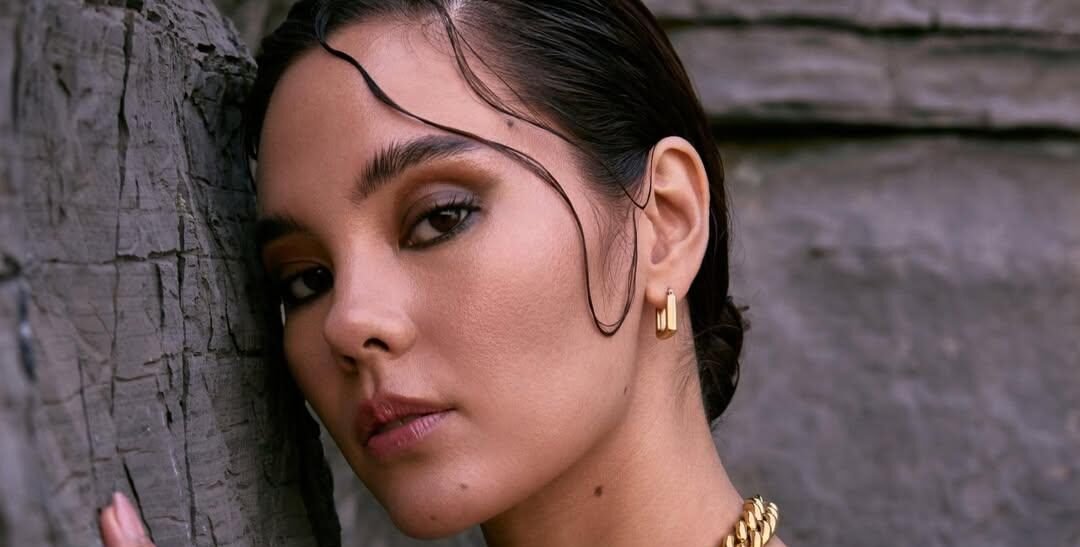
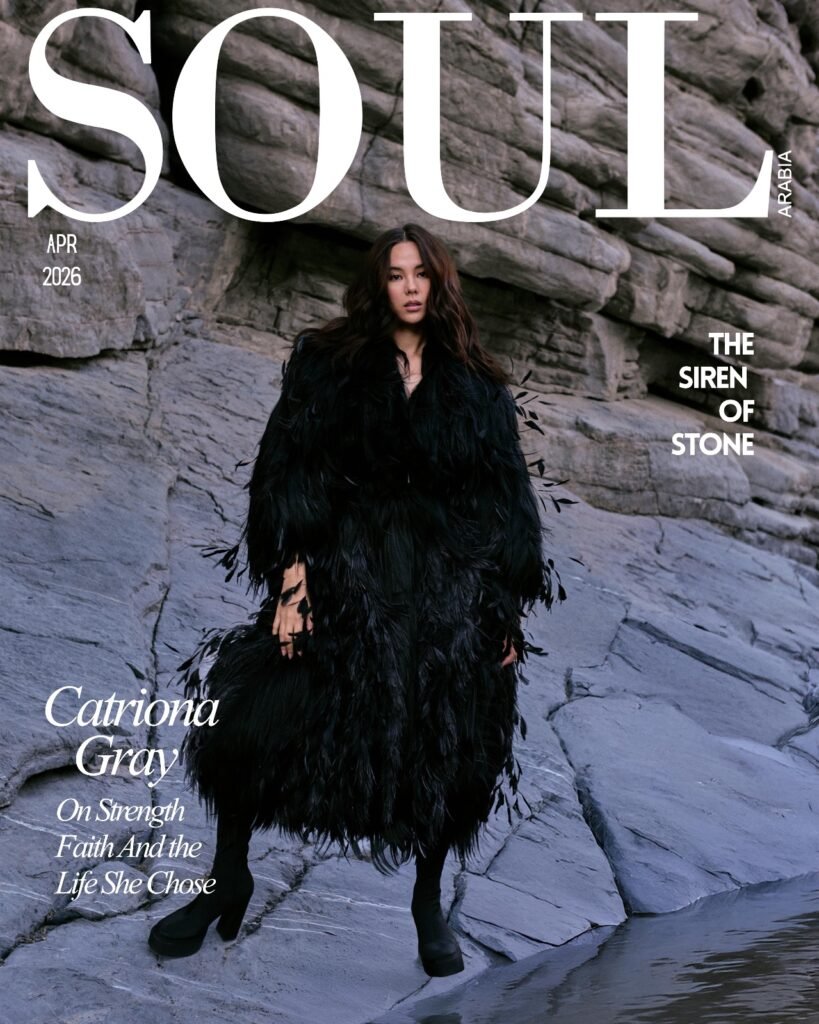
There is something in Catriona Gray that resists easy definition, and she seems perfectly at peace with that. She is the woman who stood on the Miss Universe stage in 2018 and sang her way into a crown, who moved to the Philippines at seventeen with nothing but a burning sense of belonging, and who has since filled stadiums, championed indigenous rights, and quietly held the hands of communities that rarely make headlines. She is Cairns-born and Manila-made, a daughter of two worlds who chose both and built herself somewhere in the space between.
This March, we place her on our cover not simply because of what she has won, but because of what she has weathered. The concept is elemental; she emerges from stone and landscape like a modern myth, the kind of woman that ancient storytellers would have written into the earth itself. Half woman, half force of nature. A siren, not because she lures, but because she endures.
Carved
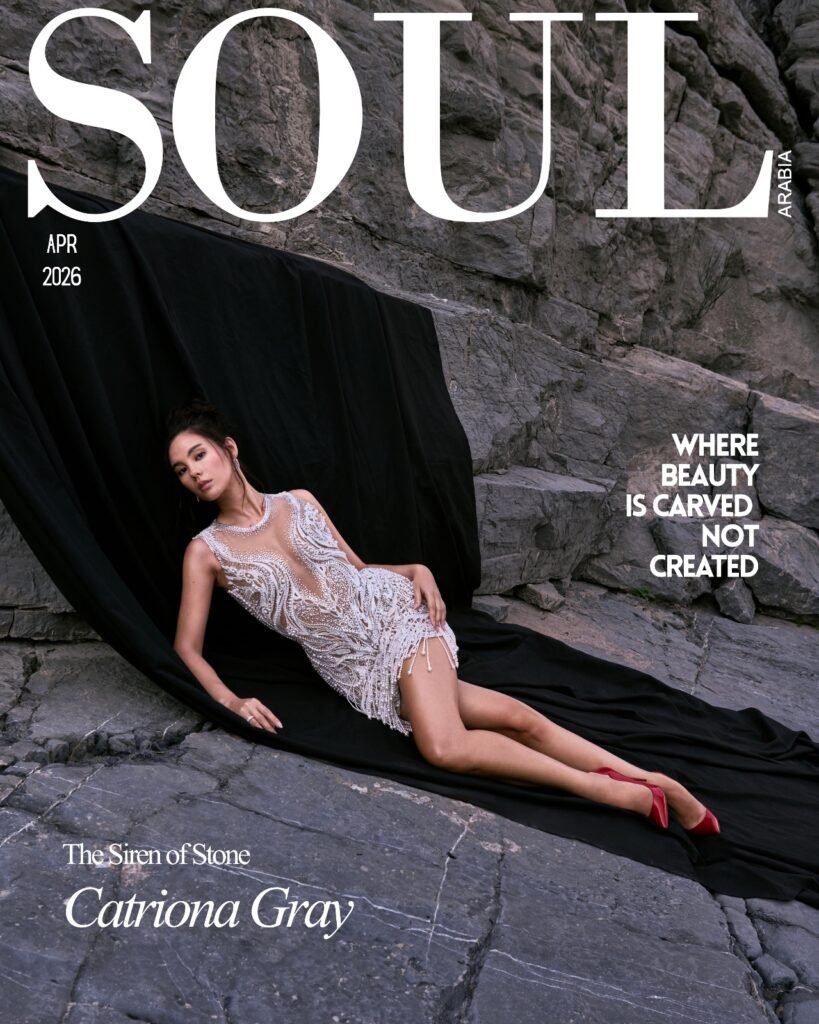
Ask Catriona where strength comes from, and she doesn’t hesitate. She doesn’t reach for the polished answer. She reaches for the truth.
“Strength is the result of experiences that equip, disappoint, challenge, and impact us in ways that we have no choice but to be rendered different from what we were before.”
It is a philosophy woven into her biography. She left Australia for the Philippines at seventeen, a teenager trading the familiar for the foreign, chasing a culture she had not grown up in but somehow already loved. Then came years of volunteer work, the pursuit and the failure of a pageant crown, a pandemic, her father’s sudden heart surgery in 2022, and the slow, relentless climb back up each time. The Miss Universe crown in 2018 was not the summit of a mountain; she is clear about that. It was one flag planted on a very long ascent.
“In my journey, people like to see the winning of a Miss Universe crown as the summation of a journey,” she reflects. “Yet just like every pinnacle of a summit was the climb, represented by lessons learned, choices made, failures, triumphs, and everything in between.”
She recalls her younger self with a gentleness that borders on grace, rather than pride. “She fought hard for where I am today,” Catriona says quietly. “And I’m so proud of her.”
A Garden Watered in Secret
For a cover concept rooted in stone and ancient elements, it is telling that Catriona gravitates not to rock or flame when asked which element she most embodies right now, but to green, growing things.
“I resonate with lush greenery,” she says. “Something to be likened to a garden that has been watered in secret places with prayers, tears, pruning, and care, now blooming in its own, God-ordained time.”
There is a patience embedded in that image, the understanding that the most significant growth happens below the surface, unseen. It also speaks to her faith, which is not a background detail in Catriona’s life but a central pillar. It grounds her across every arena she moves through: the red carpet and the charity floor, the recording studio, and the advocacy stage. “My strong relationship with the Lord keeps me grounded in all things,” she says, not as a performance, but as a plain fact.
Two Cultures, One Chosen Identity
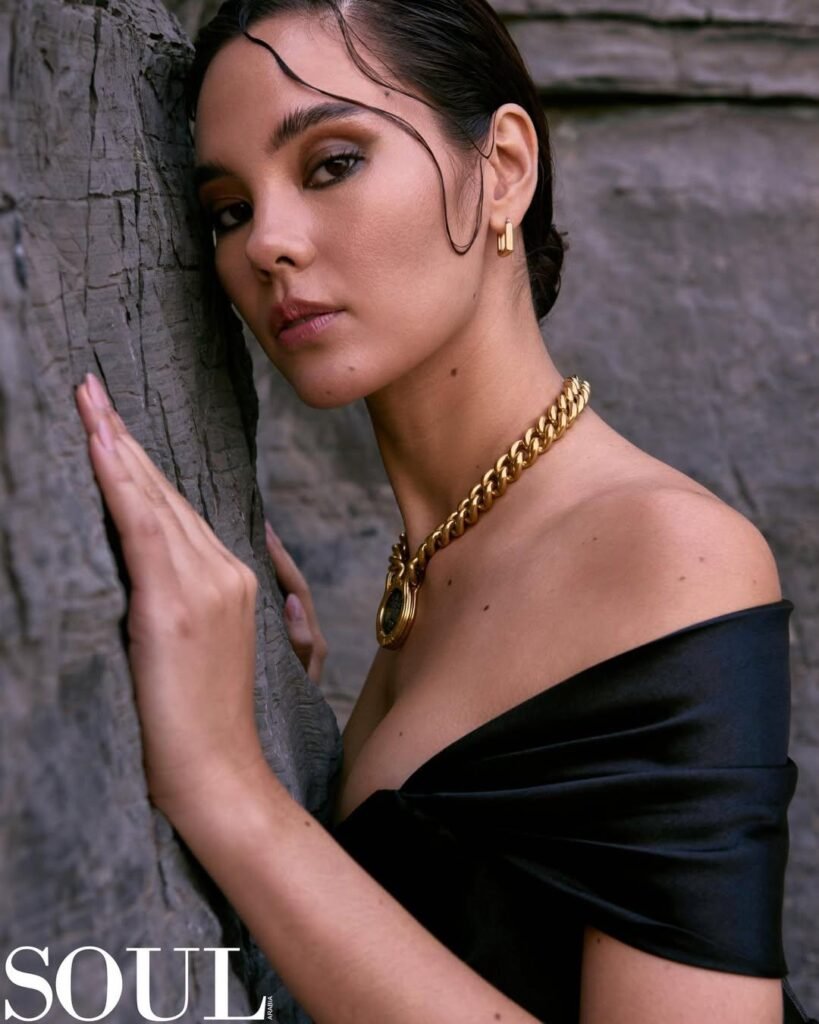
Catriona is Australian by birth and Filipino by deep and deliberate choice. She is the daughter of a Scottish-Australian father and a Filipino mother, a hyphenated identity that could have remained unresolved, a question left unanswered. Instead, she moved toward the answer at seventeen, getting on a plane with the kind of courage that only looks reckless from the outside.
“I am grateful to have been a result of two cultures,” she says, “as it challenged me to seek and understand, live and discover my identity myself, rather than have it merely inherited.”
The Filipino value she returns to most often is bayanihan, the spirit of communal unity, of pooling one’s strengths in service of a shared good. It is not a concept she admires from a distance. It is operational. She applies it through her creative teams, her NGO partners, her charity work, and the way she speaks to her online audience.
“I truly believe that true progressive change and positive impact are possible when people step up and pool their resources, unique talents, and capabilities to make a change to the greater community,” she says. For Catriona, it is not a heritage she was handed. It is one she chose and keeps choosing.
The Weight of a Global Voice
Her advocacy is not ornamental. In the years since her reign, Catriona has spoken out on access to education, HIV/AIDS awareness, and the rights of indigenous communities. These are not glamorous causes in the conventional sense; they are complicated, underfunded, and often ignored by the kind of platforms that could most amplify them.
She is aware of the responsibility that comes with reach. “Social media allows us to reach more people than my voice in a microphone ever would,” she says. “So I try to steward that reach in a way that’s responsible and contributes to a cause larger than me.”
The work is not always easy to carry. Sustained advocacy, seeing firsthand the realities of poverty, inequality, and systemic neglect, demands a kind of emotional resilience that cannot be sustained. When asked how she stays strong in the face of difficult realities, she does not offer a formula. She offers an orientation.
“I just believe in having an open heart and seeing eyes,” she says. “Not allowing myself to be discouraged by the thought that only one person, one classroom, or one community will be impacted. I always try to see the value in that one individual, that one life changed.”
It is the opposite of burnout culture’s advice to protect yourself by caring less. Catriona’s answer is to care more precisely, more intentionally, one human being at a time.
Beyond the Crown
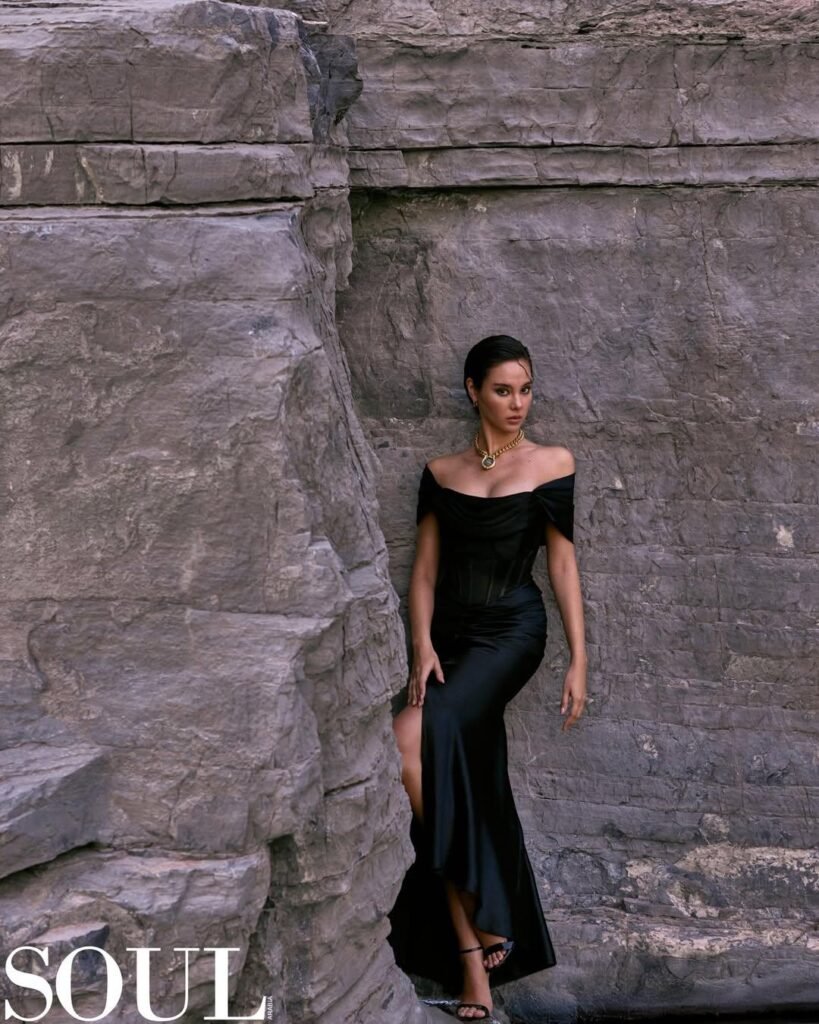
There’s a question that trails women like Catriona, beauty queens turned multihyphenates, and it usually sounds something like, “Who are you now that the crown is gone?” She answers it not with defensiveness, but with clarity.
“I’m a creative and spokesperson who wants to continue to steward my platform, audience, and skillset towards hopefully making a positive impact on her community.”
She hosts, performs, endorses, and advocates. But she is careful not to mistake productivity for purpose. Everything she does, she says, is oriented around her core values, and that internal compass is what makes a life with so many moving parts feel whole rather than fractured.
The legacy she is building is not one of accolades. It is quieter and more durable than that. “I hope that in everything I have been able to do, I was able to provide an opportunity, whether through supporting a cause, fundraising, encouragement, or inspiration, that afforded someone the choice to pursue a life they loved.” And then, crucially: “And showed them that they could then be that same agent of change.”
Empowerment, to her, is a chain, not a destination.
One person lifted, then turned to lift another. A siren who does not call you to the rocks to be broken but stands on them to show you that you can climb too. Carved not despite the waves, but by them, still standing, still singing, still here.
