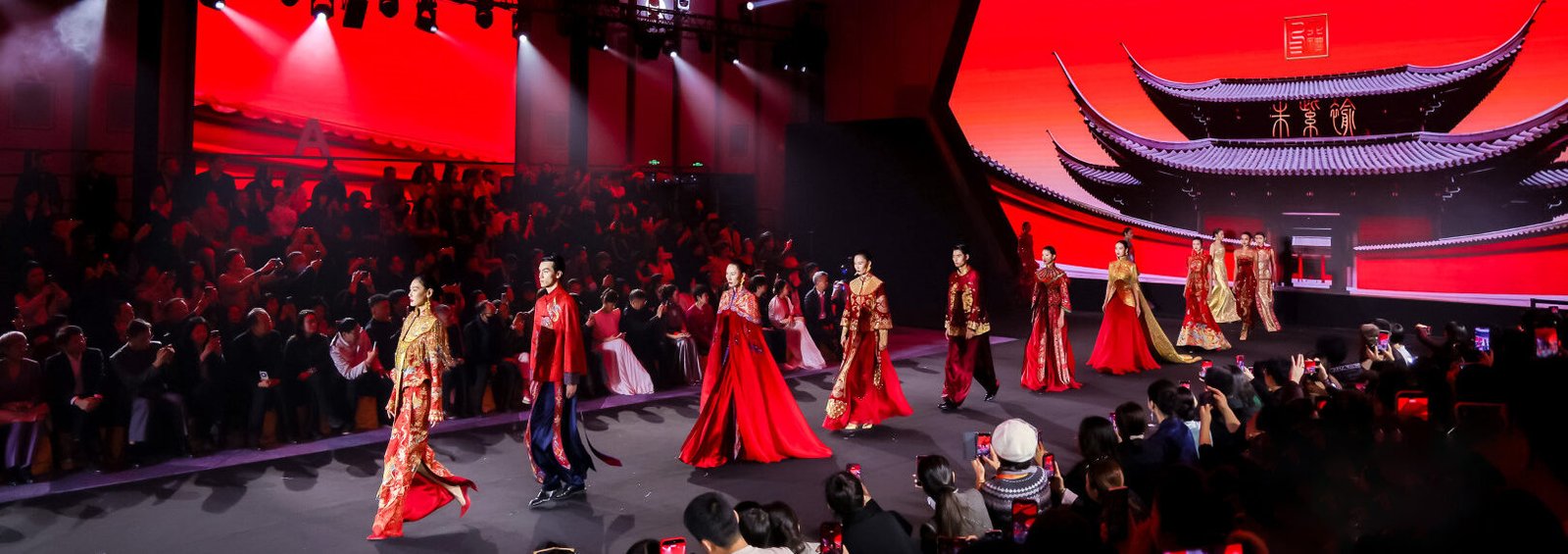
While the fashion world was still processing the final looks from Paris, Beijing quietly opened its own chapter. AW2026 Beijing Fashion Week kicked off on Tuesday, March 17, and will run through March 23, seven days that position the Chinese capital as the closing act of a global season that began in New York and moved through London, Milan, and Paris.
The scale alone tells you something about where Chinese fashion currently stands. More than 120 events are scheduled across the week, runway shows, presentations, industry forums, and the kind of behind-the-scenes deal-making that shapes what eventually reaches store floors globally. Business representatives gathered on the opening day to sign formal agreements, underscoring that Beijing Fashion Week is not just a creative showcase but also a commercial engine for one of the world’s fastest-growing fashion markets.
Why This Week Matters
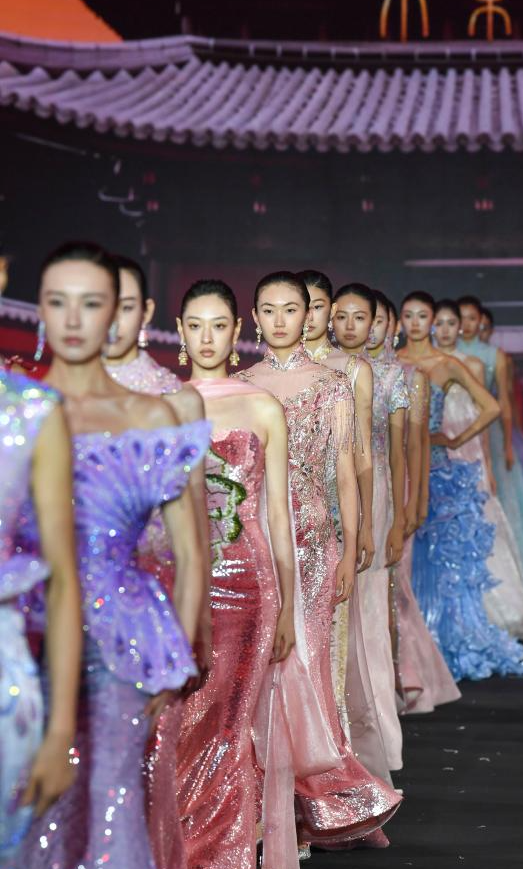
Beijing Fashion Week has spent the last decade quietly building its case as a serious player on the global fashion calendar. What was once viewed by Western industry observers as a regional affair has steadily become something harder to dismiss, a platform where Chinese designers are no longer imitating the global conversation but actively shaping it.
The timing of this edition is significant. China’s domestic luxury and fashion market has rebounded strongly, and the appetite for homegrown design, rooted in Chinese heritage but fluent in the language of contemporary fashion, has never been stronger. Consumers in Beijing, Shanghai, and beyond are increasingly reaching for names that feel culturally specific rather than just globally recognisable.
A Season Still Unfolding
With the week running through March 23, the most talked-about collections are still to come. What the opening day made clear is that the energy is there, the crowds, the cameras, the industry attention. Beijing is dressed and ready. The rest of the week will tell us exactly what it has to say.