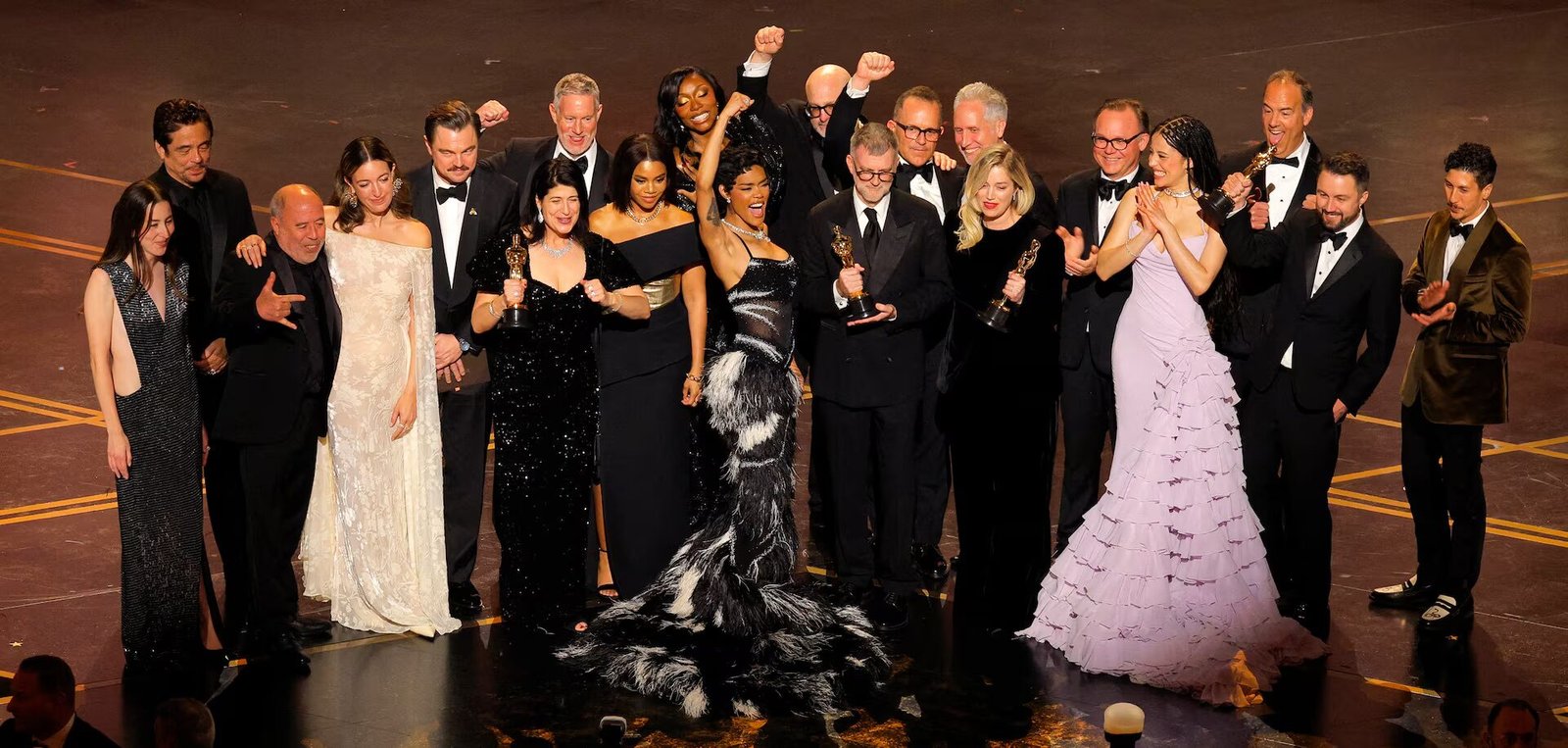
There was a feeling in the Dolby Theatre on Sunday night that something was genuinely at stake. The race between One Battle After Another and Sinners had been one of the tightest in years, two exceptional films, two completely different visions of what cinema can do, pulling the industry in opposite directions right up until the final envelope. In the end, it was Paul Thomas Anderson’s thriller about left-wing ex-revolutionaries that took the top prize, closing out a night that produced more than a few moments nobody will forget quickly.
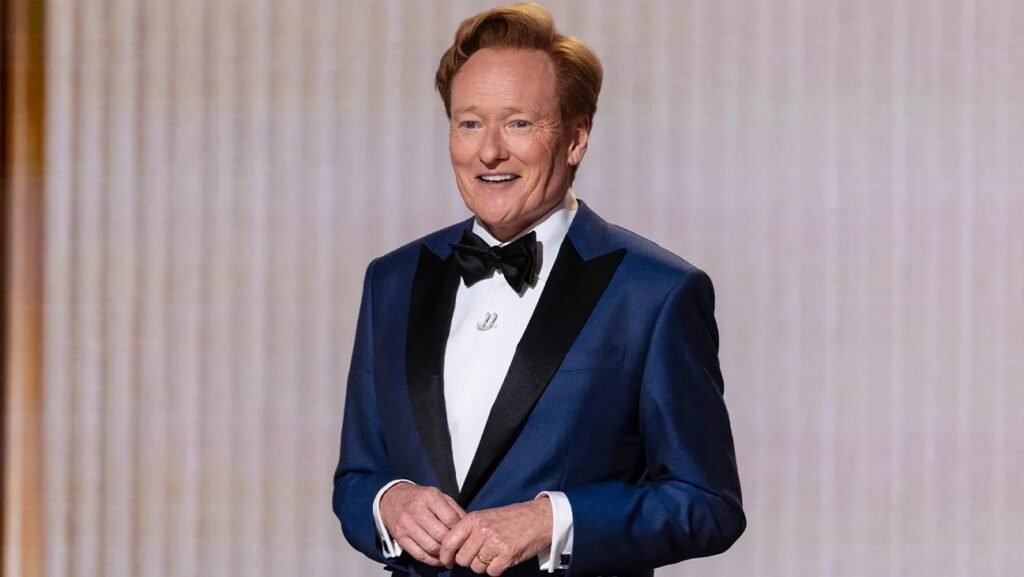
Conan O’Brien returned as host for the second consecutive year and wasted no time making clear that this was not going to be a cautious evening. He opened with a pre-taped bit dressed as Aunt Gladys from Weapons, complete with furious children and a generous amount of window-breaking, before launching into a monologue that ranged from Timothée Chalamet’s controversial ballet and opera remarks to Netflix CEO Ted Sarandos for attending a show in an actual theater. The room was warm from the first minute. O’Brien closed his opening by addressing the current moment of global uncertainty with a rare sincerity: “Everyone watching right now is all too aware that these are very chaotic, frightening times. We pay tribute tonight, not just to film, but to the ideals of global artistry, collaboration, patience, resilience, and that rarest of qualities today, optimism.”It was exactly the right note for a room that needed it.
Best Picture: Anderson Takes the Night
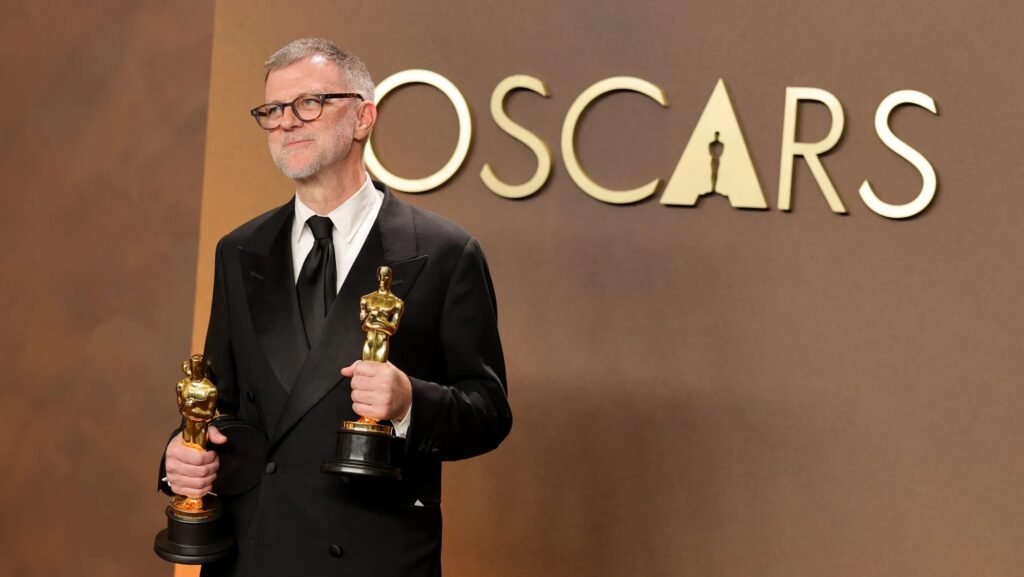
One Battle After Another arrived with 13 nominations and left with six Oscars, including Best Picture, Best Director, and the newly created Best Casting award, the first new category at the Academy Awards in 25 years. It was a sweeping vindication for Anderson, who has spent a career making films that resist easy categorisation. Though Sinners picked up several major awards throughout the evening, it was One Battle After Another that was ultimately crowned, in a race that came right down to the final moments of the night.
Best Actor: Michael B. Jordan Makes History
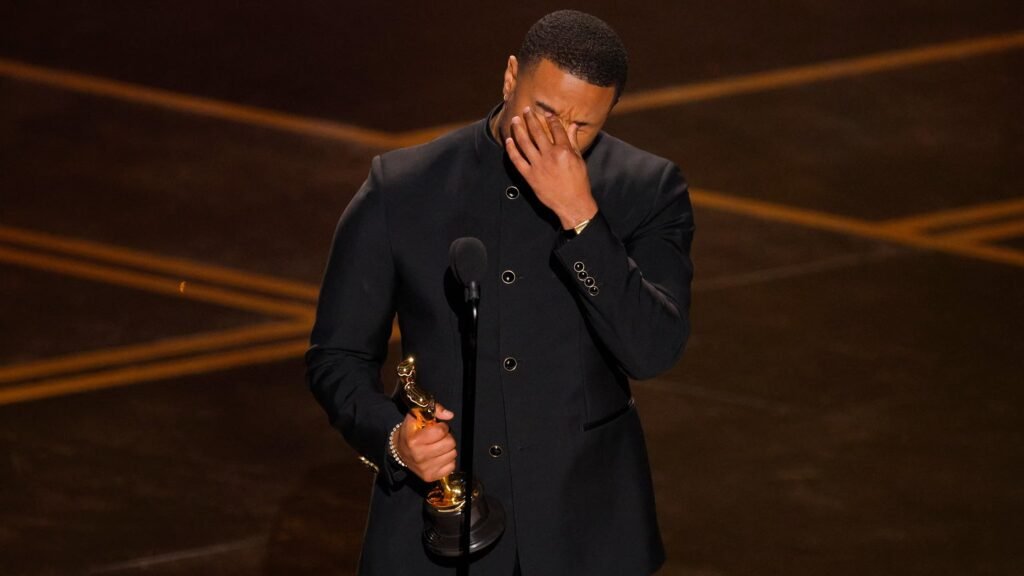
The audience went wild when Michael B. Jordan’s name was called for Best Actor in a Leading Role for Sinners. It was an upset. Timothée Chalamet had been the overwhelming frontrunner heading into the night, and the reaction inside the Dolby Theatre said everything about how much this win meant. Jordan, visibly stunned, delivered a speech that was equal parts disbelief and gratitude, speaking to a generation of filmmakers and actors who grew up believing they could belong on this stage and are now proving it in real time.
Best Actress: Jessie Buckley and a Mother’s Day Dedication
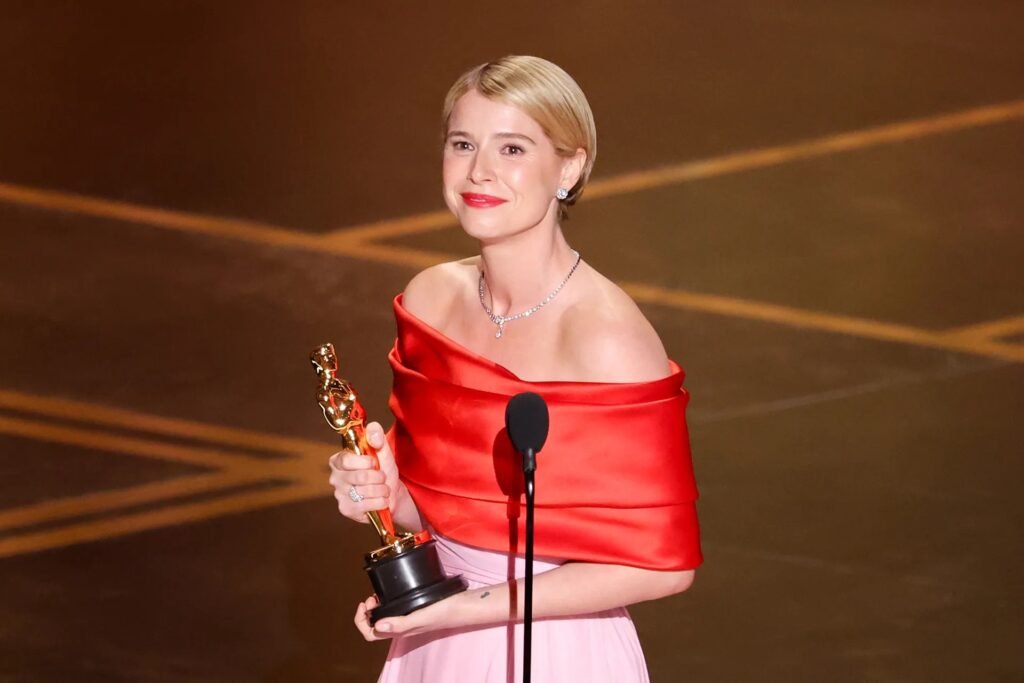
Jessie Buckley was the overwhelming frontrunner to win Best Actress heading into the night, and win she did, picking up her first Oscar for her moving performance as Agnes Shakespeare in Chloé Zhao’s Hamnet. As the first Irish actress to take the award in that category, Buckley noted the ceremony happened to fall on Mother’s Day in the United Kingdom and dedicated her win to “the beautiful chaos of a mother’s heart.” It was one of the most genuinely affecting speeches of the evening, brief, specific, and completely real.
The Supporting Performances That Stole the Show
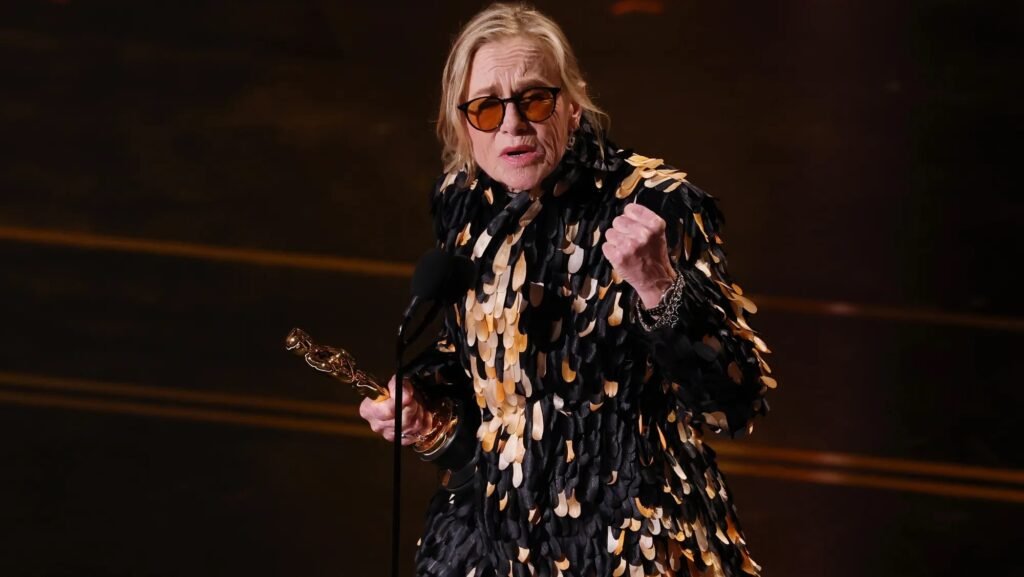
Amy Madigan, 75, won Best Supporting Actress for Weapons, a first Oscar that had been 40 years in the making, since her first nomination was in 1986. As she started her speech, she began laughing just like her character’s signature cackle. “What’s different is I got this little gold guy,” She told the room, before thanking her husband Ed Harris, with a line that brought the house down. Sean Penn, meanwhile, took home Best Supporting Actor for One Battle After Another, a win that felt earned in the deepest sense, for a performance critics had been calling some of the finest work of his long career.
History Made Behind the Camera
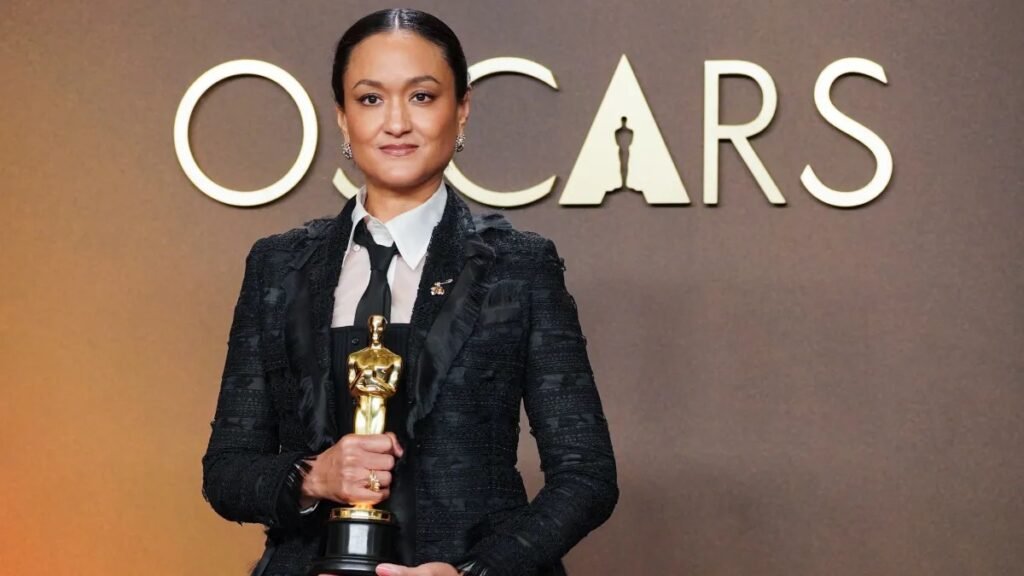
The most electric non-acting moment of the night belonged to Autumn Durald Arkapaw. She made history when she took home the award for Best Cinematography for Sinners, only the third woman ever nominated in the category, and the first to win. She was also the first female cinematographer to shoot on IMAX 65mm and Ultra Panavision, a technical achievement as staggering as the artistry it produced. When Ryan Coogler was shown in the audience carrying his son down the aisle to watch his cinematographer accept her award, the standing ovation that followed said more than any speech could.
The Moment That Lingered
At the end of the night, before the credits rolled, O’Brien sent a message to his friend Martin Short, whose daughter Katherine had passed away just weeks earlier: “We love you, Marty Short.” The Dolby Theatre, which had spent the previous three hours laughing and cheering, went completely still. Sometimes, the most important moment of an awards ceremony has nothing to do with the awards at all.
The 98th Academy Awards were, by any measure, a triumph, for the films, for the people who made them, and for a night that remembered, even in its grandest moments, to be human.